
In the intricate tapestry of the aviation industry, few brands ignite as much spirited debate as Spirit Airlines. Shrouded in a reputation that vacillates between a budget traveler’s savior and a source of travel-day exasperation, Spirit has carved out a unique, often controversial, niche. To truly assess “how good” Spirit Airlines is, one must transcend simplistic judgments and delve into the nuances of its brand strategy. This isn’t merely about flight performance or passenger comfort; it’s about understanding a meticulously engineered corporate identity, its deliberate marketing tactics, and the profound impact these have on customer perception, industry dynamics, and its enduring relevance in a highly competitive market. From a brand perspective, Spirit Airlines is not just an airline; it’s a living case study in aggressive differentiation, targeted value proposition, and the art of managing a deeply polarized public image.
The Maverick of the Skies: Spirit’s Distinctive Brand Positioning
Spirit Airlines didn’t stumble into its current form; it was meticulously designed to disrupt. Its brand positioning is a masterclass in strategic narrowcasting, deliberately eschewing the traditional full-service airline model to occupy a space few dared to claim with such conviction. This bold approach defines its entire corporate identity, from its operational logistics to its customer-facing communications.
The Ultra-Low-Cost Carrier (ULCC) Blueprint: Unpacking Spirit’s Foundational Brand Promise
At the heart of Spirit’s brand identity lies its unwavering commitment to the Ultra-Low-Cost Carrier (ULCC) model. This isn’t just a business strategy; it’s the foundational brand promise upon which everything else is built. The brand fundamentally promises affordability, often the lowest possible base fare, above all else. This promise resonates deeply with a specific segment of the traveling public: the highly price-sensitive leisure traveler who views air travel primarily as a commodity for getting from point A to point B.
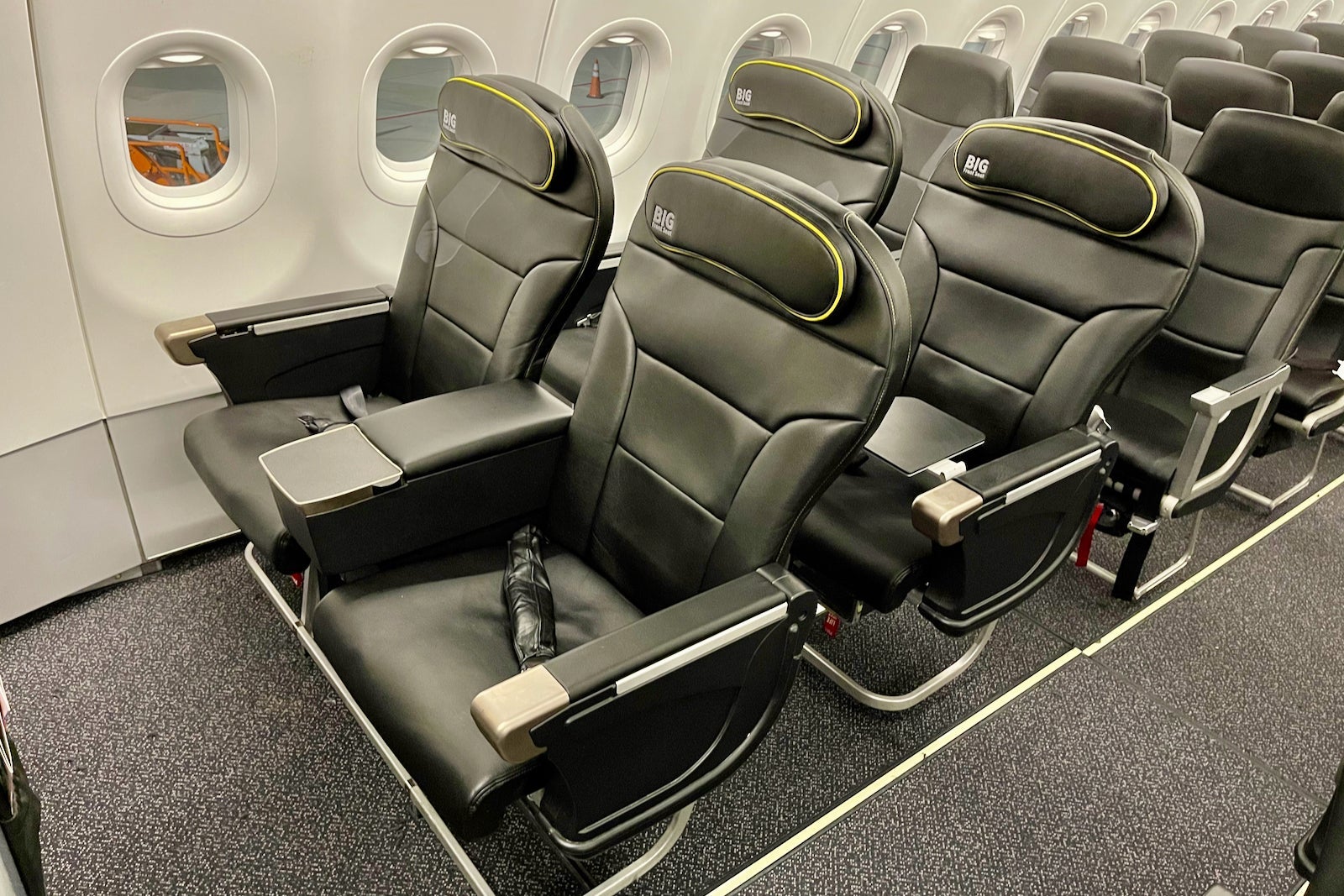
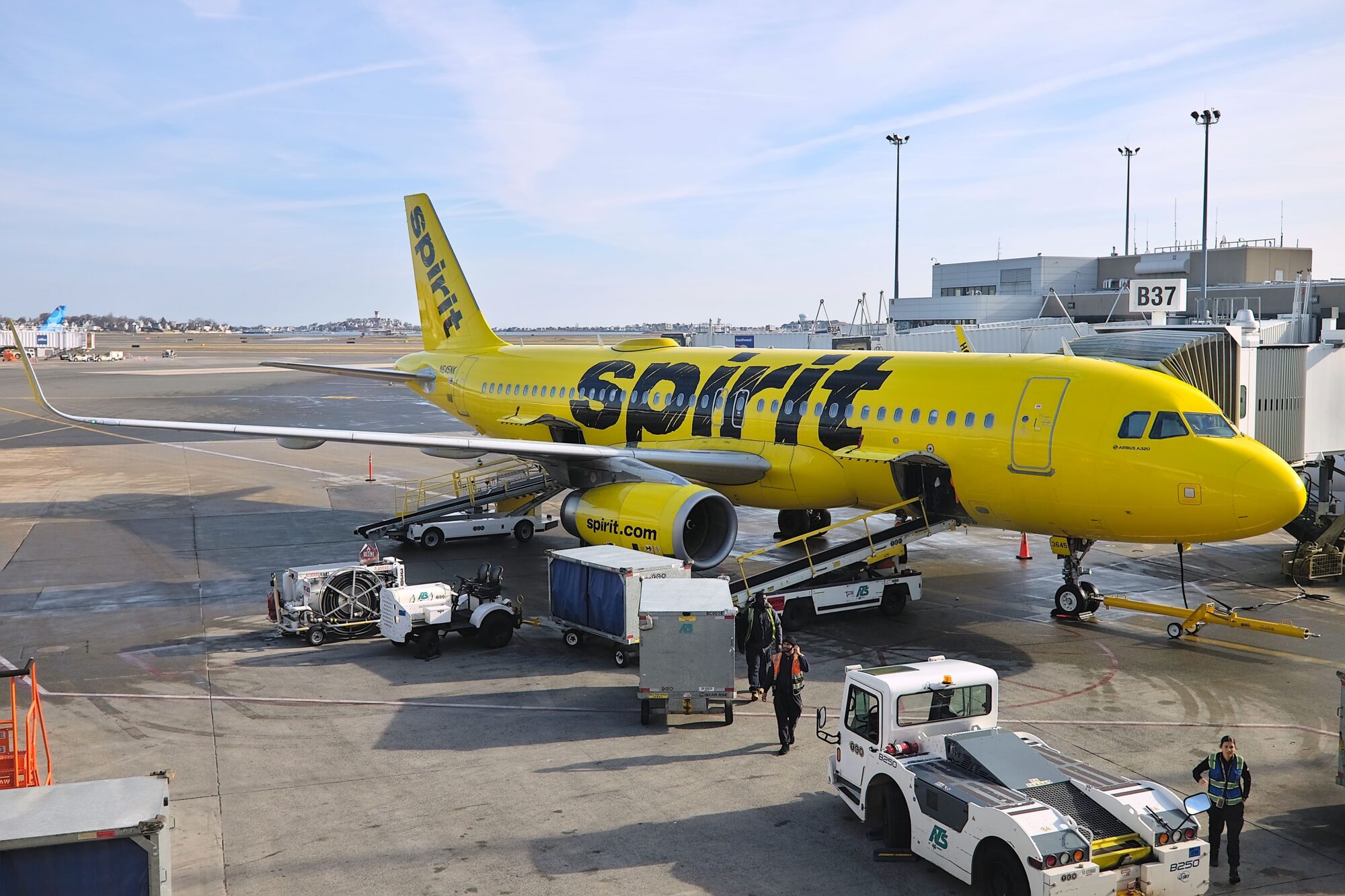
The brand’s aesthetic, from its stark yellow livery to its utilitarian cabin design, reinforces this no-frills promise. There’s an intentional absence of luxury or even standard amenities, signaling clearly that this is a stripped-down, efficient service. Spirit’s corporate identity, therefore, is not about aspiration or comfort; it’s about utility and accessible pricing. This clear, albeit austere, identity helps manage expectations for its core audience: if you choose Spirit, you know what you’re signing up for – a budget flight, not a pampering experience. This clarity, while sometimes leading to dissatisfaction among those who haven’t fully grasped the model, is a crucial element of its brand consistency.
“Bare Fare” as a Brand Differentiator: How the Controversial Unbundling Strategy Became a Core Element of Its Marketing
The most recognizable and often contentious element of Spirit’s brand strategy is its “Bare Fare” pricing model, coupled with its aggressive unbundling of services. What others include, Spirit charges for: checked bags, carry-on bags, seat selection, in-flight refreshments, and even printing a boarding pass at the airport. While these ancillary fees are a critical revenue stream for the company, they are also a profound brand differentiator.
From a marketing perspective, the “Bare Fare” allows Spirit to advertise incredibly low headline prices, capturing attention in a crowded market. This strategy is highly effective in online travel agencies and comparison sites, where the initial price is king. The marketing message implicitly, and sometimes explicitly, challenges consumers to only pay for what they truly need. This empowers a certain type of traveler who appreciates the perceived control over their expenses.
However, this differentiator is a double-edged sword for the brand. It attracts loyal, price-conscious customers, but it also creates significant brand friction with those who feel misled or “nickel-and-dimed.” The controversy surrounding these fees has become intrinsically linked to the Spirit brand, making it a brand that elicits strong reactions, positive or negative. Understanding “how good” Spirit is requires acknowledging that for its target audience, the bare fare is a feature, not a bug, embodying the brand’s core value proposition of absolute cost efficiency.
Navigating the Brand Perception Divide: Expectations vs. Reality
Spirit Airlines operates in a fascinating space where its carefully constructed brand image constantly collides with diverse customer expectations, often leading to a significant perception gap. This divide is central to understanding the brand’s overall “goodness” – it’s “good” for some, and decidedly “not good” for others, primarily due to how well the brand manages to align its explicit promises with the realities of its service delivery.
The Double-Edged Sword of Price-Centric Marketing: Examining How Spirit’s Relentless Focus on Low Fares Attracts a Specific Demographic While Simultaneously Creating Challenges for Broader Appeal and Customer Satisfaction Metrics
Spirit’s marketing is unequivocally price-centric. Campaigns consistently highlight outrageously low fares, often accompanied by playful, almost irreverent, messaging that subtly pokes fun at the expectation of luxury. This relentless focus on price is highly effective at attracting its core demographic: young travelers, students, families on tight budgets, and those who prioritize saving money over amenities. For these individuals, the brand delivers on its primary promise, fostering a sense of value and accessibility.
However, this narrow focus is a double-edged sword for the brand’s broader appeal and overall customer satisfaction metrics. The sheer emphasis on price can inadvertently set an expectation that the “deal” is too good to be true, leading to skepticism. Moreover, passengers who are not fully initiated into the ULCC model, or who are used to more inclusive legacy carriers, often experience “sticker shock” from ancillary fees. This mismatch between an implicit expectation of a ‘standard’ airline experience and the explicit reality of a bare-bones offering leads to frustration, negative reviews, and a significant drag on customer satisfaction scores.
From a brand perspective, the challenge for Spirit lies in managing this perception gap. While it successfully attracts its niche, the brand struggles to shed the perception among a wider audience that it’s a brand of last resort or one associated with hidden costs. This dynamic positions Spirit as a highly polarizing brand, excelling with its intended audience but struggling to gain universal acclaim due to its intentional trade-offs.
Crafting the Customer Journey: From Transaction to Experience: Analyzing the Touchpoints Where Spirit’s Brand Promise Is Either Reinforced or Undermined
Every touchpoint in the customer journey is an opportunity for a brand to reinforce its promise or fall short. For Spirit, this journey is meticulously designed to support its ULCC model, but it also creates critical junctures where the brand’s promise is tested.
- Online Presence & Booking: The website and app are designed for efficiency, highlighting low fares upfront. The process of adding ancillary items is clear, but can be overwhelming for first-time users, serving as the first test of customer expectation management. For those who understand, it reinforces the brand’s control-your-cost ethos.
- Pre-Flight Communication: Spirit’s communication often emphasizes self-service, from online check-in to mobile boarding passes. This reinforces the brand’s operational efficiency but also places more responsibility on the passenger, potentially causing stress for less tech-savvy travelers.
- Airport Experience: The check-in counters and gates are streamlined. Bag sizers are prominent, a visible reminder of the brand’s strict baggage policy. For some, this is a clear, efficient process; for others, it’s a point of contention and the brand’s “strictness” becomes a negative attribute.
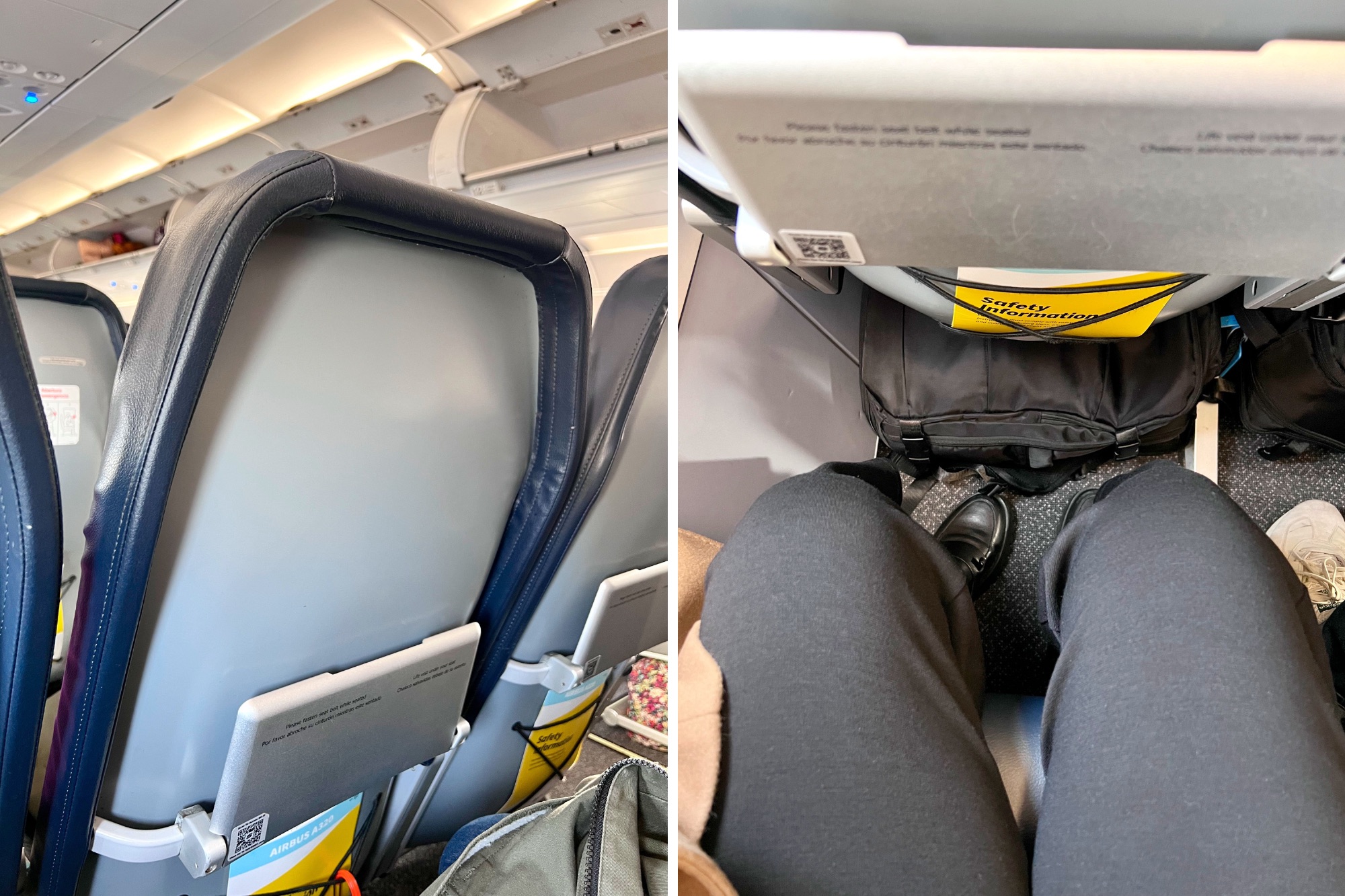
- Inflight Experience: The cabin itself—often densely packed seats, limited recline, and no complimentary amenities—is the ultimate manifestation of the “bare fare.” For those who accept it, it’s merely a functional space. For others, it’s a stark reminder of the sacrifices made for the low fare, directly impacting their perception of the brand’s “goodness” in terms of comfort and service.
- Customer Service Interactions: This is perhaps the most vulnerable touchpoint for the Spirit brand. When things go smoothly, the brand’s efficiency shines. However, during irregular operations (delays, cancellations), the brand’s lean staffing and standardized procedures can lead to frustrating customer service experiences, amplifying negative perceptions and undermining any goodwill built on low fares.
Each of these touchpoints either reinforces Spirit’s brand promise of functional, affordable travel for those who understand it, or severely undermines it for those with different expectations, illustrating the precarious balance the brand maintains.
Reputation Management in a High-Stakes Industry
In an industry where safety, reliability, and customer service are paramount, managing brand reputation is critical. Spirit Airlines, with its unconventional model, faces unique challenges in shaping and maintaining its public image, particularly around the core elements of its business strategy.
The Ancillary Revenue Narrative: How the Strategic Design of Additional Fees, While Crucial to the Business Model, Heavily Influences Brand Sentiment and Media Portrayal
Spirit’s ancillary revenue strategy isn’t just a business model; it’s a narrative that shapes its brand sentiment and media portrayal. The fees for bags, seat selection, and other services are not merely charges; they are perceived “gotchas” by a segment of the public, fueling a narrative of deceptiveness. News reports and social media often highlight stories of travelers surprised by these costs, contributing to a negative brand image of being exploitative or overly strict.
However, for Spirit, these fees are transparent and openly disclosed at various stages of the booking process. The brand’s perspective is that it empowers customers to customize their travel costs, paying only for what they choose. This duality creates a complex brand narrative: is Spirit a transparent value provider, or a cunning corporation profiting from fine print? The answer depends on the consumer’s perception and their willingness to engage with the brand’s specific terms.
Effective reputation management for Spirit requires continually reinforcing the transparency of its fee structure and educating consumers about its ULCC model before they book. Brands thrive on clarity, and while Spirit aims for this, the public’s ingrained expectations of ‘all-inclusive’ pricing from traditional airlines often clashes with its model, leading to persistent challenges in managing this crucial aspect of its brand. The success of its brand lies not in eliminating these fees, but in ensuring their communication is so clear that surprise is virtually impossible, thereby shifting the narrative from “hidden fees” to “optional services.”
Crisis Communication and Service Recovery: Spirit’s Approach to Managing Operational Disruptions and Its Impact on Long-Term Brand Equity and Trust
Airlines are highly susceptible to operational disruptions—weather, mechanical issues, air traffic control delays—which can quickly escalate into full-blown crises. For Spirit, with its lean operations and emphasis on quick turnarounds, such disruptions can have an outsized impact on its brand equity and customer trust.
The brand’s approach to crisis communication and service recovery is often perceived as a weak point. When flights are delayed or canceled, the brand’s resources for rebooking and customer support can appear stretched. This translates into longer lines, frustrated passengers, and a sense that the brand is ill-equipped to handle unforeseen events. These moments are critical tests of brand resilience. While other airlines might invest heavily in service recovery—offering hotel vouchers, meal coupons, or immediate rebooking on partner airlines—Spirit’s cost-conscious model often limits these options.
The impact on long-term brand equity is significant. Frequent stories of stranded passengers or poor communication during disruptions chip away at trust, making potential customers wary, even if the initial fare is appealing. From a brand management standpoint, Spirit needs to continuously evaluate how it can balance its cost-efficiency with more robust crisis management protocols. Trust is a cornerstone of brand loyalty, and while price may attract new customers, a lack of perceived reliability and poor crisis handling can quickly erode that trust, making it challenging to build enduring brand relationships beyond transactional appeal.
Beyond the Buzz: Sustaining a Niche Brand in a Competitive Market
Spirit Airlines’ journey is a testament to the power of a clearly defined niche brand. Its success is not accidental but a result of a deep understanding of its target market and a relentless pursuit of its chosen brand identity, even in the face of widespread critique.
The Target Audience: Who Responds to the Spirit Brand?
Spirit’s brand is not for everyone, nor does it aim to be. Its strength lies in its precise targeting. The brand primarily appeals to:
- The Hyper Price-Sensitive Traveler: Individuals for whom the absolute lowest base fare is the paramount decision factor, even if it means sacrificing comfort or convenience. This includes students, budget-conscious families, and travelers funding their trips out of pocket.
- The Minimalist Traveler: Those who travel light, often with just a personal item, and are not reliant on in-flight amenities. They appreciate the ability to opt out of services they don’t need.
- The Leisure Traveler on Specific Routes: Spirit often serves popular vacation destinations or connects smaller cities to major hubs, catering to weekend getaways or specific event travel where the journey itself is less important than the destination and cost.
- The Savvy Shopper: Travelers who understand the ULCC model, are diligent about reading the fine print, and are adept at calculating total costs to ensure they are indeed getting a bargain.
For this specific demographic, Spirit’s brand is remarkably “good.” It delivers on its promise of affordability and provides a functional service. The brand’s continued existence and expansion prove that there is a substantial market segment that values this highly focused proposition. The marketing for Spirit often speaks directly to these segments, using language and imagery that reinforces the idea of accessible travel.
Competitive Impact and Brand Evolution: How Spirit’s Disruptive Model Has Forced Competitors to Adapt, and What Future Strategic Shifts Might Mean for Its Brand Identity
Spirit Airlines, alongside other ULCCs, has had a profound impact on the broader airline industry. Its disruptive model has effectively forced legacy carriers and even other low-cost airlines to re-evaluate their own pricing strategies and service unbundling. The “Spirit Effect” has led to increased competition on price, prompting major airlines to introduce their own “Basic Economy” fares – a direct acknowledgement of the ULCC’s influence on consumer expectations and market dynamics. This demonstrates Spirit’s power as a brand to shape industry trends, even if its own brand reputation remains divisive.
Looking ahead, Spirit’s brand identity will continue to evolve. As the market matures and other ULCCs emerge, Spirit may face pressure to differentiate beyond just price. This could involve subtle enhancements to the customer experience, improvements in operational reliability, or even a refinement of its communication strategy to better manage expectations and reduce negative sentiment. Any strategic shifts, however, must be carefully balanced against its core brand promise of ultra-low cost. Deviating too far from this foundational identity risks alienating its loyal, price-conscious customer base.
The future “goodness” of Spirit Airlines, from a brand perspective, will depend on its ability to maintain its distinct niche, adapt to competitive pressures without compromising its core value proposition, and continuously refine its brand communication to align customer expectations with its service reality.
Conclusion: The Enduring Legacy of a Purpose-Built Brand
To ask “how good is Spirit Airlines?” is to pose a question that transcends simple metrics and delves into the heart of brand efficacy. Spirit Airlines is not universally “good” in the traditional sense of comfort, luxury, or premium service. Instead, it is exceptionally “good” at what it sets out to be: an ultra-low-cost carrier that democratizes air travel through aggressive unbundling and relentless cost-efficiency. Its brand strategy is a masterclass in focused differentiation, appealing to a specific, significant segment of travelers who prioritize price above all else.
Spirit’s brand identity is polarizing by design – a feature, not a flaw, that allows it to maintain its distinct market position. While it faces ongoing challenges in managing customer perceptions around ancillary fees and service recovery, its impact on the aviation industry is undeniable. Spirit has reshaped competitive landscapes and forced a re-evaluation of value propositions across the board.
Ultimately, Spirit Airlines embodies a purpose-built brand that successfully serves its intended market. Its “goodness” is best measured by its commercial viability, its sustained growth, and its unwavering commitment to its unique brand promise. For those who understand and embrace its model, Spirit is an undeniably good, even excellent, option. For others, it serves as a cautionary tale of misaligned expectations. In the complex world of branding, Spirit Airlines stands as a powerful testament to the enduring strength of a clear, albeit controversial, identity.
aViewFromTheCave is a participant in the Amazon Services LLC Associates Program, an affiliate advertising program designed to provide a means for sites to earn advertising fees by advertising and linking to Amazon.com. Amazon, the Amazon logo, AmazonSupply, and the AmazonSupply logo are trademarks of Amazon.com, Inc. or its affiliates. As an Amazon Associate we earn affiliate commissions from qualifying purchases.