
The world of stock market investing can seem daunting at first glance, a complex labyrinth filled with jargon, charts, and seemingly endless choices. Yet, it remains one of the most powerful avenues for building wealth over time, offering individuals the chance to grow their capital beyond what traditional savings accounts can provide. For aspiring investors, the key is to approach it systematically, understanding the fundamental principles before diving in. This guide aims to demystify the process, providing a clear, actionable roadmap for those ready to embark on their investment journey. By laying a solid foundation, embracing a long-term perspective, and committing to continuous learning, even complete beginners can confidently step into the market and begin working towards their financial aspirations.
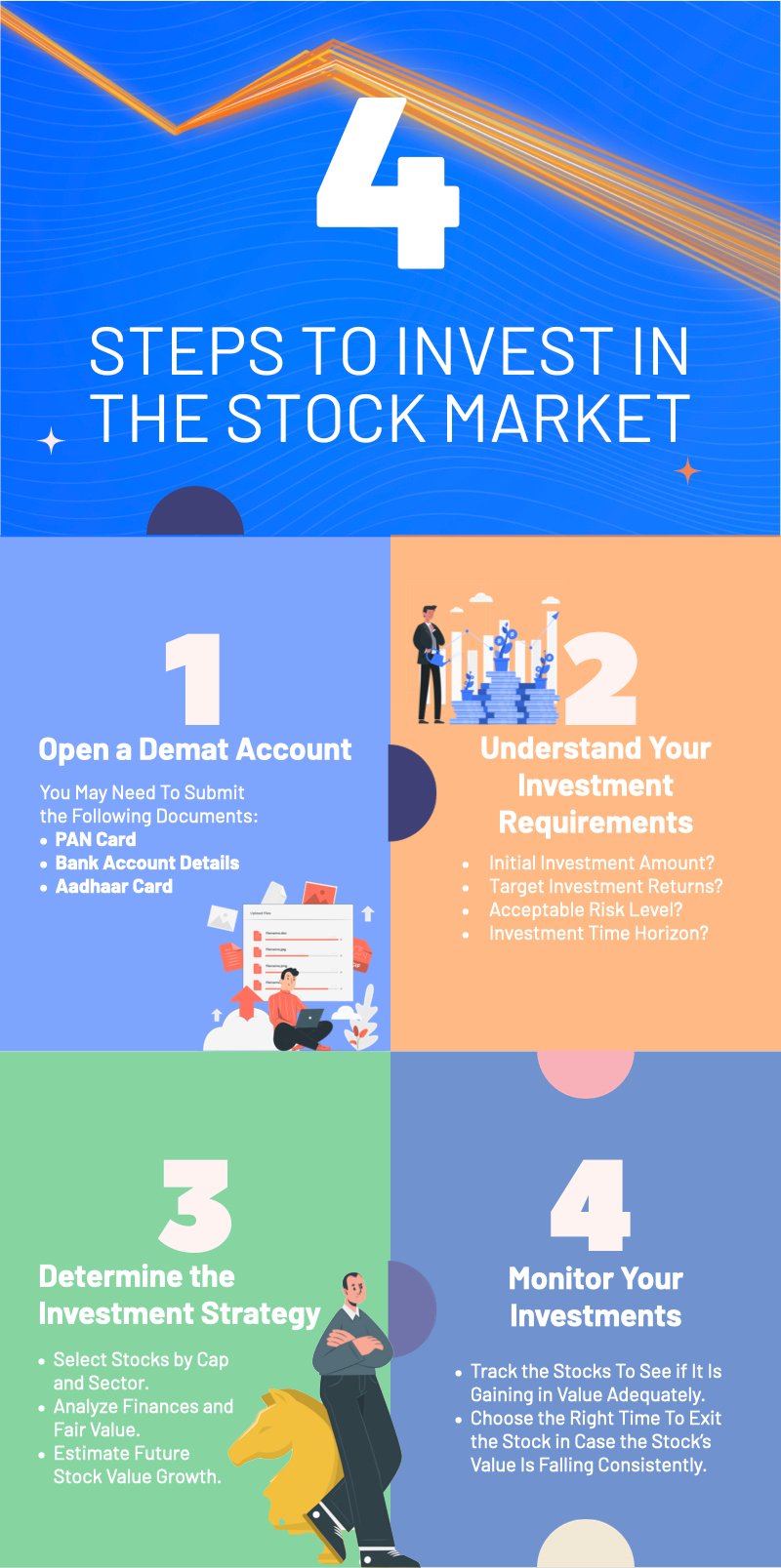
Laying the Foundation: Understanding the Basics
Before you even consider opening a brokerage account, it’s crucial to grasp why investing in the stock market is a compelling strategy and what basic terms you’ll encounter. This foundational knowledge will serve as your compass in the vast financial landscape.
Why Invest in the Stock Market?
The primary allure of the stock market lies in its potential for significant capital appreciation and wealth creation over the long term. Unlike keeping money in a low-interest savings account, investing in equities allows your money to work for you, benefiting from the growth of businesses and the economy as a whole.
- Combating Inflation: Inflation erodes the purchasing power of money over time. Historically, the stock market has offered returns that outpace inflation, protecting and growing your wealth in real terms.
- Compounding Returns: This is often referred to as the “eighth wonder of the world.” Compounding means earning returns not only on your initial investment but also on the accumulated interest and gains from previous periods. Over decades, this snowball effect can lead to exponential growth.
- Ownership and Dividends: When you buy a stock, you’re buying a tiny piece of a company. As the company grows and becomes more profitable, the value of your shares may increase. Many companies also distribute a portion of their profits to shareholders in the form of dividends, providing a regular income stream.
Key Investment Terminology for Beginners
Navigating the stock market requires familiarity with its language. Here are a few essential terms to get you started:
- Stock/Share: A unit of ownership in a company.
- Dividend: A portion of a company’s earnings paid out to its shareholders.
- Volatility: The degree of variation of a trading price series over time. High volatility means prices can change dramatically.
- Diversification: Spreading your investments across different assets to reduce risk.
- Brokerage Account: An investment account with a brokerage firm that allows you to buy and sell securities.
- ETF (Exchange-Traded Fund): A type of investment fund that holds a collection of underlying assets (like stocks, bonds, or commodities) and trades on stock exchanges like individual stocks.
- Mutual Fund: A professionally managed investment fund that pools money from many investors to purchase securities.
Setting Your Financial Goals
Before placing any capital, define what you want your investments to achieve. Clear goals will inform your investment strategy, risk tolerance, and time horizon.
- Short-term vs. Long-term Goals: Are you saving for a down payment on a house in five years (short-term) or for retirement in 30 years (long-term)? Short-term goals typically warrant less risky investments, while long-term goals can accommodate more growth-oriented, volatile assets.
- Risk Tolerance: How comfortable are you with the potential for your investments to lose value? This is a deeply personal assessment and dictates the types of assets you should consider. A high risk tolerance might lean towards individual stocks, while a low tolerance might prefer diversified funds.
- Time Horizon: The length of time you plan to hold your investments. A longer time horizon allows you to weather market fluctuations and benefit more from compounding.
Preparing for Your Investment Journey
Investing is a marathon, not a sprint. Proper preparation ensures you’re financially stable enough to begin investing without undue stress and can sustain your efforts over the long haul.
Building an Emergency Fund
This is arguably the most critical step before investing. An emergency fund is a readily accessible pool of money (typically 3-6 months’ worth of living expenses) stored in a high-yield savings account. Its purpose is to cover unexpected costs like job loss, medical emergencies, or car repairs without having to sell investments prematurely, especially at a loss. Without this cushion, a sudden financial setback could force you to liquidate your portfolio at an inopportune time, undermining your long-term strategy.
Understanding Your Risk Tolerance
As mentioned, your comfort with risk is paramount. A comprehensive assessment involves considering various factors:
- Financial Situation: Do you have stable income, manageable debt, and significant savings?
- Personality: Are you prone to panic during market downturns, or can you remain calm and disciplined?
- Investment Goals and Time Horizon: Longer time horizons generally allow for higher risk tolerance as there’s more time for the market to recover from dips.
Many brokerage platforms offer questionnaires to help determine your risk profile. Be honest with yourself; investing beyond your comfort zone can lead to emotional decisions that harm your returns.
Budgeting and Identifying Investable Capital
You can’t invest what you don’t have. A robust budget is essential for understanding your income and expenses, allowing you to identify surplus cash that can be consistently allocated to investments.
- Track Your Spending: Use apps, spreadsheets, or pen and paper to categorize where your money goes.
- Cut Unnecessary Expenses: Identify areas where you can reduce spending to free up more capital.
- “Pay Yourself First”: Treat your investments as a non-negotiable expense. Set up automatic transfers from your checking account to your investment account each payday. Even small, consistent contributions add up significantly over time due to compounding.
Choosing Your Investment Vehicle and Account
Once your financial foundation is solid, it’s time to select the right tools for your investment journey.
Types of Investment Accounts
The type of account you open will depend on your goals and tax situation. For beginners, a taxable brokerage account is a straightforward starting point, allowing you to buy and sell stocks, ETFs, and mutual funds.
- Traditional Brokerage Account: The most common type, offering flexibility but no special tax advantages. Gains are taxed as capital gains.
- Individual Retirement Accounts (IRAs): Tax-advantaged accounts designed for retirement savings. Traditional IRAs offer tax-deductible contributions, while Roth IRAs offer tax-free withdrawals in retirement.
- 401(k) / 403(b) (Employer-Sponsored Plans): If available through your employer, these are excellent starting points, especially if your employer offers a matching contribution (which is essentially free money).
For the purpose of simplicity and direct market access, we’ll focus on the principles applicable to a standard brokerage account.
Investment Options Beyond Individual Stocks
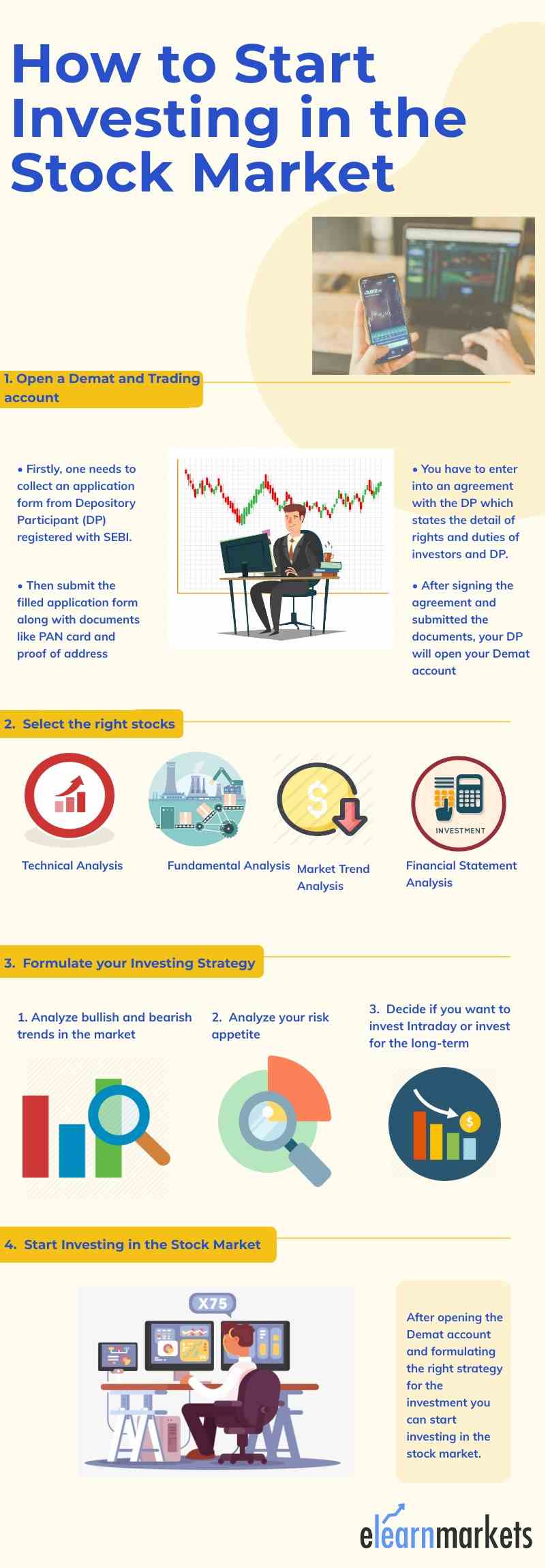
While the idea of picking winning stocks is exciting, it can be risky and time-consuming for beginners. Diversified funds are often a better starting point.
- ETFs (Exchange-Traded Funds): These are like baskets of stocks or other assets that trade on an exchange. They offer instant diversification at a low cost. For instance, an S&P 500 ETF tracks the performance of the 500 largest U.S. companies, giving you broad market exposure.
- Mutual Funds: Similar to ETFs, but typically managed by a professional fund manager and traded once a day after market close. Index mutual funds, which passively track an index like the S&P 500, are often a cost-effective choice.
Starting with a broad market ETF or index fund is generally recommended for beginners because it provides immediate diversification, reducing the risk associated with individual stock picking.
Selecting a Brokerage Platform
Choosing the right brokerage is crucial for a smooth investing experience. Consider the following factors:
- Fees: Look for platforms with low or no trading commissions, low expense ratios on their funds, and no hidden account maintenance fees.
- User Interface (UI): Especially for beginners, a platform that is intuitive, easy to navigate, and provides clear information is invaluable.
- Research Tools and Educational Resources: Does the platform offer robust research tools, analysis, and educational content to help you make informed decisions?
- Customer Support: Responsive and knowledgeable customer service can be a lifesaver when you have questions or encounter issues.
- Minimum Investment: Some brokers require a minimum deposit to open an account, though many now offer no minimums.
Popular choices include Fidelity, Charles Schwab, Vanguard, and newer platforms like M1 Finance or Robinhood (though be cautious with platforms that encourage excessive trading).
Strategizing Your First Investments
With your account open and funded, it’s time to make your initial investments. A well-thought-out strategy can significantly impact your long-term success.
Diversification: The Golden Rule
The old adage “don’t put all your eggs in one basket” holds profound truth in investing. Diversification is the strategy of spreading your investments across various assets, industries, and geographies to minimize risk. If one investment performs poorly, others may perform well, cushioning the blow to your overall portfolio.
For beginners, investing in broad market index ETFs or mutual funds (e.g., an S&P 500 fund, a total international stock market fund) provides immediate and extensive diversification without requiring you to pick individual stocks. This approach aligns with a passive investing strategy, aiming to match market performance rather than trying to beat it.
Dollar-Cost Averaging
Dollar-cost averaging (DCA) is a powerful strategy, especially for beginners. It involves investing a fixed amount of money at regular intervals (e.g., $100 every month), regardless of the market’s current performance.
- How it works: When prices are high, your fixed dollar amount buys fewer shares; when prices are low, it buys more shares. Over time, this averages out your purchase price and reduces the risk of investing a large sum at an unfortunate market peak.
- Benefits: DCA removes emotion from investing, encourages consistent saving, and smooths out the impact of market volatility. It’s a disciplined approach that aligns perfectly with a long-term investment strategy.
Long-Term vs. Short-Term Investing
For the vast majority of beginners, a long-term investment horizon is the most effective and least stressful approach.
- Long-term: Focuses on growth over many years or decades, leveraging compounding. It means ignoring daily market fluctuations and trusting in the long-term upward trend of the economy and corporate profits.
- Short-term (Trading): Involves frequent buying and selling to profit from short-term price movements. This is highly speculative, extremely risky, and often unprofitable for individual investors due to transaction costs, taxes, and the difficulty of accurately predicting market timing. Avoid short-term trading as a beginner.
Understanding Market Fluctuations
The stock market is inherently volatile; it will have its ups and downs. There will be periods of rapid growth, slow growth, and even significant downturns (bear markets).
- Patience is Key: Reacting emotionally to market dips by selling often locks in losses. History shows that markets tend to recover and reach new highs over time.
- Perspective: View market corrections as opportunities to buy more shares at a lower price, rather than a reason to panic. Stick to your long-term plan.
Continuous Learning and Monitoring
Investing is a dynamic field. While a “set it and forget it” mentality has its merits for passive investors, staying informed and periodically reviewing your portfolio is crucial for long-term success.
Staying Informed Without Over-Reacting
Educate yourself continuously by reading reputable financial news sources, books, and articles on personal finance and investing. Understand economic indicators, company fundamentals (if you venture into individual stocks), and global events. However, the goal is to be informed, not to react impulsively to every headline. Avoid sensationalist financial media that often encourages panic or euphoria. Focus on long-term trends and your personal financial plan.
Rebalancing Your Portfolio
Over time, your initial asset allocation (the mix of different types of investments) can drift as some assets perform better than others. Rebalancing involves periodically adjusting your portfolio back to your target allocation.
- Why it’s important: If stocks have performed exceptionally well, they might now represent a larger portion of your portfolio than you initially intended, increasing your overall risk. Rebalancing would involve selling some of those high-performing stocks and buying assets that have underperformed (or simply depositing new money into the underperforming assets) to restore your desired balance.
- Frequency: Most investors rebalance annually or semi-annually. This disciplined approach ensures your portfolio’s risk level remains consistent with your comfort zone.
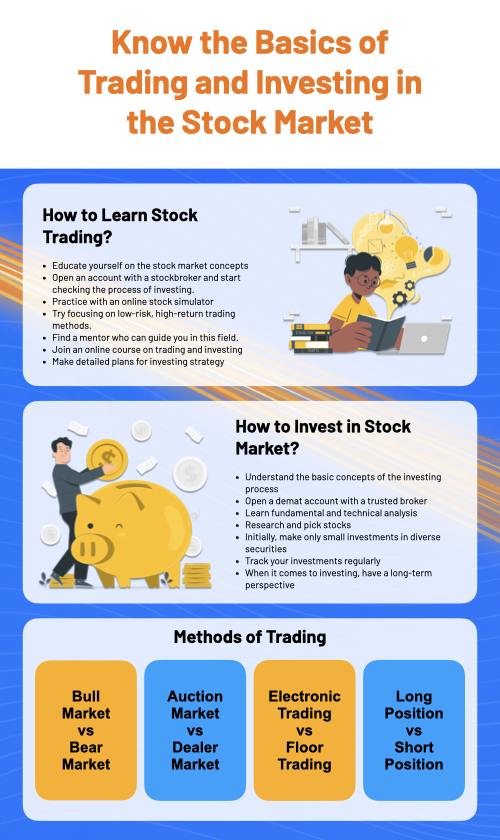
The Power of Compounding and Patience
Ultimately, the most powerful forces in investing are compounding and patience. Consistently investing, even small amounts, and allowing your money to grow over decades, will likely yield far greater results than trying to time the market or chase hot stocks. The journey of investing in the stock market is a marathon, not a sprint. Embrace the process, remain disciplined, and trust in the long-term growth potential of a well-diversified portfolio.
Beginning your investing journey in the stock market is a significant step towards securing your financial future. By understanding the fundamentals, preparing diligently, choosing appropriate investment vehicles, and adopting a disciplined, long-term strategy, you can confidently navigate the complexities and harness the immense power of compounding to build substantial wealth over time. The key is to start, stay consistent, and commit to continuous learning.
aViewFromTheCave is a participant in the Amazon Services LLC Associates Program, an affiliate advertising program designed to provide a means for sites to earn advertising fees by advertising and linking to Amazon.com. Amazon, the Amazon logo, AmazonSupply, and the AmazonSupply logo are trademarks of Amazon.com, Inc. or its affiliates. As an Amazon Associate we earn affiliate commissions from qualifying purchases.