
In the dynamic world of entrepreneurship, where ideas spark and ambitions soar, the concept of a business plan often emerges as a foundational pillar. Yet, for many aspiring and even established business owners, its true purpose can seem elusive, relegated to a mere formality or a lengthy document gathering dust. Far from being a static, bureaucratic exercise, a well-crafted business plan is a vital, living document that serves multiple critical functions, acting as a compass, a blueprint, and a persuasive tool all at once. It encapsulates the vision, strategy, and operational details of an enterprise, translating abstract ideas into concrete steps.

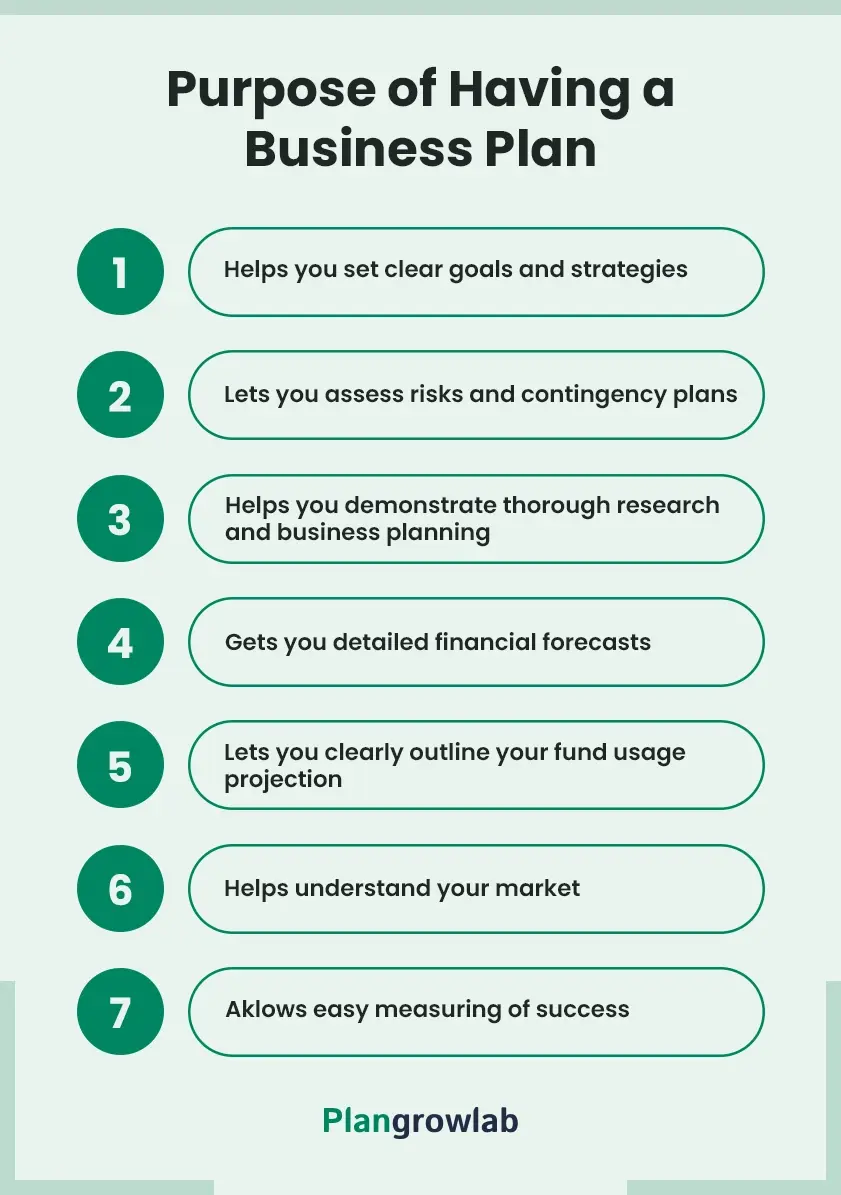
At its core, the purpose of a business plan is multifaceted: it provides clarity, facilitates strategic decision-making, attracts necessary resources, and helps manage the inherent risks of launching and growing a venture. Without one, businesses often drift without direction, struggle to secure funding, and fail to anticipate challenges, ultimately jeopardizing their long-term viability. Understanding its diverse roles is the first step towards harnessing its immense power.
The Business Plan as a Strategic Roadmap
A business plan is much more than a collection of financial projections; it is fundamentally a strategic roadmap that articulates the direction and methodology for achieving an organization’s goals. It forces entrepreneurs to critically assess their ideas, the market they intend to enter, and the competitive landscape, laying the groundwork for sustainable growth.
Guiding Vision and Mission
The initial and perhaps most profound purpose of a business plan is to clearly define the company’s vision and mission. This involves articulating the ultimate impact the business aims to have (vision) and its core purpose, values, and how it intends to achieve that vision (mission). This foundational clarity is crucial, as it provides a unifying sense of direction for all stakeholders, from founders to future employees. It answers the fundamental questions: “Why does this business exist?” and “What does it aspire to become?” Without this intrinsic understanding, strategic decisions risk becoming disconnected and inconsistent, leading to a fragmented identity and confused market positioning.
Defining Objectives and Milestones
Once the vision and mission are established, the business plan translates these broad aspirations into specific, measurable, achievable, relevant, and time-bound (SMART) objectives. These objectives are the stepping stones towards realizing the vision, providing tangible targets that the organization can work towards. From revenue targets and market share goals to product development deadlines and customer acquisition metrics, the plan details both short-term milestones and long-term strategic objectives. This systematic approach ensures that every effort within the organization is aligned with overarching goals, allowing for focused resource allocation and progress tracking. It provides a clear framework for accountability and celebration of achievements along the entrepreneurial journey.
Market Analysis and Positioning
A robust business plan necessitates a thorough understanding of the market. This involves comprehensive market research to identify target customers, understand their needs and pain points, and analyze the market size and growth potential. Equally important is a deep dive into the competitive landscape, assessing competitors’ strengths, weaknesses, strategies, and market share. This critical analysis allows the business to identify its unique value proposition—what makes it distinct and preferable to alternatives. The plan then articulates how the business will position itself within the market, including pricing strategies, distribution channels, and communication tactics to reach its target audience effectively. This strategic positioning is vital for carving out a defensible niche and achieving sustainable competitive advantage.
The Business Plan as a Fundraising Tool
For many entrepreneurs, securing capital is a major hurdle. The business plan serves as the primary instrument for attracting investment and securing loans, transforming an idea into a credible opportunity in the eyes of potential funders.
Attracting Investors and Lenders
Whether seeking capital from angel investors, venture capitalists, banks, or other financial institutions, a well-structured business plan is indispensable. It acts as the entrepreneur’s most persuasive advocate, presenting a compelling narrative of the business opportunity, the team behind it, and its potential for financial returns. Investors and lenders are looking for more than just a good idea; they want to see a clear path to profitability, a strong management team, and a well-defined strategy for mitigating risks. The business plan provides all of this information in a coherent and professional format, making a strong case for financial backing and demonstrating the entrepreneur’s seriousness and preparation.
Demonstrating Financial Viability
A core component of the business plan, particularly from a fundraising perspective, is the detailed financial projections. This includes comprehensive income statements, balance sheets, and cash flow statements, typically projected for three to five years. These financial forecasts are critical for demonstrating the business’s potential for financial viability and profitability. They show how much capital is needed, how it will be utilized, and when investors can expect a return on their investment or how the loan will be repaid. Realistic and well-substantiated financial models are crucial; overly optimistic or poorly supported projections can quickly erode confidence. The plan needs to clearly outline revenue streams, cost structures, break-even analysis, and funding requirements, providing a transparent financial picture.
Mitigating Risk for Stakeholders
Investors and lenders are inherently risk-averse. A comprehensive business plan addresses potential risks directly, outlining challenges such as market volatility, competitive threats, operational hurdles, and financial risks. More importantly, it details the strategies and contingency plans developed to mitigate these risks. By acknowledging potential pitfalls and demonstrating a proactive approach to addressing them, the business plan instills confidence in potential stakeholders. It shows that the entrepreneur has thought critically about potential roadblocks and has a plan for navigating them, thereby reducing perceived risk and increasing the likelihood of securing the necessary funding.
The Business Plan as an Operational Blueprint
Beyond strategy and finance, the business plan translates high-level goals into practical, actionable steps, serving as an operational blueprint for day-to-day management and long-term execution.
Streamlining Day-to-Day Operations
The operational section of a business plan details how the business will function on a daily basis. This includes outlining the organizational structure, roles and responsibilities of key personnel, operational workflows, and the resources required. For service-based businesses, it might detail service delivery processes; for product-based businesses, it covers production, inventory management, and supply chain logistics. By meticulously documenting these operational aspects, the plan ensures efficiency, reduces ambiguity, and provides a clear guide for all team members. It acts as a reference point for standard operating procedures, helping to maintain consistency and quality as the business scales.
Allocating Resources Effectively
A critical purpose of the business plan is to guide the efficient allocation of resources—financial capital, human resources, time, and technology. It helps determine where investments should be made, how staff should be deployed, and which projects should be prioritized. By establishing clear budgets and resource requirements for each operational area and strategic initiative, the plan prevents wasteful spending and ensures that vital resources are directed towards activities that offer the greatest return on investment and contribute directly to the achievement of objectives. This strategic resource allocation is fundamental to optimizing performance and achieving growth targets.
Performance Measurement and Adaptation
A good business plan includes key performance indicators (KPIs) and metrics that will be used to track progress against established objectives. These can range from financial metrics like profitability and cash flow to operational metrics like customer acquisition cost, conversion rates, or production efficiency. By defining these measurable targets upfront, the business plan provides a framework for ongoing performance measurement and evaluation. This enables management to monitor progress, identify deviations from the plan, and make necessary adjustments or adaptations. It transforms the plan into a dynamic tool for continuous improvement, allowing the business to remain agile and responsive to market changes and internal performance data.
The Business Plan as a Risk Management and Decision-Making Framework
Entrepreneurship is inherently fraught with uncertainty. A business plan, when used effectively, transforms uncertainty into calculated risk, providing a structured approach to identifying, analyzing, and mitigating potential challenges, while also empowering informed decision-making.
Identifying Potential Challenges and Opportunities
The rigorous process of developing a business plan forces entrepreneurs to look beyond the immediate excitement of an idea and critically assess both potential challenges and emerging opportunities. This includes conducting a SWOT (Strengths, Weaknesses, Opportunities, Threats) analysis, which helps to systematically identify internal factors (strengths and weaknesses) and external factors (opportunities and threats) that could impact the business. By proactively identifying potential market shifts, technological disruptions, regulatory changes, or competitive pressures, the plan allows the business to develop strategies to either capitalize on opportunities or mitigate threats before they become critical.
Developing Contingency Plans
A comprehensive business plan doesn’t just outline the ideal path; it also anticipates potential roadblocks and details contingency plans. What happens if sales projections aren’t met? What if a key supplier fails? What if a competitor introduces a disruptive product? By developing ‘what-if’ scenarios and outlining alternative courses of action, the business plan acts as an insurance policy. These contingency plans ensure that the organization is prepared to pivot, adapt, and respond effectively to unforeseen circumstances, thereby enhancing resilience and minimizing potential damage from adverse events. This foresight is crucial for long-term survival and stability in an unpredictable business environment.
Facilitating Informed Decisions
Perhaps one of the most powerful ongoing purposes of a business plan is its role in facilitating informed decision-making. By consolidating all aspects of the business—market analysis, financial projections, operational plans, and strategic objectives—into a single document, it provides a holistic reference point. When faced with critical choices, such as expanding into a new market, launching a new product line, or making a significant capital investment, the business plan offers a data-driven framework for evaluation. It allows decision-makers to assess how a potential action aligns with the overall strategy, its financial implications, and its impact on other operational areas, leading to more sound and strategically aligned choices.
The Evolving Nature of the Business Plan
It is a common misconception that a business plan is a one-time document, created at inception and then filed away. In reality, its true value is realized when it is treated as a dynamic, evolving tool.
A Living Document, Not a Static Relic
The most effective business plans are “living documents” that are regularly reviewed, updated, and refined. As the market changes, new competitors emerge, technology advances, and the business itself grows and learns, the plan must adapt to reflect these new realities. Treating it as a static relic diminishes its utility; instead, it should be a fluid guide that continuously informs strategy and operations. This iterative process ensures that the plan remains relevant, accurate, and actionable, preventing the business from becoming tethered to outdated assumptions or strategies. Regular updates also provide opportunities to reassess goals and adjust tactics based on actual performance and evolving market conditions.
Adaptability in a Dynamic Market
In today’s fast-paced global economy, the ability to adapt is paramount for business survival. A business plan fosters this adaptability by providing a structured mechanism for self-correction and strategic pivoting. By constantly comparing actual results against projections and evaluating the effectiveness of current strategies, businesses can identify areas where adjustments are needed. This might involve refining target markets, modifying product offerings, adjusting pricing strategies, or even re-evaluating the business model itself. The plan, therefore, serves not just as a map, but as a navigational system that allows the business to continuously course-correct and remain agile in response to a perpetually shifting landscape.
Conclusion
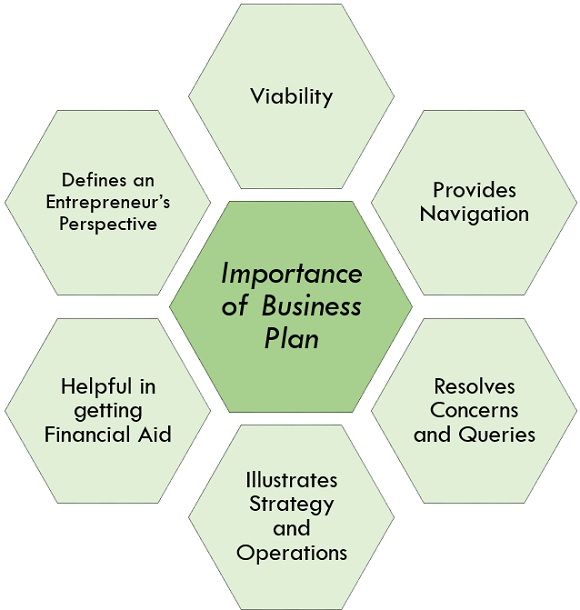
The purpose of a business plan extends far beyond a simple administrative requirement. It is a fundamental strategic asset that provides clarity of vision, a blueprint for operational execution, a powerful tool for attracting investment, and a critical framework for managing risk and making informed decisions. By forcing entrepreneurs to meticulously think through every aspect of their venture, it increases the likelihood of success and lays a solid foundation for sustainable growth. In a world of increasing complexity and competition, a well-conceived and continuously updated business plan is not just an option, but an indispensable prerequisite for building a robust and resilient enterprise. It transforms an idea into a tangible pathway, guiding the journey from concept to thriving reality.
aViewFromTheCave is a participant in the Amazon Services LLC Associates Program, an affiliate advertising program designed to provide a means for sites to earn advertising fees by advertising and linking to Amazon.com. Amazon, the Amazon logo, AmazonSupply, and the AmazonSupply logo are trademarks of Amazon.com, Inc. or its affiliates. As an Amazon Associate we earn affiliate commissions from qualifying purchases.