
Securing a business loan is a pivotal step for many entrepreneurs, whether they’re launching a startup, expanding an existing operation, or navigating a challenging financial period. It can unlock growth opportunities, bridge cash flow gaps, and provide essential capital for innovation. However, the process isn’t as simple as just asking for money. Lenders, from traditional banks to online platforms, operate under a strict framework of risk assessment, and your ability to demonstrate financial health, operational stability, and a clear repayment strategy is paramount. Understanding their expectations and meticulously preparing your application package is not just helpful—it’s absolutely essential for increasing your chances of approval. This comprehensive guide will walk you through the critical components you need to assemble, from financial statements to strategic plans, to successfully secure the funding your business deserves.
Understanding the Lender’s Perspective: Assessing Risk and Reliability
Before diving into the specifics of what you need, it’s crucial to understand the mindset of a lender. Their primary goal is to mitigate risk and ensure the loan will be repaid. Every piece of information they request is designed to build a complete picture of your business’s financial health, operational viability, and your personal commitment. Seeing the process through their eyes will help you prioritize and present your information effectively.
Risk Assessment: The Primary Concern
Lenders are essentially investors, and like any investor, they want to understand the potential return and, more importantly, the potential for loss. They analyze various factors to gauge the likelihood of default. This includes examining your past financial performance, your current financial stability, and your future projections. They’re looking for signs of resilience, responsible financial management, and a robust business model that can withstand market fluctuations. The more clearly you can demonstrate a low risk profile, the more attractive your application becomes.
The Five Cs of Credit: A Framework for Evaluation
A common framework lenders use to evaluate loan applications is the “Five Cs of Credit.” Familiarizing yourself with these will help you understand the pillars of their decision-making process:
- Character: This refers to your personal and business reputation, integrity, and credit history. Lenders look at your willingness to repay debts.
- Capacity: Your business’s ability to repay the loan from its cash flow. This is where financial statements and projections come into play.
- Capital: The amount of money you, as the owner, have personally invested in the business. This demonstrates your commitment and ability to weather financial storms.
- Collateral: Assets that can be pledged to secure the loan, providing the lender with a fallback if you can’t repay.
- **Conditions: The specific purpose of the loan, the current economic climate, and industry trends that might affect your business’s ability to succeed and repay.
By addressing each of these Cs proactively in your application, you significantly strengthen your position.
Core Financial Requirements: The Numbers That Matter
At the heart of any loan application are the financial figures that tell the story of your business’s past, present, and projected future. These are non-negotiable and must be accurate, well-organized, and indicative of financial health.
Strong Personal Credit Score: More Than Just Personal
While you’re applying for a business loan, your personal credit score often plays a significant role, especially for small businesses and startups. Lenders see your personal financial responsibility as a strong indicator of how you’ll manage your business finances. A strong personal credit score (typically FICO 680+) demonstrates a history of responsible borrowing and repayment. Ensure you’ve checked your personal credit report for accuracy and addressed any discrepancies well in advance.
Healthy Business Credit Score: The Business’s Reputation
Just like individuals, businesses accumulate a credit history. A business credit score (from agencies like Dun & Bradstreet, Experian Business, or Equifax Business) reflects your company’s payment history with vendors, suppliers, and previous lenders. A robust business credit score signals reliability and makes your business a more attractive borrower. If your business is new, this score might be nascent, making your personal credit even more important.
Consistent Revenue and Cash Flow: Proving Repayment Capability
Lenders need assurance that your business generates enough money to comfortably cover loan repayments. They will scrutinize your revenue streams and cash flow statements. They look for consistency, growth, and positive net cash flow from operations. Businesses with fluctuating or negative cash flow will face greater scrutiny and may need to provide more compelling evidence of future stability or alternative repayment sources.
Debt-to-Income Ratio: Assessing Financial Strain
This metric helps lenders understand how much of your business’s income is already dedicated to debt payments. A high debt-to-income (or debt service coverage) ratio can signal that your business might be overleveraged and struggle with additional loan obligations. Lenders typically prefer businesses with a manageable debt load, leaving sufficient free cash flow to comfortably service new debt.
Profitability and Financial Statements: The Story of Your Business
Your financial statements—income statements (P&L), balance sheets, and cash flow statements—are critical. They provide a comprehensive overview of your business’s financial performance over time.
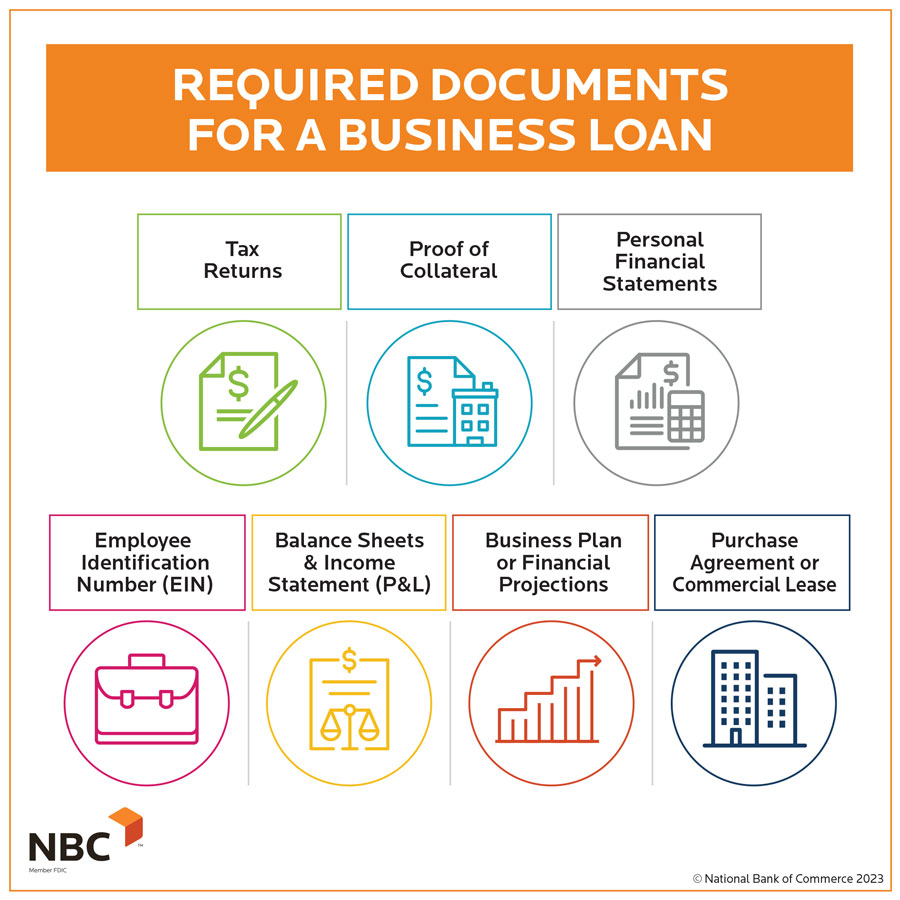
- Income Statements: Show your revenue, expenses, and net profit over a period (e.g., quarterly, annually). Lenders want to see consistent profitability.
- Balance Sheets: Offer a snapshot of your assets, liabilities, and owner’s equity at a specific point in time. This reveals your business’s net worth and financial structure.
- Cash Flow Statements: Detail the cash inflows and outflows from operating, investing, and financing activities. This is often the most important statement for lenders, as it directly shows your ability to generate cash to repay the loan.
Most lenders will require financial statements for the past 2-3 years, along with interim statements for the current year.
Essential Business Documentation: Proving Your Legitimacy and Potential
Beyond the numbers, a lender needs to understand the structure, strategy, and legal standing of your business. A well-organized and thorough documentation package instills confidence.
Comprehensive Business Plan: Your Roadmap to Success
A well-crafted business plan is more than just a formality; it’s your strategic blueprint. It should clearly articulate:
- Executive Summary: A concise overview of your business, its mission, and the loan request.
- Company Description: What your business does, its legal structure, and its history.
- Market Analysis: Understanding your target market, competition, and industry trends.
- Organization & Management: Key personnel, their roles, and expertise.
- Service or Product Line: Detailed description of what you offer.
- Marketing & Sales Strategy: How you plan to attract and retain customers.
- Financial Projections: Detailed forecasts of income, cash flow, and balance sheets for the next 3-5 years, clearly showing how the loan will impact these.
- Funding Request: How much you need, how it will be used, and how it will be repaid.
Your business plan demonstrates your understanding of your market, your operational strategy, and your vision for growth, all while showing how the loan contributes to this vision.
Legal Business Structure and Registration: The Formal Foundation
Lenders need to verify that your business is legally established and compliant. This typically involves providing documents related to your business structure:
- Articles of Incorporation/Organization: For corporations and LLCs.
- Partnership Agreement: For partnerships.
- EIN (Employer Identification Number): Your federal tax ID.
- Business Licenses and Permits: Proof of operating legitimacy, specific to your industry and location.
These documents confirm your business’s legal existence and compliance with regulatory requirements.
Tax Returns: Verifying Financial Claims
Both personal and business tax returns (typically for the past 2-3 years) are crucial. They provide an independently verified account of your business’s income, expenses, and profitability as reported to the government. Lenders use these to cross-reference with your financial statements and ensure consistency and accuracy. Discrepancies between your internal financial statements and tax returns can raise red flags.
Bank Statements: Showing Operational Flow
Recent business bank statements (usually for the past 6-12 months) offer a direct view into your cash flow and operational activity. Lenders look for consistent deposits, responsible spending habits, and sufficient balances to manage day-to-day operations. They can also identify any bounced checks, overdrafts, or other indicators of financial instability.
Industry-Specific Licenses and Permits: Operational Legitimacy
Depending on your industry, you might need specific licenses, certifications, or permits to operate legally. For example, a restaurant needs health permits, a construction company needs contractor licenses, and a financial advisor needs specific certifications. Providing proof of these demonstrates your compliance and professionalism.
Personal Guarantees and Collateral: Securing the Loan
For many small business loans, especially for newer or smaller enterprises, lenders often require additional security in the form of personal guarantees or collateral. This reduces their risk exposure.
The Role of a Personal Guarantee: Shared Risk
A personal guarantee makes you, the business owner, personally responsible for repaying the loan if your business defaults. This means your personal assets (like your home or savings) could be at risk. Lenders require this because they understand that small businesses often don’t have enough established assets or credit history to stand alone. It demonstrates your personal commitment and belief in your business’s ability to succeed. Be prepared for this, and understand its implications.
Understanding Collateral: Asset-Backed Security
Collateral refers to assets you pledge to secure the loan. If your business cannot repay, the lender has the right to seize and sell these assets to recover their losses. Collateral can significantly increase your chances of approval, especially for larger loans or if your business has a less-than-perfect financial history.
Types of Acceptable Collateral: What Lenders Look For
The type of collateral accepted varies but commonly includes:
- Real Estate: Commercial property, or even personal property like your home (if you’re comfortable with the risk and it aligns with the loan terms).
- Accounts Receivable: Money owed to your business by customers.
- Inventory: Products you have on hand for sale.
- Equipment: Machinery, vehicles, or other valuable assets owned by the business.
- Cash/Savings: Deposits held in a savings account or certificate of deposit.
Lenders will assess the value and liquidity of any proposed collateral to ensure it provides adequate security for the loan amount.
Crafting a Compelling Loan Application: Putting It All Together
Having all the necessary documents is one thing; presenting them in a clear, organized, and persuasive manner is another. A well-prepared application package reflects professionalism and competence.
Choosing the Right Loan Type: Matching Needs with Offerings
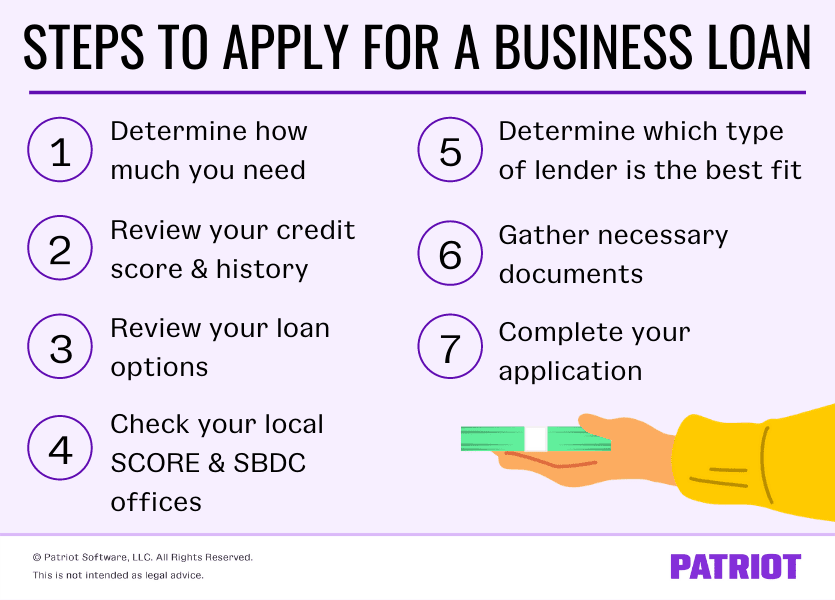
Before you even start gathering documents, identify the type of loan that best fits your business needs. Options include:
- Term Loans: Lump sum, repaid over a fixed period with interest.
- Lines of Credit: Flexible access to funds up to a certain limit, repaid as used.
- SBA Loans: Government-backed loans with favorable terms, requiring extensive documentation.
- Equipment Loans: Specific financing for purchasing machinery or equipment.
- Invoice Factoring/Financing: Utilizing outstanding invoices for immediate cash.
- Merchant Cash Advances: High-cost, short-term financing based on future sales.
Each type has different requirements, interest rates, and repayment structures. Researching and selecting the appropriate loan type demonstrates foresight and a clear understanding of your financial strategy.
Assembling Your Application Package: Organization is Key
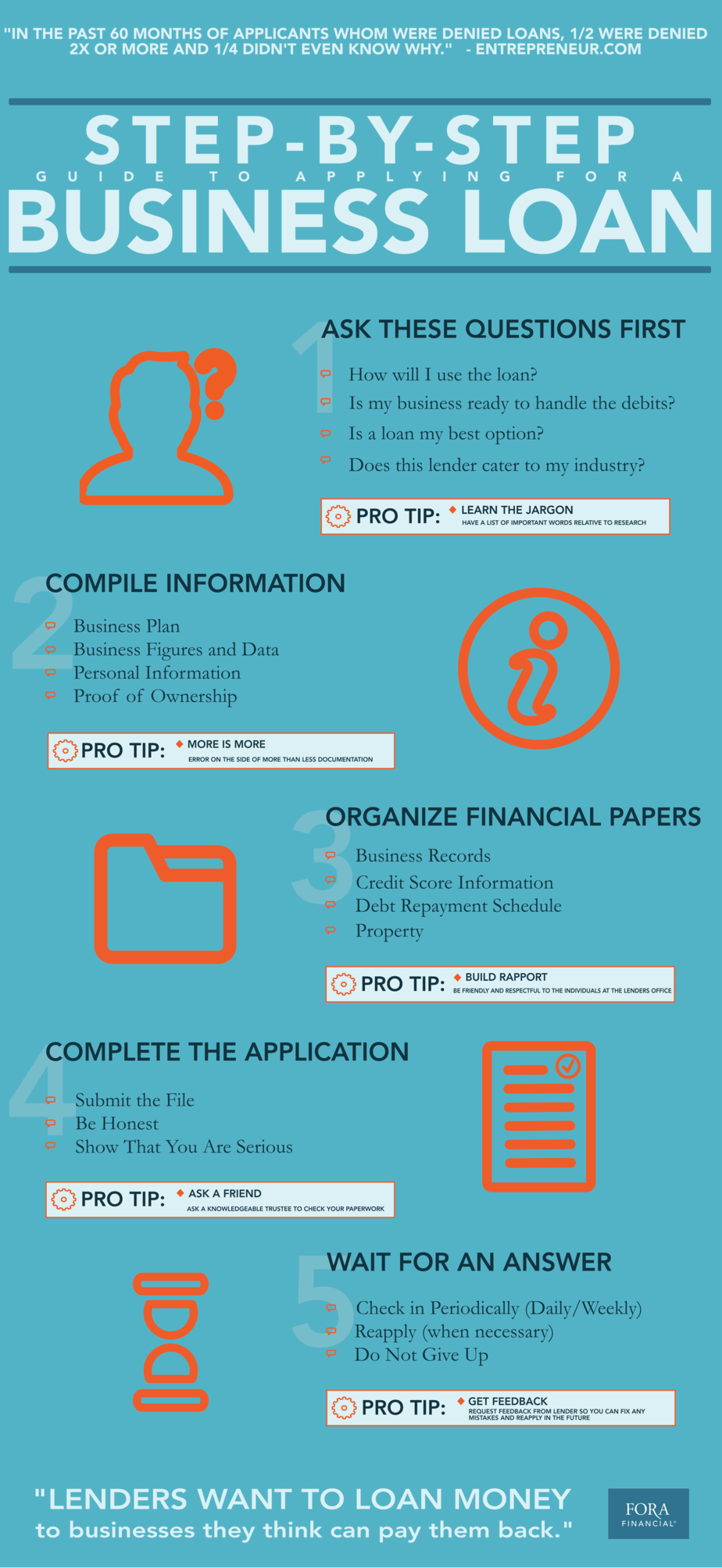
Once you know what you need, organize everything meticulously. Use folders, digital files, and clear labels. Create a checklist and tick off each item. An organized application package signals attention to detail and makes the lender’s job easier, which can reflect positively on your business. Consider compiling a professional table of contents for larger applications.
Professional Presentation and Clarity: Making a Good Impression
Beyond organization, ensure that all documents are legible, up-to-date, and presented professionally. Avoid handwritten notes where typed documents are expected. Proofread everything for errors. Your application is a representation of your business; a messy, error-filled application can suggest a lack of professionalism in your operations.
Seeking Professional Guidance: When to Ask for Help
If the process seems overwhelming, don’t hesitate to seek professional guidance. Accountants can help prepare financial statements and projections. Business consultants can assist with refining your business plan and ensuring your application is robust. Even a trusted mentor can provide valuable insights. Investing in professional help can significantly improve your chances of securing the loan and free you up to focus on running your business.
Conclusion
Obtaining a business loan is a comprehensive process that demands careful preparation, financial transparency, and a compelling narrative of your business’s potential. By understanding the lender’s perspective, diligently assembling your core financial requirements, providing essential business documentation, and being prepared for personal guarantees and collateral, you significantly increase your likelihood of success. Treat the application process as seriously as you treat your business operations, for it is often the gateway to achieving your next stage of growth. With meticulous planning and a well-articulated strategy, you can confidently navigate the path to securing the capital your business needs to thrive.
aViewFromTheCave is a participant in the Amazon Services LLC Associates Program, an affiliate advertising program designed to provide a means for sites to earn advertising fees by advertising and linking to Amazon.com. Amazon, the Amazon logo, AmazonSupply, and the AmazonSupply logo are trademarks of Amazon.com, Inc. or its affiliates. As an Amazon Associate we earn affiliate commissions from qualifying purchases.