
Embarking on the journey to launch your own marketing business is an exciting venture, brimming with potential for financial independence and professional fulfillment. In an increasingly digital and competitive landscape, businesses of all sizes constantly seek expert guidance to stand out, attract customers, and drive growth. This demand creates a fertile ground for savvy entrepreneurs to build a thriving marketing agency or consultancy. However, success isn’t solely about marketing prowess; it’s equally, if not more, about robust financial planning, astute business management, and a clear path to profitability. This guide will navigate the essential steps to establishing a marketing business with a strong financial foundation, focusing on the monetary decisions and strategies that underpin long-term success.
The Entrepreneurial Foundation: Planning for Profit
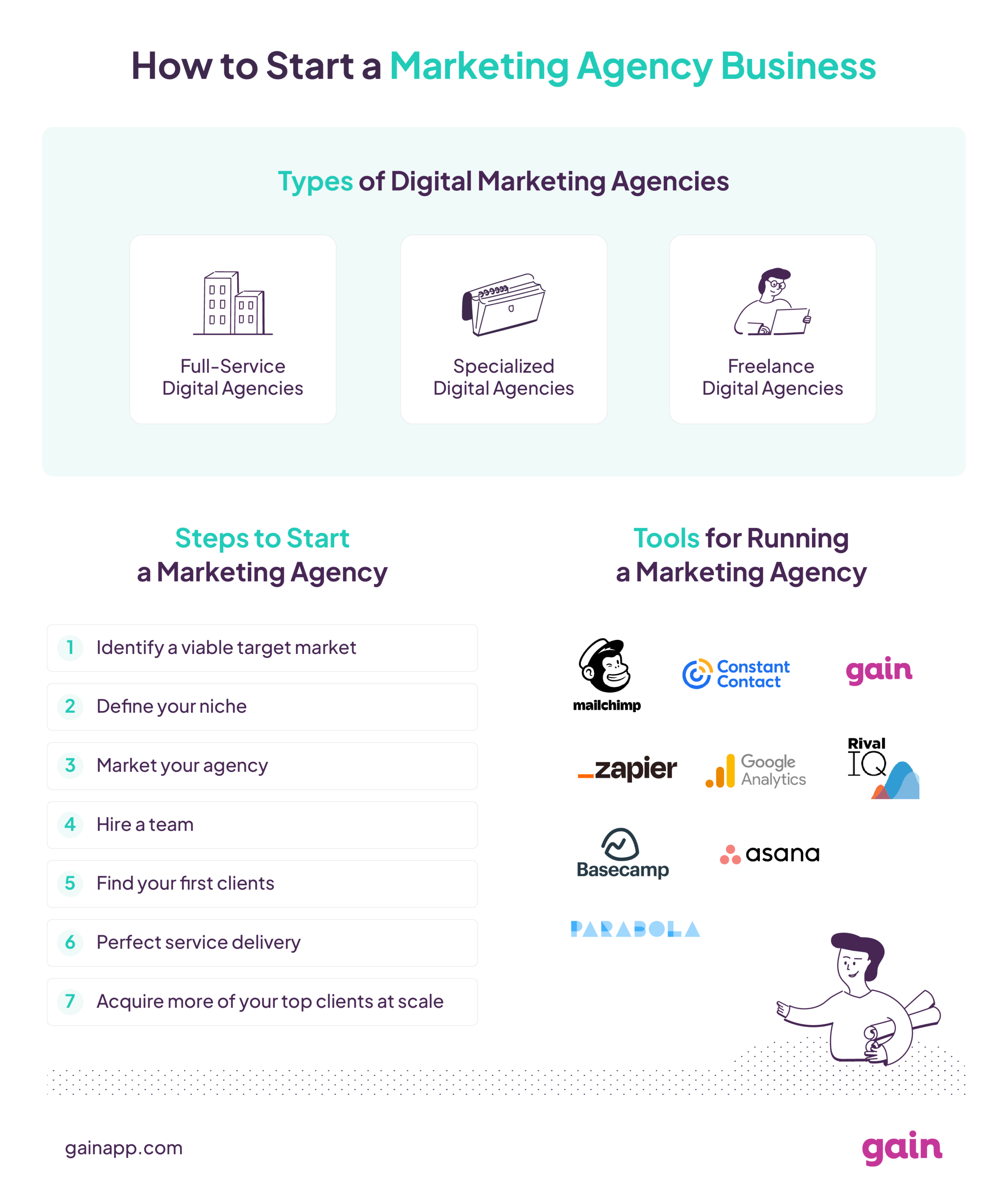
Every successful business begins with a meticulously crafted plan, and a marketing agency is no exception. This foundational stage is critical for defining your financial aspirations and mapping out the economic viability of your venture. It’s where you translate passion into a structured, profitable enterprise.
Defining Your Financial Vision & Niche
Before you even consider services, contemplate your financial goals. What income do you aim to generate? What are your personal and business financial needs? Answering these questions will influence your service offerings and pricing strategies. Simultaneously, identifying a niche isn’t just a marketing tactic; it’s a financial imperative. Specializing in a particular industry (e.g., SaaS startups, e-commerce, healthcare) or a specific service (e.g., SEO for local businesses, content marketing for B2B, paid social for D2C brands) allows you to command higher fees due to your specialized expertise. It also enables more efficient client acquisition, reducing marketing costs for your own business. Understanding the market size of your chosen niche and the average budget clients allocate for marketing services within that niche will provide crucial financial insights, informing your revenue projections and service scalability.
Developing a Comprehensive Business Plan
A business plan is your financial blueprint. For a marketing business, this document should detail your startup costs (e.g., legal fees, initial software subscriptions, branding), operational expenses (e.g., salaries, rent, recurring software, insurance), and, most importantly, your financial projections. These projections include revenue forecasts, cash flow statements, profit and loss statements, and a break-even analysis. A realistic break-even point tells you how much revenue you need to generate to cover all your costs, providing a tangible financial target. This plan isn’t just for attracting investors; it’s a living document that guides your financial decisions, helping you anticipate challenges and capitalize on opportunities. It forces a rigorous financial assessment of your business model before significant capital is committed.
Legal & Administrative Setup
Establishing the legal structure of your marketing business is a fundamental financial decision with implications for liability, taxation, and administrative overhead. Options like a Sole Proprietorship, LLC (Limited Liability Company), S-Corp, or C-Corp each carry distinct advantages and disadvantages. For example, an LLC offers personal liability protection, separating your personal assets from business debts, which is a significant financial safeguard. Research the costs associated with business registration, obtaining necessary licenses and permits, and securing business insurance (e.g., professional liability, general liability). These initial administrative expenses are essential investments in protecting your business and ensuring compliance, preventing potentially costly legal issues down the line.
Securing Capital and Managing Initial Investments
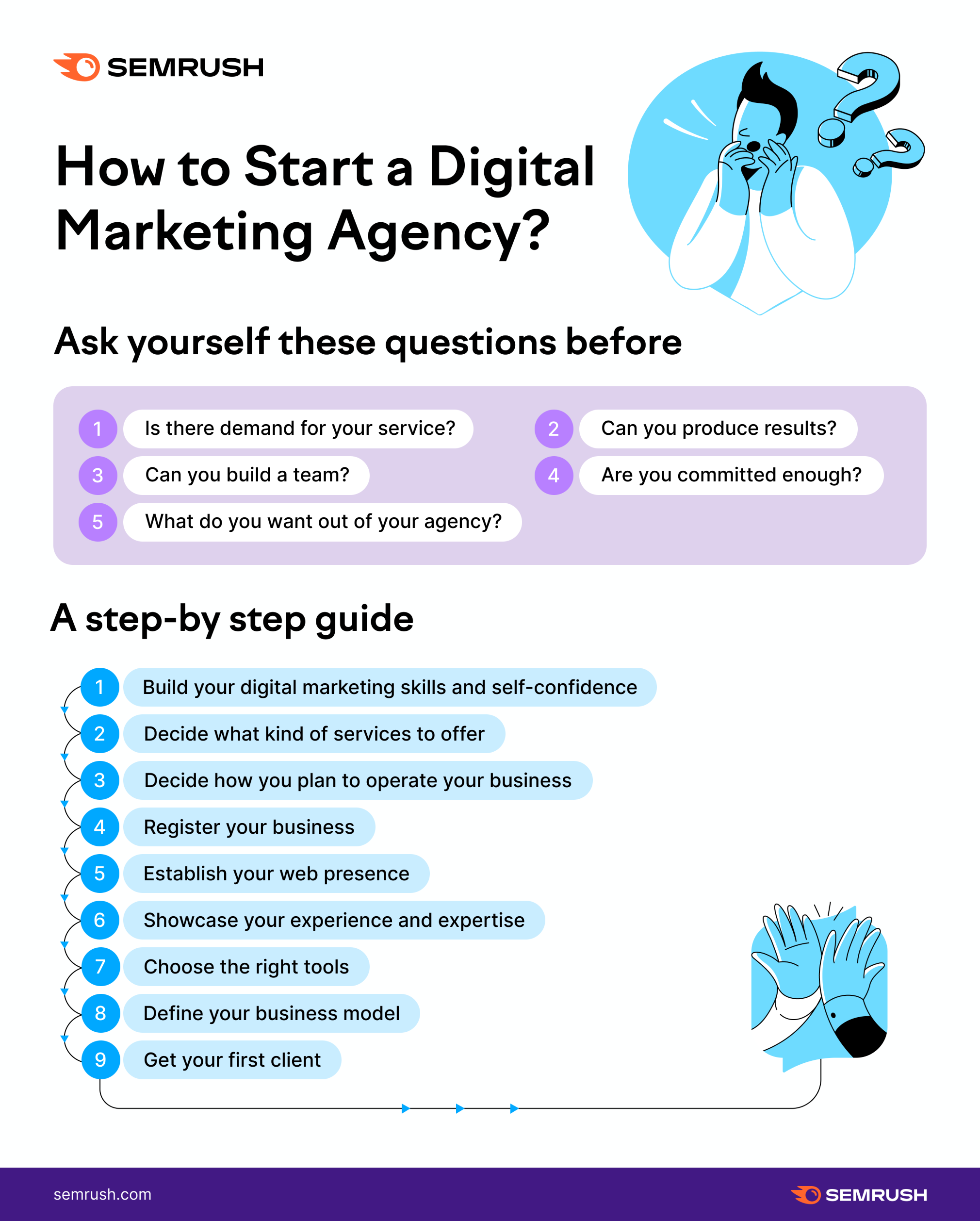
Launching any business requires capital, and a marketing agency is no different. While many marketing businesses can start with relatively low overhead compared to product-based businesses, strategic financial planning around startup capital and initial investments is paramount.
Funding Sources for Startups
Understanding your funding options is crucial. Many marketing entrepreneurs start by bootstrapping, self-funding their operations through personal savings or initial client payments. This minimizes debt but requires careful cash flow management. Other options include small business loans from banks or credit unions, which often require a solid business plan and collateral. Government grants may be available for specific types of businesses or entrepreneurs, offering non-repayable funds. For high-growth potential agencies, venture capital or angel investors might be an option, though this typically involves giving up equity in exchange for significant funding. Each funding route has distinct financial implications concerning interest rates, repayment schedules, equity dilution, and financial covenants, all of which must be carefully weighed.
Smart Budgeting for Startup Costs
Every dollar spent in the early stages should be an investment with a clear return in mind. Prioritize essential software subscriptions for project management, CRM, analytics, and accounting. While cutting-edge tools are enticing, start with cost-effective solutions and upgrade as revenue grows. Allocate funds for professional branding (logo, website, initial content) as this directly impacts your ability to attract paying clients. Consider where you can minimize initial fixed costs; for instance, opting for a co-working space or home office initially instead of a dedicated commercial lease can save significant monthly expenses. The goal is to maximize your runway – the amount of time your business can operate before running out of cash – by spending judiciously on items that directly contribute to revenue generation.
Establishing Financial Systems
From day one, implement robust financial systems. This includes setting up separate business bank accounts and credit cards to clearly delineate personal and business finances, simplifying accounting and tax preparation. Integrate payment gateways (e.g., Stripe, PayPal) that are reliable, secure, and cost-effective for receiving client payments. Choose accounting software (e.g., QuickBooks, Xero) that fits your budget and offers features for invoicing, expense tracking, and financial reporting. Proactive financial organization saves time, reduces errors, and provides critical insights into your business’s monetary health.
Crafting a Profitable Pricing Strategy
Pricing your marketing services effectively is perhaps the most direct determinant of your business’s profitability. It’s a delicate balance between attracting clients, covering your costs, and ensuring a healthy profit margin for your expertise and effort.
Understanding Your Cost of Doing Business
Before setting prices, you must accurately calculate your cost of doing business. This isn’t just about direct labor; it includes all overheads: software subscriptions, office space (even virtual), insurance, professional development, and even your own desired salary. Divide your total monthly expenses by the number of billable hours you or your team can realistically dedicate to clients. This provides your effective hourly rate, indicating the minimum you must charge just to break even. Understanding this baseline is crucial for setting prices that are sustainable and profitable, rather than merely competitive.
Value-Based Pricing Models
Moving beyond hourly rates, which often undervalue expertise and efficiency, consider value-based pricing. This model focuses on the client’s perceived value and the tangible results your marketing services deliver (e.g., increased leads, higher conversion rates, improved brand awareness), rather than the time spent. Project-based fees offer a fixed price for a defined scope of work, providing predictability for both you and the client. Retainer models secure recurring monthly revenue for ongoing services, creating financial stability. Performance-based pricing, where a portion of your fee is tied to specific KPIs, can align your incentives with client success, potentially yielding higher returns if you deliver exceptional results. Each model carries different levels of financial risk and reward, requiring careful consideration based on your services and client needs.
Developing Your Service Packages
Structuring your offerings into tiered service packages can optimize revenue and streamline the sales process. For example, a “Starter,” “Growth,” and “Enterprise” package, each with a clear set of deliverables and a corresponding price point, allows clients to choose based on their budget and needs. This approach can help upsell clients to higher-value services and makes pricing transparent. Clearly articulating the financial benefits and ROI (Return on Investment) of each package will also justify your rates and help clients understand the tangible value they receive for their investment.
Generating Revenue and Scaling for Growth
With your financial foundation and pricing strategy in place, the focus shifts to consistently acquiring clients and scaling your operations to maximize revenue and profitability.
Client Acquisition as an Investment
Acquiring new clients isn’t just about sales; it’s a financial investment. Your own marketing efforts (e.g., website, content marketing, networking, paid advertising) require time and money. Calculate your Client Acquisition Cost (CAC) and compare it to the Lifetime Value (LTV) of a client. A healthy LTV:CAC ratio (typically 3:1 or higher) indicates a sustainable and profitable client acquisition strategy. Develop a sales pipeline that efficiently moves prospects through stages, from initial contact to signed contract, minimizing wasted effort and maximizing conversion rates. Tailored proposals that clearly articulate your services, pricing, and the expected financial returns for the client are essential for closing deals.
Building Recurring Revenue Streams
The financial stability of a marketing business often hinges on recurring revenue. Long-term retainer agreements for ongoing services (e.g., monthly SEO, social media management, content creation) provide predictable income, making financial forecasting and resource allocation significantly easier. Focus on delivering exceptional results and fostering strong client relationships to encourage renewals and referrals, which are often the most cost-effective forms of client acquisition. Diversifying your client base also mitigates financial risk, ensuring that the loss of one client doesn’t severely impact your overall revenue.
Financial Planning for Expansion
As your business grows, so will its financial complexities. Strategic reinvestment of profits is key to scaling. This might involve hiring additional staff to expand capacity, investing in advanced software tools to improve efficiency, or expanding your service offerings. Each expansion decision should be backed by a clear financial projection showing the potential ROI. Understand how adding team members impacts your payroll, benefits, and operational overheads. Consider when and how to potentially leverage financing for significant growth initiatives, ensuring that debt taken on is manageable and supports a clear path to increased profitability.
Sustaining Financial Health and Long-Term Success
Long-term success in a marketing business, or any business, isn’t just about initial launch and growth; it’s about maintaining stringent financial discipline and constantly adapting to economic realities.
Essential Financial Management Practices
Regular financial management is the bedrock of a healthy business. This includes consistent bookkeeping to track all income and expenses, performing monthly cash flow analyses to ensure liquidity, and generating profit and loss statements to assess profitability. Regularly review your balance sheet to understand your assets, liabilities, and equity. These practices provide invaluable insights into where your money is going, which services are most profitable, and where cost savings can be achieved. Consider engaging a professional accountant or bookkeeper, as their expertise can save you significant time and money in the long run, particularly during tax season.
Mitigating Financial Risks
Every business faces risks, and a marketing agency is no exception. Protect your financial health by having adequate business insurance to cover professional liability, general liability, and potentially cybersecurity risks. Establish an emergency fund to cover at least three to six months of operational expenses, providing a buffer against unexpected client losses or economic downturns. Carefully review and manage client contracts, ensuring clear payment terms, scope of work, and termination clauses to prevent disputes that can lead to financial losses. Diversifying your client portfolio is also a critical risk mitigation strategy; avoid over-reliance on a single large client.
Strategic Financial Review and Adaptation
The marketing landscape and broader economic environment are constantly evolving. Schedule quarterly or annual strategic financial reviews to assess your business’s performance against its goals. Are your pricing models still optimal? Are your operational costs under control? Are there new financial opportunities (e.g., passive income streams, new service offerings) to explore? Be prepared to adapt your financial strategies, adjust pricing, or even pivot your services in response to market changes or new economic realities. Continuous financial analysis and proactive decision-making are essential for ensuring the sustained profitability and long-term viability of your marketing business.
Starting a marketing business is a journey that requires not only creative vision and strategic marketing expertise but also a robust understanding of financial management and entrepreneurial acumen. By meticulously planning your finances, strategically managing capital, optimizing your pricing, and maintaining diligent financial practices, you lay the groundwork for a marketing agency that is not only creatively successful but also financially resilient and highly profitable. The path to building a thriving marketing business is paved with smart financial decisions at every turn.
aViewFromTheCave is a participant in the Amazon Services LLC Associates Program, an affiliate advertising program designed to provide a means for sites to earn advertising fees by advertising and linking to Amazon.com. Amazon, the Amazon logo, AmazonSupply, and the AmazonSupply logo are trademarks of Amazon.com, Inc. or its affiliates. As an Amazon Associate we earn affiliate commissions from qualifying purchases.