
Embarking on the journey of entrepreneurship can be daunting, but the digital marketplace offers unprecedented opportunities for generating income and building wealth. Among these, Amazon stands as a colossal platform, presenting a fertile ground for aspiring business owners. For those focused on financial prosperity, understanding how to leverage Amazon for online income, side hustles, and substantial business finance growth is paramount. This guide provides a comprehensive, financially-centric roadmap to establishing and scaling a successful Amazon business, dissecting the monetary considerations at every turn.
Understanding Amazon’s Ecosystem: Pathways to Profit
Venturing into Amazon’s vast marketplace requires a clear understanding of its operational models and the associated financial implications. Your choice of business model will directly impact your initial investment, operational costs, and ultimately, your potential for profit.
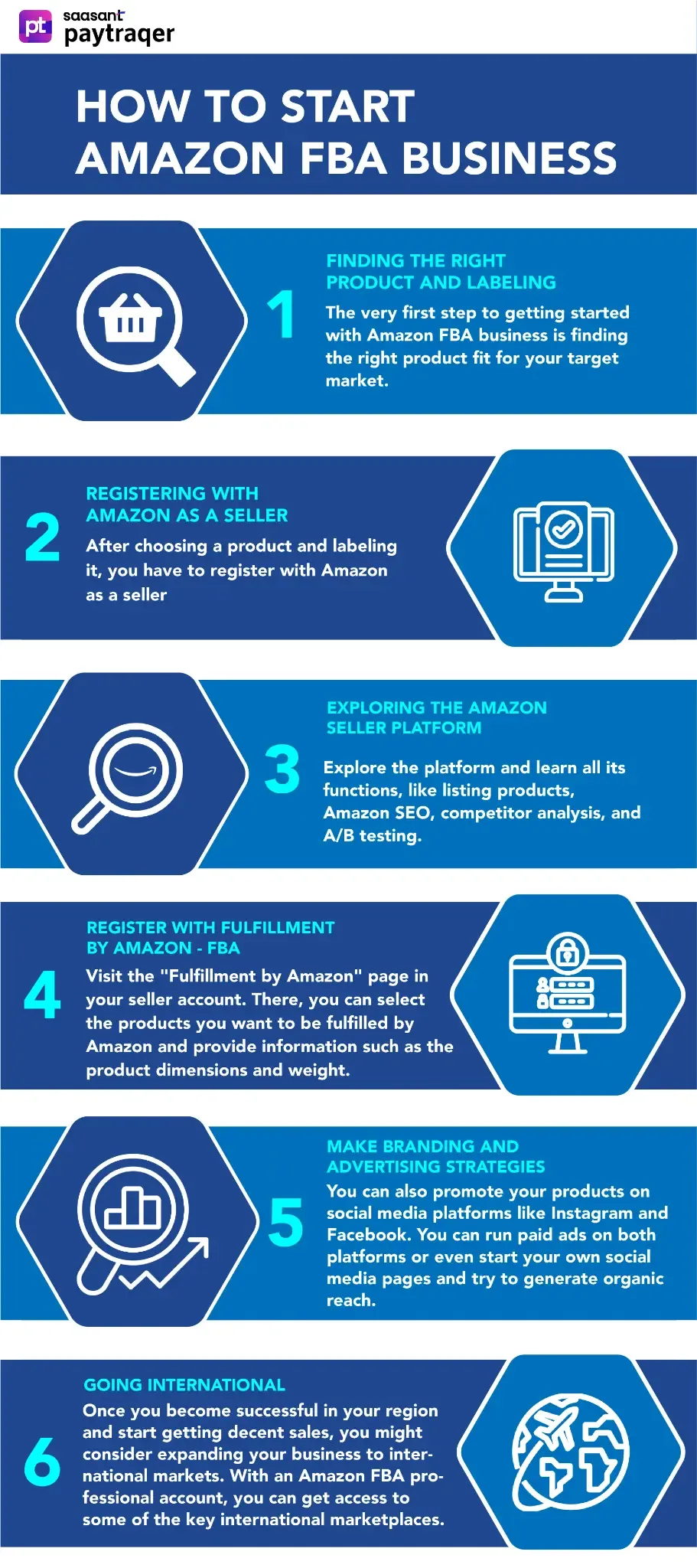
Exploring Diverse Amazon Business Models
Amazon offers several avenues for sellers, each with distinct financial profiles and operational demands. The two primary fulfillment methods are Fulfillment by Amazon (FBA) and Fulfillment by Merchant (FBM), but the underlying business models span a wider spectrum.
- Retail Arbitrage: This involves purchasing products at a discount from retail stores (online or brick-and-mortar) and reselling them on Amazon for a profit. The financial appeal lies in its low barrier to entry and minimal upfront investment. You’re leveraging price discrepancies, making it an excellent option for a side hustle or initial foray into online income. However, scalability can be limited, and consistent sourcing of profitable deals requires significant time investment. Profit margins often rely on quick turnover and volume.
- Online Arbitrage: Similar to retail arbitrage, but sourcing occurs entirely online. This method offers greater efficiency in product discovery through specialized software and can be more scalable, allowing for bulk purchases from online discounters. Financially, it still requires minimal inventory investment compared to other models, and the focus remains on capturing short-term profit opportunities.
- Wholesale: This model involves purchasing products in bulk directly from brands or authorized distributors at wholesale prices and reselling them on Amazon. The financial advantage here is consistency; once a profitable product and supplier relationship are established, recurring orders are possible. It requires a larger initial capital outlay for inventory but typically offers more stable profit margins and reduced risk compared to arbitrage. Building relationships and negotiating favorable terms are key to optimizing financial returns.
- Private Label: This is arguably the most financially rewarding in the long run, though it demands the highest initial investment and strategic foresight. It involves creating your own brand and products, manufacturing them (often inexpensively overseas), and selling them exclusively under your label on Amazon. The financial benefits include higher profit margins, brand equity, and greater control over pricing and marketing. However, it necessitates significant capital for product development, manufacturing, branding, and launch marketing. Success hinges on thorough market research to identify profitable niches with unmet demand and effectively managing intellectual property.
Initial Investment and Risk Assessment
Regardless of the chosen model, every Amazon venture requires capital. A crucial first step is a thorough financial assessment of your available funds and an honest appraisal of the risks involved.
- Startup Costs: These vary dramatically. Retail/online arbitrage might require a few hundred to a couple of thousand dollars for initial product purchases and Amazon seller fees. Wholesale typically demands several thousand to tens of thousands for bulk inventory. Private label, with its manufacturing and branding requirements, can easily run into five figures or more. Factor in costs for professional seller accounts, product research tools, initial marketing/advertising, and potential legal/tax advice.
- Operating Capital: Beyond initial inventory, you’ll need funds to cover ongoing expenses such as Amazon fulfillment fees (FBA storage, picking, packing, shipping), referral fees, advertising costs (PPC campaigns), returns processing, and potentially software subscriptions. Underestimating operating capital is a common financial pitfall.
- Risk Mitigation: Understand that not every product will be a bestseller, and market conditions can shift rapidly. Diversifying your product portfolio, starting small, and maintaining a healthy emergency fund are sound financial strategies. For private label, consider intellectual property protection from the outset to safeguard your financial investment in branding. Insurance for inventory and liability should also be considered as part of your financial planning.
Product Selection and Sourcing: The Foundation of Financial Success
The cornerstone of any profitable Amazon business lies in intelligent product selection and cost-effective sourcing. This stage directly dictates your revenue potential, profit margins, and inventory turnover rate – all critical financial indicators.
Identifying High-Profit Niches and Demand
Success on Amazon isn’t just about finding any product; it’s about finding profitable products that meet existing demand without excessive competition. This requires diligent financial analysis and market research.
- Market Research Tools: Utilize specialized software (e.g., Jungle Scout, Helium 10, Viral Launch) to identify product categories with strong sales velocity, healthy average selling prices, and manageable competition. These tools provide data on estimated monthly sales, revenue, average review counts, and keyword search volumes – all crucial for assessing financial viability.
- Profitability Metrics: Focus on products that offer a healthy profit margin after all Amazon fees, shipping costs, and cost of goods sold (COGS). A good rule of thumb is to aim for at least 20-30% net profit margin, though this can vary by category. Products with a higher selling price generally have more room for profit after fixed fees.
- Demand vs. Competition: Seek out products with high demand but relatively low competition. This “sweet spot” minimizes the need for aggressive (and costly) advertising to gain visibility. Analyze competitor listings, review counts, and pricing strategies to gauge market saturation. Avoid “fad” products unless you have a clear exit strategy, as their financial lifespan can be short.
Strategic Sourcing and Supplier Negotiation
Your cost of goods sold (COGS) is a primary determinant of your profit margin. Therefore, efficient and strategic sourcing is critical for financial success.
- Supplier Vetting: For wholesale and private label, thoroughly vet potential suppliers for reliability, quality, and pricing. Request samples to verify product quality before committing significant capital. Compare quotes from multiple suppliers to ensure you’re getting the most competitive price.
- Negotiating Favorable Terms: Don’t hesitate to negotiate. For larger orders, discuss unit price reductions, payment terms (e.g., a percentage upfront, balance upon shipment), and lead times. A slight reduction in COGS can dramatically boost your overall profitability, especially at scale.
- Shipping & Logistics Costs: Factor in all shipping costs, including freight from your supplier to Amazon’s fulfillment centers (or your own warehouse). For international sourcing, understand customs duties, tariffs, and potential port fees. These hidden costs can significantly erode your profit margins if not accurately calculated upfront. Consider using freight forwarders to optimize these expenses.
Calculating Potential Profit Margins
Before committing to any product, meticulously calculate its potential profit margin. This is a non-negotiable step in sound financial planning.
- Comprehensive Cost Analysis: Include every single cost: COGS, inbound shipping, Amazon referral fees, FBA fulfillment fees (picking, packing, weight-based), storage fees, marketing costs (PPC campaigns, promotions), and a buffer for returns/damaged goods.
- Revenue Projection: Based on your target selling price and estimated sales volume (derived from market research), project your potential monthly revenue.
- Net Profit Calculation: Subtract all estimated costs from your projected revenue to arrive at your net profit. This figure will inform your pricing strategy and help you determine if a product is truly financially viable. Use Amazon’s FBA Revenue Calculator for quick estimates, but always build your own detailed spreadsheet for precision.
Navigating Amazon’s Financial Landscape: Fees, Pricing, and Profitability
Operating an Amazon business means playing by Amazon’s rules, which include a complex structure of fees. Mastering these, alongside strategic pricing and inventory management, is essential for maximizing your financial returns.
Deconstructing Amazon Seller Fees
Amazon’s fee structure is multifaceted and can significantly impact your bottom line. Understanding and accounting for each fee is crucial for accurate financial forecasting and profitability.
- Referral Fees: This is Amazon’s commission on each sale, typically a percentage of the total sales price (including shipping) and varies by product category (usually 8% to 15%). For example, electronics often have a 8% fee, while clothing can be 17%. These are non-negotiable and must be built into your pricing strategy.
- FBA Fulfillment Fees: If you use Fulfillment by Amazon, these fees cover the costs of picking, packing, and shipping orders, as well as customer service and returns processing. They are primarily based on the product’s size and weight. Larger and heavier items incur higher FBA fees.
- Monthly Storage Fees: Amazon charges for inventory stored in its fulfillment centers. These fees are calculated per cubic foot and vary based on the time of year (higher during peak holiday season, October-December). Long-term storage fees apply to inventory that sits unsold for extended periods (over 271 days), emphasizing the financial importance of inventory turnover.
- Optional Fees: Be aware of other potential costs such as advertising fees (Pay-Per-Click campaigns), returns processing fees, labeling services, and removal order fees (if you need Amazon to dispose of or return unsold inventory). Each of these directly impacts your financial performance.
Strategic Pricing for Competitive Advantage
Pricing your products effectively is a delicate balance between maximizing profit and remaining competitive. Your pricing strategy directly influences sales volume and, consequently, your overall revenue and net income.
- Cost-Plus Pricing: A foundational approach where you calculate all costs associated with a product and then add a desired profit margin to determine the selling price. This ensures you cover expenses and achieve a predetermined financial gain.
- Competitive Pricing: Research competitor pricing for similar products. While you shouldn’t necessarily undercut everyone, understanding the market average helps you position your product effectively. Be wary of price wars that can quickly erode profit margins for all sellers.
- Value-Based Pricing: If your product offers unique features, superior quality, or a strong brand identity (especially in private label), you can command a higher price point. This strategy focuses on the perceived value to the customer, allowing for greater financial returns.
- Dynamic Pricing & Repricers: The Amazon marketplace is highly dynamic. Using automated repricing tools can help you adjust prices based on competitor movements, sales velocity, and inventory levels, ensuring you remain competitive while optimizing profit potential. This is a crucial financial tool for maximizing revenue in real-time.
Mastering Inventory Management for Cost Efficiency
Inefficient inventory management is a significant financial drain for Amazon sellers. Holding too much stock incurs high storage fees, while too little leads to lost sales and potential ranking drops.
- Just-In-Time Inventory: Aim to maintain optimal stock levels to avoid excessive storage fees while preventing stockouts. This requires accurate sales forecasting and reliable supplier relationships. Every dollar tied up in stagnant inventory is a dollar not working for your business.
- Sales Forecasting: Analyze historical sales data, seasonality, and market trends to accurately predict future demand. This allows you to order the right quantity of products at the right time, minimizing both storage costs and lost sales opportunities.
- Liquidation Strategies: If you find yourself with excess or slow-moving inventory, have a plan to liquidate it quickly, even if at a reduced profit. This might involve running promotions, advertising campaigns, or even creating removal orders. Holding onto unprofitable inventory is a continuous financial burden.
- Cash Flow Management: Inventory purchases are a major outlay. Ensure you have sufficient cash flow to cover large orders, especially if dealing with overseas suppliers with long lead times. Poor cash flow management can cripple an otherwise profitable business.
Scaling Your Amazon Business: Reinvesting for Long-Term Wealth
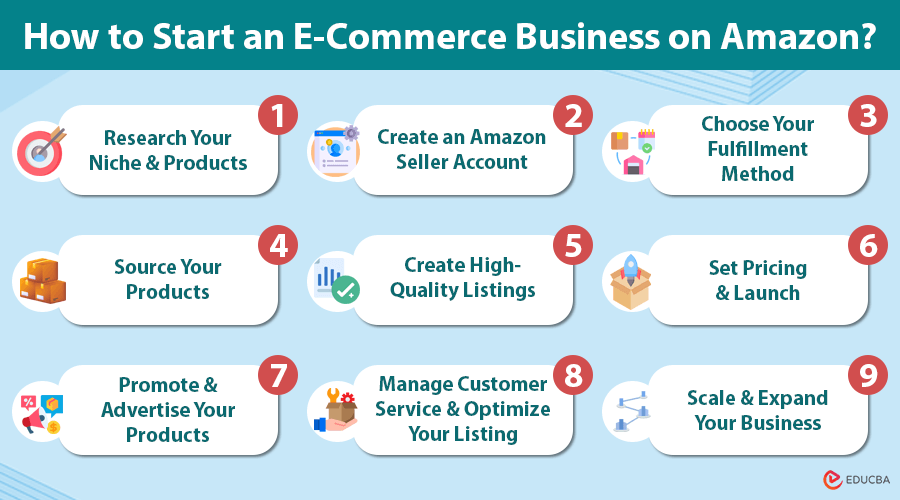
The initial success on Amazon is just the beginning. True financial prosperity comes from strategically scaling your business, reinvesting profits wisely, and continuously monitoring your financial health to ensure sustainable growth and wealth accumulation.
Monitoring Financial Performance and Key Metrics
To make informed decisions for growth, you must continuously track and analyze your financial performance. This moves beyond mere sales figures to deeply understand profitability.
- Key Performance Indicators (KPIs): Focus on metrics like net profit margin, return on investment (ROI) for specific products and advertising campaigns, inventory turnover rate, average order value, and customer acquisition cost. These KPIs provide a clear picture of your financial health.
- Profit and Loss (P&L) Statements: Regularly generate detailed P&L statements to understand your revenues, cost of goods sold, operating expenses, and ultimately, your net profit over specific periods. This is fundamental business finance practice.
- Cash Flow Statements: Monitor your cash inflows and outflows to ensure liquidity. A profitable business can still fail if it runs out of cash, especially during periods of heavy inventory investment or slow payment cycles.
- Financial Software & Spreadsheets: Utilize accounting software (e.g., QuickBooks, Xero) or robust spreadsheets to track all income and expenses. Integrating with Amazon’s reporting tools can automate much of this data collection, giving you a real-time financial dashboard.
Reinvesting Profits for Growth and Expansion
The disciplined reinvestment of profits is a cornerstone of scaling an Amazon business and building long-term wealth.
- Product Line Expansion: Reinvesting in new product development (for private label) or expanding into new wholesale/arbitrage niches can diversify your income streams and reduce reliance on a single product. This mitigates financial risk and opens new avenues for growth.
- Increased Inventory: As sales grow, you’ll need more inventory. Reinvesting profits into larger purchase orders can often unlock better unit pricing from suppliers, further boosting your profit margins through economies of scale.
- Marketing & Advertising: Allocate a portion of your profits to more aggressive marketing campaigns, both on and off Amazon. Effective advertising can significantly increase sales velocity, leading to higher revenue and greater market share. Focus on campaigns with a clear positive ROI.
- Process Optimization & Tools: Invest in tools and services that streamline operations, such as advanced repricers, inventory management systems, or virtual assistants for repetitive tasks. While an expense, these investments can improve efficiency, reduce labor costs, and free up your time for strategic financial planning.
Mitigating Risks and Ensuring Financial Sustainability
Sustained financial success requires continuous risk assessment and strategic planning to navigate market shifts and potential challenges.
- Diversification: Beyond product diversification, consider diversifying your sales channels beyond Amazon. Exploring your own e-commerce website, other marketplaces, or even brick-and-mortar opportunities can create additional revenue streams and reduce dependence on a single platform.
- Emergency Fund: Always maintain a financial buffer to absorb unexpected costs, such as increased shipping fees, supplier issues, or temporary sales downturns. This financial resilience is vital for weathering market fluctuations.
- Tax Planning: Understand your tax obligations as an online business owner. Consult with a tax professional to ensure compliance, identify potential deductions, and plan for quarterly estimated taxes. Proper tax planning minimizes financial surprises and maximizes your net take-home income.
- Continuous Learning: The Amazon landscape is constantly evolving, with new policies, tools, and competitive strategies emerging regularly. Stay informed about changes that could impact your financial operations. Continuous learning ensures your business model remains robust and adaptable, securing your long-term financial future.
Starting a business on Amazon is a journey rooted in astute financial management. From initial investment and product selection to navigating fees, optimizing profits, and strategic scaling, every decision has a monetary consequence. By adopting a disciplined, financially-focused approach, aspiring entrepreneurs can effectively harness the power of Amazon to cultivate a thriving online income stream, build significant business finance, and achieve lasting financial independence.
aViewFromTheCave is a participant in the Amazon Services LLC Associates Program, an affiliate advertising program designed to provide a means for sites to earn advertising fees by advertising and linking to Amazon.com. Amazon, the Amazon logo, AmazonSupply, and the AmazonSupply logo are trademarks of Amazon.com, Inc. or its affiliates. As an Amazon Associate we earn affiliate commissions from qualifying purchases.