
Launching a startup is an exhilarating journey, filled with innovative ideas, relentless effort, and the dream of building something impactful. Yet, for many aspiring entrepreneurs, the most daunting hurdle often isn’t the competition or market validation, but securing the necessary capital to transform their vision into a tangible reality. Startup business loans, distinct from established business financing, present a unique set of challenges and opportunities. Lenders typically view startups as higher risk due to their lack of operating history, established revenue streams, and proven track record. However, with meticulous preparation, a clear understanding of the financial landscape, and a strategic approach, securing the funding your startup needs is entirely achievable. This comprehensive guide will navigate the intricacies of obtaining a startup business loan, empowering you with the knowledge and tools to confidently pursue your financial goals.
Understanding the Startup Funding Landscape
Before diving into specific loan types, it’s crucial to grasp the unique environment surrounding startup financing. The initial stages of a business are often characterized by significant upfront costs and minimal, if any, revenue, making traditional lending difficult.
The Unique Challenges of Startup Financing
Startups inherently face an uphill battle when seeking financing. Without a history of profitability, collateral, or a proven business model, conventional lenders see them as high-risk propositions. This often leads to stricter eligibility criteria, higher interest rates, or a complete lack of access to traditional bank loans in the very early stages. Many entrepreneurs initially rely on personal savings, friends and family, or small seed investments to get off the ground. Understanding these challenges from the lender’s perspective is the first step towards formulating a robust funding strategy. They are looking for clear signs of potential, a solid plan for repayment, and a dedicated team.
Why a Business Loan Matters for Growth
While alternative funding sources like venture capital or angel investors offer equity in exchange for capital, a business loan provides a distinct advantage: you retain full ownership and control of your company. A well-structured loan can provide the critical capital needed for various essential startup activities, including:
- Product Development: Funding for research, prototyping, and initial manufacturing.
- Marketing and Sales: Capital to reach your target audience and build a customer base.
- Operational Costs: Covering rent, utilities, salaries, and inventory during the initial growth phase.
- Working Capital: Ensuring day-to-day liquidity to manage cash flow fluctuations.
Accessing a loan can accelerate your growth trajectory, allowing you to scale operations, expand market reach, and invest in key talent without diluting your ownership stake.
Key Preparations Before Seeking a Loan
The adage “fail to prepare, prepare to fail” holds particularly true when seeking startup financing. Lenders are looking for a clear, convincing demonstration of your business’s viability and your capacity to manage debt.
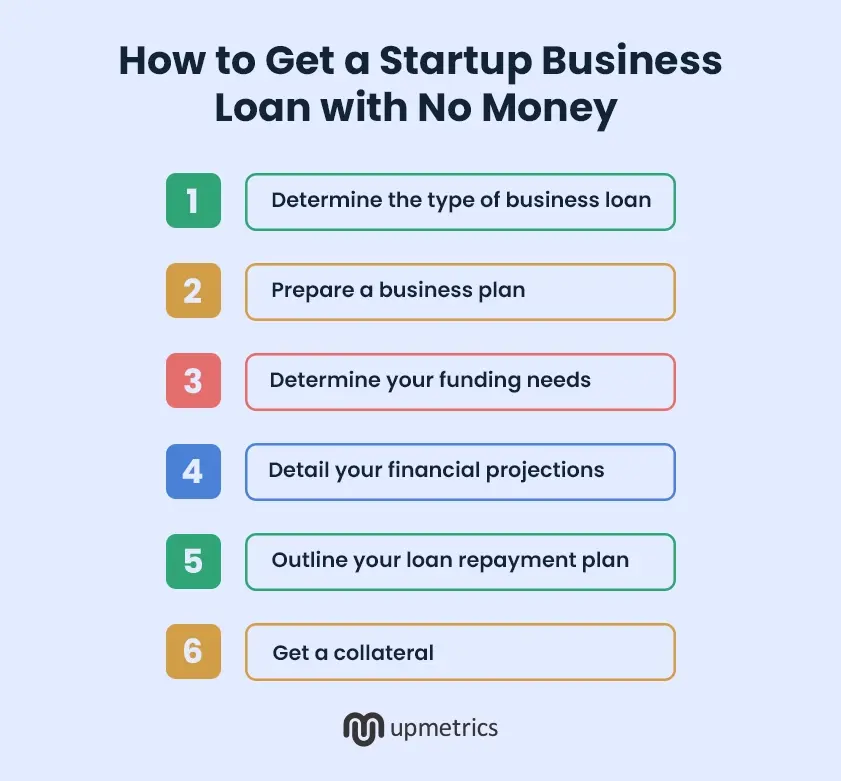
Crafting a Robust Business Plan
Your business plan is the cornerstone of your loan application. It’s not merely a document; it’s a detailed roadmap of your vision, strategy, and financial projections. A compelling business plan should include:
- Executive Summary: A concise overview of your business, its mission, products/services, target market, and financial highlights.
- Company Description: Legal structure, history (if any), and mission statement.
- Market Analysis: Detailed research on your industry, target market, customer segmentation, market size, trends, and competitive landscape. Demonstrate a clear understanding of where your business fits and how it will differentiate itself.
- Organization & Management: The legal structure of your business and the profiles of your management team. Highlight their relevant experience, expertise, and leadership qualities. Lenders often invest in the team as much as the idea.
- Service or Product Line: Detailed description of what you’re offering, its unique value proposition, development stage, and intellectual property.
- Marketing & Sales Strategy: How you plan to attract and retain customers, including pricing strategy, distribution channels, and promotional activities.
- Funding Request: A clear explanation of how much capital you need, how you intend to use it, and how it will contribute to your business’s profitability.
- Financial Projections: The most critical section for lenders. This includes projected income statements, balance sheets, and cash flow statements for at least the next 3-5 years. These projections must be realistic, well-researched, and supported by your market analysis.
Financial Projections and Due Diligence
Beyond the business plan, meticulous financial forecasting is paramount. Lenders want to see realistic and conservative estimates, not overly optimistic ones. Your projections should include:
- Break-Even Analysis: When your business is expected to start generating profit.
- Revenue Forecasts: Detailed estimates of sales based on market research and pricing strategy.
- Expense Budgets: Comprehensive breakdown of fixed and variable costs.
- Cash Flow Statements: Showing how money moves in and out of your business, demonstrating your ability to meet financial obligations.
Be prepared to defend every assumption in your financial model. Lenders will perform their own due diligence, scrutinizing your numbers for feasibility and consistency. Having your financial records, personal tax returns (especially for sole proprietors or partners), and any existing business contracts readily available will streamline this process.
Understanding Your Personal Credit Score
For startups, especially those without established business credit, your personal credit score (FICO score) will play a significant role. Lenders use it as an indicator of your financial responsibility and your likelihood of repaying debt. A strong personal credit score (typically 680 or higher) can significantly improve your chances of approval and secure more favorable loan terms. Before applying, obtain a copy of your credit report from all three major bureaus (Experian, Equifax, and TransUnion) and rectify any errors. Pay down personal debts and make timely payments to boost your score.
Exploring Diverse Startup Funding Options
The landscape of startup funding is broader than just traditional bank loans. Understanding the various options available allows you to choose the best fit for your business’s specific needs and stage of development.
Traditional Bank Loans and Lines of Credit
While challenging for true startups, traditional banks do offer loans, especially if you have a strong personal credit history, significant collateral, or a robust business plan demonstrating clear repayment capacity.
- Term Loans: A lump sum of money repaid over a fixed period with interest. These are often used for significant capital expenditures.
- Lines of Credit: A flexible borrowing option where you can draw funds as needed, up to a certain limit, and only pay interest on the amount borrowed. Useful for managing working capital.
Banks typically require collateral (assets that can be seized if you default) and a personal guarantee from the business owner, meaning you are personally liable for the debt.
Government-Backed Loans (e.g., SBA Loans)
The U.S. Small Business Administration (SBA) doesn’t lend money directly but guarantees a portion of loans made by participating lenders (banks and credit unions). This guarantee reduces the risk for lenders, making them more willing to provide financing to startups and small businesses that might not qualify for conventional loans.
- SBA 7(a) Loan Program: The most common SBA loan, offering flexible financing for a wide range of business purposes, including working capital, equipment, and real estate.
- SBA Microloan Program: Provides smaller loans (up to $50,000) for startups and small businesses, often with technical assistance.
- SBA Express Loans: Streamlined application process for smaller amounts, with faster turnaround times.
SBA loans often have lower down payments, longer repayment terms, and competitive interest rates compared to conventional loans, making them an excellent option for startups. However, they still require a solid business plan and good personal credit.
Alternative Lenders and Online Platforms
The rise of financial technology (fintech) has led to a proliferation of alternative lenders and online lending platforms. These lenders often have less stringent eligibility requirements and faster approval processes than traditional banks, making them a viable option for startups struggling to secure conventional financing.
- Online Lenders: Offer various products, including term loans, lines of credit, and merchant cash advances. They often use algorithms to assess creditworthiness, focusing on cash flow and other data points beyond just credit scores.
- Community Development Financial Institutions (CDFIs): Non-profit organizations focused on providing affordable financial services to underserved communities. They often offer small business loans with flexible terms and technical assistance.
- Peer-to-Peer (P2P) Lending: Platforms that connect borrowers directly with individual investors. While less common for significant startup loans, it can be an option for smaller amounts.
While generally more accessible, alternative lenders might come with higher interest rates or different fee structures. It’s crucial to thoroughly research and compare options.
Venture Capital and Angel Investment
While not technically “loans” in the traditional sense, venture capital (VC) and angel investors are crucial sources of startup funding that exchange equity for capital. Angel investors are high-net-worth individuals who invest their own money, often in early-stage startups, offering mentorship alongside funding. Venture capitalists are firms that invest institutional money, typically in high-growth companies with significant scalability potential, usually at later stages than angels. Both require a strong pitch deck, a clear exit strategy, and a compelling vision for market disruption and significant returns.
Crowdfunding as a Seed Option
Crowdfunding platforms (e.g., Kickstarter, Indiegogo, GoFundMe for donations; SeedInvest, Republic for equity) allow entrepreneurs to raise small amounts of money from a large number of people, often in exchange for pre-orders, rewards, or even equity. While it might not provide the entirety of a startup’s funding needs, it can serve as an excellent way to validate market interest, build initial traction, and secure seed capital, which can then make your business more attractive to traditional lenders or investors.
Bootstrapping and Personal Savings
Many successful startups begin by bootstrapping – funding the business primarily through personal savings, revenue generated from early sales, and minimal external capital. This approach forces financial discipline, encourages lean operations, and preserves equity. While not a “loan,” maximizing personal savings and generating early revenue should always be considered foundational to any startup’s funding strategy.
Navigating the Application Process and Beyond
Once you’ve identified potential funding sources, the application process requires attention to detail and a proactive approach.
Gathering Essential Documentation
Regardless of the lender, you’ll need a comprehensive set of documents to support your application. This typically includes:
- Your complete business plan and financial projections.
- Personal and business tax returns (past 2-3 years).
- Personal and business bank statements.
- Legal documents: Business registration, licenses, permits, articles of incorporation/organization.
- Resumes of key management team members.
- Collateral documentation (if applicable): Asset lists, appraisals.
- Personal financial statements.
Ensure all documents are organized, accurate, and up-to-date. Missing or inaccurate information can cause significant delays or even outright rejection.
The Importance of a Strong Pitch
If your application involves presenting to lenders or investors, your pitch is critical. Whether it’s a formal presentation or a conversation with a loan officer, you need to clearly articulate:
- The problem your business solves.
- Your unique solution and value proposition.
- Your target market and market opportunity.
- Your business model and revenue strategy.
- Your team’s expertise.
- How the loan will be used and how it will be repaid.
- Your passion and commitment.
Practice your pitch, anticipate questions, and be prepared to confidently discuss every aspect of your business.
Understanding Loan Terms and Conditions
Before signing any loan agreement, meticulously review all terms and conditions. Pay close attention to:
- Interest Rate (APR): Fixed vs. variable, and how it impacts your total cost of borrowing.
- Repayment Schedule: Monthly, quarterly, or other frequency, and the duration of the loan.
- Fees: Origination fees, closing costs, prepayment penalties, etc.
- Collateral Requirements: What assets are pledged to secure the loan.
- Covenants: Conditions or restrictions imposed by the lender (e.g., maintaining certain financial ratios, restrictions on additional debt).
- Personal Guarantee: Understand your personal liability.
If anything is unclear, do not hesitate to ask for clarification from the lender or consult with a financial advisor or attorney.
Maximizing Your Chances of Loan Approval
Securing a startup loan is competitive. Employing strategies to strengthen your application and present your business in the best possible light can significantly improve your odds.
Building a Strong Financial Profile
Beyond your personal credit score, demonstrating financial prudence is key. If your business has any existing revenue, show consistent positive cash flow. Maintain detailed financial records from day one. If you’ve invested personal capital into the business, document it thoroughly; this demonstrates your commitment. Having a well-managed personal budget and strong personal financial habits reflects positively on your ability to manage business finances.
Demonstrating Industry Expertise and Market Understanding
Lenders want to see that you and your team possess the necessary skills and knowledge to execute your business plan. Highlight your relevant experience, industry connections, and any previous successes. Provide solid market research that validates the demand for your product or service and demonstrates a clear path to customer acquisition. Showing that you understand your target market, your competitors, and the broader industry trends will instill confidence in lenders.

Seeking Professional Guidance
Navigating the world of business finance can be complex. Don’t hesitate to seek advice from professionals:
- Accountants: Can help you prepare accurate financial statements and projections.
- Business Advisors/Mentors: Offer guidance on refining your business plan and strategy.
- SBA Resource Partners: Organizations like SCORE, Small Business Development Centers (SBDCs), and Women’s Business Centers offer free or low-cost counseling and training.
- Loan Brokers: Can help you identify suitable lenders and packages, though ensure you understand their fee structure.
Professional guidance can not only refine your application but also provide valuable insights into managing your business finances effectively once the loan is secured.
In conclusion, obtaining a startup business loan is a journey that demands thorough preparation, strategic thinking, and persistence. By understanding the unique challenges of startup financing, meticulously preparing your business and financial documents, exploring the diverse range of funding options, and presenting your case effectively, you can significantly increase your chances of securing the capital needed to fuel your entrepreneurial dreams. Remember, a startup loan isn’t just about money; it’s an investment in your vision, your hard work, and your potential for future success.
aViewFromTheCave is a participant in the Amazon Services LLC Associates Program, an affiliate advertising program designed to provide a means for sites to earn advertising fees by advertising and linking to Amazon.com. Amazon, the Amazon logo, AmazonSupply, and the AmazonSupply logo are trademarks of Amazon.com, Inc. or its affiliates. As an Amazon Associate we earn affiliate commissions from qualifying purchases.