
Securing capital is often the most significant hurdle for small businesses, whether they are just starting out or looking to expand. While traditional bank loans can be challenging to obtain, the U.S. Small Business Administration (SBA) offers a lifeline through its various loan programs. These loans don’t come directly from the government; instead, the SBA guarantees a portion of loans made by commercial lenders, making it less risky for banks to lend to small businesses. Understanding the nuances of SBA loans and navigating the application process can unlock crucial funding that propels your business forward. This comprehensive guide will walk you through the journey of obtaining an SBA loan, from understanding your options to successfully securing the capital you need.
Understanding the Power of SBA Loans
Before diving into the application specifics, it’s vital to grasp what SBA loans entail and why they stand out as a preferred financing option for many entrepreneurs. They are not merely government handouts but carefully structured programs designed to stimulate economic growth by supporting small enterprises.
What Are SBA Loans?
At their core, SBA loans are conventional loans issued by banks, credit unions, and other financial institutions, but with a crucial difference: a portion of the loan is guaranteed by the Small Business Administration. This government guarantee significantly reduces the risk for lenders, making them more willing to approve loans for businesses that might not otherwise qualify for traditional financing. The SBA doesn’t lend money directly (except in disaster situations); rather, it sets guidelines for its participating lenders and guarantees a percentage of the loan amount if the borrower defaults. This arrangement means small businesses benefit from more favorable terms, while lenders gain confidence through reduced risk.
Why Choose an SBA Loan?
The advantages of SBA loans are numerous and compelling, making them an attractive option for various business needs.
- Lower Down Payments: Compared to conventional loans, SBA loans often require significantly smaller upfront capital contributions from the borrower, freeing up precious cash for other business operations.
- Longer Repayment Terms: SBA loans typically boast longer repayment periods, which translates into lower monthly payments. This can greatly improve a business’s cash flow and reduce the financial strain, especially during initial growth phases.
- Competitive Interest Rates: Because of the government guarantee, lenders often offer SBA loans with interest rates that are more favorable than those on standard commercial loans. These rates are usually tied to the prime rate plus a small spread.
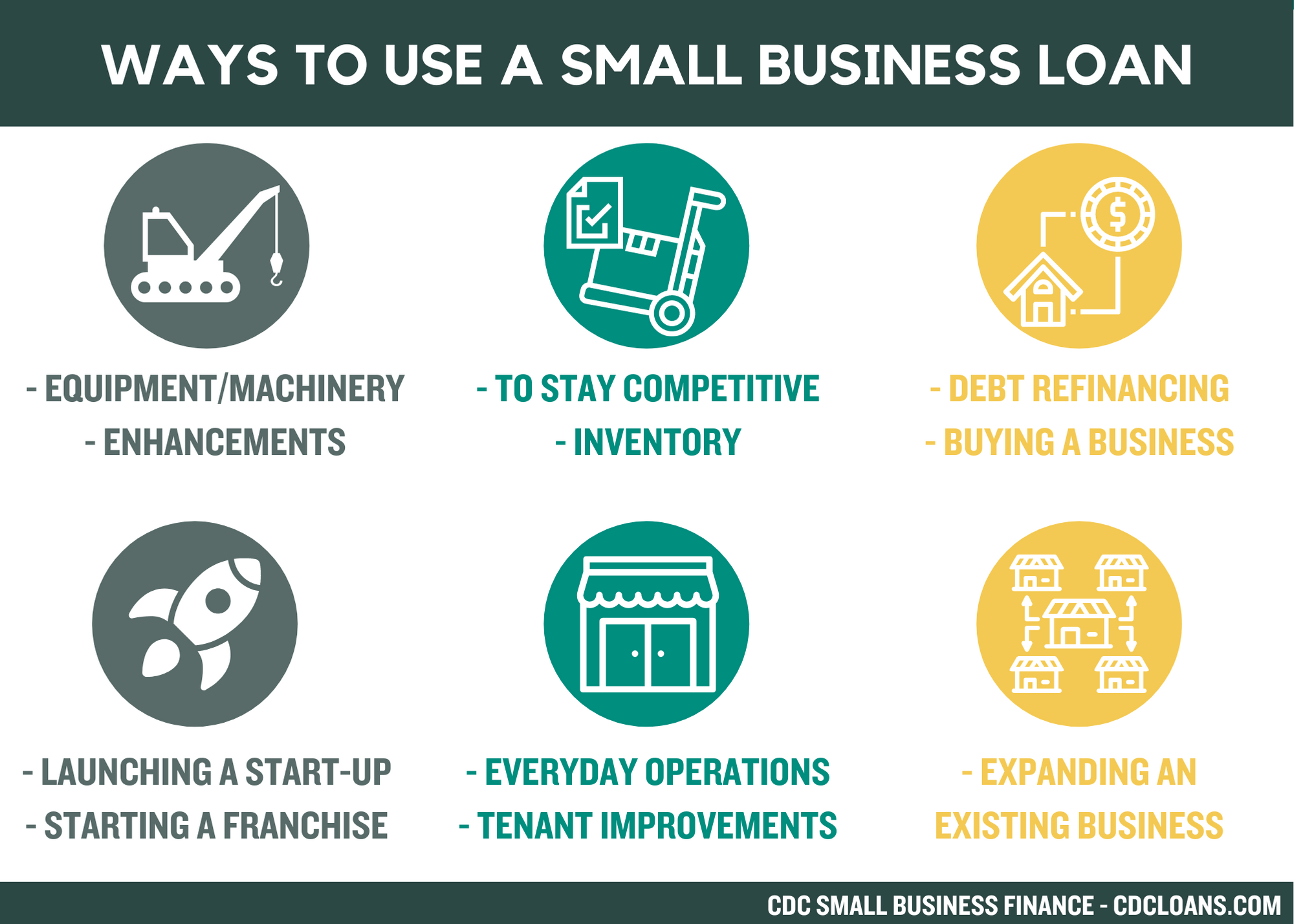
- Versatile Use of Funds: The capital secured through an SBA loan can be used for a wide array of business purposes, including working capital, purchasing inventory, buying equipment, real estate acquisition, business acquisition, and even refinancing existing debt under certain conditions.
- Accessibility for Diverse Businesses: SBA programs are designed to assist a broad spectrum of small businesses, including startups, established businesses looking to expand, and those in underserved markets.
Navigating the SBA Loan Programs
The SBA offers several distinct loan programs, each tailored to different business needs and circumstances. Understanding these programs is the first step in identifying the right fit for your business.
The Flagship: SBA 7(a) Loans
The SBA 7(a) loan program is the agency’s most popular and flexible offering. It provides financial assistance for a vast range of business purposes, from working capital to real estate purchases.
- Loan Amounts: Can range up to $5 million.
- Repayment Terms: Typically up to 10 years for working capital and equipment, and up to 25 years for real estate.
- Use Cases: Working capital, inventory, machinery and equipment, furniture and fixtures, leasehold improvements, business acquisition, debt refinancing, and real estate.
- Key Feature: Offers considerable flexibility, making it suitable for most general business financing needs.
Real Estate and Equipment: SBA 504 Loans
The SBA 504 loan program is specifically designed to facilitate the purchase of major fixed assets that promote business growth and job creation.
- Structure: These loans are provided by Certified Development Companies (CDCs) – non-profit corporations regulated by the SBA – in partnership with a private-sector lender (typically a bank). The project is generally financed with 50% from the bank, 40% from the CDC (backed by an SBA guarantee), and 10% from the borrower.
- Loan Amounts: Max loan amount from the CDC is $5 million (up to $5.5 million for manufacturing or specific energy projects).
- Repayment Terms: 10, 20, or 25 years.
- Use Cases: Purchase or construction of owner-occupied commercial real estate, land, new facilities, or long-term machinery and equipment. It cannot be used for working capital or inventory.
- Key Feature: Provides long-term, fixed-rate financing for major asset acquisitions, helping businesses conserve working capital.
Small Sums, Big Impact: Microloans
SBA Microloans are smaller loans designed to help very small businesses and certain non-profit childcare centers get started or expand.
- Loan Amounts: Up to $50,000, with the average loan being around $13,000.
- Repayment Terms: Maximum of 6 years.
- Use Cases: Working capital, inventory, supplies, furniture, fixtures, machinery, and equipment. Cannot be used to pay off existing debt or purchase real estate.
- Key Feature: Often accompanied by business counseling and technical assistance, which can be invaluable for startups and new entrepreneurs.
Special Circumstances: Disaster Loans and Other Programs
In addition to the core programs, the SBA offers specific financing for businesses affected by declared disasters, and other niche programs like the SBA Express and Export Express loans for expedited processing or international trade.
- Disaster Loans: Direct loans from the SBA for businesses and homeowners in declared disaster areas, providing low-interest, long-term funds for repair or rebuilding.
- SBA Express: A streamlined version of the 7(a) loan, offering faster processing for smaller loan amounts (up to $500,000). The SBA guarantees up to 50% of the loan.
Essential Eligibility Criteria and Preparations
Qualifying for an SBA loan requires meeting specific criteria set by the SBA and its participating lenders. Thorough preparation is key to a successful application.
Who Qualifies for an SBA Loan?
While specific requirements vary by program, general eligibility hinges on several factors:
- Small Business Definition: Your business must meet the SBA’s definition of “small,” which varies by industry and is typically based on employee count or annual revenue.
- For-Profit Status: The business must be for-profit and operate within the United States or its possessions.
- Ability to Repay: You must demonstrate a need for the loan and show that your business can repay it from its cash flow.
- Equity Investment: Generally, owners must have some equity invested in the business.
- Sound Business Purpose: The loan proceeds must be used for a sound business purpose outlined by the SBA.
- Not in a Restricted Industry: Certain industries, such as speculation, gambling, lending, and some non-profits, are generally not eligible.
- No Prior Defaults: The business owners must not have previously defaulted on government debt.
Preparing Your Business for Application
Before approaching a lender, it’s crucial to have your ducks in a row. A well-prepared application package significantly increases your chances of approval.
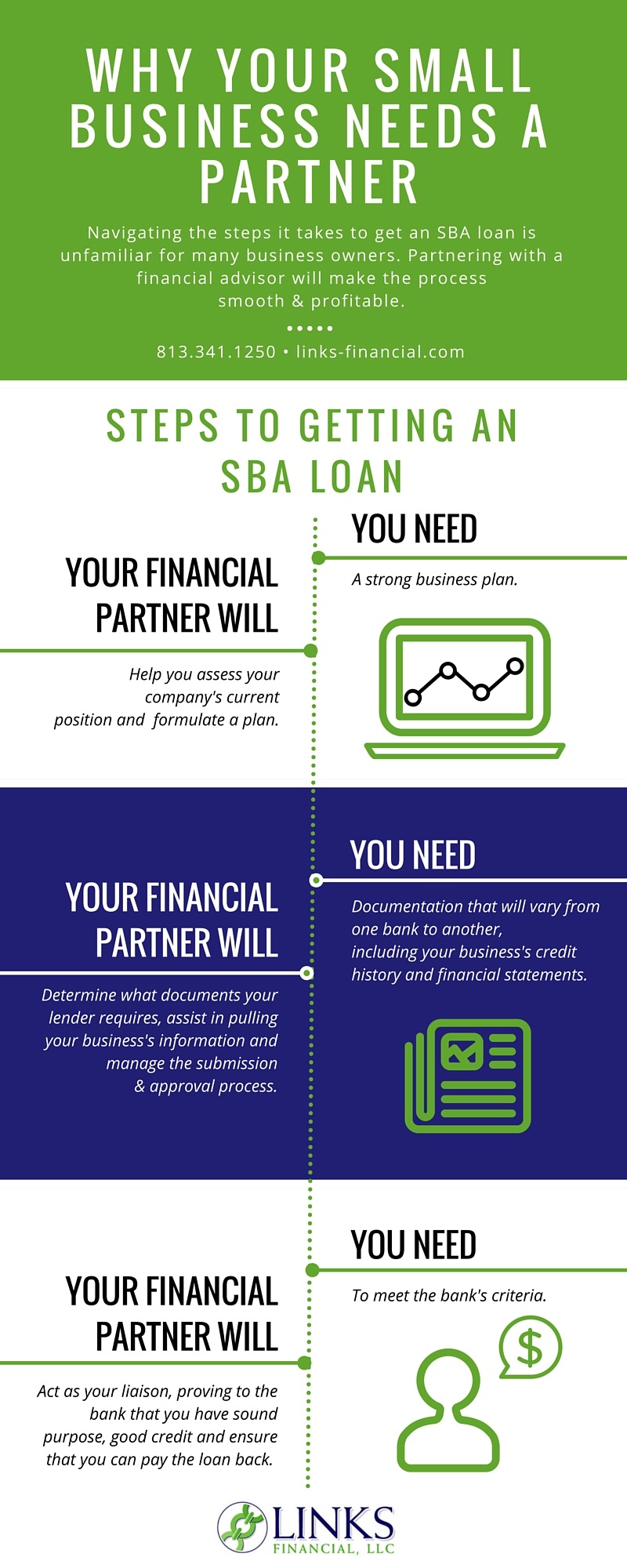
A Robust Business Plan
This document is your business’s roadmap and a cornerstone of any loan application. It should detail your business concept, market analysis, organizational structure, products or services, marketing strategy, and management team. For an SBA loan, emphasis should be placed on demonstrating viability and how the loan will facilitate growth and job creation.
Solid Financial Projections
Lenders want to see clear evidence of your business’s financial health and future potential. This includes:
- Historical Financials: At least three years of financial statements (income statements, balance sheets, cash flow statements) if applicable.
- Current Financials: Recent interim financial statements (within 90 days).
- Projections: Detailed 3-5 year financial projections, including profit and loss statements and cash flow projections, with clear assumptions.
- Personal Financial Statement: For all owners with 20% or more equity.
Personal Credit and Collateral Considerations
Your personal credit history plays a significant role, especially for newer businesses where the business credit profile is still developing. Lenders will review your personal credit score (FICO) to assess your financial responsibility. Additionally, while SBA loans are known for lower collateral requirements than conventional loans, some collateral will generally be required. This could include business assets, real estate, or even personal assets if necessary to secure the loan. The SBA’s guarantee reduces the amount of collateral needed, but it doesn’t eliminate it entirely.
The Step-by-Step Application Process
Once you’ve done your homework and gathered the necessary information, you’re ready to embark on the application journey.
Finding the Right Lending Partner
Unlike traditional loans, you don’t apply directly to the SBA. Instead, you’ll need to find a bank, credit union, or other financial institution that participates in SBA lending programs.
- SBA Lender Match Tool: The SBA website offers a “Lender Match” tool to connect you with interested lenders.
- Local Banks and Credit Unions: Many local financial institutions are active SBA lenders. Start with banks where you already have a relationship.
- SBA Resource Partners: Organizations like Small Business Development Centers (SBDCs), SCORE mentors, and Women’s Business Centers can provide guidance and help you connect with lenders.
Gathering Required Documentation
This is often the most time-consuming part. Lenders will request an extensive list of documents to thoroughly evaluate your application. While lists vary, common requirements include:
Financial Statements and Tax Returns
- Personal and business tax returns (past three years).
- Personal financial statements for all owners (20% or more equity).
- Business financial statements (P&L, balance sheet, cash flow for past three years and year-to-date).
- Projected financial statements for 3-5 years.
Legal Documents and Licenses
- Business license and registrations.
- Articles of incorporation or organization.
- Business lease agreement.
- Franchise agreement (if applicable).
- Business certificates and permits.
Personal Background and Resumes
- Resumes of all owners/key management, demonstrating experience.
- Driver’s license or other government-issued ID.
- Statement of personal history.
Submitting Your Application and Underwriting
Once all documentation is compiled, you’ll submit your complete application package to your chosen lender. The lender will then begin their underwriting process, which involves a deep dive into your business plan, financials, credit history, and collateral to assess risk and repayment ability. This stage can involve multiple rounds of questions and requests for additional information from the lender.
Approval, Closing, and Fund Disbursement
If your application is approved, the lender will provide you with a commitment letter outlining the terms and conditions of the loan. Carefully review this document. After you accept the terms, you’ll move to the closing phase, where all legal documents are signed. Once closing is complete, the funds will be disbursed according to the agreed-upon schedule, allowing you to put your capital to work.
Maximizing Your Chances of Success
While the SBA loan process can seem daunting, there are strategies to improve your likelihood of approval and streamline the experience.
Common Pitfalls to Avoid
- Incomplete or Inaccurate Documentation: This is the most common reason for delays or rejections. Double-check everything.
- Weak Business Plan: A poorly articulated vision or unrealistic projections will raise red flags.
- Poor Personal Credit: A low personal credit score can undermine confidence in your ability to manage debt.
- Insufficient Equity Injection: Lenders want to see that you have skin in the game.
- Lack of Industry Experience: While not always a deal-breaker, insufficient management experience can be a concern for lenders.
- Misunderstanding Loan Programs: Applying for the wrong type of loan for your needs wastes time for both you and the lender.
Tips for a Strong Application
- Seek Expert Advice: Work with an SBDC, SCORE mentor, or an experienced loan broker who specializes in SBA loans. They can help you prepare your application and navigate the process.
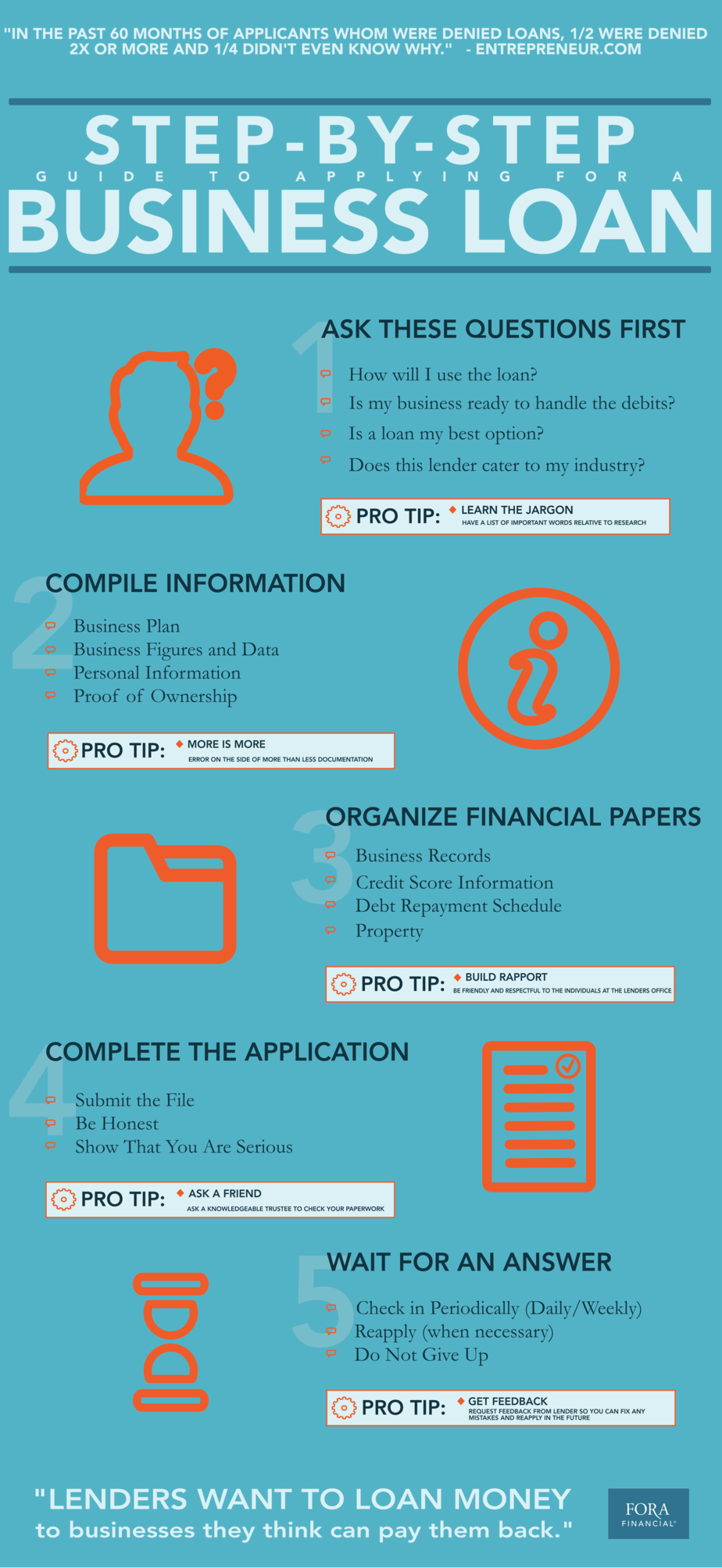
- Be Proactive and Organized: Gather all required documents well in advance and keep them organized.
- Build a Strong Relationship with Your Lender: Choose a lender that understands your industry and business model. Be responsive to their requests.
- Address Weaknesses Proactively: If you have areas of concern (e.g., lower credit score, limited collateral), be prepared to explain them and offer mitigating factors.
- Demonstrate a Clear Use of Funds: Clearly articulate how the loan proceeds will be used and how they will generate a return for your business.
Post-Approval Responsibilities
Receiving an SBA loan is not the end of the journey; it marks a new beginning. As a borrower, you’ll have ongoing responsibilities:
- Adhere to Loan Covenants: Ensure your business operates within the terms and conditions set by the loan agreement.
- Maintain Financial Records: Continue to keep meticulous financial records and provide them to your lender as required.
- Communicate with Your Lender: If you anticipate any financial difficulties or significant changes in your business, communicate proactively with your lender.
Obtaining an SBA loan can be a transformative step for any small business seeking to grow, innovate, or simply sustain operations. While the process demands diligence and preparation, the benefits—including lower down payments, longer terms, and competitive interest rates—make it a powerful financial tool. By understanding the programs, meticulously preparing your application, and partnering with the right lender, you can successfully navigate the path to securing the capital your business needs to thrive.
aViewFromTheCave is a participant in the Amazon Services LLC Associates Program, an affiliate advertising program designed to provide a means for sites to earn advertising fees by advertising and linking to Amazon.com. Amazon, the Amazon logo, AmazonSupply, and the AmazonSupply logo are trademarks of Amazon.com, Inc. or its affiliates. As an Amazon Associate we earn affiliate commissions from qualifying purchases.