
Securing a business loan can be a pivotal step for any enterprise, whether it’s a budding startup seeking initial capital, an established small business looking to expand, or a company needing to manage cash flow. The process, however, can often appear daunting and complex. Navigating the myriad of loan products, eligibility requirements, and application procedures demands a clear understanding and meticulous preparation. This comprehensive guide aims to demystify the application process, providing insightful strategies and practical steps to significantly improve your chances of securing the necessary funding to propel your business forward. Understanding the nuances of business finance, from lender expectations to the critical documentation required, is not just about getting approved – it’s about making informed decisions that ensure the long-term financial health and growth of your venture.
Understanding Your Business Loan Needs and Options
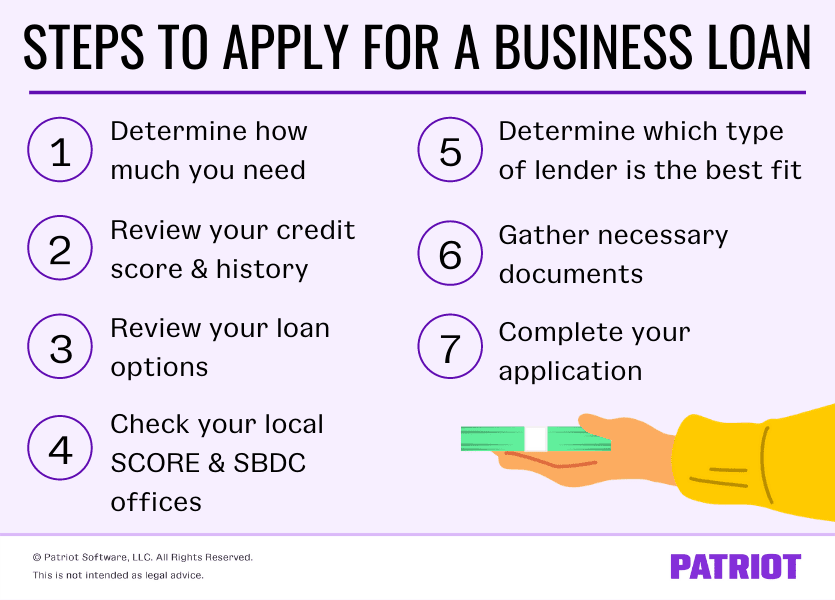
Before embarking on the application journey, a critical first step is to thoroughly assess your financial requirements and familiarize yourself with the landscape of available business financing options. This foundational knowledge will enable you to approach lenders with clarity and confidence, ensuring you pursue the most suitable funding for your specific circumstances.
Assessing Your Capital Requirements
The first question every business owner must answer is: how much money do I truly need, and for what purpose? A vague answer will not suffice; lenders expect precision. Begin by creating a detailed projection of your funding needs. Are you purchasing new equipment, expanding your premises, hiring additional staff, or simply needing working capital to bridge seasonal gaps? Each purpose dictates different loan types and amounts.
- Fixed Assets vs. Working Capital: Differentiate between capital required for long-term investments (like property or machinery) and short-term operational expenses (like inventory, salaries, or marketing).
- Budgeting for Growth: Projecting future revenue and expense streams will help determine not just the initial loan amount, but also the repayment capacity of your business. Overestimating can lead to unnecessary debt, while underestimating can leave you short mid-project.
- Contingency Planning: Always factor in a buffer. Unexpected costs can arise, and having a contingency plan ensures you aren’t immediately back to the drawing board for more funding.
Exploring Different Types of Business Loans
The business finance market offers a diverse range of loan products, each tailored to different needs and business profiles. Understanding these distinctions is crucial for selecting the right fit.
- Term Loans: These are perhaps the most traditional type of business loan, providing a lump sum of capital that is repaid over a fixed period, typically with regular fixed payments and interest. They can be secured (backed by collateral) or unsecured, influencing interest rates and approval criteria.
- Lines of Credit: Similar to a credit card, a business line of credit offers a flexible borrowing limit that can be drawn upon as needed. Interest is only paid on the amount borrowed, making it ideal for managing short-term cash flow fluctuations or unexpected expenses.
- SBA Loans: Backed by the U.S. Small Business Administration, these government-guaranteed loans are offered by partner lenders and often feature more favorable terms, lower down payments, and longer repayment periods. They are highly sought after but also come with stringent eligibility requirements.
- Equipment Financing: Specifically designed for purchasing machinery or vehicles, these loans use the equipment itself as collateral, often making them easier to obtain with competitive rates.
- Invoice Factoring/Financing: For businesses with outstanding invoices, this involves selling or borrowing against your accounts receivable. It’s a quick way to access cash flow but typically comes with higher fees.
- Merchant Cash Advances (MCAs): Businesses receive an upfront sum of cash in exchange for a percentage of future debit/credit card sales. While fast, MCAs are often expensive and should be approached with caution.
Key Factors Lenders Consider
Lenders evaluate several critical aspects of your business and personal financial history to assess risk and determine your eligibility for a loan. Knowing these factors allows you to prepare accordingly.
- Credit Score (Personal and Business): Your personal credit score (FICO) is often a primary indicator of financial responsibility, especially for smaller businesses or startups. A strong business credit score also becomes crucial as your company grows.
- Time in Business and Revenue: Lenders prefer businesses with a proven track record, typically requiring at least one to two years of operation and consistent revenue. This demonstrates stability and repayment capacity.
- Cash Flow: A healthy, predictable cash flow is paramount. Lenders will scrutinize your bank statements to ensure your business generates enough income to comfortably cover loan repayments.
- Collateral: For secured loans, collateral (assets like real estate, equipment, or inventory) acts as security for the lender, reducing their risk.
- Debt-to-Income Ratio: This metric measures your business’s ability to manage existing debt. A high ratio can signal an overburdened business.
- Industry Stability and Business Plan: Lenders want to see that your business operates in a stable industry and that you have a clear, viable plan for how the loan funds will be used to generate returns.
Preparing for the Application: Essential Prerequisites
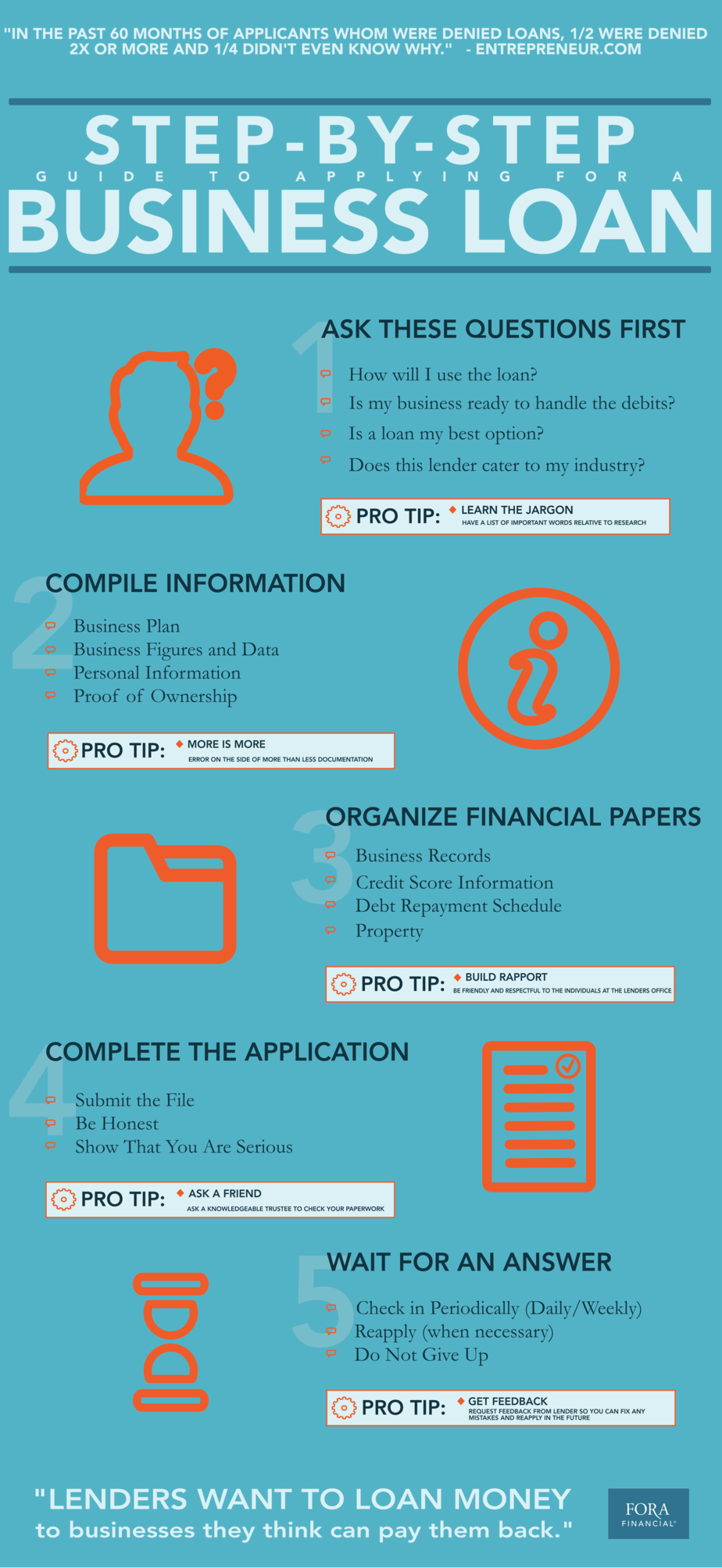
Once you’ve identified your needs and understood the types of loans available, the next phase involves meticulous preparation. This stage is about organizing your financial house, compiling critical documents, and articulating a compelling case for your business.
Financial Health and Creditworthiness
A strong financial foundation is the cornerstone of a successful loan application. Lenders need assurance that your business is a reliable borrower.
- Improving Credit Scores: Before applying, check your personal and business credit reports for accuracy. If scores are low, take steps to improve them: pay bills on time, reduce existing debt, and address any discrepancies.
- Consistent Bookkeeping: Maintain accurate and up-to-date financial records. Lenders will examine your balance sheets, income statements, and cash flow statements to gauge your financial health. Professional accounting software can greatly assist with this.
- Bank Account Management: Keep your business bank accounts in good standing, avoiding overdrafts and demonstrating consistent positive balances. Lenders often request several months of bank statements.
Compiling Crucial Documentation
The application process is heavily reliant on documentation. Having all necessary papers ready and organized will streamline the process and present your business professionally.
- Financial Statements:
- Profit & Loss (Income) Statements: Typically for the past 1-3 years, showing revenue, costs, and profit.
- Balance Sheets: For the past 1-3 years, detailing assets, liabilities, and equity.
- Cash Flow Statements: For the past 1-3 years, illustrating how cash is moving in and out of the business.
- Tax Returns: Personal and business tax returns (typically for the past 2-3 years) provide an official verification of your reported income and expenses.
- Bank Statements: Recent business bank statements (usually 3-12 months) to demonstrate cash flow patterns.
- Legal Documents:
- Business licenses and registrations.
- Articles of Incorporation or Organization.
- EIN (Employer Identification Number).
- Franchise agreements, if applicable.
- Personal Information:
- Personal financial statements (assets and liabilities outside the business).
- Personal tax returns.
- Government-issued ID.
- Collateral Documentation (if applicable): Deeds, titles, appraisals, or other proof of ownership for assets being offered as security.
Crafting a Robust Business Plan
A well-written business plan is more than just a formality; it’s your narrative and strategic roadmap, and often a prerequisite for serious lenders.
- Executive Summary: A concise overview of your business, its mission, products/services, and why you need the loan.
- Company Description: What your business does, its legal structure, and its history.
- Market Analysis: Understanding your industry, target market, competitors, and competitive advantages.
- Organization and Management: Details about your team, their expertise, and how the business is structured.
- Service or Product Line: A detailed description of what you sell and its value proposition.
- Marketing and Sales Strategy: How you plan to reach customers and generate revenue.
- Financial Projections: The most critical section for lenders, including detailed forecasts for revenue, expenses, and profitability, alongside a clear explanation of how the loan will be used and repaid. This should align perfectly with your capital requirements assessment.
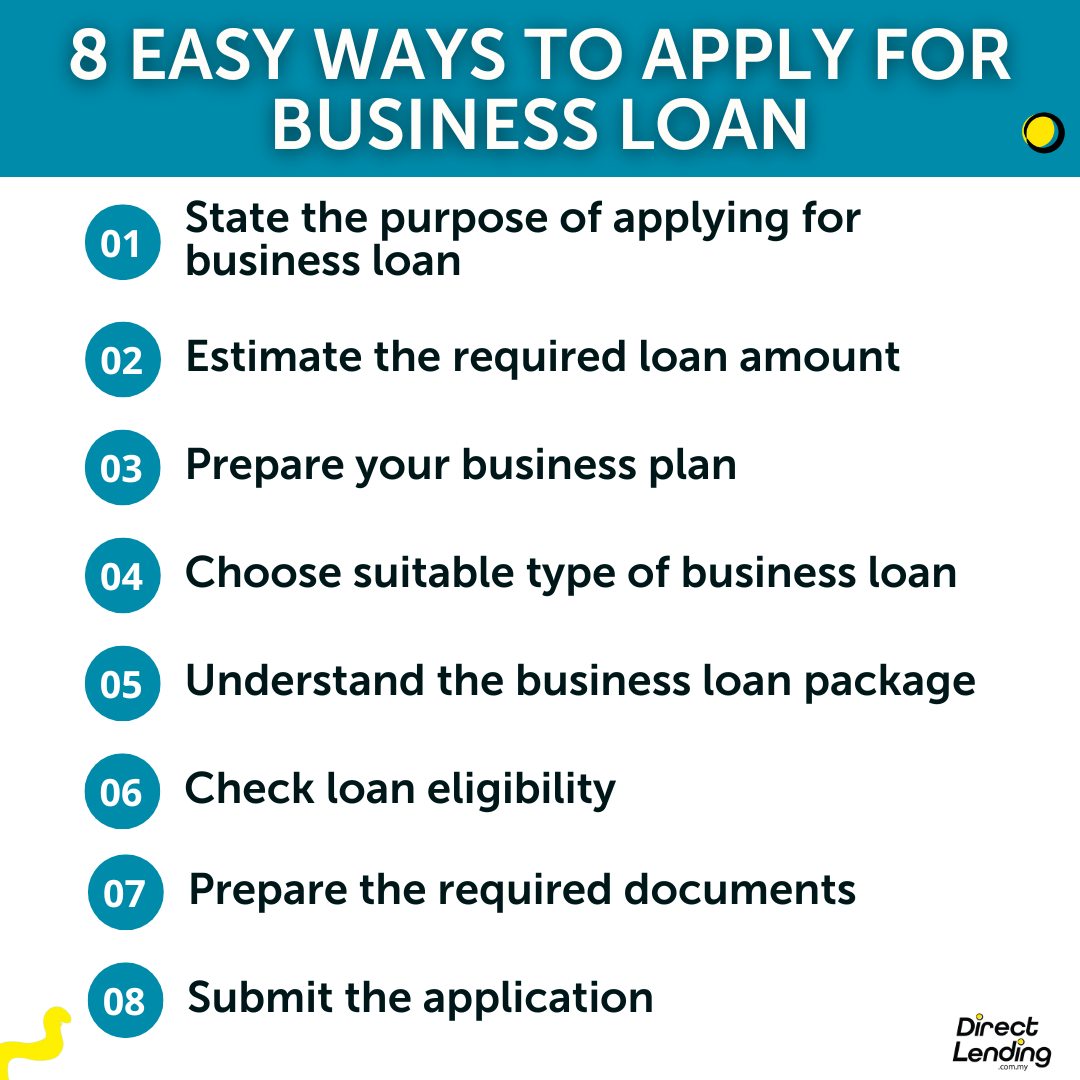
Navigating the Application Process Step-by-Step
With your preparation complete, you’re ready to engage with lenders. The application process itself involves careful selection, submission, and engagement through the underwriting phase.
Researching and Selecting the Right Lender
Not all lenders are created equal, and finding the right match can significantly influence your success rate and loan terms.
- Traditional Banks: Often offer competitive rates and a wide range of products but typically have stricter eligibility criteria and longer approval times. Best for established businesses with strong credit.
- Credit Unions: Similar to banks but often more community-focused and potentially more flexible for local businesses, sometimes with slightly lower interest rates.
- Online Lenders: Known for speed and convenience, often with less stringent requirements than traditional banks, making them suitable for startups or businesses needing quick funding. However, interest rates can be higher.
- SBA-Approved Lenders: Banks, credit unions, and some non-profit organizations that partner with the SBA. Ideal for businesses seeking government-backed loans with favorable terms.
- Non-Profit CDFIs (Community Development Financial Institutions): Focus on providing loans to underserved communities and small businesses that may not qualify for traditional financing.
When researching, compare interest rates, fees (origination, closing, prepayment penalties), repayment terms, collateral requirements, and customer service reviews. Consider pre-qualification options to get a sense of what you might qualify for without a hard credit pull.
Submitting Your Application Package
Once you’ve chosen a few potential lenders, it’s time to submit your carefully prepared documentation.
- Complete the Application Form: Fill out the lender’s application form accurately and completely. Any missing information can cause delays.
- Attach All Required Documents: Ensure every document requested is included, organized logically, and clearly labeled.
- Review for Accuracy: Double-check all figures and information for consistency across all documents. Discrepancies can raise red flags.
- Be Prepared for Questions: Lenders may have follow-up questions or request additional information during this stage. Respond promptly and thoroughly.
The Underwriting and Approval Stages
After submission, your application enters the underwriting phase, where the lender conducts a thorough assessment.
- Credit Analysis: The lender will delve into your personal and business credit history.
- Financial Statement Review: A detailed analysis of your income, expenses, assets, and liabilities to assess repayment capacity and financial stability.
- Business Plan Scrutiny: Evaluation of your business model, market viability, management team, and financial projections.
- Collateral Valuation (if applicable): If a secured loan, the lender will appraise the value of the assets you’re offering as collateral.
- Risk Assessment: The underwriter will weigh all factors to determine the overall risk of lending to your business. This will influence the loan amount, interest rate, and terms.
- Decision and Offer: If approved, the lender will present you with a loan offer detailing the principal amount, interest rate, repayment schedule, fees, and any covenants (conditions for the loan).
- Review the Offer: Carefully read and understand every clause in the loan agreement before signing. Don’t hesitate to ask for clarification on anything you don’t understand. If the terms are not favorable, you have the option to negotiate or seek alternatives.
Strategies for a Successful Loan Application
Beyond simply fulfilling requirements, adopting a strategic approach can significantly enhance your appeal to lenders and lead to a more favorable outcome.
Presenting a Clear and Compelling Case
Your application is essentially a pitch for your business. Make it persuasive.
- Highlight Strengths: Emphasize your business’s unique selling propositions, strong revenue growth, consistent cash flow, management team’s experience, and any competitive advantages.
- Articulate Loan Purpose and Impact: Clearly explain how the loan funds will be used to generate revenue, improve efficiency, or achieve specific growth targets. Show how the investment will directly contribute to your ability to repay the loan.
- Demonstrate Repayment Capacity: Go beyond just showing past performance. Provide robust financial projections that clearly illustrate how your business will generate sufficient cash flow to cover the loan payments comfortably.
Addressing Potential Weaknesses Proactively
No business is perfect, and acknowledging potential weaknesses demonstrates transparency and a proactive approach.
- Identify and Explain: If your business has a shorter operating history, a fluctuating revenue stream, or a slightly lower credit score, acknowledge these points upfront.
- Mitigation Strategies: Crucially, explain what steps you are taking or plan to take to mitigate these weaknesses. For instance, if cash flow is occasionally tight, explain measures like securing long-term contracts or diversifying revenue streams.
- Personal Guarantees/Additional Collateral: If your business credit is nascent, offering a personal guarantee or additional personal collateral can sometimes bridge the gap, although this increases personal risk.
Maintaining Open Communication with Lenders
Throughout the process, foster a transparent and responsive relationship with your potential lender.
- Be Accessible: Be available to answer questions or provide additional information promptly. Delays on your part can slow down the approval process.
- Ask Questions: Don’t hesitate to ask the lender about their process, specific requirements, or the status of your application. This demonstrates engagement and understanding.
- Honesty and Transparency: Always be truthful in your application and discussions. Any misrepresentation, even unintentional, can lead to denial or serious consequences later. A good relationship built on trust is invaluable.
Post-Application: What Comes Next and Alternative Funding
Securing a loan is a milestone, but it’s also the beginning of a new financial commitment. Understanding what comes next and exploring alternatives are both crucial for sustained business health.
Managing Loan Disbursements and Repayment
Once approved and the loan agreement is signed, the funds will be disbursed according to the agreed-upon schedule.
- Strategic Fund Allocation: Stick to the plan outlined in your business plan for how the funds will be used. Resist the temptation to divert funds for purposes not approved by the lender.
- Tracking and Reporting: Maintain meticulous records of how the loan funds are utilized. Some lenders may require periodic reports on fund usage.
- Diligent Repayment: Prioritize timely loan repayments. Missing payments can severely damage your business credit score, incur late fees, and strain your relationship with the lender. Set up automated payments where possible.
- Reviewing Covenants: Understand and adhere to any loan covenants (conditions) specified in your agreement. These might include maintaining certain financial ratios, providing regular financial statements, or restrictions on further debt.
Exploring Alternatives If Traditional Loans Aren’t an Option
If your application for a traditional business loan is unsuccessful, or if you simply need different types of funding, there are several alternative avenues to consider.
- Grants: Government agencies and private foundations offer grants to businesses that meet specific criteria, often related to innovation, social impact, or location. Grants do not need to be repaid.
- Crowdfunding: Platforms like Kickstarter or Indiegogo allow businesses to raise capital from a large number of individuals, often in exchange for rewards or equity.
- Angel Investors/Venture Capital: For high-growth potential businesses, angel investors (wealthy individuals) or venture capital firms provide capital in exchange for equity ownership and often strategic guidance.
- Bootstrapping: Relying on personal savings, early sales revenue, and tight expense control to fund growth. This avoids debt and dilution but requires significant discipline.
- Peer-to-Peer Lending: Online platforms that connect borrowers directly with individual investors who are willing to lend money, often with more flexible terms than traditional institutions.
Applying for a business loan is a strategic exercise in financial planning, organization, and persuasive communication. By thoroughly understanding your needs, preparing meticulously, choosing the right lender, and presenting your business’s case effectively, you can significantly increase your likelihood of success. With the right funding secured, your business will be well-positioned to achieve its growth objectives and navigate the competitive landscape with greater confidence.
aViewFromTheCave is a participant in the Amazon Services LLC Associates Program, an affiliate advertising program designed to provide a means for sites to earn advertising fees by advertising and linking to Amazon.com. Amazon, the Amazon logo, AmazonSupply, and the AmazonSupply logo are trademarks of Amazon.com, Inc. or its affiliates. As an Amazon Associate we earn affiliate commissions from qualifying purchases.