
The journey of entrepreneurship is often fueled by passion, innovation, and a vision for the future. Yet, for many small business owners and aspiring entrepreneurs, a significant hurdle looms large: securing adequate funding. The question, “How hard is it to get a small business loan?” is not just a casual query; it’s a profound concern that dictates the pace of growth, the feasibility of expansion, and sometimes, even the very survival of a venture. While anecdotal evidence and common perception often paint a bleak picture of stringent requirements and countless rejections, the reality is more nuanced. It’s challenging, certainly, but far from impossible, especially when approached with a clear understanding of the landscape, meticulous preparation, and a strategic mindset.

This comprehensive guide will demystify the process, shed light on the factors that influence loan approval, explore the various avenues of funding, and provide actionable insights to significantly improve your chances of securing the capital your business needs to thrive.
Understanding the Landscape: Is It Really That Difficult?
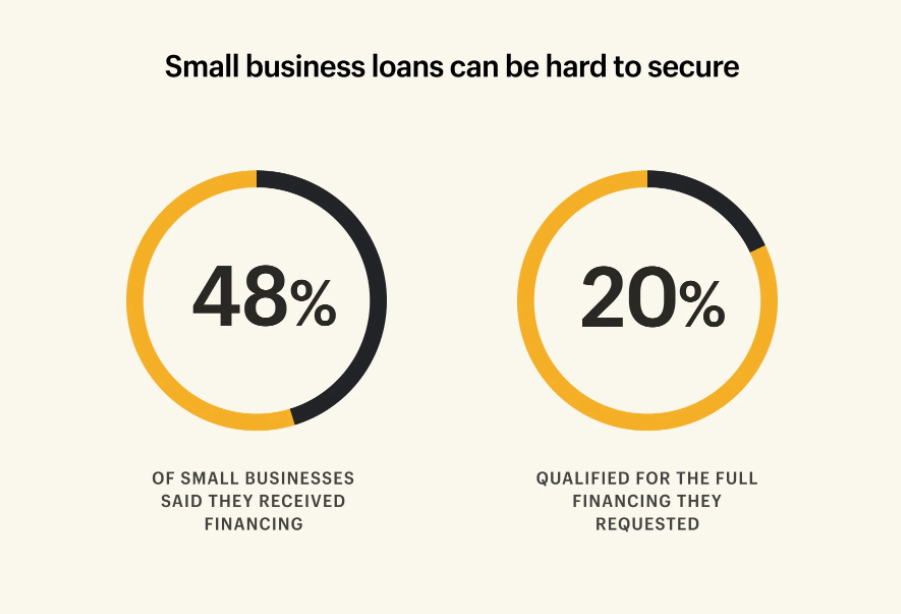
The perception that obtaining a small business loan is exceptionally difficult is deeply ingrained in the entrepreneurial psyche. While there’s a kernel of truth to this — lenders are, by nature, risk-averse — the difficulty often stems from a mismatch between what entrepreneurs offer and what lenders expect, rather than an insurmountable barrier.
The Perception Versus Reality
Many small business owners approach the loan application process with a sense of trepidation, having heard stories of endless paperwork, sky-high credit score requirements, and immediate rejections. This perception can deter promising businesses from even attempting to secure funding, or lead them to present incomplete or unconvincing applications.
The reality is that the lending environment for small businesses has evolved significantly. While traditional banks remain a cornerstone, the rise of online lenders, government-backed programs, and alternative financing solutions has diversified the options available. Each type of lender has its own risk appetite, criteria, and focus, meaning that a business rejected by one might be an ideal candidate for another. The “difficulty” often arises from not knowing where to look or how to tailor one’s approach to the specific lender.
Key Determinants of Loan Eligibility
Regardless of the lender, certain fundamental factors consistently influence loan eligibility. Understanding these from the outset is crucial for any business seeking capital. These aren’t arbitrary hurdles but rather logical indicators of a business’s health and its capacity to repay.
- Creditworthiness: This encompasses both the business’s credit score (if established) and the personal credit score of the owner(s). A strong credit history signals reliability and responsible financial management.
- Time in Business & Revenue: Lenders prefer established businesses with a proven track record of consistent revenue. Newer businesses or those without significant income may find it harder to qualify for traditional loans.
- Cash Flow: A healthy cash flow demonstrates the business’s ability to generate sufficient income to cover its operating expenses and loan repayments. This is often more critical than profitability alone.
- Business Plan: A well-articulated, comprehensive business plan not only outlines the business’s vision and strategy but also projects its financial performance, demonstrating a clear path to profitability and repayment.
- Collateral: For secured loans, assets like real estate, equipment, or inventory can serve as collateral, reducing the lender’s risk and potentially leading to better terms.
- Debt-to-Income Ratio: Lenders assess how much debt a business (and its owner) already carries relative to its income, ensuring it’s not overleveraged.
- Industry and Economic Outlook: The overall health and future prospects of the industry in which the business operates, as well as the broader economic climate, can also play a role.
Navigating the Labyrinth of Small Business Loan Options
The “difficulty” of getting a small business loan often diminishes when entrepreneurs understand the diverse array of financing options available. Each type of loan caters to different business needs, stages, and risk profiles.
Traditional Bank Loans: The Gold Standard?
For many, a traditional bank loan is the quintessential small business loan. These typically offer the most competitive interest rates and favorable repayment terms, but they also come with the most stringent eligibility requirements. Banks often prefer businesses with several years of operation, a strong credit history, significant collateral, and a robust business plan. The application process can be lengthy, involving extensive documentation and thorough due diligence. While challenging for startups or businesses with less-than-perfect financials, securing a bank loan can significantly enhance a business’s credibility and financial stability.
Online Lenders: Speed and Flexibility
In recent years, online lenders have emerged as a powerful alternative, revolutionizing the small business lending landscape. These platforms often boast faster application processes, quicker approval times, and more flexible eligibility criteria compared to traditional banks. They are particularly attractive to businesses that need capital quickly, have a shorter operating history, or might not meet the strict requirements of conventional banks.
However, this convenience often comes at a price. Online loans can have higher interest rates and shorter repayment terms. They include various products like term loans, lines of credit, merchant cash advances, and invoice financing. While a viable option for many, it’s crucial to carefully compare terms and understand the total cost of borrowing.
SBA-Guaranteed Loans: Government Backing for Growth
The U.S. Small Business Administration (SBA) doesn’t directly lend money but guarantees a percentage of loans made by traditional lenders, making it less risky for banks and credit unions to lend to small businesses. SBA loans, such as the popular 7(a) and 504 programs, are renowned for their favorable terms, lower down payments, and longer repayment periods.
While SBA loans are easier to qualify for than conventional bank loans, they still require a strong application, a solid business plan, and adherence to specific SBA eligibility rules (e.g., business size standards). The application process can be complex and time-consuming, often requiring extensive paperwork and multiple steps, including working with an SBA-approved lender. Despite the administrative burden, the benefits of an SBA-guaranteed loan often outweigh the initial effort.
Alternative Financing: Beyond Conventional Loans
Beyond these mainstream options, a range of alternative financing solutions exists, each suited to specific scenarios:
- Crowdfunding: Raising small amounts of capital from a large number of individuals, often via online platforms, can be an excellent way to gauge market interest and secure funding, especially for innovative products or services.
- Invoice Financing/Factoring: Selling your unpaid invoices to a third party at a discount provides immediate cash flow, ideal for businesses with long payment cycles.
- Equipment Financing: Loans specifically for purchasing machinery or equipment, using the equipment itself as collateral.
- Business Credit Cards: Useful for managing smaller, short-term expenses, but often carry high interest rates if balances aren’t paid quickly.
- Venture Capital & Angel Investors: For high-growth potential startups, equity financing from venture capitalists or angel investors can provide substantial capital in exchange for a stake in the company. This is a highly competitive path, typically reserved for businesses with scalable models and significant market disruption potential.
Preparing for Success: What Lenders Really Want to See
The difficulty in securing a small business loan significantly diminishes when you understand how to present your business in the most favorable light. Lenders are not looking for reasons to reject you; they are looking for confidence in your ability to repay.
The Indispensable Business Plan
Your business plan is arguably the most critical document in your loan application. It’s not just a formality; it’s a strategic roadmap that demonstrates your understanding of your market, your operational strategy, your management team, and, critically, your financial projections. A well-crafted business plan instills confidence by showing:
- Clarity of Purpose: What your business does, its mission, and its unique value proposition.
- Market Understanding: A thorough analysis of your target market, competition, and growth opportunities.
- Operational Efficiency: How your business functions day-to-day.
- Management Expertise: The experience and capabilities of your leadership team.
- Robust Financial Projections: Detailed forecasts of revenue, expenses, cash flow, and profitability, demonstrating how the loan will be repaid.
Financial Health: Credit Scores and Cash Flow
Lenders meticulously scrutinize your financial health. This includes:
- Personal Credit Score: For small businesses, particularly startups, the owner’s personal credit score is a strong indicator of financial responsibility and heavily influences loan approval. Aim for a score of 680 or higher, with 720+ being ideal.
- Business Credit Score: If your business has been operational for some time, establish and monitor its business credit score.
- Cash Flow Statements: Lenders want to see consistent, positive cash flow. This assures them that you have the liquid assets to cover operational costs and make timely loan payments.
- Profit and Loss Statements: These show your business’s profitability over time.
- Balance Sheets: Providing a snapshot of your assets, liabilities, and equity.
Ensure these documents are up-to-date, accurate, and clearly presented, ideally covering the last 2-3 years of operation.
Collateral and Personal Guarantees
Many small business loans, especially from traditional institutions, are secured. This means you pledge assets (like real estate, equipment, or inventory) as collateral. If the business defaults, the lender can seize these assets. Even for unsecured loans, lenders often require a personal guarantee from the business owner. This means you are personally liable for the loan if the business cannot repay it. While this adds a layer of personal risk, it can significantly improve your chances of approval, especially for newer businesses or those with limited established business credit.
Demonstrating Repayment Capacity
Ultimately, a lender’s primary concern is whether you can repay the loan. Your business plan and financial statements should explicitly demonstrate this capacity. Highlight:
- Debt Service Coverage Ratio (DSCR): This metric compares your business’s net operating income to its total debt obligations. A DSCR of 1.25 or higher is generally viewed favorably.
- How the Loan Will Be Used: Clearly articulate how the funds will be utilized to generate more revenue or improve efficiency, thereby enhancing repayment capacity. Avoid vague statements; be specific about investments in inventory, marketing campaigns, equipment upgrades, or hiring.
Common Pitfalls and How to Avoid Them
The difficulty in getting a small business loan often stems from common mistakes applicants make. Avoiding these pitfalls can significantly smooth your path to funding.
Underestimating the Application Process
Many entrepreneurs underestimate the time, effort, and detail required for a loan application. It’s not a quick form-fill; it’s a comprehensive presentation of your business’s viability. Rushing the process, submitting incomplete documents, or providing inconsistent information can lead to immediate rejection. Treat the application process as seriously as you would any critical business operation.
Poor Financial Documentation
Disorganized or inaccurate financial records are a major red flag for lenders. If your books are not in order, it suggests a lack of financial discipline, making lenders hesitant to trust you with their capital. Invest in professional accounting or robust accounting software from day one. Have all necessary financial statements, tax returns (personal and business), bank statements, and credit reports readily available and up-to-date.
Lack of a Clear Business Purpose
Lenders want to know precisely why you need the money and how it will be used to grow your business. Vague requests for “working capital” without a detailed breakdown of how those funds will translate into increased revenue or efficiency are often met with skepticism. Be specific: “We need $50,000 for a new marketing campaign targeting X demographic, projected to increase sales by Y% within six months,” or “We require $100,000 to purchase new machinery that will increase production capacity by Z%.”
Ignoring Your Personal Credit History
Even if your business has its own credit history, your personal credit score will almost always be considered, especially for small businesses and startups. A poor personal credit score can derail an otherwise strong business loan application. Regularly check your personal credit report, address any discrepancies, and work to improve your score before applying for a loan.
Strategies to Increase Your Chances of Approval
Beyond meticulous preparation, certain strategic actions can further enhance your appeal to lenders.
Building Strong Relationships
Develop a relationship with a local bank or credit union even before you need a loan. Open business accounts, use their services, and get to know the small business lending officers. A relationship built on trust and familiarity can give you an edge when it comes time to apply for financing. They might be more willing to work with you, offer advice, or even structure a loan tailored to your specific situation.
Seeking Professional Guidance
Don’t hesitate to seek advice from financial professionals. Business consultants, accountants, or even SCORE mentors (retired executives who volunteer their expertise) can provide invaluable guidance on preparing your business plan, refining your financial projections, and navigating the various loan options. Their insights can help you identify weaknesses in your application and present a more compelling case.
Starting Small and Building Trust
If your business is new or has a limited credit history, consider starting with smaller, less risky forms of financing. A business credit card, a microloan, or a small line of credit can help you establish a positive repayment history. Successfully managing these smaller financial commitments can build trust with lenders, making it easier to qualify for larger, more traditional loans down the line. It’s a stepping stone approach that proves your creditworthiness over time.
Conclusion
The question “How hard is it to get a small business loan?” doesn’t have a simple yes or no answer. It’s hard if you are unprepared, uninformed, or targeting the wrong lenders. However, it becomes significantly less daunting when approached with diligence, a deep understanding of lender expectations, and a strategic plan.
By meticulously preparing your business plan and financial documents, understanding the diverse lending landscape, avoiding common pitfalls, and proactively building relationships, small business owners can transform a perceived insurmountable challenge into a strategic milestone. The capital you secure isn’t just money; it’s the fuel that propels your vision forward, enabling growth, innovation, and ultimately, the realization of your entrepreneurial dreams. The path to securing a small business loan is an integral part of the entrepreneurial journey, and with the right approach, it’s a path many can successfully navigate.
aViewFromTheCave is a participant in the Amazon Services LLC Associates Program, an affiliate advertising program designed to provide a means for sites to earn advertising fees by advertising and linking to Amazon.com. Amazon, the Amazon logo, AmazonSupply, and the AmazonSupply logo are trademarks of Amazon.com, Inc. or its affiliates. As an Amazon Associate we earn affiliate commissions from qualifying purchases.