
Embarking on the journey of running a business is an exhilarating prospect, often fueled by passion, innovation, and a vision for creating value. However, the true bedrock of any sustainable enterprise, beyond its brilliant idea or compelling product, is its financial health. Understanding “how do I run a business” is, at its core, learning to master its financial engine – from initial funding and daily cash flow management to strategic growth and long-term profitability. Without a robust grasp of business finance, even the most promising ventures can falter. This guide delves into the essential monetary aspects every entrepreneur must navigate to build a resilient and thriving business.
Laying the Financial Foundation: Essential Startup & Setup Considerations
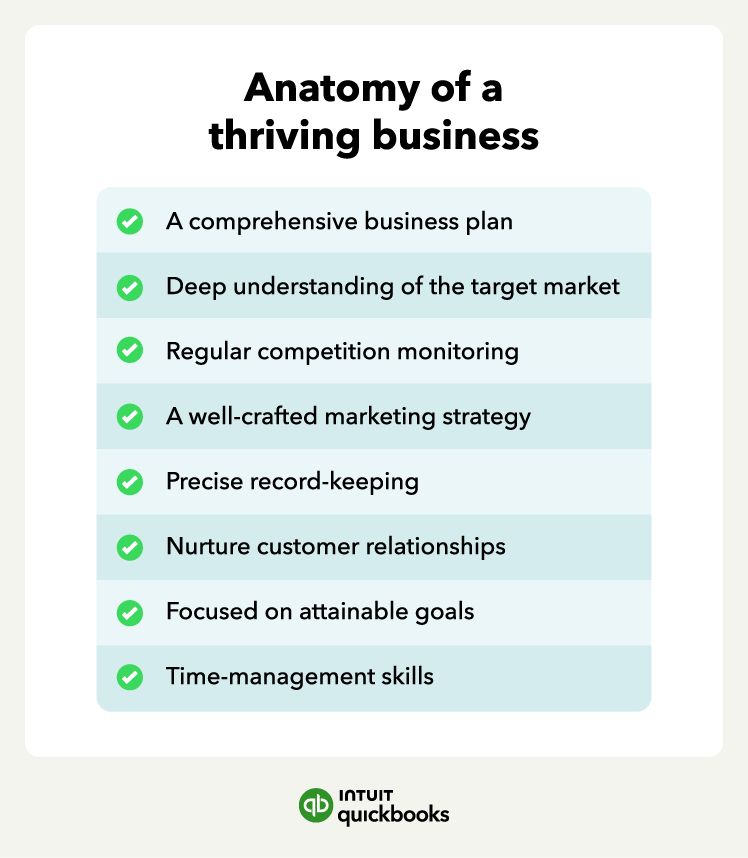
The inception of any business demands meticulous financial planning. Before you even open your doors or launch your website, critical financial decisions must be made to ensure a stable launchpad for your venture.
Calculating Startup Capital and Securing Funding
One of the first questions an aspiring business owner faces is, “How much money do I need?” This involves a comprehensive assessment of all anticipated startup costs. These can range from one-time investments like equipment purchases, leasehold improvements, legal fees, and initial inventory, to recurring operational expenses such as rent, utilities, salaries, and marketing for the first few months. A detailed breakdown provides clarity and helps you understand the initial financial hurdle.
Once you have a clear figure, the next step is to explore funding avenues. For many, self-funding or bootstrapping, using personal savings or revenue generated from initial sales, is the preferred path, offering maximum control. However, for ventures requiring more substantial capital, options expand to small business loans from banks or credit unions, often requiring a solid business plan and collateral. Angel investors and venture capitalists may be sought for high-growth potential businesses, offering capital in exchange for equity. Crowdfunding platforms also present an alternative for raising smaller amounts from a large number of individuals. The choice of funding heavily influences your business’s ownership structure and future financial obligations. A well-articulated business plan, including detailed financial projections, is paramount for securing any external funding.
Choosing the Right Legal Structure and Its Financial Implications
The legal structure you choose for your business – be it a sole proprietorship, partnership, Limited Liability Company (LLC), or corporation (S-Corp or C-Corp) – has profound financial, tax, and liability implications. A sole proprietorship is simple to set up but offers no personal liability protection, meaning your personal assets could be at risk. Partnerships share profits and liabilities, while LLCs provide personal asset protection and tax flexibility. Corporations, particularly C-Corps, allow for easier capital raising through stock issuance but involve more complex compliance and often double taxation.
Understanding these distinctions is crucial for tax planning, operational flexibility, and personal risk mitigation. It’s also vital to establish separate business bank accounts and, ideally, business credit cards from day one. This separation is not only a legal requirement for certain structures but also simplifies accounting, makes tax preparation easier, and protects your personal finances from business liabilities. Co-mingling personal and business funds can create significant legal and financial headaches down the line.
Crafting a Robust Initial Budget and Financial Projections
A budget is more than just a spending limit; it’s a financial roadmap that guides your business decisions. For a new business, creating a realistic initial budget for the first 1-3 years is non-negotiable. This budget should encompass all projected revenues and expenses, broken down monthly or quarterly. Equally important are cash flow forecasts, which predict the actual movement of cash in and out of your business. Understanding your cash flow cycle helps you anticipate periods of surplus or deficit, allowing you to plan for working capital needs or reinvestment opportunities.
When developing these projections, it’s always wise to err on the side of conservatism. Overestimating revenue or underestimating expenses can lead to critical cash shortages. Always include a contingency fund – an emergency reserve, typically 3-6 months of operating expenses – to absorb unforeseen challenges or capitalize on unexpected opportunities. This meticulous planning provides a financial compass, ensuring you are prepared for the journey ahead.
Orchestrating Daily Operations: Managing Money for Sustainable Growth
Once your business is up and running, the focus shifts to day-to-day financial management. This involves a continuous cycle of tracking, analyzing, and optimizing your income and expenditures to ensure profitability and sustain growth.
Mastering Expense Management and Cost Control
Effective expense management is the bedrock of profitability. It starts with categorizing every expense – distinguishing between fixed costs (like rent or insurance that remain constant regardless of sales volume) and variable costs (like raw materials or shipping that fluctuate with production). The goal is not just to cut costs blindly but to control them strategically, ensuring every dollar spent contributes to value.
Strategies for cost reduction can include negotiating better terms with suppliers, bulk purchasing, leveraging technology to automate processes and reduce manual labor, or optimizing logistics. Regular review of vendor contracts and service agreements can uncover opportunities for savings. Crucial to this is diligent tracking: every invoice, every receipt, every payment must be recorded meticulously. Without accurate expense tracking, it’s impossible to understand where your money is going, identify inefficiencies, or make informed financial decisions.
Developing Effective Pricing Strategies for Profitability
Pricing your products or services correctly is an art and a science that directly impacts your revenue and profit margins. A common approach is cost-plus pricing, where you calculate all costs associated with a product and add a desired profit margin. However, more sophisticated strategies consider market demand, competitor pricing, and, crucially, customer perceived value. Value-based pricing, for instance, sets prices primarily on the perceived value to the customer rather than the cost of production.
It’s important to continually analyze your market, understand your target audience’s willingness to pay, and assess the competitive landscape. Your pricing strategy should be dynamic, regularly reviewed and adjusted based on market conditions, production costs, and business goals. Underpricing can leave money on the table, while overpricing can deter customers. The sweet spot maximizes revenue while maintaining a strong competitive position and delivering customer value.
Generating and Optimizing Revenue Streams
Beyond pricing, understanding how to generate and optimize your revenue streams is vital. This involves exploring diverse revenue models, such as one-time product sales, subscription services, consulting fees, advertising income, or licensing. Diversifying your income sources can provide greater stability and resilience against market fluctuations.
Strategies for increasing sales volume and average transaction value include targeted marketing campaigns, upselling and cross-selling related products, or offering bundles. Furthermore, focusing on customer retention is often more cost-effective than constantly acquiring new customers. Loyal customers not only provide recurring revenue but also act as brand advocates. Analyzing your sales data can reveal trends, identify your most profitable products or services, and highlight opportunities for growth or areas needing improvement.
Understanding Key Financial Statements: Your Business GPS
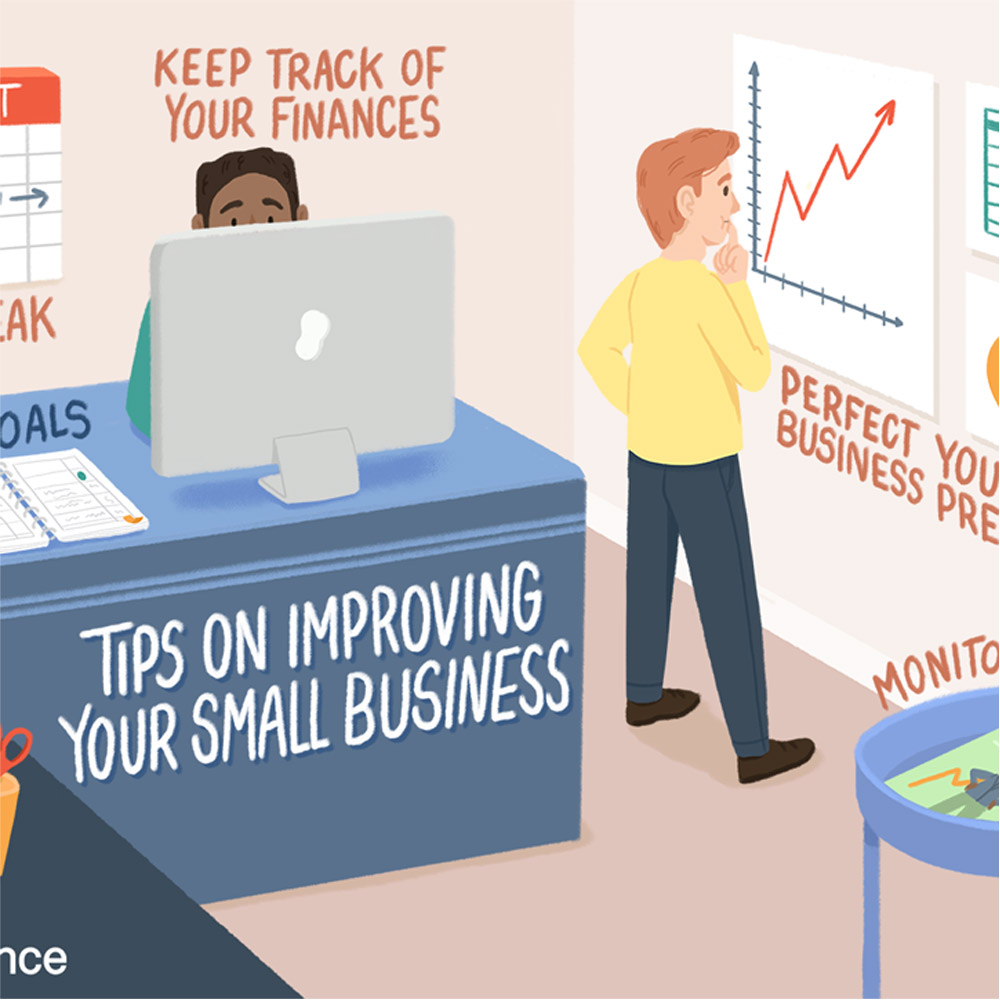
To effectively run a business, you must be fluent in the language of its financial statements. These aren’t just for accountants or investors; they are your business’s GPS, offering critical insights into its performance and health.
The Profit & Loss (P&L) Statement, also known as the Income Statement, measures your business’s profitability over a period (e.g., a month, quarter, or year). It shows your revenues, subtracts your costs of goods sold and operating expenses, to arrive at your net profit or loss. The Balance Sheet provides a snapshot of your business’s financial position at a specific point in time, detailing your assets (what you own), liabilities (what you owe), and owner’s equity (the residual value). Finally, the Cash Flow Statement tracks the actual movement of cash in and out of your business, categorized into operating, investing, and financing activities. Unlike the P&L, which can show profit even if cash hasn’t been collected, the cash flow statement reveals your true liquidity. Regularly reviewing and understanding these statements empowers you to make informed, data-driven decisions about everything from resource allocation to investment opportunities.
Scaling for Success: Growth, Profitability, and Long-Term Financial Health
Once your business achieves stability, the focus shifts towards sustainable growth, maximizing profitability, and ensuring long-term financial health. This requires strategic foresight and a disciplined approach to capital allocation.
Identifying and Leveraging Key Performance Indicators (KPIs)
Key Performance Indicators (KPIs) are measurable values that demonstrate how effectively your business is achieving its financial and operational objectives. For financial success, critical KPIs include Gross Profit Margin (revenue minus cost of goods sold, divided by revenue), Net Profit Margin (the percentage of revenue left after all expenses), Customer Acquisition Cost (CAC), and Customer Lifetime Value (LTV).
Other important metrics might include burn rate (how quickly a business is spending its cash), average transaction value, and inventory turnover. By regularly tracking these KPIs, you can quickly identify trends, diagnose problems, and measure progress towards your financial goals. Setting realistic targets for these KPIs and developing strategies to improve them is essential for continuous financial improvement.
Strategies for Boosting Profit Margins and Reinvesting Wisely
Increasing profit margins means either increasing revenue, decreasing costs, or a combination of both. Strategies include optimizing operational efficiency to reduce waste, negotiating better deals with suppliers, increasing prices strategically, or enhancing the perceived value of your products/services. It’s crucial to distinguish between revenue growth and profitable growth; simply increasing sales without improving margins can lead to a less efficient, not more successful, business.
Once profits are generated, a critical decision is how to reinvest them wisely. This could involve investing in new product development, expanding into new markets, upgrading technology, enhancing marketing efforts, or improving employee training. Smart reinvestment fuels future growth, while haphazard spending can dissipate hard-earned profits. A well-considered reinvestment strategy aligns with your long-term business goals and contributes to compounding financial success.
Managing Debt and Financing Future Expansion
As your business grows, you may face opportunities that require significant capital, such as opening new locations, acquiring another business, or developing a major new product line. While self-funding or equity financing (selling ownership stakes) are options, debt financing often plays a crucial role. Taking on debt, such as bank loans or lines of credit, can provide necessary capital without diluting ownership.
However, debt must be managed prudently. Understanding your debt-to-equity ratio and ensuring your business can comfortably service its debt obligations is paramount. Overleveraging can lead to financial distress, especially during economic downturns. A strategic approach involves balancing debt with equity financing, using debt for predictable, cash-generating investments, and equity for higher-risk, higher-reward growth initiatives. Thoughtful financial modeling helps determine the optimal capital structure for your expansion plans.
Navigating Tax Compliance and Financial Planning
Tax compliance is a non-negotiable aspect of running a business, and navigating its complexities requires diligent attention. This includes understanding various business taxes – income tax, sales tax, payroll tax, and possibly excise taxes – and ensuring timely and accurate filing. Ignorance is not a defense, and penalties for non-compliance can be severe.
Accurate record-keeping is the backbone of effective tax preparation and financial planning. Maintaining organized financial records throughout the year simplifies the tax process and ensures you claim all eligible deductions. Beyond compliance, strategic tax planning can legally minimize your tax burden, freeing up capital for reinvestment. Engaging with financial advisors and certified public accountants (CPAs) is highly recommended. They can provide invaluable guidance on tax strategies, regulatory compliance, and long-term financial planning, helping you optimize your financial structure for sustained growth and profitability.
Leveraging Financial Tools and Expert Guidance
In today’s digital age, a plethora of tools and professional services exist to simplify financial management and enhance strategic planning.
Essential Accounting Software and Digital Solutions
Manual bookkeeping is largely a thing of the past for most businesses. Modern accounting software solutions like QuickBooks, Xero, and FreshBooks have revolutionized how businesses manage their finances. These platforms automate invoicing, expense tracking, payroll processing, bank reconciliations, and generate essential financial statements with ease. They streamline operations, reduce human error, and provide real-time insights into your financial position.
Many of these solutions are cloud-based, offering accessibility from anywhere and seamless integration with other business tools, such as payment processors (e.g., Stripe, PayPal), CRM systems, and e-commerce platforms. Embracing these digital tools is not merely a convenience; it’s a strategic move that enhances efficiency, accuracy, and your ability to make timely, informed financial decisions.
The Value of Financial Professionals
While digital tools are powerful, they are most effective when paired with expert human guidance. Deciding when to hire a bookkeeper, accountant, or financial advisor is a crucial step in maturing your business’s financial operations. A bookkeeper handles daily transaction recording, keeping your records up-to-date. An accountant can prepare financial statements, manage tax filings, and offer advice on financial strategy and compliance.
For more complex strategic planning, such as investment decisions, budgeting for growth, or exit planning, a financial advisor can provide tailored insights. These professionals bring specialized knowledge, ensure regulatory compliance, help identify opportunities for financial optimization, and serve as trusted advisors in navigating the complex financial landscape. Investing in their expertise can often save businesses significant time, money, and stress in the long run.

Conclusion
Running a business is a multi-faceted endeavor, but at its heart lies sound financial management. From the initial calculations of startup capital to the strategic reinvestment of profits, every decision has a monetary implication. By meticulously planning your finances, diligently managing your cash flow, understanding your key performance indicators, and leveraging modern tools and expert guidance, you build a resilient, profitable, and sustainable enterprise. Mastering the financial engine of your business isn’t just about making money; it’s about creating lasting value and realizing your entrepreneurial vision with confidence and control. Continuous learning and adaptation in this crucial area will be your greatest assets as your business grows and evolves.
aViewFromTheCave is a participant in the Amazon Services LLC Associates Program, an affiliate advertising program designed to provide a means for sites to earn advertising fees by advertising and linking to Amazon.com. Amazon, the Amazon logo, AmazonSupply, and the AmazonSupply logo are trademarks of Amazon.com, Inc. or its affiliates. As an Amazon Associate we earn affiliate commissions from qualifying purchases.