
The allure of entrepreneurship is undeniable: the promise of financial independence, the flexibility to dictate your own hours, and the profound satisfaction of building something from the ground up. Yet, for many aspiring business owners, the journey often feels daunting, blocked by perceived high startup costs, complex legalities, and the need for specialized skills. This often leads to the critical question: “What is an easy business to start?”
While no business is entirely effortless, the concept of an “easy” business typically refers to ventures that require low initial capital, minimal specialized training, and offer a relatively quick entry into the market. These are the opportunities that empower individuals to test the entrepreneurial waters without diving into overwhelming financial risk or protracted preparation periods. This article will delve into accessible business models, offering a roadmap for identifying and launching ventures that align with a prudent financial approach and a desire for attainable income generation.
Defining “Easy” in the Entrepreneurial Context
Before exploring specific business ideas, it’s crucial to establish what “easy” truly signifies in the realm of startups. It’s not about finding a magical shortcut to wealth, but rather identifying models that minimize common barriers to entry, particularly those related to financial outlay and skill acquisition.
Low Startup Capital: The Financial Gateway
Perhaps the most significant factor defining an “easy” business is its requirement for minimal startup capital. This means you can often begin with little to no personal savings, avoiding the need for substantial loans or external investment. Businesses fitting this criterion might involve:
- Bootstrapping: Funding operations purely from personal resources or early revenues.
- Minimal Inventory: Avoiding large upfront purchases of products.
- No Brick-and-Mortar Presence: Eliminating expensive rent, utilities, and build-out costs by operating online or from home.
The ability to start small and scale organically, reinvesting profits, is a hallmark of financially accessible ventures. This drastically reduces financial risk and allows for greater agility in testing market demand.
Minimal Specialized Skills Required: Leveraging What You Already Have
Many profitable businesses can be launched using skills you likely already possess or can acquire quickly with readily available resources. “Easy” businesses often don’t demand a specific degree or years of industry experience, but rather leverage transferable skills such as:
- Organizational Prowess: Managing schedules, clients, and tasks.
- Strong Communication: Interacting effectively with customers and suppliers.
- Basic Digital Literacy: Navigating online platforms, email, and social media.
- Problem-Solving: Identifying needs and offering practical solutions.
For certain ventures, a passion or hobby can be easily monetized without extensive formal training, making the learning curve less steep and more enjoyable.
Scalability and Flexibility: Growing on Your Terms
An easy business often affords a degree of flexibility in terms of time commitment and growth potential. Many can start as a side hustle, gradually expanding as demand grows and confidence builds. This flexibility is key for individuals who may be transitioning from employment, managing family responsibilities, or simply wanting to test an idea without committing entirely. Features include:
- Part-Time Potential: Starting with limited hours to balance with other commitments.
- Remote Operation: The ability to work from anywhere, reducing commuting costs and increasing convenience.
- Organic Growth: The capacity to expand services or product lines as resources and expertise increase, rather than requiring large capital injections for expansion.
The goal is to find a business model that allows you to start small, learn on the job, and grow at a pace that feels sustainable and financially sound.
Service-Based Businesses: Leveraging Your Time and Skills for Profit
Service-based businesses are often the easiest to start because your primary assets are your time, skills, and expertise, rather than physical products or expensive equipment. This model minimizes inventory risk and capital outlay, making it an excellent entry point into entrepreneurship.
Freelance Services: Monetizing Existing Talents
Many individuals possess valuable skills that are in high demand across various industries. Freelancing allows you to offer these services on a contract basis, giving you control over your clients, projects, and pricing.
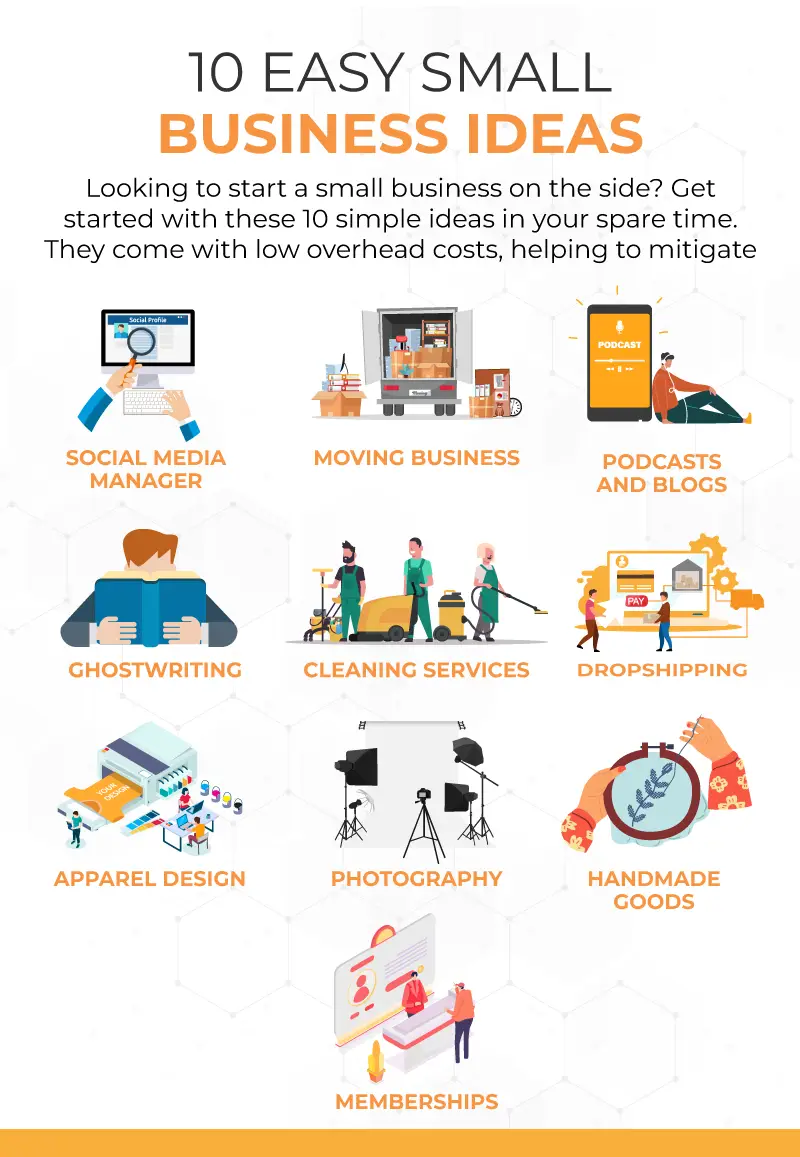
- Writing & Editing: If you have strong language skills, offering content writing for blogs, websites, marketing materials, or proofreading services requires little more than a computer and internet connection. Platforms like Upwork, Fiverr, and Contently connect writers with clients globally.
- Virtual Assistant (VA) Services: Businesses and entrepreneurs often need help with administrative tasks, email management, social media scheduling, data entry, and research. A VA can provide these services remotely, requiring good organizational skills and basic software proficiency.
- Graphic Design: For those with an eye for aesthetics and design software knowledge, creating logos, social media graphics, flyers, and other visual content is a highly marketable skill. Even basic design tools can be used effectively to start.
The key to success in freelancing is building a portfolio, developing strong client relationships, and consistently delivering high-quality work. Payment structures typically include hourly rates, project-based fees, or retainer agreements.
Local Personal Services: Community-Focused Income Generation
Sometimes the easiest businesses are those that address immediate, tangible needs within your local community. These services often rely on word-of-mouth referrals and can be started with very little specialized equipment.
- Pet Sitting/Dog Walking: Animal lovers can offer reliable care for pets in their owners’ homes or take dogs for walks. This requires trustworthiness, a love for animals, and often just basic liability insurance.
- House Cleaning/Organization: Many individuals and families struggle to keep up with household chores. Offering cleaning or professional organizing services can be a straightforward path to income. Startup costs are minimal, primarily consisting of cleaning supplies.
- Tutoring/Skill-Sharing: If you excel in a particular academic subject, music, or practical skill (e.g., teaching basic computer use, a language), you can offer private lessons to students of all ages. This leverages your existing knowledge directly for profit.
These businesses thrive on reputation and customer satisfaction. Building a strong local presence through flyers, community groups, and referrals is crucial.
Consulting/Coaching: Packaging Your Expertise
If you have a deeper level of expertise in a specific niche – be it business strategy, health and wellness, career development, or a technical skill – you can offer consulting or coaching services. This involves guiding clients to achieve specific goals, leveraging your experience without needing to create a physical product.
- Business Coaching: Helping new entrepreneurs navigate the challenges of launching and growing their ventures.
- Life Coaching: Assisting individuals in setting and achieving personal goals, improving relationships, or fostering well-being.
- Niche Consulting: Providing expert advice in areas like social media marketing for local businesses, sustainability practices, or software implementation.
This model requires strong communication, empathy, and a proven track record or deep understanding in your chosen area. It can often begin with free discovery calls and evolve into paid packages, usually conducted online via video conferencing.
Digital-First Ventures: Low Overhead, Broad Reach
The digital age has opened up a plethora of business opportunities that can be started with very low overheads and reach a global audience. These ventures often leverage existing platforms and tools, minimizing the need for complex infrastructure.
Dropshipping and Print-on-Demand: Retail Without Inventory
These models allow you to sell physical products without ever holding inventory, drastically reducing financial risk and storage costs.
- Dropshipping: You partner with a supplier who stores and ships products directly to your customers. Your role is to market the products, manage your online store (e.g., Shopify), and handle customer service. When a customer places an order, you purchase the item from the supplier at a wholesale price, and they ship it. Your profit is the difference between your selling price and the supplier’s price.
- Print-on-Demand (POD): Similar to dropshipping, you create unique designs for products like t-shirts, mugs, phone cases, and hoodies. When a customer orders, a POD service prints your design onto the product and ships it directly. You pay the service only when an order is made, again taking the profit margin.
Both models require a keen eye for product selection, effective marketing strategies, and diligent customer service, but they eliminate the massive financial barrier of buying and storing inventory.
Content Creation: Building an Audience and Monetizing It
For those with a passion for sharing knowledge, entertaining, or storytelling, content creation offers a long-term, scalable path to income.
- Blogging: Starting a blog around a niche topic can generate income through affiliate marketing (promoting other companies’ products), advertising (displaying ads on your site), selling your own digital products, or offering premium content. The initial investment is minimal – typically just a domain name and hosting.
- YouTube Channel/Podcasting: Creating video content or audio podcasts can be monetized through YouTube’s Partner Program (ads), sponsorships, affiliate links, and direct listener/viewer support (e.g., Patreon). While equipment can be upgraded over time, you can start with just a smartphone and basic editing software.
Success in content creation hinges on consistency, delivering value to your audience, and patience, as it often takes time to build a substantial following and generate significant revenue.
Online Courses and Digital Products: Create Once, Sell Many
If you have expertise in a specific subject, packaging that knowledge into an online course, ebook, template, or other digital product offers high-profit margins once the initial creation work is done.
- Online Courses: Platforms like Teachable, Thinkific, or Udemy allow you to host and sell video lessons, workbooks, and other educational materials. Once created, a course can be sold repeatedly with minimal ongoing effort.
- Ebooks and Guides: Write an ebook on a specialized topic, create a comprehensive guide, or design useful templates (e.g., budget planners, social media calendars) and sell them directly from your website or via platforms like Gumroad or Etsy.
The upfront investment is your time and potentially a subscription to a course platform, but the potential for passive income generation makes this a very attractive “easy” business model.
Niche Retail with a Twist: Smarter Inventory and Sales
While traditional retail can be capital-intensive, certain niche retail approaches reduce financial risk by focusing on smart inventory acquisition and direct sales channels.
Curated Second-Hand Sales: Thrifting and Reselling
This business model transforms your passion for finding unique items into a profitable venture. By sourcing second-hand goods cheaply and reselling them at a higher price, you can achieve significant profit margins.
- Clothing Resale: Platforms like eBay, Depop, Poshmark, and Vinted are thriving marketplaces for pre-owned fashion. Success involves knowing brands, identifying quality items, good photography, and accurate descriptions.
- Antiques and Collectibles: With a discerning eye, you can find valuable items at flea markets, garage sales, and estate sales, then resell them on specialized platforms or eBay.
- Flipping Furniture/Home Decor: If you’re handy, buying cheap, worn-out furniture, refurbishing it, and selling it locally (Facebook Marketplace, Craigslist) can be highly profitable.
The “easy” aspect here comes from the low cost of goods and the ability to start very small, reinvesting profits to expand your inventory.
Local Artisan/Craft Sales: Hand-Made and Heartfelt
For creative individuals, turning a hobby into a business can be incredibly rewarding and relatively easy to start.
- Handmade Jewelry, Art, or Crafts: If you create unique items, you can sell them on platforms like Etsy, at local craft fairs, farmers’ markets, or through your own simple e-commerce site.
- Specialty Food Items: Baking, making preserves, or crafting unique spice blends can be sold at local markets, often with minimal regulatory hurdles for small-scale production (check local health codes).
These businesses often thrive on the unique story behind the product and direct customer interaction. Starting locally or online minimizes the need for a physical storefront, keeping costs low.
Essential Considerations for Starting Any Easy Business
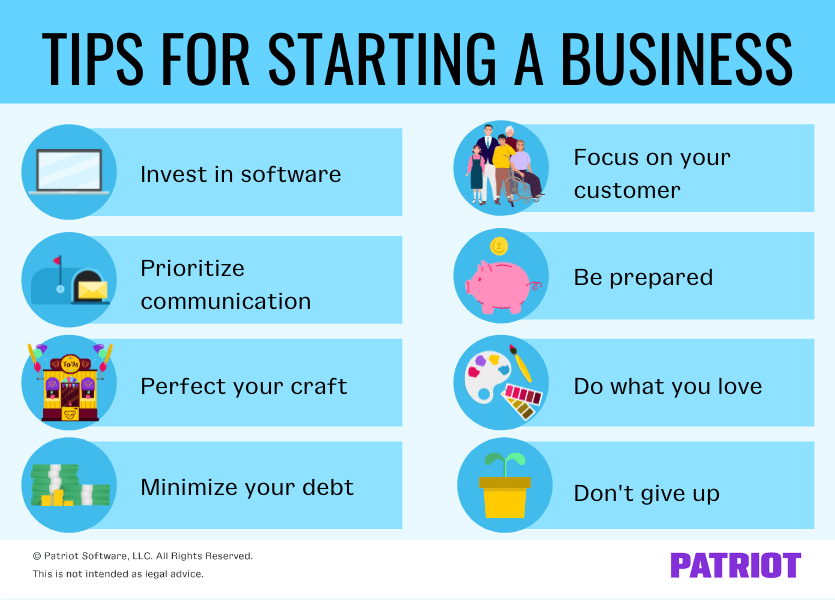
While the businesses discussed above are easier to start, “easy” does not mean “effortless.” Every successful venture, regardless of its initial simplicity, requires dedication, strategic thinking, and continuous effort.
Market Research and Niche Identification: Finding Your Sweet Spot
Even with low startup costs, investing your time wisely requires understanding your target audience and the demand for your offering.
- Identify a Need: What problem does your business solve? What desire does it fulfill?
- Analyze Competition: Who else is offering similar services or products? What makes your offering unique?
- Define Your Niche: The more specific your niche, the easier it often is to market and attract your ideal customer.
Financial Planning and Budgeting: Managing Your Money Wisely
Even for low-cost businesses, keeping track of your finances is paramount.
- Separate Business Finances: Open a separate bank account for your business, even if you’re a sole proprietor.
- Track Income and Expenses: Use simple spreadsheets or accounting software to monitor cash flow.
- Understand Pricing: Price your services or products competitively but profitably, ensuring you cover your costs and compensate for your time.
Legal and Regulatory Compliance: Operating Legitimately
While “easy,” don’t overlook basic legalities.
- Business Structure: Decide if you’ll operate as a sole proprietorship, LLC, etc. (often sole proprietorship is simplest for starters).
- Registrations: Check if your local government requires business licenses or permits.
- Taxes: Understand your tax obligations as a self-employed individual.
Marketing and Customer Acquisition: Getting Your First Clients
An amazing product or service is useless if no one knows about it.
- Leverage Free Channels: Use social media, word-of-mouth, local networking, and online communities relevant to your niche.
- Build an Online Presence: Even a simple website or professional social media profile can establish credibility.
- Offer Value: Provide excellent customer service, deliver on your promises, and actively seek feedback to improve.
Persistence and Adaptability: The Long Game of Entrepreneurship
Initial success might be slow, and challenges will arise. The ability to learn from setbacks, adapt your strategies, and remain persistent is crucial. Entrepreneurship is a journey of continuous learning and evolution.

Conclusion
The question “what is an easy business to start?” is less about finding a shortcut and more about identifying accessible entry points into the entrepreneurial world. From leveraging existing skills in service-based roles to capitalizing on digital platforms for broad reach or curating unique products for niche markets, numerous avenues exist that minimize financial risk and specialized training.
The key lies in aligning your personal strengths, interests, and available resources with a market need. While the initial investment might be low, the true “currency” of these easy businesses is dedication, consistent effort, smart financial management, and a commitment to serving your customers. By choosing a path that feels manageable and exciting, you can take that crucial first step towards building a sustainable and rewarding income stream, proving that entrepreneurship doesn’t always require a hefty loan or decades of experience.
aViewFromTheCave is a participant in the Amazon Services LLC Associates Program, an affiliate advertising program designed to provide a means for sites to earn advertising fees by advertising and linking to Amazon.com. Amazon, the Amazon logo, AmazonSupply, and the AmazonSupply logo are trademarks of Amazon.com, Inc. or its affiliates. As an Amazon Associate we earn affiliate commissions from qualifying purchases.