
In the rapidly evolving landscape of digital commerce, the ability to accept and process payments efficiently and securely is paramount for any business operating online. At the forefront of this technological revolution is Stripe, a global technology company that builds economic infrastructure for the internet. More than just a simple payment gateway, Stripe provides a comprehensive suite of APIs, tools, and services designed to streamline the entire payment ecosystem for businesses of all sizes, from startups to large enterprises. Understanding “what is Stripe payment method” means delving into the sophisticated technological framework that underpins its offerings, enabling seamless, secure, and scalable financial transactions across the globe.
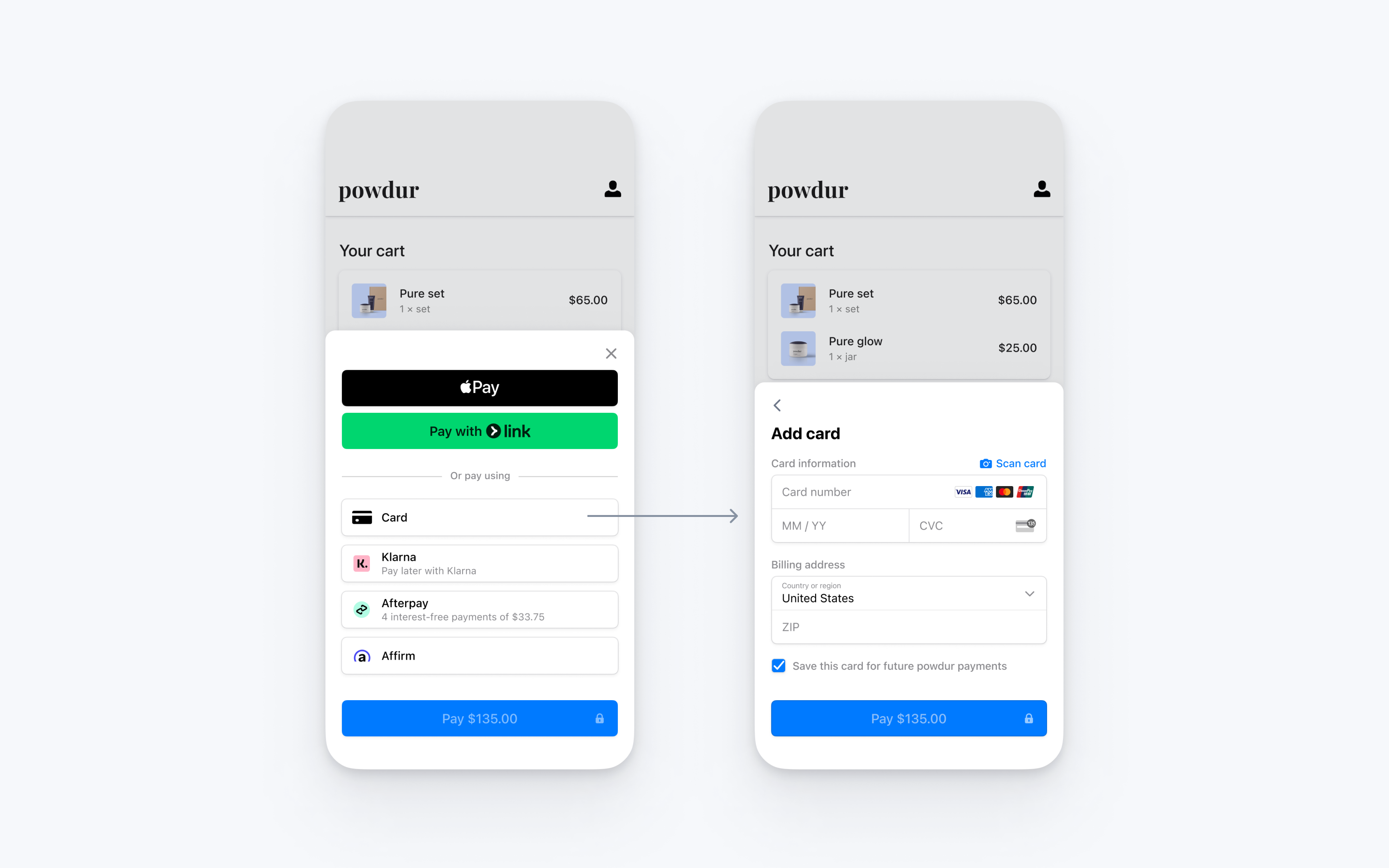
Stripe’s approach is fundamentally developer-centric, offering highly customizable building blocks that allow businesses to integrate payment processing directly into their websites, mobile applications, or platforms. This distinguishes it from traditional payment processors by emphasizing flexibility, modern architecture, and a focus on abstracting away the complexity of financial regulations and infrastructure. From accepting credit cards and digital wallets to managing subscriptions, handling invoicing, and preventing fraud, Stripe’s payment method is not a single product but a powerful, interconnected web of technological solutions engineered to empower internet businesses.
The Core Technology Behind Stripe Payments
At its heart, Stripe is an API-first company, meaning its functionalities are primarily accessed and controlled through application programming interfaces (APIs). This architectural choice is central to understanding how Stripe facilitates payment methods, providing unparalleled flexibility and control for developers and businesses.
A Developer-First Approach to Financial Infrastructure
Stripe’s philosophy revolves around empowering developers. Its extensive suite of APIs, SDKs (Software Development Kits) for various programming languages (e.g., Python, Ruby, Java, Node.js, PHP, Go), and client-side libraries (e.g., Stripe.js for web, mobile SDKs for iOS/Android) makes integration remarkably straightforward. This developer-first approach allows businesses to create highly customized checkout experiences that align perfectly with their brand and user interface, rather than being confined to rigid, pre-built forms.
When a customer initiates a payment, Stripe’s client-side libraries handle the secure collection of sensitive payment information (like credit card numbers). This data is immediately tokenized, meaning it’s converted into a non-sensitive, unique identifier (a token) on Stripe’s secure servers before it ever touches the merchant’s own servers. This critical step, known as tokenization, significantly reduces the merchant’s PCI DSS compliance burden, as they never directly handle raw card data. The token is then used in conjunction with Stripe’s server-side APIs to complete the transaction, communicating securely with financial networks. This modular, API-driven design allows for sophisticated backend logic, real-time data processing, and seamless integration with existing business systems like CRMs or inventory management software.
The Seamless Payment Processing Flow
Stripe orchestrates a complex payment flow that appears simple and instantaneous to the end-user. Once a payment token is generated, the merchant’s server sends a request to Stripe’s API with this token and the transaction details (amount, currency, customer information). Stripe then takes over, performing a series of rapid, intricate steps:
- Authorization: Stripe communicates with the issuing bank (the customer’s bank) to verify funds and secure the amount.
- Authentication (if required): For transactions requiring stronger customer authentication (like 3D Secure 2), Stripe facilitates this process, prompting the customer for additional verification.
- Capture: If authorized, Stripe instructs the acquiring bank (the merchant’s bank) to capture the funds.
- Settlement: The funds are then transferred from the customer’s bank, through various payment networks, to the merchant’s Stripe account, and eventually to their designated bank account. This typically takes a few business days.
Throughout this process, Stripe leverages webhooks to provide real-time updates to the merchant’s system about the status of a transaction (e.g., payment succeeded, payment failed, refund initiated). This event-driven architecture allows businesses to react instantly to payment events, automate workflows, and maintain a highly responsive commerce experience.
Unpacking Stripe’s Versatile Product Suite
Stripe’s “payment method” is not a monolithic service but a comprehensive ecosystem of interconnected products, each designed to address specific payment challenges and expand the capabilities of internet businesses.
Beyond Basic Card Processing: Diverse Payment Methods
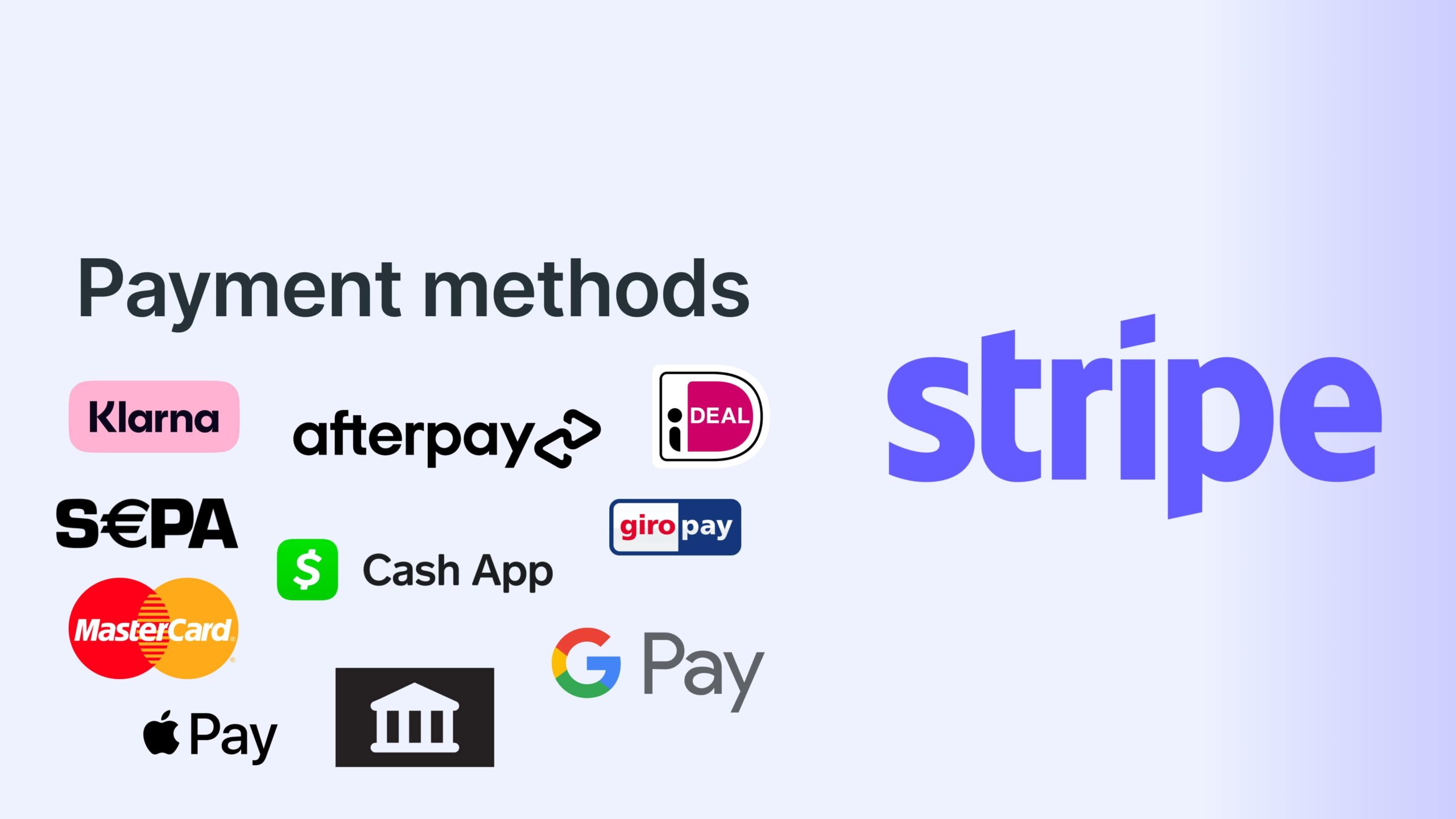
While credit and debit card processing remains a core offering, Stripe extends far beyond, enabling businesses to accept a vast array of global and local payment methods. This diversification is crucial for businesses targeting international markets or catering to specific customer preferences. Stripe supports:
- Major Credit/Debit Cards: Visa, MasterCard, American Express, Discover, Diners Club, JCB.
- Digital Wallets: Apple Pay, Google Pay, Microsoft Pay. These methods enhance convenience and security by tokenizing card details on the user’s device.
- Bank Debits: ACH (Automated Clearing House) in the US, SEPA Direct Debit in Europe, Bacs Direct Debit in the UK. These are popular for recurring payments and large transactions.
- Local Payment Methods: iDEAL (Netherlands), Bancontact (Belgium), Giropay (Germany), Alipay/WeChat Pay (China), Klarna (Buy Now, Pay Later), and many more. Stripe continuously adds support for emerging payment methods, ensuring businesses can adapt to evolving consumer preferences worldwide.
The underlying technology for each of these methods is abstracted by Stripe’s API, allowing developers to integrate them with minimal additional effort. This means a business can offer a multitude of payment options without needing to build custom integrations for each one, significantly reducing development time and complexity.
Advanced Features for Modern Commerce
Stripe’s payment method extends into specialized services that cater to different business models:
- Stripe Connect: This is a powerful platform for marketplaces (e.g., Etsy, Lyft) and SaaS platforms that need to facilitate payments between multiple parties. Connect handles complex money routing, onboarding of sellers/service providers, and compliance requirements, allowing platforms to focus on their core product. It offers different account types (Standard, Express, Custom) to fit varying levels of platform involvement and control, all managed through robust APIs.
- Stripe Billing: Designed for subscription and recurring revenue businesses, Billing automates invoicing, subscription management, prorations, usage-based billing, and dunning (retrying failed payments). It integrates directly with Stripe Payments to ensure seamless payment collection for recurring services. Its smart retry logic, for instance, leverages machine learning to determine the optimal time to reattempt a failed charge, improving recovery rates.
- Stripe Terminal: Bridging the gap between online and offline commerce, Terminal provides a developer-friendly SDK and APIs for building custom in-person checkout experiences. It integrates with Stripe’s certified card readers, allowing businesses to accept physical card payments while leveraging the same Stripe infrastructure for inventory, customer data, and reconciliation.
- Stripe Tax: An automated tax calculation and remittance service that integrates directly into the payment flow, ensuring businesses remain compliant with complex sales tax, VAT, and GST regulations across different jurisdictions.
Robust Security and Compliance Architecture
Security is not an afterthought for Stripe; it’s fundamental to its payment method offering. Given the sensitive nature of financial transactions, Stripe employs a multi-layered security and compliance architecture designed to protect both businesses and their customers.
Safeguarding Transactions with PCI DSS and Encryption
Stripe is certified as a PCI Service Provider Level 1, the highest level of certification available in the payment industry. This means it adheres to stringent security standards set by the Payment Card Industry Data Security Standard (PCI DSS). For businesses using Stripe, this significantly alleviates their own compliance burden, especially with the use of tokenization and Stripe Checkout which ensure sensitive card data never touches their servers.
Every piece of data processed through Stripe, from customer information to transaction details, is encrypted at rest and in transit using industry-standard protocols like TLS (Transport Layer Security). Stripe’s infrastructure is designed with redundancy and fault tolerance to ensure high availability and protect against data loss. Furthermore, Stripe provides tools for businesses to manage security settings, implement strong authentication, and monitor activity within their accounts.
AI-Powered Fraud Prevention: Stripe Radar
Fraud is a persistent threat in online commerce. Stripe addresses this with Stripe Radar, an advanced fraud prevention system powered by machine learning. Radar continuously analyzes billions of data points across the entire Stripe network to detect and block fraudulent transactions in real-time.
- Dynamic Risk Assessment: Radar assesses each transaction for risk indicators, considering factors like customer location, IP address, device fingerprint, historical purchase patterns, and global fraud trends. It leverages network effects, meaning that a fraudulent pattern detected on one Stripe merchant’s site can inform the risk assessment for all other merchants.
- Machine Learning Models: Stripe’s machine learning models are constantly updated and refined, learning from new fraud attempts and legitimate transactions. This allows Radar to adapt to evolving fraud tactics more effectively than static rule-based systems.
- Customizable Rules: While Radar provides powerful automatic protection, businesses can also set their own custom rules to fine-tune fraud prevention based on their specific risk appetite and business model. For instance, they might block transactions from certain countries or flag purchases above a certain amount for review.
- 3D Secure 2 Integration: Radar intelligently determines when to request 3D Secure 2 authentication, adding an extra layer of security for high-risk transactions while minimizing friction for low-risk ones.
Integration and Scalability for Global Growth
Stripe’s technological design makes it an ideal partner for businesses looking to scale their operations globally and adapt to diverse market needs.
Flexible APIs and SDKs for Custom Implementations
The core strength of Stripe lies in its flexibility. Its robust and well-documented APIs allow developers to:
- Build Custom Checkout Flows: Businesses can design unique checkout pages, embed payment forms, and control every aspect of the user experience.
- Integrate with Existing Systems: Stripe can be seamlessly integrated with CRM, ERP, accounting software, and other business tools, allowing for unified data management and automated workflows.
- Develop Bespoke Applications: For complex use cases, developers can build custom applications on top of Stripe’s infrastructure, leveraging its payment, billing, and connect functionalities.
- Utilize Pre-built Solutions: For simpler needs, Stripe offers pre-built solutions like Stripe Checkout, which provides a hosted, secure, and mobile-responsive payment page that requires minimal coding.
This spectrum of integration options ensures that Stripe can meet the technical requirements of virtually any business, from a sole proprietor using a simple embeddable form to a multinational corporation building a custom payment orchestration layer.

Global Reach and Multi-Currency Capabilities
For businesses with international ambitions, Stripe offers unparalleled global reach. It supports payments in over 135 currencies and provides localized payment methods in numerous countries, allowing businesses to present prices and accept payments in customers’ native currencies.
Stripe automatically handles currency conversions, international settlements, and compliance with local financial regulations, effectively abstracting away the complexities of cross-border commerce. This global infrastructure means that a business based in one country can easily expand its customer base to virtually any other part of the world, offering a localized payment experience without needing to establish separate legal entities or banking relationships in each region. Its robust reporting and analytics dashboard also provides a consolidated view of global transactions, simplifying financial reconciliation and insights across diverse markets.
In conclusion, “what is Stripe payment method” encapsulates a sophisticated, developer-friendly, and globally scalable technological ecosystem. It’s a suite of tools built on robust APIs, designed for secure and efficient payment processing, fraud prevention, and financial management across a myriad of business models. By abstracting the intricacies of global financial infrastructure, Stripe empowers businesses to focus on their core products and services, confident that their payment needs are handled by a leading-edge technology partner.
aViewFromTheCave is a participant in the Amazon Services LLC Associates Program, an affiliate advertising program designed to provide a means for sites to earn advertising fees by advertising and linking to Amazon.com. Amazon, the Amazon logo, AmazonSupply, and the AmazonSupply logo are trademarks of Amazon.com, Inc. or its affiliates. As an Amazon Associate we earn affiliate commissions from qualifying purchases.