
Navigating the complexities of personal finance can often feel like an uphill battle, especially when the end of the month always seems to arrive faster than your next paycheck. However, at the core of financial stability and future prosperity lies a powerful, yet often underutilized tool: the budget. Budgeting your paycheck isn’t just about restricting your spending; it’s about empowering yourself, gaining control over your financial destiny, and ensuring that your hard-earned money works for you, not against you.
In today’s fast-paced world, where expenses can quickly outpace income, a well-structured budget serves as your financial roadmap. It provides clarity on where your money is going, highlights areas for potential savings, and aligns your daily spending habits with your long-term financial aspirations. Whether you dream of buying a home, paying off debt, building an emergency fund, or simply enjoying peace of mind, mastering the art of budgeting your paycheck is the crucial first step. This guide will walk you through practical strategies and insights to transform your financial habits and build a secure future.
Understanding Your Financial Landscape
Before you can effectively budget, you must first understand the terrain of your own finances. This involves a clear-eyed assessment of both your income and your expenses. Without this foundational knowledge, any budgeting attempt will be like trying to navigate a dense fog – you might move forward, but you won’t know where you’re truly headed.
Income Assessment: Knowing What You Have
The first step in any budgeting process is to get a precise understanding of your income. This isn’t just about the number on your offer letter; it’s about the real money that lands in your bank account.
- Gross vs. Net Pay: Your gross pay is your total earnings before any deductions. However, what truly matters for budgeting is your net pay – the amount you receive after taxes, health insurance premiums, retirement contributions, and other deductions have been taken out. This is your “take-home” pay, and it’s the figure you’ll use for your budget.
- Consistency of Income: Do you have a fixed salary, or does your income fluctuate due to commissions, tips, or hourly work? If your income is variable, it requires a slightly different budgeting approach, often involving basing your budget on a conservative estimate of your monthly income or utilizing a “buffer” system.
- Other Income Sources: Don’t forget to include any additional income, such as earnings from a side hustle, rental income, or dividends. Ensure these are consistently available and factor them into your overall income calculation.
By accurately assessing your net income, you establish the baseline for all your financial decisions.
Expense Tracking: Where Does Your Money Go?
Once you know how much money you have coming in, the next critical step is to understand where it’s going. This can often be an eye-opening experience, revealing spending habits you might not even be aware of.
- Fixed Expenses: These are costs that generally remain the same each month. Examples include rent or mortgage payments, loan installments (car, student), insurance premiums, and subscription services (Netflix, gym memberships). They are relatively predictable and form the backbone of your monthly financial commitments.
- Variable Expenses: These expenses fluctuate from month to month and are often where significant savings can be found. Common variable expenses include groceries, dining out, entertainment, transportation (gas, public transport), utilities (which can vary seasonally), and personal care.
- The Importance of Tracking: For at least one to two months, diligently track every single dollar you spend. This can be done manually with a notebook, using a spreadsheet, or through budgeting apps that link to your bank accounts. This tracking phase is not about judgment but about data collection. It provides an unfiltered look at your spending patterns, allowing you to identify areas where adjustments can be made. Without this data, you’re merely guessing at your spending habits.
Crafting Your Budget Strategy
With a clear picture of your income and expenses, you’re ready to choose and implement a budgeting strategy that aligns with your lifestyle and financial goals. There isn’t a one-size-fits-all approach, but several popular methods offer effective frameworks.
The 50/30/20 Rule: A Balanced Approach
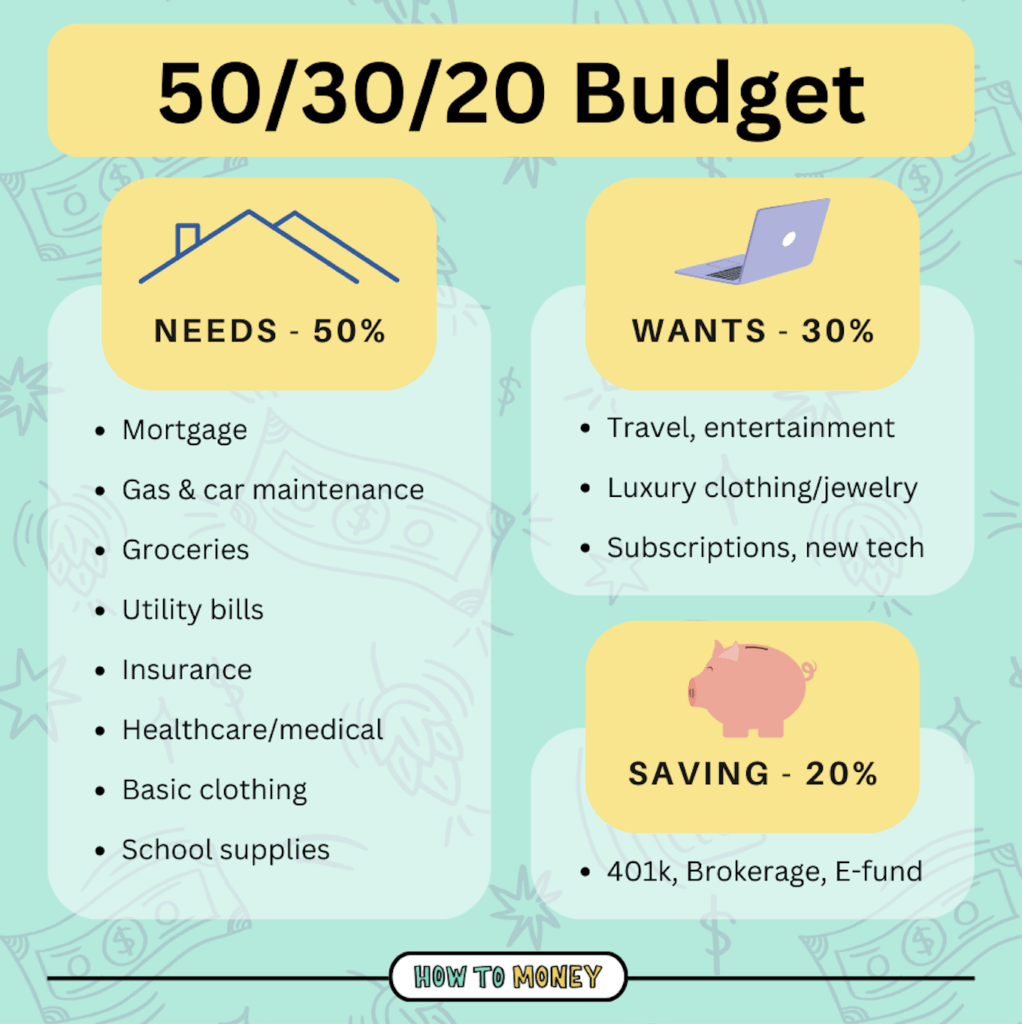
One of the most widely recommended and straightforward budgeting methods is the 50/30/20 rule. Developed by Senator Elizabeth Warren, this rule helps you allocate your after-tax income into three broad categories:
- 50% for Needs: This portion of your income should cover essential living expenses. This includes housing (rent/mortgage), utilities, groceries, transportation costs (gas, public transit), health insurance, and minimum payments on debt. These are the expenses you cannot realistically live without.
- 30% for Wants: This category encompasses everything that improves your quality of life but isn’t strictly necessary. Examples include dining out, entertainment, hobbies, vacations, new clothes, and subscriptions beyond basic necessities. This is where you have the most flexibility to cut back if needed.
- 20% for Savings & Debt Repayment: This crucial segment is dedicated to building your financial future. It includes contributions to your emergency fund, retirement accounts (401k, IRA), investment accounts, and any extra payments towards high-interest debt (beyond the minimums already covered in “Needs”).
The 50/30/20 rule offers a balanced and flexible framework, making it an excellent starting point for many individuals and families.
Zero-Based Budgeting: Giving Every Dollar a Job
Zero-based budgeting is a more rigorous approach where every dollar of your income is assigned a specific purpose. The goal is that your income minus your expenses and savings equals zero.
- How it Works: At the beginning of each pay period or month, you allocate every dollar you expect to receive to a specific category. This means assigning money for rent, groceries, transportation, entertainment, and savings, debt repayment, and even a “miscellaneous” category.
- Benefits: This method ensures that no money is left unaccounted for, providing maximum control and clarity over your finances. It forces you to be intentional with every dollar, significantly reducing wasteful spending and helping you reach your financial goals faster. It’s particularly effective for those who struggle with “mystery” spending or want to accelerate debt repayment or savings.
Prioritizing Financial Goals: What Matters Most?
A budget is more than just an accounting tool; it’s a strategic plan to achieve your financial aspirations. Identifying and prioritizing your goals is essential for motivating your budgeting efforts.
- Short-Term Goals (1-2 years): These might include building an emergency fund (3-6 months of living expenses), saving for a down payment on a car, or funding a much-needed vacation.
- Medium-Term Goals (3-5 years): Examples include saving for a substantial down payment on a home, paying off significant debt, or investing in further education.
- Long-Term Goals (5+ years): This category typically involves retirement planning, children’s college funds, or achieving financial independence.
Once your goals are clear, you can allocate specific portions of your savings and debt repayment categories towards them, making your budget a powerful tool for turning dreams into reality.
Implementing and Maintaining Your Budget
Creating a budget is the first step, but its true power lies in consistent implementation and regular maintenance. A budget is a living document, not a static one-time creation.

Choosing the Right Tools
The best budgeting tool is the one you’ll actually use consistently. Options range from low-tech to high-tech:
- Spreadsheets: Programs like Microsoft Excel or Google Sheets offer immense flexibility. You can create custom templates to track income, expenses, and savings. They require manual input but provide a detailed overview and powerful analytical capabilities.
- Budgeting Apps: Digital tools such as Mint, YNAB (You Need A Budget), Simplifi by Quicken, and Personal Capital can automate much of the tracking process by linking directly to your bank accounts and credit cards. They categorize transactions, offer visual dashboards, and often provide goal-tracking features. YNAB, in particular, champions the zero-based budgeting philosophy.
- Traditional Pen & Paper: For those who prefer a tactile approach, a simple notebook and pen can be highly effective. The act of physically writing down expenses can reinforce financial awareness.
Regardless of the tool, consistency is paramount.
Regular Review and Adjustment: Your Budget is a Living Document
Your financial situation and life circumstances are rarely static, and neither should your budget be.
- Monthly Check-ins: Set aside time each month (e.g., on payday) to review your budget. Compare your actual spending to your budgeted amounts. Identify categories where you overspent or underspent.
- Adapting to Life Changes: Did you get a raise? Did a major expense come up? Did you start a new job or have a baby? Any significant life event warrants a review and potential adjustment of your budget. A budget should adapt to your life, not make your life adapt to it rigidly.
- Learning and Improving: Don’t view deviations from your budget as failures. Instead, see them as learning opportunities. What caused the overspending? Was the original allocation unrealistic? Adjust your categories as needed for the next month. The goal is continuous improvement, not perfection.
Dealing with Irregular Paychecks or Unexpected Expenses
For those with variable incomes or anyone facing the inevitability of unforeseen costs, specific strategies can bolster your budget.
- Building a Buffer: If your income fluctuates, try to build a one-month buffer in your checking account. This means living off last month’s income, allowing you to budget with a known, consistent amount each month, even if your actual earnings varied.
- Sinking Funds: These are dedicated savings accounts or categories for anticipated but irregular expenses. Examples include holiday gifts, car maintenance, annual insurance premiums, or home repairs. By setting aside a small amount each paycheck, you avoid being caught off guard when these costs arise.
Beyond the Basics: Optimizing Your Financial Health
Once you’ve established a solid budgeting routine, you can begin to optimize your financial health further, moving beyond mere tracking to strategic growth and protection.
Building an Emergency Fund: Your Financial Safety Net
An emergency fund is arguably the most critical component of personal finance, acting as a buffer against life’s inevitable surprises.
- The “Why”: Without an emergency fund, unexpected events like job loss, medical emergencies, or significant car repairs can derail your budget, force you into debt, or deplete your long-term savings.
- The “How Much”: Financial experts generally recommend saving 3 to 6 months’ worth of essential living expenses. For added security, especially if you have dependants or an unstable job, aiming for 9-12 months can provide greater peace of mind. This fund should be held in a readily accessible, liquid account, such as a high-yield savings account, separate from your everyday checking account.
Tackling Debt Strategically: Freeing Up Your Future Income
High-interest debt can be a significant drain on your budget, consuming funds that could otherwise go towards savings or investments.
- Debt Snowball vs. Debt Avalanche:
- Debt Snowball: Pay off the smallest debt first, regardless of interest rate, while making minimum payments on others. Once the smallest is paid, roll that payment into the next smallest, gaining psychological momentum.
- Debt Avalanche: Pay off the debt with the highest interest rate first, while making minimum payments on others. This method saves you the most money in interest over time.
Choosing the method that best suits your motivation and financial situation is key. Prioritizing consumer debt, especially credit card debt, is crucial to free up your monthly cash flow.
Saving and Investing for the Future: Growing Your Wealth
With a stable budget and a robust emergency fund, you can focus on building long-term wealth.
- Retirement Accounts: Maximize contributions to tax-advantaged retirement accounts like 401(k)s (especially if your employer offers a match – that’s free money!) and Individual Retirement Accounts (IRAs).
- Brokerage Accounts: For savings beyond retirement, consider opening a brokerage account to invest in a diversified portfolio of stocks, bonds, and mutual funds.
- Automate Savings: The easiest way to save is to make it automatic. Set up automatic transfers from your checking account to your savings, investment, and retirement accounts immediately after each paycheck. “Pay yourself first” ensures your financial goals are prioritized.
Increasing Income and Reducing Expenses: A Two-Pronged Approach
While budgeting helps manage what you have, continuously looking for ways to enhance your financial position can accelerate your progress.
- Increase Income: Explore side hustles, freelance opportunities, negotiate for a raise at your current job, or acquire new skills to boost your earning potential.
- Reduce Expenses: Beyond the obvious cuts, consider reviewing recurring bills for potential savings (e.g., negotiating insurance rates, bundling services, canceling unused subscriptions). Embrace frugal living where it aligns with your values.
Conclusion
Budgeting your paycheck is not a punitive exercise; it is an act of self-care and empowerment. It’s the cornerstone of sound personal finance, enabling you to understand your money, make intentional choices, and actively work towards your financial goals. While it may require discipline and regular attention, the clarity, control, and peace of mind it provides are invaluable.
Start today by understanding your income and expenses, choosing a budgeting method that resonates with you, and committing to consistent review and adjustment. Remember, the journey to financial freedom is a marathon, not a sprint. With each paycheck you budget thoughtfully, you take another confident step towards a more secure and prosperous future. Embrace the process, be patient with yourself, and watch as your financial landscape transforms before your eyes.
aViewFromTheCave is a participant in the Amazon Services LLC Associates Program, an affiliate advertising program designed to provide a means for sites to earn advertising fees by advertising and linking to Amazon.com. Amazon, the Amazon logo, AmazonSupply, and the AmazonSupply logo are trademarks of Amazon.com, Inc. or its affiliates. As an Amazon Associate we earn affiliate commissions from qualifying purchases.