
In an increasingly complex and unpredictable world, the act of saving money often feels like a quaint, almost archaic, piece of advice from a bygone era. Yet, its fundamental importance remains undiminished, serving as a cornerstone of financial stability, personal freedom, and a stress-reduced life. Saving money is not merely about accumulating wealth; it’s about building a robust financial defense, unlocking future opportunities, and cultivating a profound sense of security that permeates every aspect of existence. This article will delve into the multifaceted reasons why cultivating a consistent saving habit is not just beneficial, but absolutely essential for anyone aspiring to financial well-being and a life lived on their own terms.
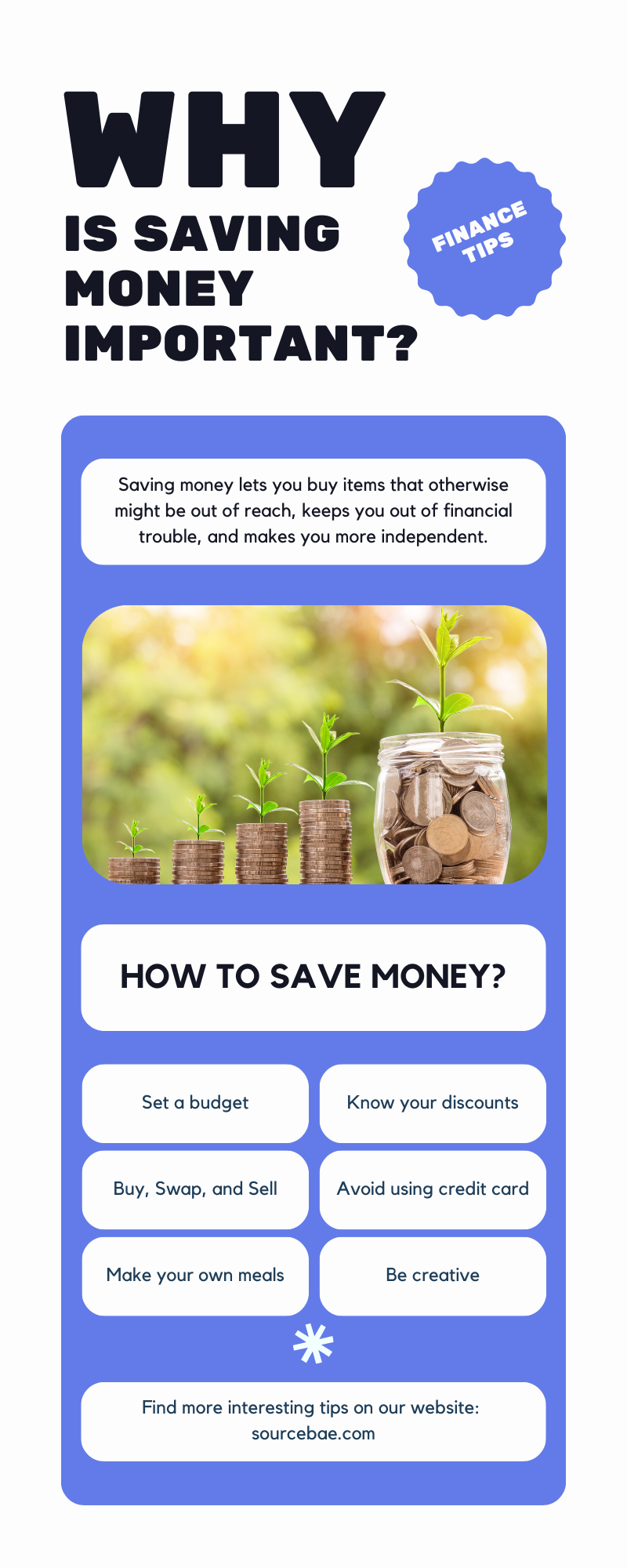
Building a Foundation for Financial Security
The primary and most immediate benefit of saving money is the establishment of a strong financial safety net. Life is replete with unforeseen circumstances, and having a buffer of savings can mean the difference between navigating a challenge with relative ease and being plunged into a spiral of debt and despair.
Emergency Fund: Your First Line of Defense
Perhaps the most crucial component of financial security is the emergency fund. This dedicated pool of savings is specifically earmarked for unexpected expenses that could otherwise derail your financial progress. Think of it as an insurance policy for your everyday life. Job loss, medical emergencies, sudden car repairs, or an unexpected home maintenance issue can strike at any moment. Without an emergency fund, individuals often resort to high-interest credit cards or personal loans, digging themselves into a debt hole that is difficult to escape. A general rule of thumb suggests having at least three to six months’ worth of essential living expenses saved in an easily accessible, liquid account, separate from your regular checking account. This fund provides peace of mind, allowing you to address crises without compromising your long-term financial goals.
Debt Reduction and Avoidance
Saving money is intrinsically linked to debt management. By having savings, you are less likely to incur new debt when unexpected costs arise. Instead of charging an emergency repair to a credit card, you can draw from your savings. Furthermore, accumulated savings can be strategically used to pay down existing high-interest debts, such as credit card balances or personal loans. Every dollar saved and then applied to debt not only reduces your principal but also saves you a significant amount in interest payments over time. This accelerates your journey towards being debt-free, freeing up more of your income for future savings and investments.
Major Life Goals and Aspirations
Beyond emergencies, saving is the indispensable key to achieving significant life milestones. Whether your dreams involve homeownership, funding a child’s education, starting a business, taking a sabbatical, or embarking on a once-in-a-lifetime travel experience, these aspirations almost invariably require substantial capital. Consistent saving, coupled with a clear understanding of your goals, provides the necessary funding without relying on burdensome loans or compromising other financial priorities. It transforms abstract desires into tangible plans with actionable steps.
Cultivating Financial Independence and Freedom
Saving money is not just about avoiding bad outcomes; it’s profoundly about creating good ones. It’s the engine that drives financial independence, offering choices and opportunities that would otherwise be out of reach.
The Power of Compound Interest
One of the most compelling arguments for saving is harnessing the incredible power of compound interest. This phenomenon, often called the “eighth wonder of the world,” allows your money to earn returns, and then those returns themselves earn returns. The earlier you start saving and investing, the more time your money has to compound, leading to exponential growth. Even small, consistent contributions made early in life can accumulate into substantial wealth over decades. Understanding and leveraging compound interest means your money works harder for you, allowing your savings to grow not just arithmetically, but geometrically. It’s a testament to the long-term vision inherent in saving.
Investing for Long-Term Wealth
While an emergency fund typically resides in a liquid, low-risk account, a significant portion of your savings should be directed towards investments for long-term wealth creation. Investing allows your money to outpace inflation and grow significantly over time. Diversified portfolios of stocks, bonds, mutual funds, real estate, or other assets can provide substantial returns. Saving is the prerequisite for investing; you need capital to deploy. A well-thought-out investment strategy, fueled by consistent savings, is the most reliable path to building substantial wealth and securing your financial future, including a comfortable retirement.
Achieving Early Retirement or Financial Freedom (FIRE)
For many, the ultimate goal of diligent saving and intelligent investing is to achieve Financial Independence, Retire Early (FIRE). This movement is about accumulating enough passive income from investments to cover living expenses, thereby making traditional employment optional. Even if early retirement isn’t your specific goal, financial independence means having the freedom to pursue passions, change careers, take breaks, or simply live life on your own terms without being beholden to a paycheck. Saving accelerates this journey by building the capital base necessary to generate sufficient passive income, granting you unprecedented control over your time and life choices.

Enhancing Quality of Life and Reducing Stress
Beyond the tangible financial benefits, saving money profoundly impacts mental well-being and overall quality of life. The psychological dividends of financial security are often underestimated.
Peace of Mind
Perhaps the most understated benefit of saving is the profound peace of mind it provides. Knowing you have a financial cushion to fall back on alleviates a significant source of anxiety for many. The worry of an unexpected bill, a job loss, or a medical emergency is dramatically reduced when you know you are prepared. This emotional security allows you to focus on other aspects of your life – relationships, health, personal growth, and career – without the constant undercurrent of financial stress. It fosters a sense of control and resilience, enabling you to face life’s challenges from a position of strength rather than vulnerability.
Flexibility and Opportunities
A healthy savings account provides unparalleled flexibility. It offers the freedom to seize opportunities that might otherwise pass you by. Perhaps an exciting but lower-paying job opportunity arises in a new city, or you have the chance to take a sabbatical to pursue further education or a personal project. Savings provide the financial runway to take calculated risks, make career changes, or embrace new experiences without jeopardizing your stability. This flexibility translates into a richer, more fulfilling life, unconstrained by immediate financial pressures.
Avoiding Financial Scarcity Mindset
A constant struggle with money can lead to a scarcity mindset – a belief that there’s never enough, fostering anxiety, fear, and limited thinking. Saving money helps to break this cycle. By consistently putting money aside, you reinforce a belief in abundance and preparedness. This shift in mindset can positively influence your decision-making in all areas of life, moving you from reactive crisis management to proactive planning and seizing opportunities. It cultivates a sense of empowerment and control over your financial destiny.
Practical Strategies for Effective Saving
The importance of saving is clear, but how does one actually cultivate this habit successfully? It requires discipline, planning, and often, a shift in mindset.
Budgeting and Tracking Expenses
The first step to effective saving is understanding where your money goes. Creating a detailed budget allows you to track your income and expenses, identify areas of overspending, and pinpoint opportunities to cut back. There are numerous budgeting methods – from the 50/30/20 rule (50% needs, 30% wants, 20% savings/debt) to zero-based budgeting – find one that resonates with you. Regularly reviewing your spending habits is crucial for staying on track and making informed financial decisions.
Setting Clear Financial Goals
Saving without a purpose can feel aimless. Define specific, measurable, achievable, relevant, and time-bound (SMART) financial goals. Whether it’s “save $5,000 for a down payment by next year” or “build a six-month emergency fund within two years,” clear goals provide motivation and a roadmap for your savings efforts. Break larger goals into smaller, manageable steps to maintain momentum and celebrate progress.
Automating Your Savings
One of the most powerful strategies is to “pay yourself first.” Set up automatic transfers from your checking account to your savings or investment accounts immediately after your paycheck arrives. This ensures that saving is prioritized and becomes a non-negotiable expense, rather than an afterthought. Automating makes saving consistent and reduces the temptation to spend money before it’s saved.
Cutting Unnecessary Expenses
Distinguishing between needs and wants is fundamental to effective saving. Regularly evaluate your discretionary spending. Can you reduce dining out, cancel unused subscriptions, or find cheaper alternatives for services? Even small, consistent cuts can add up significantly over time. Focus on areas where you can trim without significantly impacting your quality of life.

Increasing Income Streams
While cutting expenses is important, increasing your income can accelerate your savings progress dramatically. Consider a side hustle, freelance work, negotiating a raise at your current job, or developing new skills that command higher pay. More income means more money available to save and invest, speeding up your journey to financial security and independence.
In conclusion, saving money is far more than a simple financial exercise; it’s a profound commitment to your future self. It’s about building resilience, seizing opportunities, and creating a life rich in choices and free from the suffocating grip of financial anxiety. By understanding its fundamental importance and implementing practical strategies, anyone can cultivate this vital habit, transforming abstract financial aspirations into a tangible reality. The journey begins with a single dollar saved, but its impact reverberates through a lifetime of security, freedom, and peace of mind.
aViewFromTheCave is a participant in the Amazon Services LLC Associates Program, an affiliate advertising program designed to provide a means for sites to earn advertising fees by advertising and linking to Amazon.com. Amazon, the Amazon logo, AmazonSupply, and the AmazonSupply logo are trademarks of Amazon.com, Inc. or its affiliates. As an Amazon Associate we earn affiliate commissions from qualifying purchases.