
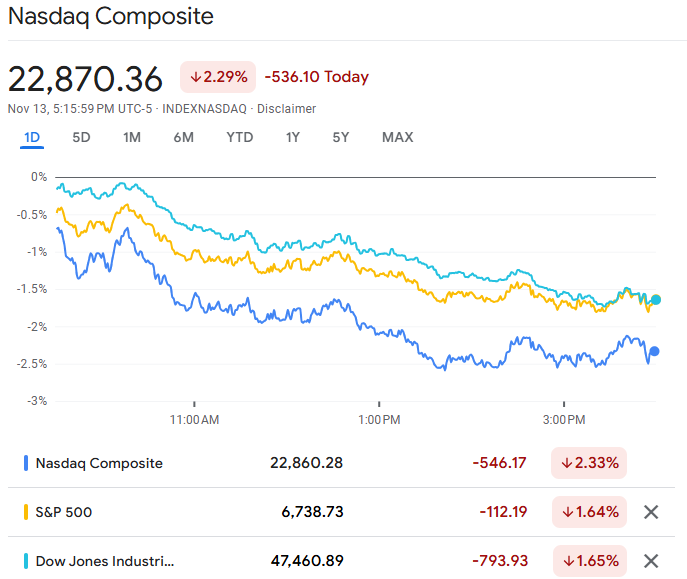
Today’s stock market plunge has left many investors searching for answers, transforming portfolios from green to red in what felt like an instant. While the daily fluctuations of the market can often seem arbitrary, significant drops are almost always catalyzed by a confluence of identifiable factors, ranging from macroeconomic shifts to company-specific news and underlying market psychology. Understanding these drivers is not just about sating curiosity; it’s crucial for making informed decisions, managing risk, and cultivating a resilient long-term investment strategy.
The intricate web of global finance ensures that no single event operates in isolation. A drop on Wall Street can reverberate across international bourses, just as a geopolitical event in one corner of the world can send ripples through commodity prices and, subsequently, corporate earnings. In this comprehensive analysis, we delve into the multifaceted reasons behind today’s market downturn, dissecting the immediate triggers and placing them within the broader context of economic and financial landscapes. For both seasoned investors and curious newcomers, unraveling the ‘why’ behind today’s market action is the first step towards navigating the unpredictable currents of the financial world with greater confidence and foresight.
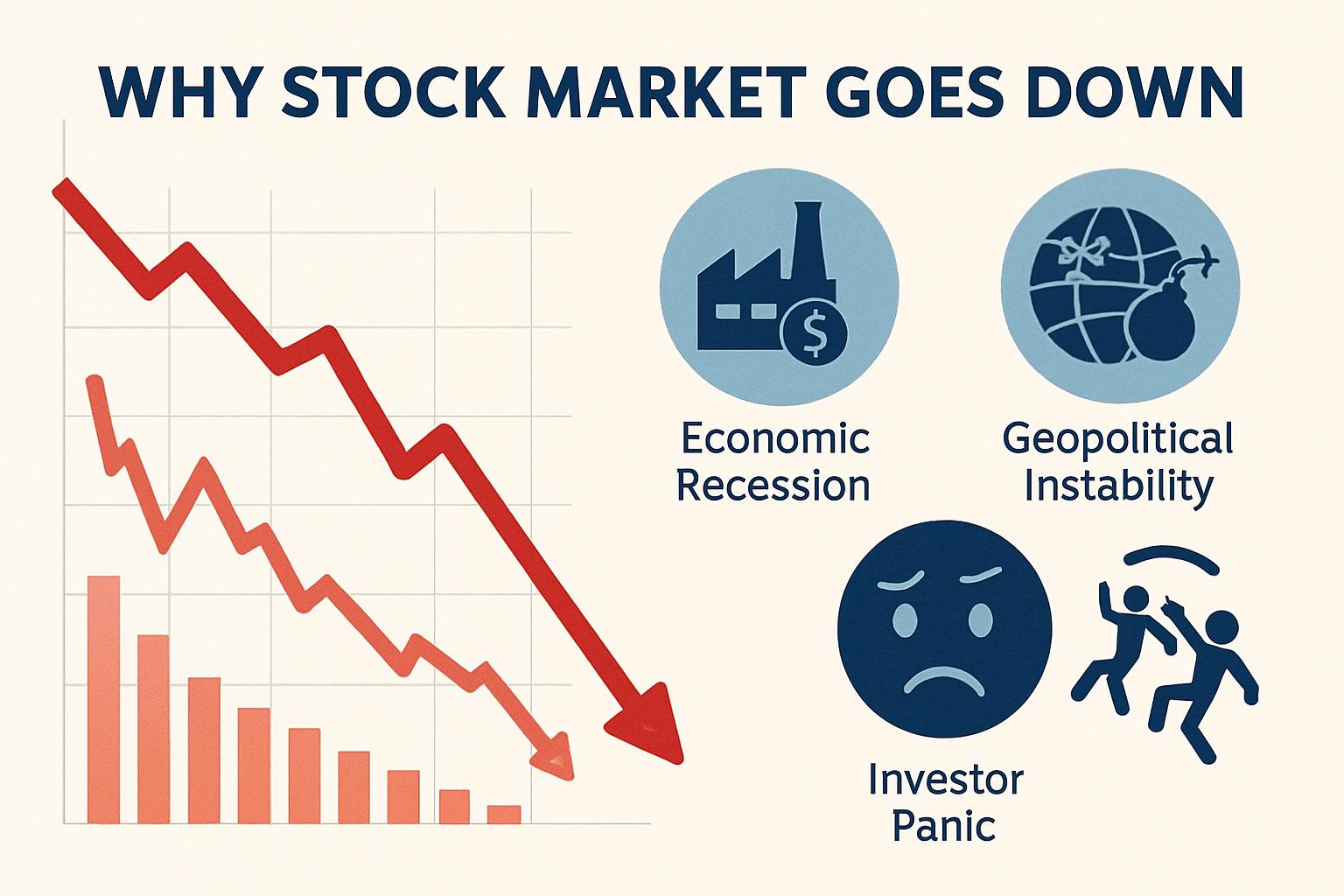
Understanding the Immediate Triggers: Macroeconomic Headwinds
The most potent forces capable of moving entire markets are often macroeconomic in nature. These broad economic trends and policy decisions set the stage for corporate performance and investor sentiment, often dictating the overall direction of equity markets. When these indicators signal turbulence, a market-wide correction or downturn is a common response.
Inflationary Pressures and Interest Rate Hikes
One of the most frequently cited culprits for recent market jitters has been the persistent specter of inflation. When the cost of goods and services rises rapidly, it erodes purchasing power for consumers and increases operational costs for businesses, potentially squeezing profit margins. Central banks, in their mandate to maintain price stability, often respond to high inflation by raising benchmark interest rates. While this is a necessary tool to cool down an overheating economy, it has several immediate negative consequences for the stock market. Higher interest rates make borrowing more expensive for companies, impacting their expansion plans and profitability. Crucially, they also make bonds and other fixed-income investments more attractive relative to stocks, as investors can earn a higher risk-free return, prompting a shift in capital allocation away from equities. Furthermore, higher discount rates used in valuation models reduce the present value of future earnings, particularly impacting growth stocks whose valuations are heavily dependent on future projections.
Economic Slowdown Fears and Recessionary Signals
Beneath the surface of daily market movements often lie deeper anxieties about the overall health of the economy. Fears of an impending economic slowdown, or even a full-blown recession, can trigger widespread selling. Various indicators contribute to these concerns: declining consumer confidence, weakening manufacturing data, inverted yield curves, and persistently high energy prices. When businesses anticipate reduced consumer spending or a contraction in economic activity, they tend to scale back investments, hiring, and production, which directly impacts their revenue and earnings forecasts. Investors, in turn, become wary of holding stocks in an environment where corporate profits are expected to shrink. A recessionary outlook leads to de-risking, where investors shed riskier assets like stocks in favor of safer havens, driving down market valuations across the board. The uncertainty surrounding the depth and duration of a potential downturn is often enough to fuel significant market corrections.
Geopolitical Instability and Global Supply Chain Disruptions
In an increasingly interconnected world, geopolitical events can have profound and immediate effects on financial markets. Conflicts, political unrest, trade disputes, or even major policy shifts in key nations can introduce immense uncertainty and risk. For instance, an escalating international conflict might lead to sanctions, commodity price spikes (especially oil and gas), and disruptions in critical supply chains. These disruptions can increase input costs for manufacturers, delay production, and reduce availability of goods, ultimately impacting corporate profitability and economic growth. The uncertainty stemming from such events makes investors more risk-averse, leading them to divest from equities and seek safety in assets like gold or government bonds. The unpredictable nature of geopolitical crises means their impact can be swift and widespread, affecting multiple sectors and global markets simultaneously.
Company-Specific Catalysts: Earnings, Guidance, and Sector-Wide Shifts
While macroeconomic factors paint the broad picture, specific news and developments related to individual companies or particular industries can also instigate significant market movements, sometimes even dragging down broader indices if the companies are large enough or indicative of a wider trend.
Disappointing Earnings Reports and Revenue Misses
Quarterly earnings reports are critical checkpoints for public companies, offering transparency into their financial performance. When a prominent company, particularly a market leader or one with high investor expectations, reports earnings per share (EPS) or revenue figures that fall short of analyst consensus estimates, its stock can experience a sharp decline. This disappointment signals that the company’s performance is not meeting projections, which can erode investor confidence. The reaction is often magnified if the miss is substantial or if it comes from a bellwether stock whose performance is seen as an indicator for its entire sector or even the broader economy. The ripple effect can be significant, as investors might re-evaluate the prospects of similar companies or the industry as a whole.
Negative Future Guidance and Analyst Downgrades
Even if a company meets or slightly exceeds current earnings expectations, its stock can still plummet if its forward-looking guidance is bleak. Guidance refers to the company’s projections for future revenues, earnings, and capital expenditures. If management signals a slowdown in growth, anticipates lower profit margins due to rising costs, or warns of competitive pressures in the upcoming quarters, investors will react negatively. Negative guidance suggests that the best days might be behind the company, prompting a reassessment of its future value. Similarly, when financial analysts downgrade a stock (e.g., from “buy” to “hold” or “sell”) or lower their price targets, it often triggers selling pressure. Analyst downgrades are influential because they reflect revised expectations from professionals who closely track the company and its industry, often signaling a shift in fundamental outlook or an overvaluation of the stock.
Sector-Specific Challenges: Regulatory Scrutiny or Disruptive Innovation
Sometimes, an entire industry or sector faces headwinds that lead to widespread stock drops within that segment. This can arise from increased regulatory scrutiny, which might impose new costs, restrictions, or even break up monopolies, thereby impacting profitability and future growth prospects. For example, tech companies facing antitrust investigations or pharmaceutical companies grappling with stricter drug approval processes can see their valuations compressed. Another significant factor is disruptive innovation. While beneficial in the long run, disruptive technologies can render existing business models obsolete, putting immense pressure on established players. Think of how streaming services impacted traditional cable companies, or how renewable energy challenges fossil fuel industries. When an industry-specific challenge emerges, investors often flee the entire sector, leading to broad declines among its constituent companies.
Market Psychology and Technical Factors
Beyond fundamental economic and corporate news, the stock market is also a complex ecosystem driven by human psychology and intricate trading mechanisms. These factors can amplify trends, turning a modest dip into a dramatic plunge.
Investor Sentiment and Fear Index (VIX) Spikes

Investor sentiment, the overall attitude of investors towards a particular market or asset, plays a critical role in daily fluctuations. When sentiment turns negative, fear can quickly become contagious, leading to widespread panic selling. This emotional response often overrides rational analysis, as investors prioritize preserving capital over seeking long-term value. A key indicator of market fear is the VIX (Volatility Index), often referred to as the “fear gauge.” A sharp spike in the VIX signals that investors anticipate significant market volatility, typically corresponding with increased selling pressure as institutional investors hedge their portfolios and individual investors capitulate. This herd mentality can exacerbate downturns, creating a self-fulfilling prophecy where fear itself drives prices lower.
Technical Breakdowns and Algorithmic Trading
Technical analysis, which studies past market data to predict future price movements, can also influence market drops. When key support levels (price points where a stock or index has historically found buying interest) are breached, it can trigger further selling. Many traders use technical indicators to make decisions, and a “technical breakdown” below a critical moving average or trendline can signal a change in momentum, prompting a wave of sell orders. Adding to this complexity is the prevalence of algorithmic trading. These automated systems execute trades based on pre-programmed rules and market conditions. If algorithms are designed to sell rapidly once certain price thresholds or volatility metrics are hit, they can accelerate market declines, turning a gradual dip into a cascading sell-off in a matter of minutes or seconds, often faster than human traders can react.
Profit-Taking and Portfolio Rebalancing
Even in the absence of overtly negative news, market drops can occur due to routine investment activities such as profit-taking and portfolio rebalancing. After a period of strong gains, some investors, particularly institutional funds and high-net-worth individuals, may decide to “take profits” by selling off portions of their appreciated holdings. This locks in gains and reduces exposure to potential future downturns. Similarly, large institutional investors, pension funds, and index funds regularly rebalance their portfolios to maintain their desired asset allocation. If, for example, stocks have outperformed other asset classes, their weighting in a portfolio might become too high. Rebalancing would then necessitate selling stocks to buy bonds or other assets, which can contribute to downward pressure on equity markets, especially if many large players are rebalancing simultaneously.
The Long-Term Investor’s Perspective: Strategy Amidst Downturns
While today’s market drop might be unsettling, for long-term investors, it often presents an opportunity rather than a catastrophe. Adopting a strategic mindset during volatile periods is crucial for building wealth over time.
The Importance of Diversification
One of the most fundamental principles of investing is diversification. Spreading investments across various asset classes (stocks, bonds, real estate, commodities), different industries, geographic regions, and company sizes helps mitigate risk. When one segment of your portfolio underperforms, others may perform well, cushioning the overall impact. A well-diversified portfolio is inherently more resilient to market shocks and specific sector downturns, reducing the emotional temptation to panic sell during periods of high volatility. It ensures that no single company or industry’s poor performance can derail your entire financial plan.
Dollar-Cost Averaging: Turning Drops into Opportunities
Dollar-cost averaging (DCA) is a powerful strategy, particularly effective during market downturns. It involves investing a fixed amount of money at regular intervals, regardless of the stock price. When prices are high, your fixed investment buys fewer shares; when prices are low, it buys more shares. Over time, this strategy helps reduce the average cost per share and smooth out the impact of market volatility. During a stock drop, DCA allows investors to purchase more shares at a lower price, positioning them for greater returns when the market eventually recovers. It removes the emotional element of trying to “time the market” and instead focuses on consistent, disciplined investing.
Focusing on Fundamentals and Long-Term Value
In the midst of market noise and daily price swings, it’s easy to lose sight of a company’s underlying value. Long-term investors focus on the fundamentals: a company’s earnings power, revenue growth, balance sheet strength, competitive advantages, and management quality. A temporary market drop, even if significant, often does not fundamentally alter the long-term prospects of a sound business. Periods of decline can present excellent opportunities to acquire shares of high-quality companies at discounted prices. By maintaining a long-term perspective and researching the intrinsic value of your investments, you can avoid reacting emotionally to short-term volatility and instead capitalize on market inefficiencies.
Looking Ahead: What to Watch For
The market is a forward-looking mechanism, constantly pricing in future expectations. While pinpointing the exact bottom of a downturn is impossible, several key indicators and events will shape the market’s trajectory going forward. Monitoring these can provide insights into potential reversals or continued volatility.
Central Bank Policies and Economic Data Releases
The actions of central banks, particularly their stance on interest rates and quantitative easing/tightening, will remain paramount. Any shifts in monetary policy, or even subtle changes in language from central bank officials, can significantly influence market sentiment. Closely watching key economic data releases—such as inflation reports (CPI, PCE), employment figures, GDP growth, and consumer confidence surveys—will be crucial. Positive surprises in these areas, indicating resilience or improvement in the economic outlook, could provide tailwinds for the market, while negative data could perpetuate current fears.
Corporate Earnings Season Outlook
The upcoming earnings season will be a critical test for many companies. Investors will be scrutinizing not only past performance but, more importantly, future guidance. Companies that demonstrate resilience in a challenging environment, manage costs effectively, and maintain strong demand for their products or services will likely be rewarded. Conversely, those that project significant headwinds or further slowdowns could face continued pressure. The aggregate performance and outlook across various sectors will provide valuable insights into the broader corporate health and profit expectations.
Evolving Geopolitical Landscape
The global geopolitical landscape will continue to be a source of potential volatility. Developments in international relations, trade policies, and existing or emerging conflicts can dramatically impact commodity prices, supply chains, and overall market stability. A de-escalation of tensions or the resolution of existing disputes could provide a significant boost to market confidence, while any new flare-ups could trigger renewed uncertainty and selling pressure. Keeping an eye on international headlines and their potential economic repercussions is essential for understanding future market movements.
In conclusion, today’s stock market drop is a complex event, likely driven by a combination of macroeconomic headwinds, company-specific disappointments, and psychological and technical market factors. While such days can be alarming, they are a normal, albeit uncomfortable, part of the market cycle. For the discerning investor, understanding the underlying causes and maintaining a disciplined, long-term approach, rooted in diversification and fundamental analysis, is the most robust strategy for navigating volatility and ultimately achieving financial goals.
aViewFromTheCave is a participant in the Amazon Services LLC Associates Program, an affiliate advertising program designed to provide a means for sites to earn advertising fees by advertising and linking to Amazon.com. Amazon, the Amazon logo, AmazonSupply, and the AmazonSupply logo are trademarks of Amazon.com, Inc. or its affiliates. As an Amazon Associate we earn affiliate commissions from qualifying purchases.