
The question of where the stock market is headed is perennially on the minds of investors, economists, and policymakers alike. In an era marked by rapid technological advancements, shifting geopolitical landscapes, and fluctuating economic indicators, forecasting market movements has become an increasingly complex endeavor. The stock market is a dynamic, interconnected system, a sensitive barometer of global economic health, corporate performance, and collective human sentiment. Understanding its potential trajectory requires a multifaceted analysis, delving into macroeconomic trends, central bank policies, corporate fundamentals, and the ever-present influence of geopolitical events and investor psychology.
This exploration aims to dissect the myriad factors currently shaping the market’s direction, offering insights into the forces that could propel it to new highs or drag it into deeper corrections. While no one possesses a crystal ball, a comprehensive understanding of these underlying drivers can equip investors with the knowledge to make more informed decisions, navigate uncertainty, and position themselves strategically for the future.
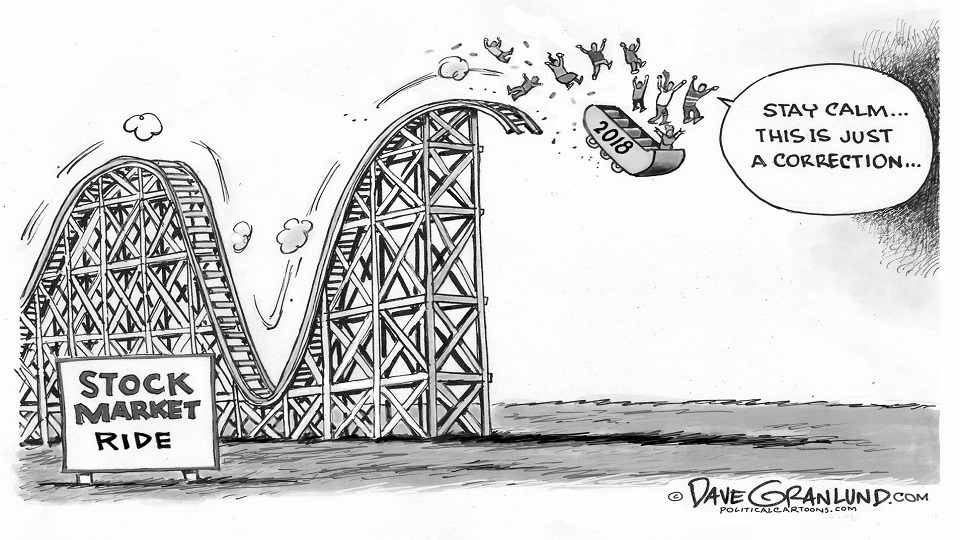
The Interplay of Macroeconomic Forces
The broader economic environment serves as the bedrock upon which market performance is built. Key macroeconomic indicators offer critical clues about the health and direction of economies worldwide, directly influencing corporate profitability and investor confidence.
Inflationary Pressures and Consumer Spending
One of the most persistent concerns over the past few years has been inflation. High inflation erodes purchasing power, forcing consumers to cut back on discretionary spending and increasing the cost of goods and services for businesses. Central banks typically respond to persistent inflation by raising interest rates, which in turn can dampen economic activity. The trajectory of inflation – whether it continues to cool or re-accelerates – will significantly impact future market direction. If inflation moderates sustainably, it could pave the way for more accommodative monetary policies and a revival in consumer confidence. Conversely, a resurgence of inflationary pressures could trigger further tightening, casting a shadow over growth prospects. Consumer spending, which often accounts for a significant portion of GDP in developed economies, is directly tied to inflation’s bite and plays a crucial role in corporate revenue generation. Robust consumer demand can cushion economic downturns, while a significant pullback can accelerate them.
Labor Market Dynamics and Economic Resilience
The state of the labor market is another vital indicator of economic resilience. A strong labor market, characterized by low unemployment rates and rising wages, typically signals a healthy economy. It supports consumer spending and overall demand. However, an excessively tight labor market can also contribute to inflationary pressures as businesses face higher labor costs, which they may pass on to consumers. Policymakers are constantly walking a tightrope, aiming for full employment without overheating the economy. Any significant weakening in employment figures, such as a sharp rise in unemployment or a slowdown in wage growth, could signal an impending recession, leading to market apprehension. Conversely, continued strength and stability in employment, even with some moderation, can provide a foundation of confidence for investors.
Global Economic Slowdown and Recessionary Fears
Beyond domestic borders, the global economic landscape heavily influences national markets. Interconnected supply chains, international trade, and capital flows mean that a slowdown in one major economy can have ripple effects worldwide. Fears of a global recession have been intermittent, fueled by factors like persistent inflation, aggressive monetary tightening cycles, and geopolitical instability. A synchronized global downturn would undoubtedly impact corporate earnings, particularly for multinational companies, and could trigger significant capital outflows from riskier assets. Monitoring growth forecasts from international organizations like the IMF and World Bank, alongside key economic indicators from major trading partners, is crucial for assessing the broader economic headwinds the stock market might face. The resilience or fragility of global demand will be a pivotal factor in the market’s mid-to-long-term outlook.
Central Bank Policies and Interest Rate Trajectories
Central banks, particularly the U.S. Federal Reserve, wield immense influence over financial markets through their monetary policy decisions. Their actions on interest rates and balance sheets directly affect borrowing costs, investment decisions, and asset valuations.
The Federal Reserve’s Stance and Quantitative Tightening
The Federal Reserve’s primary mandate is to maintain price stability and maximum employment. To combat inflation, the Fed embarked on an aggressive hiking cycle, raising the federal funds rate significantly. This benchmark rate influences everything from mortgage rates to corporate borrowing costs. Alongside interest rate hikes, the Fed also engaged in quantitative tightening (QT), reducing its balance sheet by allowing previously purchased bonds to mature without reinvestment. This process effectively removes liquidity from the financial system, putting upward pressure on longer-term interest rates. The market is constantly scrutinizing the Fed’s communications for clues about its future intentions – whether it will continue to hold rates higher for longer, consider cuts, or pause its QT program. Any deviation from market expectations can lead to significant volatility.
Impact on Borrowing Costs and Corporate Investment
Higher interest rates directly translate to increased borrowing costs for both consumers and businesses. For consumers, this means more expensive mortgages, car loans, and credit card debt, potentially reducing their disposable income and spending. For businesses, higher borrowing costs can make it more expensive to finance expansion, invest in new projects, or even service existing debt. This can lead to a slowdown in corporate investment, reduced capital expenditures, and potentially lower future earnings. Sectors that are heavily reliant on debt financing, such as real estate or utilities, are particularly sensitive to interest rate changes. Conversely, a pivot towards lower rates or a perceived “dovish” stance from the Fed could lower borrowing costs, stimulating investment and potentially boosting market valuations.
Currency Fluctuations and International Capital Flows
The interest rate differential between countries also plays a crucial role in currency valuations and international capital flows. When a central bank raises interest rates aggressively, it can make its currency more attractive to foreign investors seeking higher returns on their fixed-income investments. This can lead to a stronger domestic currency, which can make imports cheaper but exports more expensive, affecting the competitiveness of multinational corporations. A stronger dollar, for example, can make U.S. goods more expensive abroad and can also negatively impact the reported earnings of U.S. companies that generate significant revenue overseas when those foreign revenues are converted back into a stronger dollar. Conversely, a weaker dollar could provide a tailwind for U.S. exporters and companies with substantial international operations. These capital flows and currency movements add another layer of complexity to the market’s overall direction.
Corporate Fundamentals and Valuations
Ultimately, the stock market reflects the aggregate value of underlying companies. Therefore, corporate performance and how investors value that performance are fundamental drivers of market direction.
Earnings Growth and Profit Margins

Corporate earnings are the lifeblood of the stock market. Sustained earnings growth signals healthy businesses, justifies higher stock prices, and fuels investor confidence. Investors eagerly await quarterly earnings reports, which provide a snapshot of a company’s financial health, revenue growth, and profitability. However, not just top-line revenue growth matters; profit margins are equally critical. Rising input costs, wage inflation, or intense competition can squeeze profit margins, even if revenues are growing, impacting bottom-line profitability. A broad-based slowdown in corporate earnings, or a consistent stream of companies missing analyst expectations, can weigh heavily on the market, signaling potential economic weakness. Conversely, resilient earnings performance, particularly from leading sectors, can provide a robust foundation for market gains.
Sectoral Performance and Innovation-Driven Growth
The stock market is not a monolith; it comprises various sectors, each with its own dynamics and sensitivities. Some sectors, like technology and healthcare, are often seen as growth-oriented, driven by innovation and disruptive technologies. Others, like utilities and consumer staples, are considered more defensive, offering stability during economic downturns. The leadership of different sectors can shift over time, reflecting changes in economic conditions, consumer preferences, and technological breakthroughs. For instance, the rise of artificial intelligence (AI) has sparked significant excitement and investment in the tech sector, driving considerable gains for companies at the forefront of this innovation. Understanding which sectors are leading or lagging, and the underlying reasons for their performance, offers valuable insights into the market’s underlying trends and potential future direction. Innovation, especially in high-growth areas, often dictates where new capital flows and where the most significant returns might be found.
Market Valuations: Are Stocks Overpriced or Fairly Valued?
One of the most debated questions is whether the overall market, or specific stocks, are overvalued, fairly valued, or undervalued. Valuation metrics like the Price-to-Earnings (P/E) ratio, Price-to-Sales (P/S) ratio, and Enterprise Value to EBITDA (EV/EBITDA) help investors assess whether current stock prices are justified by a company’s fundamentals. High valuations, especially when not supported by robust earnings growth prospects, can indicate a market that is ripe for a correction. Conversely, periods of lower valuations, often following market downturns, can present attractive entry points for long-term investors. Interest rates also play a critical role in valuations; lower interest rates typically support higher valuations as future earnings are discounted at a lower rate. As rates rise, the present value of future earnings decreases, potentially putting downward pressure on valuations. A careful assessment of aggregate market valuations against historical averages and current economic realities is crucial for gauging future market potential and risk.
Geopolitical Landscape and Market Sentiment
Beyond economics and corporate fundamentals, external factors such as geopolitical events and the collective psychology of investors play a profound role in shaping market outcomes.
Supply Chain Resilience and International Trade Dynamics
The COVID-19 pandemic highlighted the fragility of global supply chains, and subsequent geopolitical tensions have further exacerbated these vulnerabilities. Disruptions to supply chains, whether from natural disasters, trade disputes, or conflicts, can lead to shortages, increased production costs, and inflationary pressures. Companies are increasingly focused on building more resilient and diversified supply chains, a trend that could lead to reshoring or nearshoring efforts in various industries. International trade dynamics, including tariffs, trade agreements, and protectionist policies, also directly impact companies’ ability to source materials, manufacture goods, and access international markets. Any significant shifts in these dynamics can introduce uncertainty and volatility into the stock market.
Geopolitical Conflicts and Energy Markets
Geopolitical conflicts, such as the war in Ukraine, have far-reaching consequences for global markets. They can disrupt energy supplies, push up commodity prices (especially oil and natural gas), and create widespread economic and political instability. Higher energy prices impact consumer spending and corporate input costs, potentially slowing economic growth and fueling inflation. Furthermore, such conflicts can lead to sanctions, changes in international alliances, and a reorientation of global trade routes, all of which have direct and indirect effects on specific industries and companies. The uncertainty stemming from ongoing or emerging conflicts often leads to increased market volatility as investors seek safe havens or liquidate riskier assets.
Investor Psychology and Market Volatility
While economic fundamentals provide a rational basis for market movements, human psychology often acts as an accelerant or decelerant. Investor sentiment, encompassing collective fear and greed, optimism and pessimism, can drive markets far beyond what fundamentals alone would suggest. Periods of extreme optimism can lead to asset bubbles, where prices detach from intrinsic value, only to correct sharply when sentiment shifts. Conversely, excessive fear during downturns can lead to overselling, creating opportunities for contrarian investors. Metrics like the VIX (volatility index) or sentiment surveys attempt to gauge this psychological dimension. Understanding the behavioral aspects of investing – how herd mentality, confirmation bias, and emotional reactions can influence decision-making – is critical for comprehending sudden market swings and differentiating between fundamental shifts and mere emotional exuberance or panic.
Navigating the Future: Strategies for Investors
Given the complex interplay of these factors, predicting the stock market’s precise direction remains elusive. However, understanding these forces allows for better strategic positioning.
Diversification and Risk Management
In an uncertain environment, diversification remains a cornerstone of prudent investing. Spreading investments across different asset classes (stocks, bonds, real estate, commodities), sectors, geographies, and company sizes can help mitigate risk. When one segment of the portfolio underperforms, others may provide resilience. Risk management also involves aligning investments with individual financial goals, time horizons, and risk tolerance. It’s about constructing a portfolio that can withstand various economic scenarios without requiring emotionally driven, reactive decisions. Regularly rebalancing the portfolio to maintain desired asset allocations is also key to effective risk management.
The Importance of Long-Term Perspective
Despite short-term volatility and the constant barrage of news, history shows that the stock market has delivered significant returns over the long term. Economic cycles are inherent, and market downturns are an inevitable part of the investment landscape. A long-term perspective encourages investors to look beyond daily fluctuations and focus on compounding returns over years and decades. This approach helps to avoid panicking during corrections and missing out on subsequent recoveries. For long-term investors, market pullbacks can even present opportunities to acquire quality assets at more attractive prices.

Adapting to Change: Active vs. Passive Investing
The debate between active and passive investing continues, but the current environment may highlight the strengths of adaptability. Passive investing, through index funds and ETFs, offers broad market exposure at low costs, capturing the market’s overall growth. Active investing, on the other hand, involves managers making specific investment decisions to outperform the market, potentially capitalizing on mispricings or sector-specific opportunities. In periods of high dispersion between sector performance or significant economic shifts, active management might offer an advantage by allowing quicker pivots. However, it also comes with higher fees and the risk of underperformance. A hybrid approach, combining core passive holdings with strategic active allocations, could offer a balanced strategy, allowing investors to capture broad market gains while selectively seeking alpha in specific areas. Ultimately, remaining informed, flexible, and grounded in a sound investment philosophy will be paramount.
In conclusion, the stock market’s direction is a confluence of powerful forces: macroeconomic conditions dictating the overall economic tide, central bank policies influencing the cost of capital, corporate fundamentals revealing the health of underlying businesses, and geopolitical events adding layers of complexity and risk. While pinpointing the exact trajectory is impossible, a diligent analysis of these drivers provides a framework for understanding the market’s potential path, empowering investors to navigate the future with greater confidence and strategic intent. The future market will likely reward those who are patient, diversified, and adaptable to an ever-evolving global financial landscape.
aViewFromTheCave is a participant in the Amazon Services LLC Associates Program, an affiliate advertising program designed to provide a means for sites to earn advertising fees by advertising and linking to Amazon.com. Amazon, the Amazon logo, AmazonSupply, and the AmazonSupply logo are trademarks of Amazon.com, Inc. or its affiliates. As an Amazon Associate we earn affiliate commissions from qualifying purchases.