
Every investor, market watcher, and even the casually curious often begins their day, and certainly ends it, with the same question: “What was the closing Dow today?” This seemingly simple inquiry opens the door to a complex tapestry of economic indicators, corporate performance, geopolitical events, and investor sentiment that collectively shape the financial landscape. The Dow Jones Industrial Average (DJIA), often referred to simply as “the Dow,” is more than just a number; it’s a barometer of American industrial health and a bellwether for the broader stock market, offering a daily pulse on the nation’s economic vitality. Understanding its daily movements, what drives them, and what they signify is crucial for anyone engaging with personal finance, investing, or business strategy.
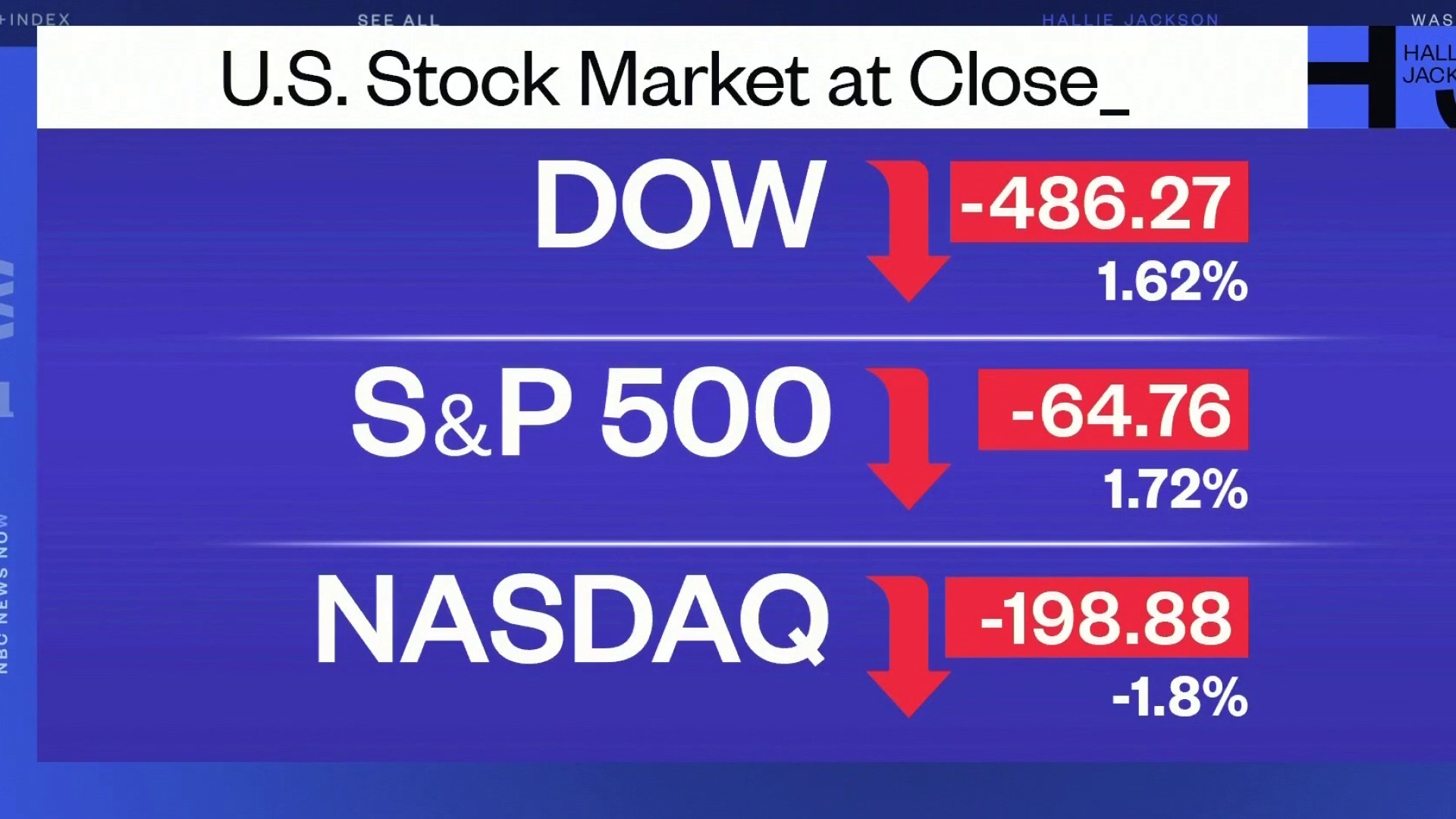
Today’s close, like every day’s, is a culmination of millions of buy and sell decisions, influenced by a torrent of news and data. Whether it marked a historic high, a significant plunge, or a modest fluctuation, each outcome tells a story about the forces at play in the global economy. For long-term investors, the daily close is a data point in a much larger trend. For day traders, it’s the end of a competitive sprint. For economists, it’s a reflection of underlying fundamentals. Delving into the specifics of “today’s close” requires an examination of the Dow’s structure, the market dynamics influencing it, and the broader implications for financial decision-making.
Decoding the Dow: Understanding America’s Market Barometer
The Dow Jones Industrial Average is one of the oldest and most frequently cited market indexes in the world. Established in 1896 by Charles Dow, it was designed to represent the performance of the most significant industrial companies in the United States. While its composition and calculation methods have evolved, its fundamental role as a snapshot of the U.S. stock market’s performance remains.
The Anatomy of the Dow Jones Industrial Average
Unlike broader indexes such as the S&P 500, which tracks 500 large-cap companies, or the Nasdaq Composite, which is heavily weighted towards technology stocks, the DJIA comprises only 30 large, publicly traded companies. These are often referred to as “blue-chip” stocks, representing diverse sectors of the American economy. From technology giants like Apple and Microsoft to industrial stalwarts like Boeing and Caterpillar, and consumer staples like Coca-Cola and Procter & Gamble, the Dow aims to reflect the health and performance of companies that are pivotal to the U.S. economy.
The Dow is a price-weighted index, meaning companies with higher stock prices have a greater impact on the index’s value than those with lower prices, regardless of their market capitalization. This differs from market-capitalization-weighted indexes, which give greater weight to companies with larger total market values. This unique weighting methodology sometimes leads to questions about the Dow’s representativeness, yet its historical significance and intuitive grasp make it an indispensable part of daily financial reporting. Its movements are quoted in points, and a gain or loss of a certain number of points reflects the aggregate price changes of its 30 components.
Why the DJIA Matters for Investors
For many, the Dow is the simplest gauge of “how the market is doing.” A rising Dow typically signals economic optimism and corporate prosperity, while a falling Dow can indicate pessimism, economic headwinds, or specific corporate challenges. For individual investors, the Dow serves several crucial functions. Firstly, it provides a quick, daily summary of market sentiment. If the Dow is up significantly, it might suggest a broader positive trend, potentially boosting confidence. Conversely, a sharp decline can trigger caution.
Secondly, its composition of established, financially stable companies makes it a proxy for the health of America’s corporate titans. These companies often have global operations, so their collective performance can also offer insights into international economic conditions. However, it’s vital to acknowledge the Dow’s limitations. With only 30 companies, it cannot fully capture the breadth and diversity of the entire U.S. stock market, which includes thousands of publicly traded firms across various sizes and sectors. Investors should use the Dow as one data point among many, complementing it with analysis of broader indexes and their own portfolio’s specific holdings. Despite its narrow scope, the Dow’s psychological impact and media prominence ensure its continued relevance as a key market indicator.
A Snapshot of Today’s Market Performance
When we ask “what was the closing Dow today,” we’re not just looking for a number; we’re seeking context. The daily close is a result of numerous factors, both internal to the market and external in the broader economic and political landscape. Understanding these drivers helps transform a simple point change into an insightful narrative about market behavior.
Analyzing the Day’s Movement: Gains, Losses, and Volume
Today’s Dow close reflects the net effect of buying and selling activity during the trading session. If the Dow finished higher, it means the collective demand for its component stocks outpaced supply, pushing their prices up. A lower close signifies the opposite. Beyond the raw points, several metrics provide deeper insight:
- Net Change: The absolute difference between today’s close and yesterday’s close.
- Percentage Change: A more normalized way to assess the magnitude of the movement, making it comparable across different index values or over time.
- Intraday High and Low: The range within which the Dow traded today, indicating volatility. A wide range suggests significant price swings during the day.
- Trading Volume: The number of shares traded for the Dow’s component stocks. High volume accompanying a significant price move (up or down) suggests conviction behind that move, while low volume might indicate less decisive sentiment.
For example, a 300-point gain on high volume might indicate strong positive sentiment driven by significant news, whereas a similar gain on low volume might be seen as less convincing, potentially lacking broad market participation. Analysts often look for patterns in these metrics to interpret market psychology and predict short-term trends.
Key Catalysts and Market Movers
The catalysts that influence the Dow’s daily performance are myriad and constantly evolving. They can be broadly categorized as:
- Economic Data: Reports such as inflation rates (Consumer Price Index, Producer Price Index), employment figures (non-farm payrolls, jobless claims), manufacturing data (PMI), retail sales, and GDP growth provide a crucial read on the health of the economy. Positive economic surprises typically buoy the market, while negative ones can trigger sell-offs.
- Corporate Earnings and News: Individual company announcements from the 30 Dow components have an outsized impact. Strong earnings reports, positive guidance, new product launches, or mergers and acquisitions can send a stock soaring, pulling the entire index up. Conversely, missed earnings, reduced guidance, or corporate scandals can drag the Dow down.
- Monetary Policy: Decisions and statements from the Federal Reserve, particularly concerning interest rates and quantitative easing/tightening, are closely watched. Changes in interest rate expectations can profoundly impact corporate borrowing costs, consumer spending, and the attractiveness of stocks versus bonds.
- Geopolitical Events: International developments, trade negotiations, political instability, conflicts, or global health crises can create uncertainty and volatility in the markets. These events often lead investors to seek safer assets, sometimes at the expense of equity markets.
- Commodity Prices: Significant fluctuations in oil prices, for example, can impact energy companies, transportation costs, and consumer spending, thereby affecting Dow components and overall market sentiment.
Today’s close is rarely attributable to a single factor but rather a complex interplay of these forces, with market participants constantly assessing and reacting to new information.
The Investor’s Perspective: Navigating Daily Fluctuations
For the individual investor, the daily ebb and flow of the Dow can be both fascinating and, at times, anxiety-inducing. While it’s tempting to react to every headline and every point change, a disciplined approach grounded in financial principles is essential.

Short-Term Volatility vs. Long-Term Strategy
One of the most critical lessons for investors is distinguishing between short-term market noise and long-term investment goals. The Dow’s daily close is inherently volatile. A 500-point swing, while dramatic in absolute terms, might represent only a 1-2% change, which is relatively normal for a single trading day. Over weeks or months, these fluctuations can average out, or form larger trends.
Long-term investors, those saving for retirement, a down payment, or their children’s education, should largely resist the urge to make drastic portfolio changes based on daily Dow movements. Trying to time the market by reacting to every up and down is notoriously difficult and often leads to worse returns than a buy-and-hold strategy coupled with regular contributions. Focus instead on diversification, asset allocation aligned with your risk tolerance, and consistent investing over time, taking advantage of dollar-cost averaging. Market downturns, when the Dow closes significantly lower, can even present opportunities to buy quality assets at reduced prices, aligning with Warren Buffett’s advice to “be fearful when others are greedy, and greedy when others are fearful.”
Diversification and Risk Management
No matter how the Dow closes today, a well-diversified portfolio is your best defense against market shocks. Relying heavily on a few stocks, or even just the 30 Dow components, leaves an investor vulnerable. Diversification across different asset classes (stocks, bonds, real estate), geographies, and sectors helps spread risk. If one sector or region performs poorly, others might compensate.
Furthermore, risk management involves understanding your own capacity for risk. A younger investor with a longer time horizon can typically afford to take on more equity risk, riding out market downturns. An investor nearing retirement might need a more conservative allocation, protecting capital from significant market dips. The daily Dow close is a reminder that markets are dynamic and unpredictable in the short run. Prudent investing acknowledges this inherent uncertainty and builds a resilient portfolio designed to achieve long-term financial objectives, irrespective of any single day’s trading outcome.
Beyond the Headlines: Broader Economic Implications
The Dow’s daily close isn’t just a gauge for investors; it also offers a valuable, albeit imperfect, insight into the health of the broader economy. Its movements often correlate with underlying economic trends and can even act as a predictive indicator for future economic activity.
The Dow as an Economic Indicator
While not a perfect proxy, the Dow Jones Industrial Average is often seen as a leading or coincident economic indicator. Its performance can reflect investor confidence in future corporate profits and economic growth. A sustained upward trend in the Dow might signal an expanding economy, while a prolonged downturn could precede or accompany a recession.
For instance, strong consumer spending, evidenced by retail sales and consumer confidence surveys, often translates into higher revenues for many Dow components, eventually pushing the index up. Similarly, robust manufacturing data and increased industrial production can boost industrials within the Dow. Conversely, rising interest rates or high inflation can dampen consumer and business spending, impacting corporate earnings and leading to a lower Dow close. Government policymakers and economists closely monitor the Dow, among other indicators, to assess the effectiveness of their policies and to anticipate shifts in the economic cycle. However, it’s crucial to remember that the stock market is not the economy. While correlated, there can be divergences, and many other factors contribute to the overall economic picture.
Global Market Interconnections
In an increasingly interconnected world, what impacts the Dow today is rarely confined to U.S. borders. Global economic growth, international trade policies, currency fluctuations, and geopolitical events in distant lands can all reverberate through the Dow’s component companies, many of which are multinational corporations.
For example, a slowdown in China’s economy can impact companies like Boeing, Apple, or Caterpillar, which rely heavily on international sales. Trade disputes, such as tariffs, can increase costs for manufacturers and reduce demand for their products, directly affecting their stock prices and, consequently, the Dow. Changes in global oil prices can affect energy sector stocks and the broader economy’s input costs. Therefore, understanding today’s Dow close often requires a look beyond domestic news to the global economic stage, recognizing that financial markets are a complex ecosystem where events in one corner of the world can ripple across the entire system.
What’s Next? Anticipating Tomorrow’s Market Landscape
The closing bell today marks the end of one chapter and the beginning of the anticipation for the next. Investors, analysts, and businesses immediately turn their attention to what might move the Dow tomorrow. Proactive analysis of upcoming events and data releases is fundamental to navigating the financial markets.
Economic Calendar and Upcoming Reports
A key part of anticipating tomorrow’s Dow movement involves scrutinizing the economic calendar. This calendar details scheduled releases of crucial economic data that have the potential to significantly sway market sentiment. Key reports include:
- Federal Reserve Announcements: Decisions on interest rates, commentary on inflation, employment, and economic forecasts are paramount. The Fed’s stance on monetary policy can dictate the direction of markets for weeks or months.
- Inflation Data: CPI and PPI reports directly impact purchasing power, corporate margins, and the Fed’s policy decisions. Unexpectedly high inflation can lead to market jitters.
- Employment Statistics: Non-farm payrolls, unemployment rates, and wage growth figures offer insights into labor market health, a critical component of economic stability and consumer spending.
- Consumer Confidence and Retail Sales: These reports gauge consumer sentiment and spending habits, which are major drivers of economic growth.
- Manufacturing and Services PMIs: These purchasing managers’ indexes indicate the health of key sectors, providing an early read on economic expansion or contraction.
Anticipation of these reports often causes pre-market speculation, and their release can trigger rapid market movements. Smart investors understand not just the numbers, but the market’s expectations for those numbers, as surprises (positive or negative) are often what drive significant reactions.

Earnings Season and Corporate Guidance
Beyond macroeconomic data, the performance of individual Dow components and the broader corporate earnings season are vital. Four times a year, public companies release their quarterly earnings reports, providing updates on revenue, profits, and future outlook (guidance).
During earnings season, investors closely watch whether companies beat or miss analyst expectations for earnings per share (EPS) and revenue. More importantly, the guidance companies provide for future quarters can have a profound impact. If a major Dow component like Apple, Microsoft, or Visa issues stronger-than-expected guidance, it can lift investor confidence in the broader market and push the Dow higher. Conversely, cautious or negative guidance can lead to declines not just for the individual stock but potentially for the entire index, as it might signal broader economic headwinds affecting multiple industries. The collective narrative emerging from these earnings reports often sets the tone for market performance in the subsequent months.
In conclusion, “what was the closing Dow today” is far more than a simple numerical answer. It’s a gateway to understanding the intricate mechanisms of financial markets, the forces that shape economic realities, and the strategies prudent investors employ. From the structure of the index itself to the daily catalysts, the broader economic implications, and the outlook for tomorrow, each closing bell rings with lessons and opportunities for those attuned to its message. Navigating this landscape effectively requires not just knowing the numbers, but understanding the story they tell and applying a disciplined, long-term perspective to your financial journey.
aViewFromTheCave is a participant in the Amazon Services LLC Associates Program, an affiliate advertising program designed to provide a means for sites to earn advertising fees by advertising and linking to Amazon.com. Amazon, the Amazon logo, AmazonSupply, and the AmazonSupply logo are trademarks of Amazon.com, Inc. or its affiliates. As an Amazon Associate we earn affiliate commissions from qualifying purchases.