
In the dynamic landscape of global finance, few indicators command as much attention and historical significance as the Dow Jones Industrial Average (DJIA). For over a century, this venerable index has served as a bellwether for the American economy and a cornerstone for investors seeking to gauge market performance. But in an era of rapid technological change, evolving economic paradigms, and unprecedented market events, what does “Dow Now” truly signify? It’s more than just a number; it’s a real-time reflection of corporate America’s health, investor sentiment, and the complex interplay of forces shaping our financial future. Understanding its current state requires delving into its foundational principles, its recent movements, and its profound implications for both seasoned investors and those new to the market.
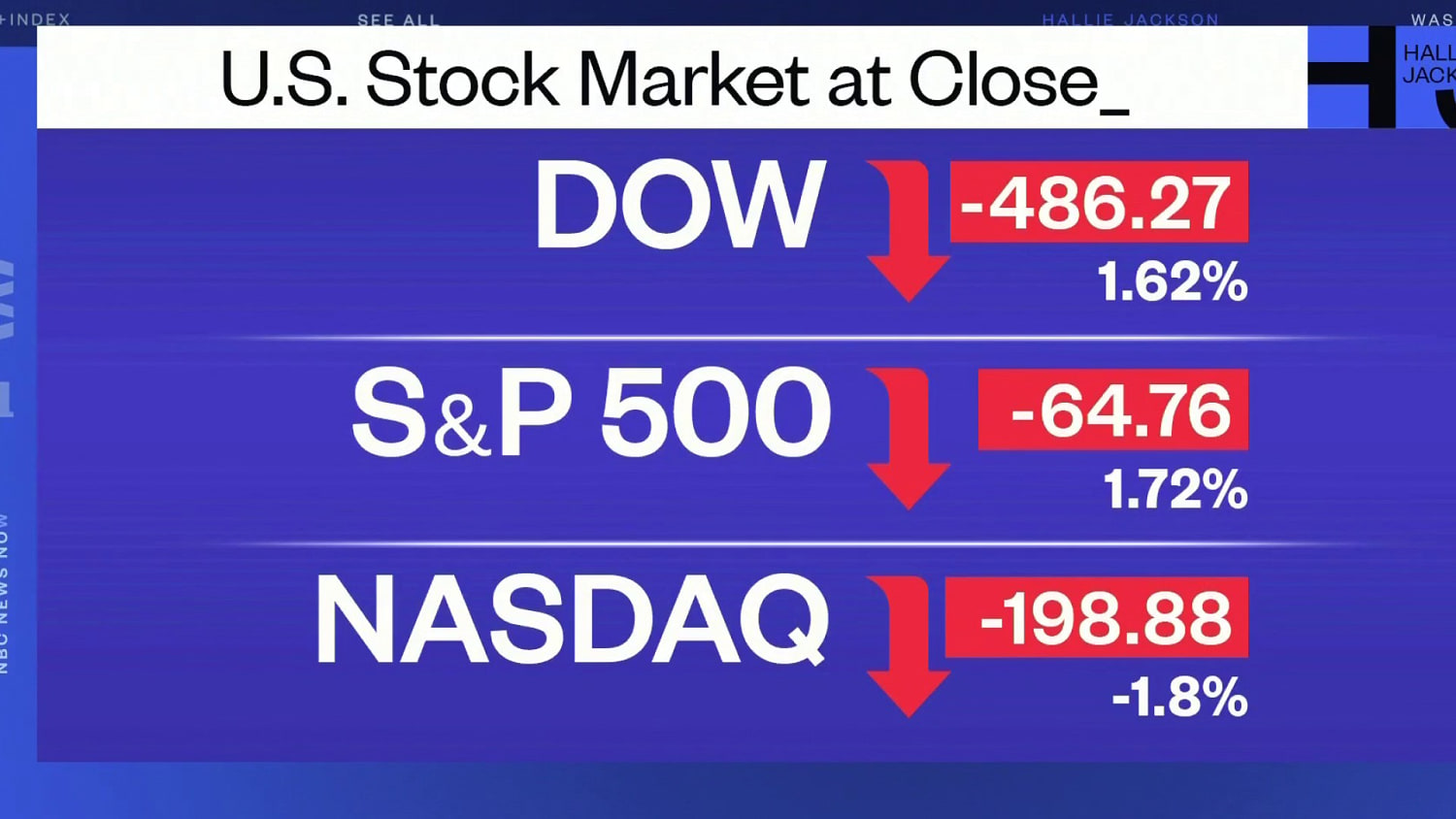
Understanding the Dow Jones Industrial Average (DJIA)
To grasp the essence of “Dow Now,” one must first appreciate its historical context and methodological underpinnings. The DJIA is not merely a random collection of stocks; it’s a carefully curated index designed to represent a broad swathe of the U.S. industrial economy.
A Legacy of Market Representation
Conceived by Charles Dow in 1896, the Dow Jones Industrial Average initially comprised just 12 predominantly industrial companies. Its purpose was simple yet revolutionary: to provide a straightforward measure of the stock market’s overall direction. Over the decades, as the American economy diversified from heavy industry to technology and services, the companies within the Dow have evolved. Despite its “industrial” moniker, the index today includes giants from various sectors, reflecting the modern economic landscape. This continuous adaptation has allowed the Dow to maintain its relevance, providing a consistent historical thread through periods of boom and bust, innovation, and stagnation. Its longevity alone speaks volumes about its enduring value as a financial benchmark.
How the Dow is Calculated and Composed
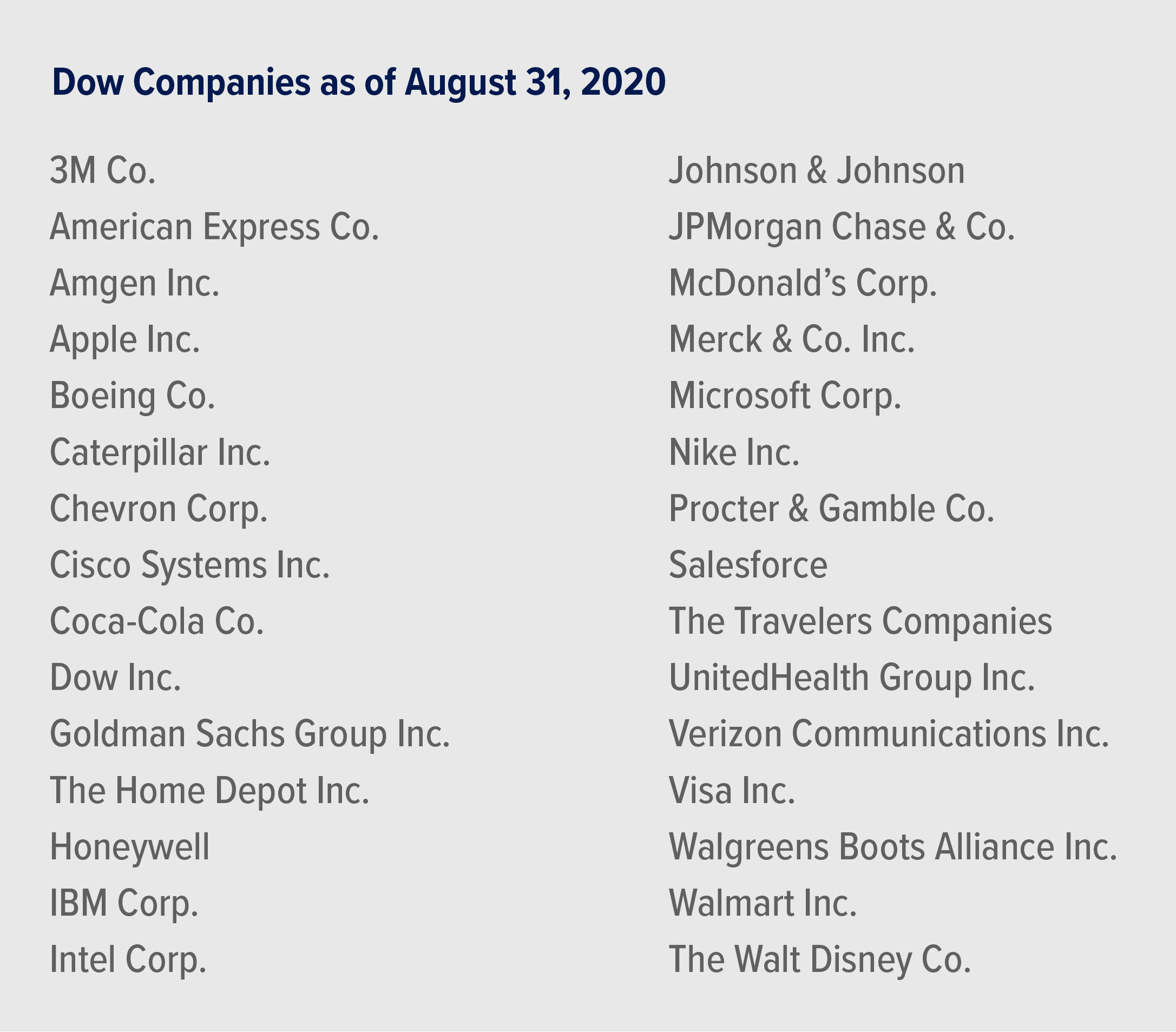
Unlike market-capitalization-weighted indices such as the S&P 500, the DJIA is a price-weighted index. This means that stocks with higher share prices have a greater impact on the index’s value than those with lower share prices, regardless of their total market capitalization. This unique calculation method, which uses a “Dow Divisor” to account for stock splits and other structural changes, can sometimes lead to debates about its representativeness. The index is composed of 30 large, publicly owned companies listed on the NASDAQ and the New York Stock Exchange. These companies are selected by the editors of The Wall Street Journal, considering factors like reputation, sustained growth, and investor interest, ensuring they are leaders in their respective industries and broadly representative of the U.S. economy. The selection process is dynamic, with companies occasionally added or removed to maintain the index’s relevance and reflective power.
The “Blue Chip” Standard
The companies chosen for the DJIA are often referred to as “blue chips”—a term borrowed from poker, where blue chips hold the highest value. These are typically stable, well-established, and financially sound corporations with a long history of reliable earnings and dividends. Their inclusion in the Dow signifies a level of corporate maturity and market dominance. For investors, blue-chip stocks often represent a degree of stability and resilience, especially during periods of market uncertainty. While not immune to downturns, these companies frequently possess the robust balance sheets, diversified revenue streams, and strong brand recognition needed to weather economic storms, making them attractive components of a long-term investment strategy.
The Dow’s Current State: A Snapshot
To understand “Dow Now” is to look at its most recent performance, the forces driving it, and how it reflects the broader economic climate. The index is a living entity, constantly reacting to a multitude of internal and external stimuli.
Recent Performance and Key Trends
The Dow’s journey is rarely linear. Its recent performance is shaped by a confluence of factors, including corporate earnings reports, geopolitical developments, monetary policy decisions, and technological advancements. A period of sustained growth might indicate robust corporate profits, healthy consumer spending, and a generally optimistic economic outlook. Conversely, sharp declines could signal recessionary fears, inflationary pressures, or significant geopolitical instability. Analyzing the Dow’s short-term movements—daily fluctuations, weekly trends, and quarterly shifts—provides insights into immediate market sentiment. However, true understanding comes from placing these movements within a larger historical context, distinguishing between transient volatility and underlying structural shifts. Market commentators often highlight specific milestones, such as crossing a significant psychological barrier (e.g., 30,000 or 40,000 points), as moments of both celebration and introspection regarding the market’s trajectory.
Influencing Factors: Economic Indicators and Global Events
The Dow does not operate in a vacuum. Its daily oscillations are a direct response to a vast array of influencing factors. Key economic indicators, such as inflation rates, employment figures (e.g., non-farm payrolls), GDP growth, and consumer confidence surveys, provide fundamental data points that investors use to forecast corporate performance and economic health. Central bank policies, particularly interest rate decisions by the Federal Reserve, exert immense influence, impacting borrowing costs, corporate investment, and consumer spending. Beyond national borders, global events—ranging from international trade disputes and supply chain disruptions to geopolitical conflicts and global health crises—can send ripples through the Dow, affecting the earnings and outlook of multinational corporations within the index. Understanding these interconnected drivers is crucial for interpreting “Dow Now” with accuracy.
Sectoral Contributions and Market Leadership
While the Dow comprises 30 companies, their individual contributions to the index’s movements can vary significantly. In certain periods, technology stocks might lead the charge, driven by innovation and strong earnings. In others, financials might surge due to rising interest rates, or industrials could benefit from infrastructure spending. Analyzing which sectors within the Dow are performing strongly or weakly provides a granular view of the economy’s underlying strengths and weaknesses. For instance, if cyclical industries (those sensitive to economic cycles, like manufacturing or consumer discretionary) are outperforming defensive industries (like utilities or consumer staples), it might suggest investor confidence in economic growth. This sectoral analysis helps investors identify current market leadership and understand the narratives driving overall market performance.
Why the Dow Matters to Investors and the Economy
The Dow’s significance extends far beyond its numerical value. It serves as a critical barometer, influencing investment decisions, economic policy, and public perception.
A Barometer of Economic Health

Often cited in news headlines and economic reports, the Dow is widely perceived as a proxy for the overall health of the U.S. economy. When the Dow rises, it typically signals optimism among investors about corporate profitability, economic growth, and stability. A declining Dow, conversely, can reflect anxieties about an impending recession, geopolitical risks, or market instability. While it’s important to remember that the Dow only represents 30 companies, its components are so large and influential that their collective performance offers a powerful snapshot of corporate America’s vitality. Policymakers, economists, and business leaders closely monitor its movements as an indicator of prevailing economic sentiment and underlying trends, using it to inform decisions ranging from fiscal policy to corporate expansion plans.
Psychological Impact and Market Sentiment
Beyond its quantitative role, the Dow exerts a profound psychological impact on investors and the broader public. A surging Dow can foster a sense of prosperity and confidence, encouraging consumer spending and business investment. A falling Dow, on the other hand, can trigger fear and uncertainty, potentially leading to reduced spending, cautious investment, and a general tightening of economic activity. This emotional aspect, often referred to as market sentiment, can create self-fulfilling prophecies, where fear leads to selling, pushing prices down further, or optimism fuels buying, driving prices higher. Understanding this psychological dimension is crucial, as emotional responses to Dow movements can sometimes override fundamental economic indicators, creating both opportunities and risks for investors.
Implications for Portfolio Management
For individual and institutional investors, the Dow’s performance holds direct implications for portfolio management. While few investors hold only the 30 Dow components, its direction influences the broader market, affecting diversified portfolios. A strong Dow might signal a favorable environment for equities, encouraging investors to increase their exposure to stocks. A weakening Dow might prompt a shift towards more defensive assets like bonds or cash. Investors often use the Dow’s historical performance to benchmark their own portfolio returns, assessing whether their investments are keeping pace with, or outperforming, this widely recognized index. Furthermore, for those interested in passive investing, exchange-traded funds (ETFs) and mutual funds that track the Dow provide a straightforward way to gain exposure to these blue-chip companies.
Navigating Market Volatility: Strategies for the Modern Investor
The concept of “Dow Now” is inherently linked to volatility. Markets ebb and flow, and a sophisticated approach to investing acknowledges and prepares for these fluctuations.
Long-Term vs. Short-Term Perspectives
A common trap for novice investors is to react impulsively to daily Dow movements. While “Dow Now” provides an immediate snapshot, it is often fleeting. Experienced investors understand the critical distinction between short-term market noise and long-term investment horizons. For most wealth-building goals, adopting a long-term perspective is paramount. Historical data consistently shows that equity markets, including the Dow, tend to trend upwards over extended periods, despite numerous corrections and bear markets. Focusing on long-term growth allows investors to ride out short-term downturns, benefit from compounding returns, and avoid making rash decisions based on temporary market sentiment. Patience and discipline are often the most valuable assets in an investor’s toolkit.
Diversification Beyond the Dow
While the Dow comprises some of the most robust companies globally, relying solely on this index for investment can still expose an investor to concentration risk. A cornerstone of sound financial planning is diversification—spreading investments across various asset classes, industries, geographies, and company sizes. While the Dow represents large-cap U.S. stocks, a truly diversified portfolio might also include mid-cap and small-cap stocks, international equities, bonds, real estate, and alternative investments. This strategy helps mitigate the impact of poor performance in any single asset or sector, ensuring that an investor’s financial future isn’t overly dependent on the fortunes of just 30 companies, no matter how influential.
The Role of Professional Advice
Navigating the complexities of “Dow Now” and the broader financial markets can be daunting. For many, seeking guidance from a qualified financial advisor is invaluable. Professionals can help investors define their financial goals, assess their risk tolerance, develop a tailored investment strategy, and manage their portfolio in a disciplined manner. They can also provide objective advice during periods of market stress, helping clients avoid emotional decisions that could harm their long-term financial health. Furthermore, advisors can offer insights into tax implications, estate planning, and other aspects of wealth management that go beyond simply tracking the Dow, ensuring a holistic approach to financial well-being.
The Future Outlook: What’s Next for the Dow?
Predicting the future of the Dow with certainty is impossible, yet understanding the forces likely to shape its trajectory is crucial for informed financial planning. “Dow Now” is a prelude to “Dow Tomorrow.”
Emerging Trends and Disruptors
The companies that constitute the Dow are constantly adapting to an evolving world. Emerging trends such as artificial intelligence, renewable energy, biotechnology, and the metaverse will undoubtedly shape the corporate landscape. Companies that successfully innovate and capitalize on these disruptors are likely to see their influence grow, potentially securing or maintaining their place in the prestigious index. Conversely, companies failing to adapt risk falling behind. Investors should keep an eye on these macro trends, understanding how they might impact the earnings and growth prospects of the Dow’s current constituents and potential future additions. The Dow’s historical willingness to evolve, by adding new companies and removing older ones, suggests it will continue to reflect these shifts.
Geopolitical and Technological Influences
Beyond economic indicators, geopolitical stability and technological advancements will play a significant role in the Dow’s future. Shifting global power dynamics, trade agreements, and international conflicts can create volatility and impact supply chains, consumer demand, and corporate profitability. Simultaneously, the accelerating pace of technological innovation will continue to redefine industries, create new markets, and challenge established business models. Cyber security threats, the ethical implications of AI, and the demand for sustainable practices are just a few examples of non-traditional factors that will increasingly influence the performance and valuation of major corporations and, by extension, the Dow.
Preparing for Tomorrow’s Market Landscape
For investors, preparing for the Dow’s future involves a commitment to continuous learning and strategic flexibility. It means staying informed about global events, economic shifts, and technological breakthroughs. It also means periodically reviewing one’s investment strategy to ensure it remains aligned with personal goals and evolving market conditions. Embracing a long-term perspective, maintaining diversification, and seeking professional advice are perennial strategies that remain relevant regardless of specific market conditions. Ultimately, “Dow Now” is a moment in an ongoing narrative, a continuous journey of economic evolution and investment opportunity. By understanding its past, analyzing its present, and anticipating its future drivers, investors can position themselves more effectively to achieve their financial aspirations.
aViewFromTheCave is a participant in the Amazon Services LLC Associates Program, an affiliate advertising program designed to provide a means for sites to earn advertising fees by advertising and linking to Amazon.com. Amazon, the Amazon logo, AmazonSupply, and the AmazonSupply logo are trademarks of Amazon.com, Inc. or its affiliates. As an Amazon Associate we earn affiliate commissions from qualifying purchases.