
For countless investors, the allure of the stock market lies in its potential for substantial growth, a potential often best captured by broad market indexes. Among these, the S&P 500 stands as a titan, representing the performance of 500 of the largest publicly traded companies in the United States. Gaining exposure to this influential index has become increasingly accessible and cost-effective, largely thanks to investment vehicles like Exchange Traded Funds (ETFs). At the forefront of this revolution is Vanguard, renowned for its low-cost, investor-centric approach. The Vanguard S&P 500 ETF, commonly known by its ticker symbol VOO, epitomizes this philosophy, offering a straightforward and efficient way for both novice and seasoned investors to tap into the engine of the U.S. economy.

This article will delve into the intricacies of what the Vanguard S&P 500 ETF is, how it functions, its key benefits, and why it has become a cornerstone of many diversified investment portfolios. We will explore its structure, performance, and how it stacks up against alternatives, providing a comprehensive understanding for anyone considering this powerful investment tool.
Understanding the Landscape: ETFs, S&P 500, and Vanguard’s Role
To truly appreciate the value proposition of VOO, it’s essential to first grasp the fundamental components that make it such a compelling investment. These include the nature of ETFs, the significance of the S&P 500 index, and Vanguard’s overarching investment philosophy.
What is an ETF?
An Exchange Traded Fund (ETF) is an investment fund that holds assets such as stocks, commodities, or bonds, and trades on stock exchanges much like regular stocks. Unlike traditional mutual funds, which are priced only once a day after the market closes, ETFs can be bought and sold throughout the trading day at market prices. This feature provides investors with greater flexibility and liquidity. ETFs often aim to track a specific index, sector, or commodity, offering diversification through a single security. They pool money from many investors to buy a diversified portfolio of assets, making it easier and more affordable for individuals to invest in a broad range of securities without having to purchase each one individually. Their transparent holdings and often lower expense ratios compared to actively managed funds have made them increasingly popular.
The Significance of the S&P 500 Index
The S&P 500, or Standard & Poor’s 500, is a stock market index that represents 500 of the largest U.S. publicly traded companies by market capitalization. It is widely regarded as one of the best gauges of large-cap U.S. equities and a proxy for the health of the U.S. economy. The index is market-capitalization weighted, meaning companies with larger market values have a greater impact on the index’s performance. Its diverse composition spans all major sectors of the economy, from technology and finance to healthcare and consumer staples. Because it includes such a broad array of leading companies, an investment tracking the S&P 500 offers substantial diversification across industries and individual companies, reducing the impact of any single company’s poor performance on the overall portfolio.
Vanguard’s Philosophy and Low-Cost Investing
Vanguard is unique in the financial industry due to its client-owned structure. Rather than being owned by public shareholders, Vanguard is owned by its funds, which in turn are owned by their investors. This structure aligns Vanguard’s interests directly with those of its clients, enabling it to prioritize lower costs and better returns for investors. This philosophy is deeply embedded in its product offerings, especially its ETFs and index funds. Vanguard pioneered low-cost index investing, arguing that consistently beating the market is extremely difficult, and that investors are better served by simply tracking broad market indexes at minimal cost. This commitment to cost efficiency is a hallmark of the Vanguard S&P 500 ETF, making it one of the most attractive options for long-term wealth accumulation.
Diving Deep into Vanguard’s S&P 500 ETF (VOO)
With the foundational understanding established, let’s turn our focus specifically to the Vanguard S&P 500 ETF (VOO). It is one of Vanguard’s flagship products and a cornerstone for many investors seeking broad market exposure.
Core Characteristics and Holdings
The Vanguard S&P 500 ETF (VOO) is designed to track the performance of the S&P 500 Index. This means that VOO holds shares in the same 500 companies that constitute the index, in roughly the same proportions as their market capitalization weighting within the index. Its objective is not to outperform the S&P 500 but to replicate its returns as closely as possible, minus a small expense ratio. The portfolio is incredibly diversified, spanning giants like Apple, Microsoft, Amazon, Alphabet (Google), Tesla, NVIDIA, and thousands of other leading American corporations. This broad exposure provides inherent stability and reduces company-specific risk, allowing investors to benefit from the collective growth of the U.S. economy. The beauty of VOO lies in its simplicity: with a single purchase, investors gain a stake in 500 of America’s most influential companies.
The Power of Diversification
One of the most compelling advantages of investing in VOO is the instant, broad diversification it provides. Rather than trying to pick individual winning stocks, which carries significant risk and requires extensive research, VOO allows investors to own a tiny slice of 500 different companies. This drastically mitigates the impact of any single company underperforming or even going bankrupt. If one company in the S&P 500 struggles, its effect on the entire ETF is minimal due to the sheer number and size of the other holdings. This level of diversification, across industries and market sectors, helps smooth out portfolio volatility and offers a more consistent growth trajectory over the long term, aligning perfectly with a buy-and-hold strategy focused on compounding returns.
Unpacking the Expense Ratio and Cost Efficiency
Vanguard is synonymous with low costs, and VOO is a prime example. The expense ratio for VOO is exceptionally low, typically around 0.03% per year. This means that for every $10,000 invested, an investor pays only about $3 in annual fees. This is significantly lower than many actively managed mutual funds, which can charge 0.50% to 1.50% or more. The impact of a low expense ratio cannot be overstated, especially over long investment horizons. Even a seemingly small difference in fees can translate into tens of thousands of dollars in lost returns due to the power of compounding. By minimizing costs, VOO allows a greater percentage of an investor’s returns to remain in their pocket, directly contributing to wealth accumulation. This cost efficiency is a cornerstone of VOO’s appeal and a major competitive advantage in the investment landscape.
The Benefits and Advantages for Investors
The Vanguard S&P 500 ETF offers a suite of benefits that make it an attractive option for a wide array of investors, from beginners to experienced portfolio managers. Its design prioritizes accessibility, long-term growth, and efficiency.
Simplicity and Accessibility
VOO significantly simplifies the investment process. Instead of needing to research and select individual stocks, or even manage a portfolio of various securities, investors can gain instant exposure to the entire S&P 500 with a single transaction. This simplicity makes it an ideal choice for new investors who may feel overwhelmed by the complexities of the stock market. Furthermore, ETFs like VOO are highly accessible; they can be bought and sold through virtually any brokerage account, often with no commissions for trading. The minimum investment is simply the price of one share, which is typically a few hundred dollars, much lower than the initial investment requirements for many mutual funds. This low barrier to entry democratizes access to broad market investing.
Long-Term Growth Potential
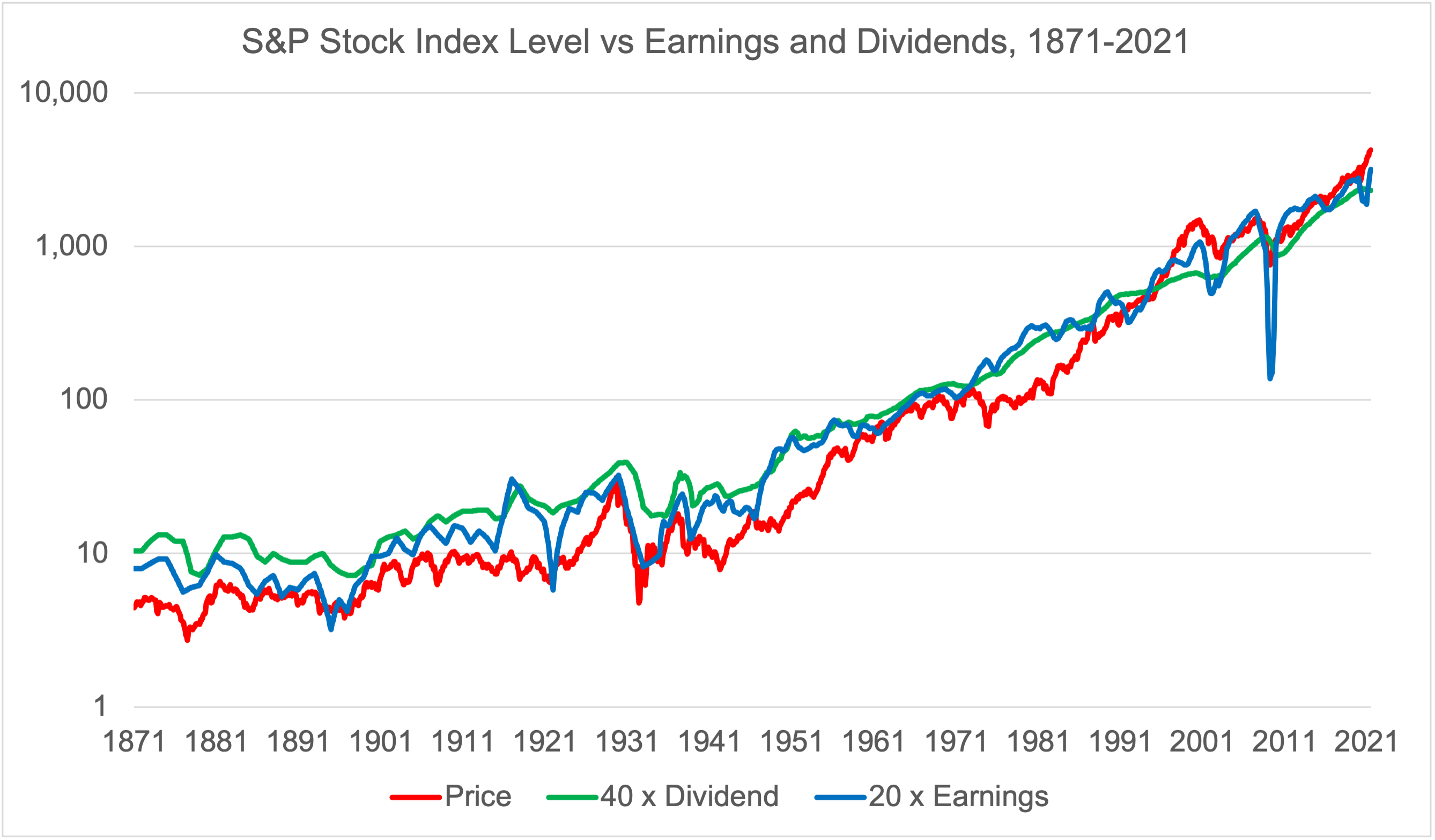
Historically, the S&P 500 has delivered impressive long-term returns, averaging around 10-12% annually over several decades, including reinvested dividends. While past performance is not indicative of future results, the S&P 500 represents the collective performance of America’s largest, most innovative, and most profitable companies. Investing in VOO provides direct exposure to this growth engine, allowing investors to benefit from economic expansion, corporate innovation, and market appreciation over time. For investors with a long-term horizon (e.g., saving for retirement), VOO offers a robust foundation for building wealth, relying on the overall trajectory of the U.S. economy rather than the fortunes of a single company or sector. The compounding effect of these returns, combined with VOO’s low expense ratio, can lead to substantial wealth creation over decades.
Tax Efficiency Considerations
ETFs generally offer superior tax efficiency compared to traditional mutual funds, and VOO is no exception. This primarily stems from their unique redemption mechanism. When an ETF needs to rebalance its portfolio or meet redemptions, it can do so by creating or redeeming “creation units” with authorized participants, often exchanging blocks of securities rather than selling individual stocks on the open market. This process tends to minimize capital gains distributions to shareholders. In contrast, actively managed mutual funds, and even some index mutual funds, might frequently buy and sell securities, triggering capital gains that are then distributed to investors, potentially creating an annual tax liability even if the investor hasn’t sold their shares. For long-term investors, the reduced likelihood of unexpected capital gains distributions from VOO can lead to greater after-tax returns, especially in taxable brokerage accounts.
How VOO Compares and Fits into a Portfolio
Understanding VOO’s place in the broader investment landscape involves comparing it to similar investment vehicles and considering how it integrates into various portfolio strategies.
VOO vs. Mutual Funds (VFIAX)
Vanguard offers an S&P 500 index mutual fund, VFIAX (Vanguard 500 Index Fund Admiral Shares), which tracks the same index as VOO. The primary difference lies in their structure and trading mechanisms. VOO, as an ETF, trades like a stock throughout the day, offering intra-day liquidity. VFIAX, being a mutual fund, is priced once daily at the net asset value (NAV) after market close. While both aim to track the S&P 500 and have virtually identical underlying holdings and extremely low expense ratios (VFIAX’s expense ratio is also 0.03%), VFIAX typically has a higher minimum initial investment ($3,000 for Admiral Shares). For investors making regular, automated contributions, a mutual fund might be slightly simpler to manage, as you buy a dollar amount rather than a specific number of shares. For those who prefer the flexibility of real-time trading and lower initial minimums, VOO is often preferred. Ultimately, for most long-term investors, the performance and cost differences between VOO and VFIAX are negligible.
VOO vs. Other S&P 500 ETFs (SPY, IVV)
Vanguard’s VOO is not the only S&P 500 ETF available. Its main competitors are SPDR S&P 500 ETF Trust (SPY) and iShares Core S&P 500 ETF (IVV). All three track the S&P 500 index, but there are subtle differences. SPY is the oldest and largest S&P 500 ETF, known for its high liquidity, making it popular among institutional investors and traders. However, SPY typically has a slightly higher expense ratio (around 0.09%) than VOO and IVV. IVV, like VOO, is also known for its very low expense ratio (0.03%) and aims for efficient index tracking. For most long-term individual investors, the choice between VOO and IVV often comes down to personal preference or the specific brokerage platform, as their performance and costs are nearly identical. VOO and IVV are generally favored for their lower expense ratios compared to SPY, which can add up significantly over time.
Ideal Investor Profiles and Portfolio Integration
VOO is an excellent core holding for a wide range of investor profiles. It’s particularly suitable for:
- Long-term investors: Those saving for retirement, a down payment, or other distant goals can benefit from the compounding growth of the S&P 500.
- Beginners: Its simplicity, diversification, and low cost make it an ideal starting point for new investors looking to enter the market.
- Set-it-and-forget-it investors: For those who prefer a passive investment strategy, VOO requires minimal ongoing management.
- Core portfolio holdings: Many investors use VOO as the foundational equity component of a diversified portfolio, complementing it with bonds, international stocks, or other specialized ETFs to achieve their desired asset allocation and risk profile. Its broad exposure to U.S. large-cap equities makes it a natural anchor for a well-rounded investment strategy.
Important Considerations and Potential Drawbacks
While the Vanguard S&P 500 ETF offers numerous advantages, it’s crucial for investors to understand its limitations and associated risks. No investment is without its potential drawbacks, and VOO is no exception.
Market Volatility and Risk
Investing in VOO means investing in the stock market, which is inherently volatile. While the S&P 500 has demonstrated robust long-term growth, it is subject to significant short-term fluctuations. Economic downturns, geopolitical events, interest rate changes, and other macroeconomic factors can lead to sharp declines in the market value of VOO. Investors should be prepared for these periods of volatility and understand that their investment could temporarily lose value. VOO does not protect against market risk; it simply reflects the performance of the S&P 500 index. Therefore, it is best suited for investors with a long-term investment horizon who can weather market downturns without needing to liquidate their holdings.
Understanding Tracking Error
Although VOO is designed to perfectly track the S&P 500 index, a phenomenon known as “tracking error” can occur. Tracking error is the difference between the returns of an ETF and the returns of its underlying index. This difference can arise from several factors, including the ETF’s expense ratio, the costs of buying and selling securities within the fund, cash drag (holding a small percentage of assets in cash), and differences in dividend reinvestment timing. While Vanguard is highly efficient at minimizing tracking error, it’s virtually impossible for any index fund or ETF to perfectly replicate an index’s performance down to the last decimal point. However, for a well-managed fund like VOO, tracking error is typically very small and not a significant concern for long-term investors.
Rebalancing and Portfolio Management
While VOO offers broad diversification within the U.S. large-cap equity space, it does not provide diversification into other asset classes (like bonds) or geographies (like international stocks). For a truly diversified portfolio, investors will likely need to complement VOO with other investments. This means periodically reviewing your overall asset allocation and rebalancing your portfolio to ensure it aligns with your risk tolerance and financial goals. For example, if U.S. equities have performed exceptionally well, VOO might grow to represent a larger percentage of your portfolio than initially intended. Rebalancing, which could involve selling some VOO shares and buying other asset classes, or vice-versa, is an active management step that investors need to undertake, even when using passive investment vehicles like VOO.
In conclusion, the Vanguard S&P 500 ETF (VOO) stands as a testament to efficient, low-cost, and broadly diversified investing. It offers a simple yet powerful way for investors to participate in the growth of the U.S. economy by tracking the performance of 500 of its largest companies. With its minimal expense ratio, robust diversification, and tax efficiency, VOO has rightfully earned its place as a core component in millions of investment portfolios. While it is subject to market volatility, its long-term track record and fundamental design make it an indispensable tool for investors committed to building lasting wealth.
aViewFromTheCave is a participant in the Amazon Services LLC Associates Program, an affiliate advertising program designed to provide a means for sites to earn advertising fees by advertising and linking to Amazon.com. Amazon, the Amazon logo, AmazonSupply, and the AmazonSupply logo are trademarks of Amazon.com, Inc. or its affiliates. As an Amazon Associate we earn affiliate commissions from qualifying purchases.