
For investors, traders, and financial enthusiasts alike, the question of “what are the Dow futures for tomorrow?” is more than just a passing curiosity; it’s a critical inquiry that offers an early glimpse into the potential trajectory of the U.S. stock market. Dow futures serve as an indispensable barometer, signaling the prevailing market sentiment even before the opening bell rings on Wall Street. Understanding these financial instruments is not merely about predicting numbers; it’s about discerning the underlying forces shaping investor confidence and anticipating market movements.
In the complex tapestry of global finance, Dow futures provide a proactive lens through which to view forthcoming trading sessions. They reflect a collective assessment by market participants of geopolitical events, economic data releases, corporate earnings, and a myriad of other factors that could influence the performance of the Dow Jones Industrial Average (DJIA). While not a crystal ball offering infallible predictions, their movements often serve as a strong indicator, influencing pre-market trading strategies and setting the tone for the day’s market activity. This guide delves into the mechanics of Dow futures, explores their significance, and outlines how informed investors can leverage this powerful tool to navigate the markets more effectively.

Understanding Dow Futures and Their Mechanics
To grasp the implications of “tomorrow’s” Dow futures, one must first comprehend what these financial instruments are and how they operate within the broader market ecosystem. They are a cornerstone of modern financial markets, providing both hedging opportunities and speculative avenues for participants.
What Are Stock Index Futures?
At their core, Dow futures are a type of derivative contract known as an index future. A derivative’s value is derived from an underlying asset – in this case, the Dow Jones Industrial Average (DJIA). Unlike directly buying or selling shares of the 30 companies that comprise the DJIA, a futures contract is an agreement to buy or sell the value of the index at a predetermined price on a specified future date. This allows investors to gain exposure to the overall market movement without transacting in individual stocks. The primary Dow futures contract is the E-mini Dow futures, traded electronically on the Chicago Mercantile Exchange (CME) Group’s Globex platform. Its smaller size makes it accessible to a wider range of participants.
The Dow Jones Industrial Average (DJIA) – The Underlying Index
The Dow Jones Industrial Average is one of the oldest and most widely recognized stock market indices globally. It comprises 30 large, publicly-owned companies based in the United States, representing a significant portion of the U.S. industrial economy. Its composition is chosen by the editors of The Wall Street Journal and typically includes industry leaders across various sectors. The DJIA is a price-weighted index, meaning companies with higher stock prices have a greater influence on the index’s value. When we talk about Dow futures, we are essentially speculating on the future direction of this iconic benchmark.
How Dow Futures Work: Trading Hours, Expiration, and Settlement
Dow futures trade nearly 24 hours a day, five days a week, extending well beyond the conventional U.S. stock market hours (9:30 AM to 4:00 PM ET). This extended trading window is precisely why they are so valuable for predicting “tomorrow’s” market opening. Events that occur overnight – such as economic data releases from Asia or Europe, geopolitical developments, or late-breaking corporate news – are immediately factored into Dow futures prices, providing continuous price discovery.
These contracts have specific expiration dates, typically quarterly (March, June, September, December). As the expiration date approaches, traders will either close their positions or roll them over into the next contract month. Most futures contracts are cash-settled, meaning that upon expiration, instead of physical delivery of shares, the difference between the contract price and the market price of the underlying index is paid out in cash. The continuous trading, coupled with transparent pricing, offers a real-time pulse of global investor sentiment, making “tomorrow’s” Dow futures a crucial data point for strategic planning.
Why “Tomorrow” Matters: Interpreting Futures for Market Direction
The allure of Dow futures lies in their forward-looking nature. While they don’t provide a definitive prophecy, they offer an invaluable preview, shaping expectations and strategies for the impending trading day.
A Glimpse into Tomorrow’s Opening Bell
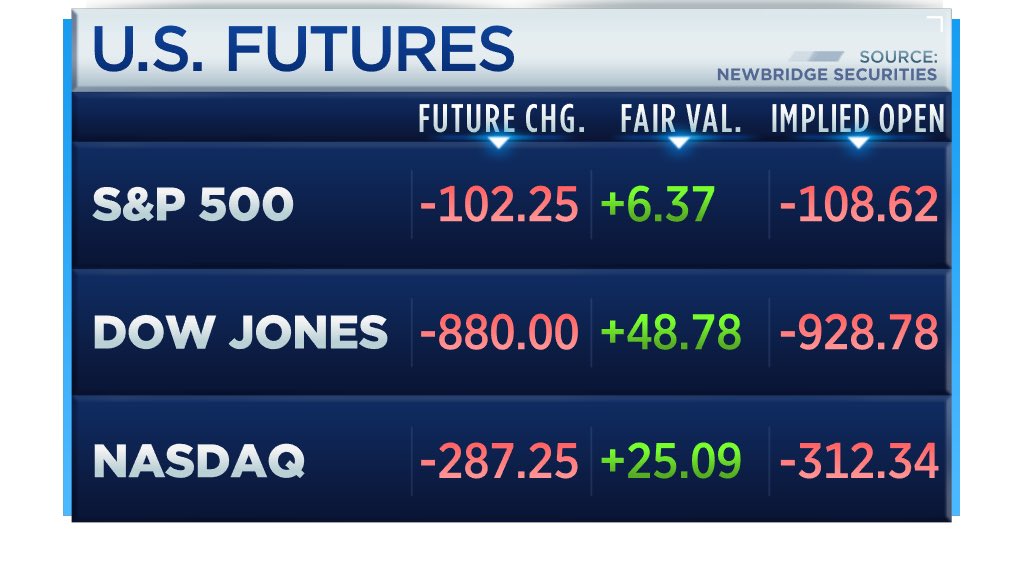
When financial analysts or news outlets discuss “Dow futures for tomorrow,” they are typically referring to how the futures market is performing outside of regular trading hours, particularly during the evening and overnight sessions leading up to the next market open. If Dow futures are trading significantly higher, it suggests that investors are optimistic, anticipating a strong opening for the DJIA. Conversely, a substantial decline in futures points to pessimism and a potentially lower opening. This early signal allows investors to gauge overall market sentiment before the official market session begins, giving them time to adjust their positions or prepare for volatility.
Not a Guarantee, But a Strong Indicator
It’s crucial to understand that while Dow futures are a strong indicator, they are not a guarantee of how the market will open or perform throughout the day. Several factors can cause deviations between futures movements and the actual market open:
- Late-breaking news: An unexpected event occurring just before the market opens can instantly shift sentiment.
- Volume and Liquidity: While futures trade continuously, liquidity can be lower during off-hours, making prices more susceptible to large orders.
- “Opening Bell” Data: Key economic reports or corporate announcements often coincide with or just before the market open, which haven’t been fully priced into futures.
Despite these caveats, the general direction and magnitude of Dow futures movements provide a highly reliable forecast for the initial market sentiment. A futures market up 100 points rarely translates into a 100-point down open for the cash market, underscoring their predictive power.
Key Metrics to Watch
When assessing Dow futures, several metrics offer deeper insights:
- Points Up/Down: This is the most straightforward indicator, showing the absolute change from the previous day’s close.
- Percentage Change: A more useful comparative measure, especially when looking at historical data or comparing to other indices.
- Volume: High trading volume alongside a significant price movement lends more credibility to the trend. Low volume movements can be less reliable.
- Open Interest: The total number of outstanding futures contracts that have not yet been settled or closed. A rising open interest suggests increasing market participation and conviction behind a trend.
- Time of Movement: Pay attention to when significant movements occur. Reactions to specific news events are often more credible than random fluctuations during low-liquidity hours.
Factors Influencing Dow Futures
The price of Dow futures is a dynamic reflection of a multitude of global and domestic influences. Understanding these factors is key to interpreting tomorrow’s potential movements.
Economic Data Releases
Economic reports are perhaps the most significant drivers of futures prices. Data on inflation (CPI, PPI), employment (jobs reports, unemployment rates), Gross Domestic Product (GDP), manufacturing activity (PMI), and consumer confidence can drastically shift market expectations for economic growth and corporate profitability. A surprisingly strong jobs report, for example, might send futures higher due to optimism about consumer spending, while hotter-than-expected inflation could cause a sell-off as investors anticipate higher interest rates.
Corporate Earnings and News
Individual corporate announcements, particularly from the 30 companies within the DJIA, can have a ripple effect on the entire index. Strong earnings reports or positive outlooks from a few key Dow components can lift futures, while unexpected profit warnings or scandals can drag them down. Sector-specific news also plays a role; a major development in the tech sector, even if not directly related to a Dow component, can influence overall market sentiment reflected in futures.
Geopolitical Events and Global Markets
The interconnectedness of the global economy means that events far beyond U.S. borders can profoundly impact Dow futures. Wars, political instability in major economies, trade disputes, or even significant elections abroad can create uncertainty, leading investors to re-evaluate risk and adjust their positions. Furthermore, the performance of major international markets (e.g., European and Asian indices) during their trading hours often provides an early indication of sentiment that will carry over into U.S. futures trading.
Central Bank Policies and Interest Rates
Actions and statements from central banks, especially the U.S. Federal Reserve, are paramount. Decisions regarding interest rates, quantitative easing or tightening, and forward guidance on monetary policy can dramatically alter the cost of capital, corporate borrowing, and investor risk appetite. Expectations for interest rate hikes, for instance, typically put downward pressure on futures as higher rates can slow economic growth and reduce corporate valuations.
Technical Analysis and Market Sentiment
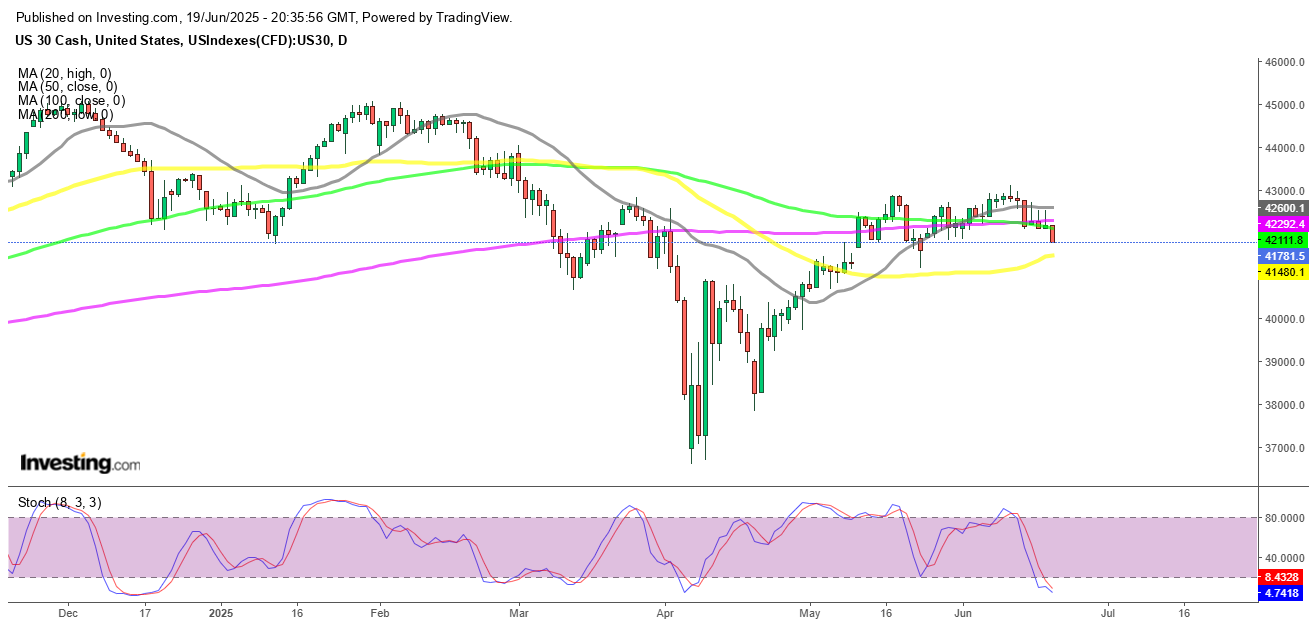
Beyond fundamental news, technical indicators and prevailing market sentiment also influence futures prices. Support and resistance levels, moving averages, and chart patterns can guide traders’ decisions. Moreover, general market sentiment—whether fear or greed predominates—can create self-reinforcing trends. Panic selling or euphoric buying can amplify movements in futures, sometimes detached from immediate fundamental news, as participants react to herd behavior.
How to Access and Utilize Dow Futures Information
For any serious investor, integrating Dow futures analysis into their daily routine is a sensible practice. Knowing where to find reliable data and how to apply it strategically is key.
Reliable Data Sources
Numerous platforms provide real-time Dow futures data:
- Financial News Websites: Reputable sites like Bloomberg, Reuters, Wall Street Journal, CNBC, and Yahoo Finance often display futures prices prominently on their homepages or market data sections.
- Brokerage Platforms: Most online brokers offer real-time or delayed futures quotes to their account holders, often integrated with advanced charting and analysis tools.
- Exchange Websites: The CME Group website, where E-mini Dow futures are traded, offers official data, although it may require a subscription for real-time feeds.
- Specialized Data Providers: Services like TradingView, Finviz, and others offer comprehensive charting and analysis tools for futures markets.
When consulting these sources, always verify the data source and refresh rates to ensure you are viewing the most current information available.
Integrating Futures into Your Investment Strategy
Dow futures are not just for day traders; they are a valuable tool for all types of investors:
- Risk Management: If futures are pointing to a significant downturn, long-term investors might consider placing stop-loss orders or reviewing their portfolio allocations for potential overexposure.
- Opportunity Identification: A strong positive move in futures might highlight a market ready to rally, potentially signaling entry points for new investments or additional capital deployment.
- Pre-Market Decision Making: For those who trade individual stocks or ETFs, futures provide context. If futures are sharply lower, you might hold off on buying until the market opens and the dust settles, or look for shorting opportunities.
- Understanding Volatility: Significant swings in futures often precede volatile trading sessions, helping investors prepare for wider price movements and potentially higher risk.
The Importance of Context and Broader Market Analysis
While Dow futures provide a narrow, though powerful, lens, they should always be viewed within a broader market context. Consider them alongside:
- Other Index Futures: Look at S&P 500 futures (ES) and Nasdaq 100 futures (NQ) to get a comprehensive view of sentiment across different market segments (large-cap, tech-heavy).
- Global Market Performance: How did Asian and European markets perform? Their closing values often inform U.S. futures.
- Bond Markets: Interest rate expectations derived from bond yields (e.g., the 10-year Treasury yield) significantly influence equities.
- Commodity Prices: Oil prices, gold, and other commodities can signal inflationary pressures or global demand changes.
A holistic approach ensures that “tomorrow’s” Dow futures are not interpreted in isolation but as one piece of a larger, intricate financial puzzle.
Conclusion
The question “what are the Dow futures for tomorrow?” encapsulates the proactive spirit of informed investing. Dow futures are far more than mere numbers; they represent the collective anticipation of market participants, filtering through a continuous stream of economic, corporate, and geopolitical information. By offering a vital pre-market glimpse, they empower investors to anticipate market openings, manage risk, and identify potential opportunities before the conventional trading day even begins.
While their predictive power is substantial, it is crucial to remember that futures are indicators, not infallible prophecies. Their movements should always be analyzed within a broader context, considering other market segments, economic data, and global events. For anyone serious about navigating the complexities of the financial markets, a diligent and informed understanding of Dow futures is an indispensable tool, helping to transform uncertainty into strategic foresight and ultimately, more confident investment decisions.
aViewFromTheCave is a participant in the Amazon Services LLC Associates Program, an affiliate advertising program designed to provide a means for sites to earn advertising fees by advertising and linking to Amazon.com. Amazon, the Amazon logo, AmazonSupply, and the AmazonSupply logo are trademarks of Amazon.com, Inc. or its affiliates. As an Amazon Associate we earn affiliate commissions from qualifying purchases.