
The S&P 500, or Standard & Poor’s 500, is far more than just a collection of numbers; it is arguably the most widely recognized and respected benchmark for the U.S. stock market and, by extension, the health of the broader American economy. For investors, economists, and even casual observers, understanding the S&P 500 is fundamental to grasping the dynamics of financial markets. It represents a basket of 500 of the largest U.S. publicly traded companies, carefully selected to reflect a broad spectrum of industries and market segments. Unlike simpler indices that might just track a specific number of stocks, the S&P 500 is a market-capitalization-weighted index, meaning companies with larger market values have a greater impact on the index’s performance.

First compiled in its current form in 1957, the S&P 500 has a rich history rooted in providing a comprehensive and accurate measure of market performance. Before its inception, various other indices existed, but none achieved the breadth and methodological rigor that would come to define the S&P 500. Its creation marked a significant advancement in how market performance was tracked and understood, moving beyond simple averages to a system that better reflected the true economic footprint of its constituent companies. Over the decades, it has evolved to remain relevant, adapting its methodology to ensure it continues to be a robust indicator of the U.S. equity market. Today, when financial news reports that “the market is up” or “the market is down,” they are often, implicitly or explicitly, referring to the movement of the S&P 500. This article will delve into the intricacies of this pivotal index, exploring its composition, significance, and how investors can leverage its insights.
The Anatomy of the S&P 500 Index
Understanding what constitutes the S&P 500 is crucial to appreciating its influence. It’s not merely the 500 largest companies by market capitalization, but rather a carefully curated selection designed to be representative of the U.S. large-cap equity market.
What it Represents
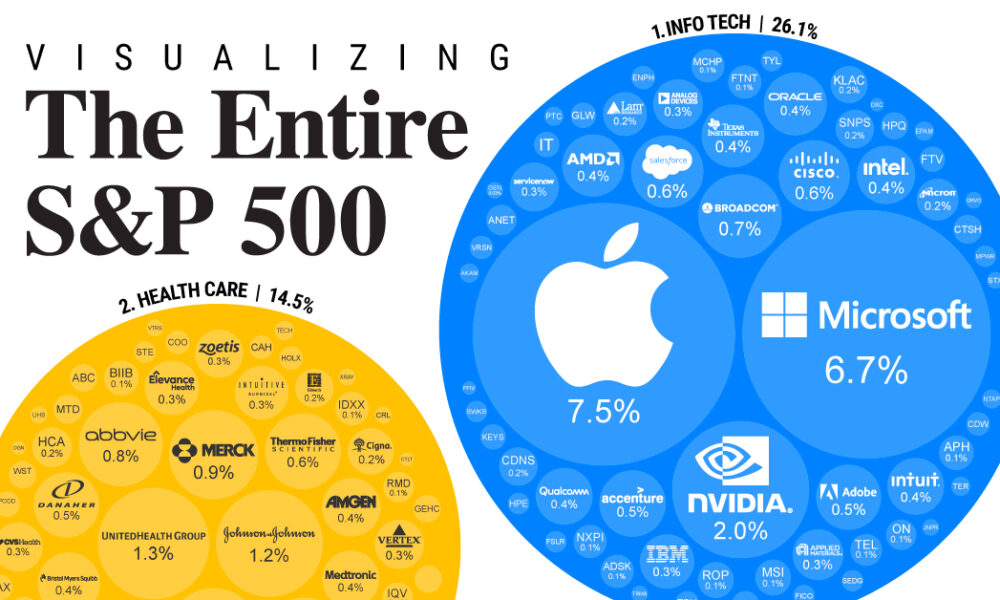
At its core, the S&P 500 aims to capture the performance of the largest and most established publicly traded companies in the United States. These companies span across virtually every sector of the economy, from technology giants like Apple and Microsoft, to financial powerhouses like JPMorgan Chase, consumer staples like Coca-Cola, and industrial titans such as General Electric. This broad representation makes the index a reliable gauge of the overall market sentiment and economic health. When the S&P 500 rises, it often signals investor confidence and economic expansion, while a decline can indicate widespread concerns or contractions. It acts as a bellwether, providing a snapshot of the collective performance of America’s corporate engines.
Selection Criteria and Methodology
Inclusion in the S&P 500 is not automatic, even for large companies. S&P Dow Jones Indices, the entity responsible for maintaining the index, employs a committee that applies specific criteria to select companies. While exact rules can evolve, key considerations generally include:
- U.S. Company: The company must be based in the United States.
- Market Capitalization: It must meet a minimum market capitalization threshold, which is periodically adjusted (historically, this has often been in the billions of dollars).
- Liquidity: The company’s stock must be highly liquid, meaning it can be easily bought and sold without significantly impacting its price. This ensures the index accurately reflects market movements.
- Public Float: A substantial portion of the company’s shares must be available for public trading, rather than being held by insiders or government entities.
- Profitability: Companies are typically required to have a positive sum of their most recent four consecutive quarters’ GAAP earnings, with the most recent quarter being positive.
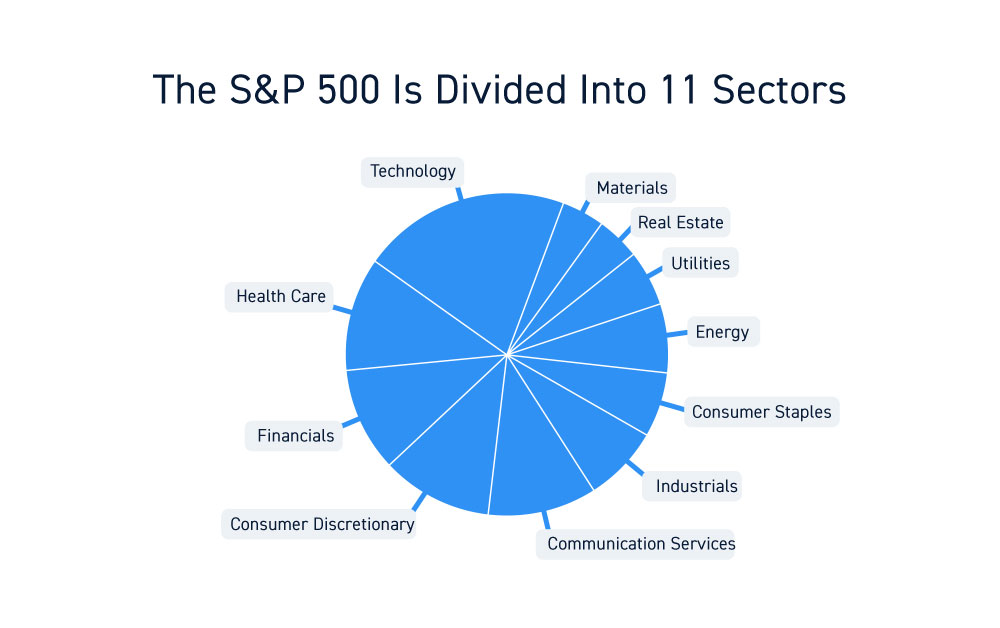
- Sector Balance: The committee also considers the company’s sector to ensure the index remains broadly representative of the U.S. economy, avoiding overconcentration in any single industry.
The committee meets regularly to review the index’s composition, adding new companies that meet the criteria and removing those that no longer qualify (e.g., due to mergers, acquisitions, or declining performance). This dynamic management ensures the index remains relevant and reflective of the current economic landscape.
Market-Cap Weighting Explained
A crucial aspect of the S&P 500’s methodology is its market-capitalization weighting. This means that companies with larger market values (share price multiplied by the number of outstanding shares) have a greater proportional impact on the index’s performance. For example, if Apple, a company with a market cap often exceeding $2 trillion, sees its stock price rise by 1%, it will move the S&P 500 index more significantly than if a smaller company within the index, with a market cap of, say, $50 billion, experiences the same 1% gain.
This weighting scheme is intentional, as it reflects the true economic scale and influence of larger corporations. It ensures that the index’s movements accurately mirror the overall market sentiment towards the biggest players, which collectively hold the most sway in the economy. While critics sometimes point to this as a potential drawback, arguing that it makes the index heavily influenced by a few mega-cap stocks, proponents argue that it provides a more realistic representation of the total market value of U.S. equities.
Why the S&P 500 Matters to Investors and the Economy
The S&P 500’s prominence isn’t accidental; it stems from its multifaceted utility as a financial tool and economic indicator. Its impact reverberates across various aspects of finance, from individual investment strategies to national economic analysis.
A Barometer for the U.S. Economy
One of the S&P 500’s most significant roles is its function as a leading economic indicator. Because it comprises 500 of the largest publicly traded U.S. companies, their collective performance often mirrors the broader economic health of the nation. These companies are major employers, significant consumers of resources, and often international players, meaning their fortunes are closely tied to consumer spending, business investment, and global economic trends.
When the S&P 500 is consistently rising, it generally signals economic growth, strong corporate earnings, and investor optimism. Conversely, a sustained decline can indicate looming recessions, decreased corporate profitability, or a loss of confidence among investors. While not a perfect predictor, its movements are closely watched by policymakers, economists, and central banks as they formulate strategies and assess the economic climate. It offers a real-time, aggregated sentiment of how the largest economic engines are performing.
Diversification and Long-Term Growth Potential
For individual investors, the S&P 500 offers a straightforward path to significant diversification. By investing in an S&P 500-tracking fund, you are effectively buying a small piece of 500 different companies across a wide range of industries. This inherent diversification helps mitigate risk; if one or a few companies perform poorly, their negative impact is cushioned by the performance of hundreds of others. This is a far safer approach than trying to pick individual stocks, where the failure of one company can be catastrophic to an undiversified portfolio.
Historically, the S&P 500 has demonstrated robust long-term growth potential. While it experiences short-term fluctuations and periods of significant decline (known as bear markets), its long-term trend has been upward, reflecting the underlying growth of the U.S. economy and corporate innovation. Over decades, investors in the S&P 500 have generally been rewarded, making it a cornerstone of many long-term investment strategies, particularly for retirement planning.
Benchmarking Performance
The S&P 500 serves as the gold standard benchmark for professional money managers and individual investors alike. When an investment fund, a financial advisor, or even an individual investor claims to have outperformed “the market,” they are almost invariably comparing their returns against the S&P 500’s performance.
This benchmarking function is critical for several reasons:
- Evaluating Fund Managers: It allows investors to assess whether an active fund manager’s stock-picking abilities justify their often-higher fees. If a manager consistently underperforms the S&P 500, investors might question the value they are adding.
- Personal Portfolio Assessment: Individual investors can use it to gauge the effectiveness of their own investment decisions. If your portfolio consistently lags the S&P 500, it might be a sign to re-evaluate your strategy.
- Setting Realistic Expectations: The S&P 500’s historical average returns provide a realistic baseline for what one might expect from diversified U.S. equity exposure over the long term.
Its widespread acceptance as a benchmark underscores its reliability and representativeness as a measure of broad market performance.
How to Invest in the S&P 500
Directly investing in all 500 companies of the S&P 500 can be complex and costly for individual investors. Fortunately, several accessible and efficient avenues exist to gain exposure to the index. These methods allow investors to achieve diversification and track the S&P 500’s performance without the need to purchase each individual stock.
Exchange-Traded Funds (ETFs)
Exchange-Traded Funds (ETFs) are arguably the most popular and convenient way for investors to gain exposure to the S&P 500. An S&P 500 ETF is a type of fund that holds the stocks of the companies in the S&P 500 index, typically in the same proportions as the index itself. Key characteristics of S&P 500 ETFs include:
- Diversification: Instantly provides exposure to 500 companies with a single purchase.
- Low Fees: ETFs tracking broad indices like the S&P 500 usually have very low expense ratios (annual fees), often a fraction of a percent, because they are passively managed and simply aim to replicate the index’s performance.
- Tradability: Like individual stocks, ETFs can be bought and sold throughout the trading day at market prices.
- Transparency: Their holdings are typically disclosed daily, so investors know exactly what they own.
Popular examples of S&P 500 ETFs include SPDR S&P 500 ETF Trust (SPY), iShares Core S&P 500 (IVV), and Vanguard S&P 500 ETF (VOO). These funds are widely available through most brokerage accounts.
Mutual Funds
Before the advent of ETFs, mutual funds were the primary way for individual investors to gain diversified exposure to market indices. S&P 500 index mutual funds operate similarly to ETFs in that they aim to track the performance of the S&P 500 by holding its constituent stocks.
Key aspects of S&P 500 mutual funds:
- Diversification: Offers the same broad market exposure as ETFs.
- Professional Management (Passive): While passively managed to track the index, the fund itself is managed by a fund company.
- Pricing: Unlike ETFs, mutual funds are typically priced once a day at the end of the trading day (Net Asset Value or NAV).
- Fees: Index mutual funds also generally have low expense ratios, though some might be slightly higher than comparable ETFs. Some may also have load fees (commissions) for buying or selling, though no-load index funds are common.
Many major fund families, such as Vanguard, Fidelity, and Charles Schwab, offer low-cost S&P 500 index mutual funds. They are often favored by investors who prefer to set it and forget it, making regular contributions without actively trading.
Individual Stocks (Indirect Exposure)
While not a direct investment in “the S&P 500 index” itself, investing in individual stocks that are components of the S&P 500 provides indirect exposure. An investor could, theoretically, buy shares in some or all of the 500 companies. However, this approach is generally impractical for achieving true S&P 500 diversification due to the costs, time, and effort involved in purchasing and managing 500 separate positions.
However, understanding the S&P 500’s composition can inform individual stock selection. An investor might choose to focus on large-cap U.S. companies that are S&P 500 constituents, perhaps to complement an existing S&P 500 fund or to overweight specific sectors they believe will outperform. This strategy requires significant research and carries higher idiosyncratic risk than simply investing in an index fund. For most individual investors seeking broad S&P 500 exposure, ETFs or mutual funds are the superior and more efficient choice.
Understanding Risk and Return with the S&P 500
Investing in the S&P 500, like any investment, involves a balance of potential returns and inherent risks. While its historical performance is compelling, a nuanced understanding of its characteristics is essential for informed decision-making.
Historical Performance and Volatility
Over its long history, the S&P 500 has delivered impressive average annual returns. While exact figures vary depending on the period, it has historically averaged around 10-12% annually, including reinvested dividends, over multi-decade periods. This strong performance has made it a powerful engine for wealth creation for long-term investors.
However, this average masks significant volatility. The S&P 500 does not go up in a straight line. It experiences periods of rapid growth, gradual declines, and sometimes sharp, sudden crashes (like those seen during the dot-com bubble burst, the 2008 financial crisis, or the COVID-19 pandemic in 2020). These periods of volatility are a normal and expected part of stock market investing. Short-term investors might find these fluctuations unsettling, but for those with a long-term horizon, they are often viewed as temporary disruptions on the path to overall growth.
Potential Drawbacks and Considerations
While the S&P 500 is a powerful investment tool, it’s not without its considerations:
- Market Risk: The primary risk is market risk. If the overall U.S. stock market experiences a downturn, the S&P 500 will decline. While diversified across companies, it is not diversified across asset classes (e.g., bonds, real estate) or geographies.
- Concentration Risk (U.S. Focus): The S&P 500 is entirely composed of U.S. companies. While many are multinational, an investor relying solely on the S&P 500 would lack direct exposure to international markets, which can sometimes outperform the U.S. market.
- Sector Concentration: Due to market-cap weighting, the index can become heavily concentrated in certain sectors (e.g., technology, financials) during different market cycles, potentially exposing investors to risks within those specific industries.
- No Guarantees: Past performance is not indicative of future results. While historical returns are strong, there is no guarantee that the S&P 500 will continue to deliver similar returns in the future.
The Importance of a Long-Term Perspective
Given the inherent volatility, a long-term perspective is paramount when investing in the S&P 500. Attempting to time the market—buying low and selling high in the short term—is notoriously difficult and often leads to worse outcomes than a consistent, long-term approach.
- Dollar-Cost Averaging: Many investors employ dollar-cost averaging, investing a fixed amount regularly (e.g., monthly) regardless of market fluctuations. This strategy helps to average out the purchase price over time, reducing the risk of investing a large sum at a market peak.
- Compounding Returns: The power of compounding means that early investments have the most time to grow and generate returns on previously earned returns. This effect is maximized by staying invested for many years, ideally decades.
- Riding Out Downturns: Historically, the S&P 500 has recovered from every major downturn. Investors who panic and sell during bear markets often lock in losses and miss out on the subsequent recoveries. Patience and discipline are key to harnessing the long-term growth potential of the S&P 500.
In essence, the S&P 500 offers a robust, diversified, and historically rewarding path to investment growth, but it demands a strategic mindset focused on the horizon rather than the daily ebb and flow of market movements.
In conclusion, the S&P 500 stands as an indispensable cornerstone of the financial world. As a meticulously constructed, market-capitalization-weighted index of 500 leading U.S. companies, it serves as a critical barometer for the health of the American economy and a vital benchmark for investment performance. For individual investors, it provides an accessible, diversified, and historically potent avenue for long-term wealth accumulation through instruments like ETFs and mutual funds. While it carries inherent market risks and short-term volatility, a disciplined, long-term approach has historically proven to be a rewarding strategy. Understanding the S&P 500 is not just about comprehending a financial product; it’s about gaining insight into the very heartbeat of the U.S. financial market and its profound impact on personal finance and broader economic trends.
aViewFromTheCave is a participant in the Amazon Services LLC Associates Program, an affiliate advertising program designed to provide a means for sites to earn advertising fees by advertising and linking to Amazon.com. Amazon, the Amazon logo, AmazonSupply, and the AmazonSupply logo are trademarks of Amazon.com, Inc. or its affiliates. As an Amazon Associate we earn affiliate commissions from qualifying purchases.