
Investing in the stock market can be a powerful strategy for building wealth over time. For many, however, the initial hurdle lies in understanding not just what to invest in, but where and how to even begin purchasing shares. This guide aims to demystify the process, providing a professional and insightful overview of the various avenues available for individuals looking to enter the world of stock ownership. From traditional brokerage firms to modern robo-advisors, we’ll explore the landscape of stock purchasing, helping you make informed decisions tailored to your financial goals and investment style.

Understanding the Landscape of Stock Ownership
Before diving into the specifics of where to buy stocks, it’s crucial to grasp the fundamental reasons behind stock investment and the basic mechanics of how stocks are traded. This foundational knowledge empowers investors to approach the market with confidence and a clear strategy.
Why Invest in Stocks?
Investing in stocks means buying a small piece of a company. When you own stock, you become a shareholder, and your investment’s value typically fluctuates with the company’s performance and market sentiment. The primary motivations for investing in stocks generally include:
- Growth Potential: Historically, the stock market has offered significant long-term returns, outperforming many other asset classes. As companies grow and become more profitable, their stock prices tend to appreciate, increasing the value of your investment.
- Dividends: Many established companies distribute a portion of their profits to shareholders in the form of dividends. These regular payments, often quarterly, can provide a steady stream of income and contribute to your overall investment returns, especially when reinvested.
- Inflation Hedge: Over long periods, stocks have generally proven to be a good hedge against inflation. While inflation erodes the purchasing power of cash, well-performing stocks can grow in value at a rate that outpaces inflation, preserving and enhancing your wealth.
- Ownership and Influence (Limited): While individual small shareholders have minimal direct influence, owning stock provides a sense of connection to companies you believe in, and you often have voting rights on certain company matters.
The Basics of Stock Trading
Stock trading occurs on exchanges, which are marketplaces where buyers and sellers meet. In the modern era, these transactions are predominantly electronic. When you decide to buy or sell stock, you don’t typically interact directly with the exchange; instead, you go through an intermediary known as a brokerage firm. These firms facilitate transactions on your behalf, providing access to the market. Understanding this intermediary role is key to navigating the purchasing process.
Key Avenues for Purchasing Stocks
The digital age has democratized stock investing, offering a wider array of platforms than ever before. Choosing the right avenue depends on your desired level of control, support, cost sensitivity, and investment complexity.
Online Brokerage Firms
Online brokerage firms are the most common and accessible platforms for individual investors to purchase stocks. They provide the tools and infrastructure to research, buy, and sell securities from the comfort of your home or on the go via mobile apps. These firms broadly fall into two categories:
- Discount Brokers: These firms offer a no-frills approach, focusing on low commissions and robust online trading platforms. They are ideal for self-directed investors who prefer to conduct their own research, make their own investment decisions, and manage their portfolios actively. Examples include Charles Schwab, Fidelity, TD Ameritrade (now Schwab), and E*TRADE. Many now offer commission-free trading for stocks and ETFs, making them incredibly cost-effective.
- Full-Service Brokers: While less common for direct stock purchases by retail investors due to higher fees, full-service brokers offer comprehensive financial planning, personalized advice, and a range of investment products beyond just stocks. They cater to investors who prefer a hands-on relationship with a financial advisor and are willing to pay for tailored guidance, tax planning, estate planning, and wealth management services.
Robo-Advisors: Automated Investing Made Simple
For investors who prefer a hands-off approach or are new to investing, robo-advisors offer an excellent solution. These platforms use algorithms to build and manage diversified portfolios based on your financial goals, risk tolerance, and time horizon. While they primarily focus on exchange-traded funds (ETFs) and mutual funds rather than individual stocks, many ETFs track specific sectors or indices, giving you exposure to a basket of stocks without needing to pick individual companies.
- How they work: You answer a questionnaire about your financial situation and goals. The robo-advisor then recommends a diversified portfolio of low-cost ETFs and automatically rebalances it periodically to maintain your target asset allocation.
- Benefits: Low fees, automatic rebalancing, diversification, and ease of use.
- Examples: Betterment, Wealthfront, M1 Finance (which offers more customization for individual stock investing within a diversified portfolio).
Direct Stock Purchase Plans (DSPPs) and Dividend Reinvestment Plans (DRIPs)
Some companies offer direct stock purchase plans (DSPPs) that allow investors to buy shares directly from the company itself, bypassing a broker. These plans are less common now that most brokers offer commission-free trading, but they can still be useful for:
- Small, regular investments: Often, you can invest small amounts periodically without brokerage fees.
- Fractional shares: DSPPs frequently allow the purchase of fractional shares, which means you can invest a specific dollar amount rather than having to buy full shares.
- DRIPs: Many DSPPs include Dividend Reinvestment Plans (DRIPs), which automatically use your cash dividends to purchase additional shares or fractional shares of the company’s stock, compounding your returns over time.
While DSPPs can be cost-effective for investing in a single company, they don’t offer the diversification or ease of management that a brokerage account provides for a broader portfolio.
Choosing the Right Brokerage for Your Needs
Selecting the appropriate brokerage firm is a critical step. The best choice for one investor may not be the best for another, as it largely depends on individual preferences, experience level, and financial objectives.
Evaluating Fees and Commissions
In an era of commission-free stock and ETF trading, fees might seem less significant, but they can still impact your returns. Look beyond advertised “free” trades:
- Trading Fees: While many brokers offer $0 commissions for stocks and ETFs, check for fees related to options, mutual funds, or transactions involving foreign markets.
- Account Maintenance Fees: Some brokers charge monthly or annual fees, especially for accounts that fall below a certain balance or are inactive.
- Hidden Costs: Be aware of fees for services like wire transfers, paper statements, account transfers (ACATS), or inactivity fees. Always read the fine print.
Assessing Investment Options and Tools
The range of investment products and analytical tools offered by a broker can significantly enhance your investing experience:
- Stock Selection: Ensure the broker provides access to all major U.S. exchanges and, if desired, international markets.
- Research and Data: Look for comprehensive research reports, analyst ratings, news feeds, charting tools, and screening capabilities to help you identify potential investments.
- Other Securities: If you plan to invest beyond individual stocks, check if the broker offers ETFs, mutual funds, options, bonds, and other asset classes.
- Educational Resources: Especially for beginners, a broker offering robust educational articles, webinars, and tutorials can be invaluable.
Considering User Experience and Customer Support
The platform’s usability and the quality of customer service directly affect your ability to manage your investments efficiently and troubleshoot issues:
- Platform Interface: Is the desktop and mobile interface intuitive, easy to navigate, and reliable? Does it offer advanced features if you need them, or is it streamlined for simplicity?
- Customer Support: What are the contact options (phone, email, live chat)? Are representatives knowledgeable and responsive? What are their hours of operation?
Understanding Regulatory Compliance and Security
Your chosen brokerage should be regulated and offer strong security measures to protect your assets:
- Regulatory Oversight: In the U.S., brokers are regulated by the Securities and Exchange Commission (SEC) and the Financial Industry Regulatory Authority (FINRA). Ensure your broker is a member of the Securities Investor Protection Corporation (SIPC), which protects your securities up to $500,000 (including $250,000 for cash) in case the brokerage firm fails.
- Account Security: Look for features like two-factor authentication, encryption, and fraud protection to safeguard your account from unauthorized access.
The Step-by-Step Process of Buying Your First Stock
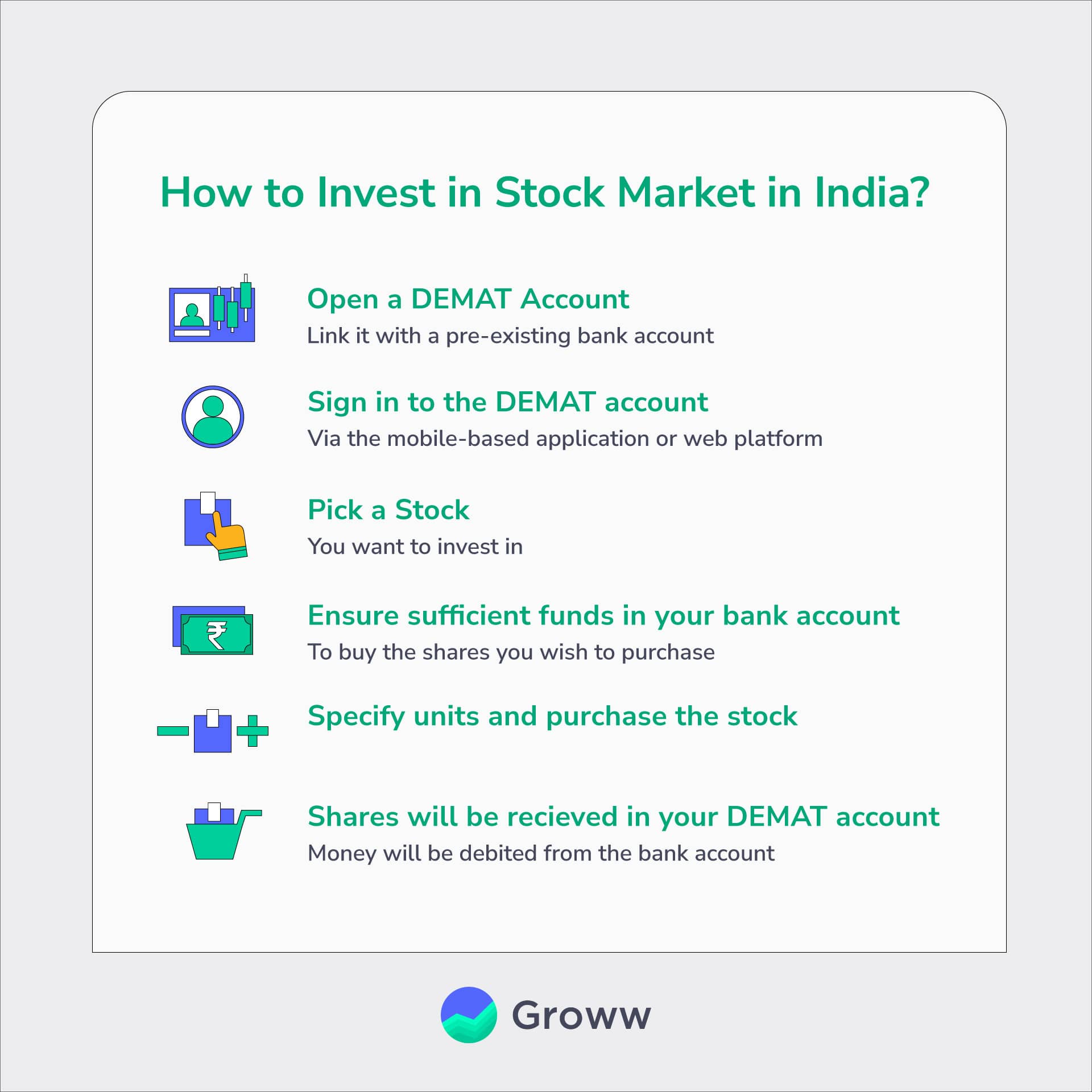
Once you’ve chosen a brokerage, the actual process of purchasing stock is relatively straightforward.
Opening and Funding Your Brokerage Account
- Application: Complete an online application, providing personal information (name, address, date of birth, Social Security Number), employment details, and financial situation (income, net worth, investment experience).
- Verification: Your identity will be verified, often requiring you to upload copies of IDs.
- Funding: Once approved, you’ll need to fund your account. Common methods include electronic transfers (ACH), wire transfers, or mailing a check. The funds will typically take a few business days to clear and become available for trading.
Researching and Selecting Stocks
This is arguably the most crucial step. Never invest based on a hunch or hype. Utilize your brokerage’s research tools, reputable financial news sources, and independent analysis. Consider factors such as:
- Company Fundamentals: Revenue growth, profitability, debt levels, competitive advantages.
- Industry Trends: The overall health and future prospects of the sector the company operates in.
- Valuation: Is the stock reasonably priced relative to its earnings, assets, and growth potential?
- Your Investment Thesis: Clearly articulate why you believe this stock will perform well.
Placing a Trade: Market Orders vs. Limit Orders
When you’re ready to buy, you’ll specify the stock symbol and the number of shares. You’ll also choose your order type:
- Market Order: This instructs your broker to buy (or sell) the shares immediately at the best available price. While it ensures execution, the price you get might be slightly different from what you saw moments before, especially in volatile markets.
- Limit Order: This instructs your broker to buy (or sell) shares only at a specified price or better. For example, if a stock is trading at $101, you might place a limit order to buy at $100. Your order will only execute if the stock drops to $100 or lower. This gives you more control over the price you pay but doesn’t guarantee execution.
For most beginners, a limit order can provide a sense of security, ensuring you don’t overpay.
Essential Considerations for New Investors
Embarking on your stock market journey requires more than just knowing where to click. A successful long-term strategy incorporates several key principles.
Start Small and Diversify Your Portfolio
Don’t put all your eggs in one basket. Begin with an amount you’re comfortable losing, and spread your investments across different companies, industries, and even asset classes (like bonds or real estate) to mitigate risk. ETFs and mutual funds are excellent tools for instant diversification. As you gain experience and confidence, you can gradually increase your investment amounts.
The Importance of Long-Term Perspective
The stock market experiences ups and downs. Short-term fluctuations are normal and often unpredictable. Trying to time the market is extremely difficult, even for professionals. Instead, adopt a long-term perspective. Focus on investing in quality companies with strong fundamentals and hold them for years, allowing the power of compounding to work in your favor. Regular contributions, regardless of market conditions, can also average out your purchase price over time (dollar-cost averaging).

Continuous Learning and Adapting
The financial world is dynamic. Stay informed about market trends, economic news, and changes in the companies you own. Read books, follow reputable financial news outlets, and leverage the educational resources provided by your brokerage. As your financial situation evolves, periodically review your portfolio and make adjustments to ensure it aligns with your goals and risk tolerance.
In conclusion, purchasing stock is a accessible endeavor for today’s investor. By understanding the various platforms, carefully selecting a brokerage that fits your needs, and adhering to sound investment principles, you can confidently take control of your financial future and participate in the growth opportunities the stock market offers. Remember, patience, discipline, and continuous learning are your greatest allies in the journey of wealth building.
aViewFromTheCave is a participant in the Amazon Services LLC Associates Program, an affiliate advertising program designed to provide a means for sites to earn advertising fees by advertising and linking to Amazon.com. Amazon, the Amazon logo, AmazonSupply, and the AmazonSupply logo are trademarks of Amazon.com, Inc. or its affiliates. As an Amazon Associate we earn affiliate commissions from qualifying purchases.