
The landscape of neurology is undergoing a profound transformation as technology bridges the gap between subtle physical symptoms and early clinical intervention. Progressive Supranuclear Palsy (PSP), a rare neurodegenerative disorder often mistaken for Parkinson’s disease, presents a unique challenge for early detection due to its clandestine onset. However, the emergence of high-precision diagnostic software, AI-driven motion analysis, and wearable tech is redefining how we identify the first signs of this condition. By leveraging digital biomarkers, the tech industry is providing clinicians with the tools necessary to catch the “invisible” indicators of PSP long before they become life-altering.
The Intersection of Neurology and AI: Early Detection Through Digital Phenotyping
The first signs of Progressive Supranuclear Palsy are often behavioral and motor-based, appearing so gradually that they are frequently dismissed as standard aging. Digital phenotyping—the use of data from digital devices to build a profile of a person’s health—is now at the forefront of identifying these early shifts. Through the application of machine learning algorithms, technology is capable of detecting patterns in human behavior that are imperceptible to the naked eye.
Identifying Ocular Motor Dysfunction via Eye-Tracking Software
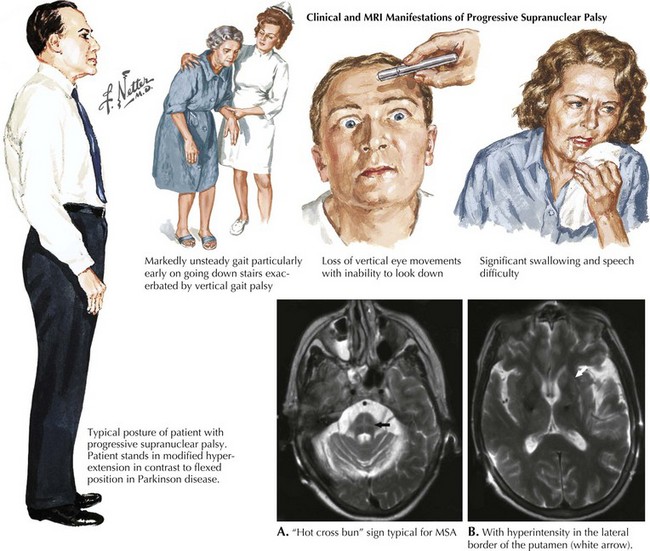
One of the hallmark early indicators of PSP is a change in eye movement, specifically the slowing of vertical saccades (the quick, simultaneous movement of both eyes). In the early stages, patients may find it difficult to look down or track objects vertically. Traditional clinical examinations may miss the micro-delays in these movements, but advanced eye-tracking software is changing the game.
High-frequency cameras and infrared sensors, integrated into specialized diagnostic headsets, can now measure the velocity and accuracy of eye movements with millisecond precision. AI tools analyze these data points, comparing them against vast databases of healthy and symptomatic oculomotor patterns. This software can identify the subtle “square wave jerks” and the reduction in vertical gaze velocity that serve as the technological fingerprints of early-onset PSP. By digitizing this diagnostic process, tech platforms ensure that the “first sign” of PSP—vertical ophthalmoparesis—is captured early enough to inform a more effective care strategy.
Machine Learning and the Analysis of Postural Instability
Another primary sign of PSP is a sudden loss of balance, often manifesting as unexplained backward falls. Unlike other movement disorders where tremors are the primary concern, PSP presents with axial rigidity and a precarious center of gravity. Machine learning models are now being trained on skeletal tracking data captured via 3D depth-sensing cameras.
These systems analyze “sway” and postural shifts during simple tasks like standing or walking. By processing thousands of frames per second, the software identifies “microrigidity” in the neck and trunk—a classic early sign of PSP. These AI tools provide a quantitative score for postural instability, removing the subjectivity of a physical therapist’s visual assessment. This data-driven approach allows for a level of diagnostic granularity that was previously impossible, transforming a vague symptom like “clumsiness” into a precise data point for clinical review.
Wearable Technology and the Capture of Subtle Physical Shifts
As we move toward a future of proactive health management, wearable gadgets are becoming essential in the monitoring of neurodegenerative progression. For a condition like PSP, where the first signs are intermittent, continuous monitoring provides a much more accurate picture than a single office visit.
Smart Shoes and Gait Analysis Apps
The “PSP gait” is distinct; it is often characterized by a stiff, broad-based walk with a tendency to lean backward. To capture these nuances, the tech industry has developed smart insoles and sensor-equipped footwear. These devices utilize pressure sensors and gyroscopes to map the foot-strike pattern and weight distribution of the wearer.
The data is synced to cloud-based apps that track changes over weeks or months. For instance, a decrease in “swing phase” duration or an increase in heel-strike variability can be flagged by the app’s internal logic as a potential early indicator of neurological decline. These “smart shoes” act as a 24/7 diagnostic tool, alerting both the user and their medical team to the subtle changes in locomotion that precede more severe mobility issues. This integration of hardware and software ensures that the first signs of PSP are caught in the “real world” rather than just the lab.
Accelerometers and the Quantification of Tremors and Rigidity

While tremors are less common in PSP than in Parkinson’s, they can still occur. More importantly, the absence of certain tremors combined with the presence of muscle stiffness is a significant diagnostic marker. Advanced smartwatches and wrist-worn accelerometers are now sensitive enough to distinguish between different types of movement patterns.
These gadgets use digital signal processing to filter out intentional movements from involuntary ones. In the context of PSP, the tech can monitor for “bradykinesia”—the extreme slowness of movement. By quantifying the time it takes for a user to perform repetitive tasks, such as tapping a screen or brushing teeth, the software can detect the gradual deceleration of motor functions. This longitudinal data is invaluable for identifying the “slow-motion” symptoms that define the early stages of PSP.
Advanced Imaging and Cloud-Based Diagnostic Tools
While physical symptoms are the outward signs, the internal changes in the brain provide the definitive evidence. The technology used to visualize and interpret these changes has seen a massive leap in capability through cloud computing and neural networks.
AI-Enhanced MRI Analysis for Midbrain Atrophy
The “Hummingbird Sign” is a well-known radiological indicator of PSP, referring to the atrophy of the midbrain while the pons remains relatively intact. Traditionally, identifying this sign required an expert radiologist to manually inspect MRI slices. Today, AI-powered image analysis tools are automating this process.
Deep learning algorithms, trained on thousands of neuroimaging datasets, can perform volumetric analysis of the midbrain with incredible accuracy. These tools can detect volume loss in the midbrain tegmentum long before the “Hummingbird” shape becomes obvious to a human reviewer. By using tech to quantify brain atrophy down to the cubic millimeter, clinicians can move from a “wait and see” approach to an “act now” strategy. Furthermore, cloud-based imaging platforms allow for these scans to be shared instantly with specialists globally, ensuring that even patients in remote areas have access to high-tech diagnostic expertise.
Telehealth Platforms and Remote Monitoring
The first signs of PSP often include changes in speech—specifically a growling, strained, or slurred quality known as dysarthria—and changes in personality or executive function. Telehealth platforms are now incorporating voice analysis software that can detect “acoustic biomarkers” of PSP.
During a routine virtual check-up, the software analyzes the cadence, pitch, and frequency of the patient’s voice. Machine learning models can identify the specific vocal strain associated with PSP, which differs from the quiet, rhythmic speech of Parkinson’s. Additionally, digital cognitive tests delivered via tablet apps can measure “processing speed” and “set-shifting” abilities. A decline in these cognitive metrics, captured via app interactions, serves as an early digital warning sign of the frontal lobe involvement characteristic of PSP.
The Future of Digital Therapeutics in Rare Neurodegenerative Disorders
Beyond diagnosis, technology is carving out a new niche in the management of PSP through digital therapeutics and collaborative data ecosystems. Once the first signs are identified, the focus shifts to utilizing software to maintain quality of life and slow functional decline.
Software as a Medical Device (SaMD)
The rise of “Software as a Medical Device” (SaMD) is providing new avenues for treating the symptoms of PSP. Specialized VR (Virtual Reality) platforms are being developed to assist with balance training and visual tracking exercises. By immersing the patient in a controlled digital environment, these tools can provide biofeedback that helps the brain compensate for the loss of natural motor control. This tech-driven rehabilitation is tailored to the specific deficits identified during the diagnostic phase, such as vertical gaze palsy, allowing for a personalized therapeutic approach that evolves with the patient.

Big Data and Global Collaborative Research
The rarity of PSP has historically made it difficult to study, but “Big Data” is dissolving those barriers. Global registries and decentralized clinical trials are using encrypted cloud platforms to aggregate data from thousands of patients worldwide. By analyzing the “first signs” reported by patients across different demographics, AI can identify sub-types of PSP and predict progression rates.
This massive data pool allows tech companies to develop more accurate predictive models, which in turn helps pharmaceutical companies identify candidates for clinical trials much earlier in the disease cycle. The integration of digital health records with real-time sensor data creates a comprehensive “digital twin” of the disease, providing a roadmap for future breakthroughs in treatment. In this way, the technology used to identify the first signs of PSP today is the same technology that will lead to the cures of tomorrow.
aViewFromTheCave is a participant in the Amazon Services LLC Associates Program, an affiliate advertising program designed to provide a means for sites to earn advertising fees by advertising and linking to Amazon.com. Amazon, the Amazon logo, AmazonSupply, and the AmazonSupply logo are trademarks of Amazon.com, Inc. or its affiliates. As an Amazon Associate we earn affiliate commissions from qualifying purchases.