
In the labyrinthine world of personal finance, securing optimal insurance rates stands as a critical pillar of sound financial management. Whether it’s auto, home, health, or life insurance, these policies represent a fundamental safeguard against unforeseen financial calamities, protecting assets, income, and peace of mind. Yet, the question “who has the best insurance rates?” is deceptively simple, often leading individuals down a rabbit hole of comparisons and conflicting advice. The truth is, there’s no single insurer universally crowned with the “best” rates. The optimal premium is a highly individualized construct, shaped by a myriad of factors unique to each policyholder and their specific needs.
Navigating this complexity requires a strategic, informed approach, moving beyond a superficial quest for the lowest sticker price to a deeper understanding of value, coverage, and long-term financial implications. This comprehensive guide will dissect the dynamics of insurance pricing, equip you with proven strategies to uncover competitive rates, and help you evaluate providers through a financial lens, ensuring your insurance decisions are not just cost-effective but genuinely protect your financial future.
Understanding the Landscape of Insurance Rates
The insurance market is a dynamic ecosystem where rates are continuously adjusted based on data, risk assessment, market competition, and economic conditions. To truly find the “best” rates, one must first grasp the underlying mechanics that drive these fluctuations.
The Elusive “Best” Rate
The concept of a universally “best” rate is a myth. What constitutes the best rate for one individual – considering their specific vehicle, driving history, location, and desired coverage – may be entirely different for another. “Best” in this context translates to the optimal balance between affordability, comprehensive coverage, and reliable customer service that meets your unique financial circumstances and risk tolerance. Focusing solely on the cheapest premium can be a costly mistake, potentially leaving significant gaps in your financial protection.
Why Rates Vary So Wildly
Insurance companies employ sophisticated algorithms and actuarial science to calculate premiums. These calculations are not arbitrary; they are meticulously crafted based on extensive data analysis to predict the likelihood and potential cost of a claim. Variations arise because different insurers weigh risk factors differently, have varying operational costs, and target different segments of the market. Some might specialize in high-risk drivers, others in bundling multiple policies, each offering a distinct value proposition reflected in their pricing.
The Role of Risk Assessment in Pricing
At its core, insurance is about risk transfer. You pay a premium to an insurer, who then assumes the financial risk of specific events occurring. Consequently, your premium is largely a reflection of the perceived risk you present. Factors such as your claims history, credit score (in some states), age, location, and even your profession can influence this assessment. Insurers are essentially calculating the probability of paying out a claim on your behalf, and the higher that probability or potential payout, the higher your premium will likely be. Understanding this fundamental principle is key to understanding your rates.
Key Factors Influencing Your Insurance Premiums
To effectively manage your insurance costs, it’s crucial to identify and understand the specific variables that insurers scrutinize when determining your premium. These factors fall into several broad categories, each playing a significant role in the final price you pay.
Personal Demographics and History
Your personal profile is a primary determinant of your insurance rates. For auto insurance, your driving record (accidents, violations), age, marital status, and even your credit-based insurance score (where permitted) are heavily weighted. A clean driving record and a strong credit score can significantly reduce premiums, as they often correlate with responsible behavior and lower claim frequency. For home insurance, your claims history and credit score are also impactful. Life and health insurance rates are profoundly influenced by age, health status, and medical history.
The Specifics of What You’re Insuring
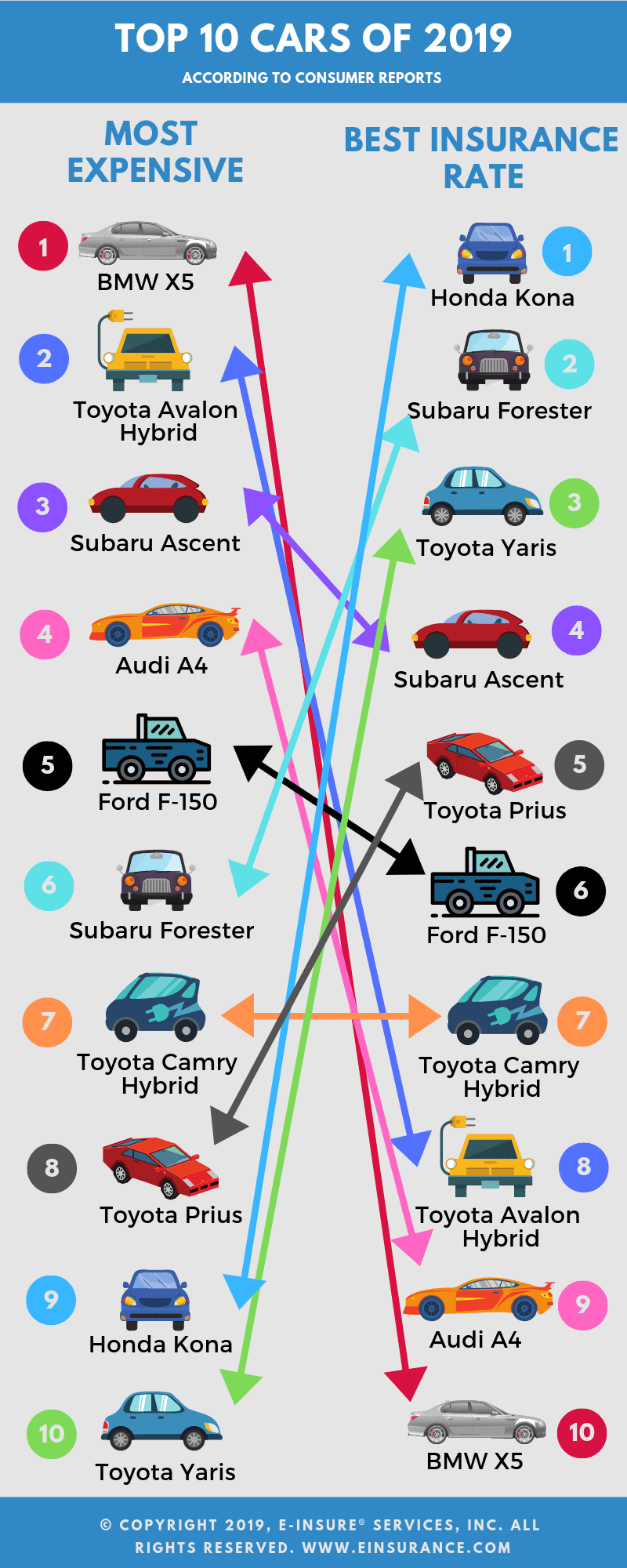
The nature of the asset or liability you’re insuring is another critical factor. For auto insurance, the make, model, year, safety features, and theft rating of your vehicle directly impact rates. A high-performance, expensive car will almost always cost more to insure than an older, more modest vehicle. Similarly, for home insurance, the age, construction type, location, and replacement cost of your home are paramount. High-value properties in areas prone to natural disasters will command higher premiums. The same logic applies to health and life insurance, where the complexity of coverage and potential payouts define costs.
Coverage Levels and Deductibles
The amount of coverage you choose and your deductible directly influence your premium. Opting for higher liability limits or comprehensive coverage for property will naturally increase your costs. Conversely, selecting a higher deductible – the amount you pay out-of-pocket before your insurance kicks in – will generally lower your premium. This is a strategic financial decision: a higher deductible means you accept more immediate risk in exchange for lower monthly expenses, which can be advantageous if you have a robust emergency fund.
Geographical Considerations
Where you live, work, and even park your vehicle can significantly affect your insurance rates. Urban areas with higher traffic density, crime rates, or exposure to environmental risks (e.g., hurricanes, wildfires) typically have higher auto and home insurance premiums than rural or suburban areas. Each ZIP code is analyzed for its specific risk profile, influencing everything from the likelihood of theft to the cost of local repairs and medical services. Even state-specific regulations and requirements can alter the baseline cost of coverage.
Proven Strategies for Finding Competitive Insurance Rates
Finding the most competitive insurance rates requires more than simply accepting the first quote you receive. It involves proactive research, strategic decision-making, and leveraging available resources to your advantage.
The Power of Comparison Shopping
This is perhaps the most fundamental and effective strategy. Never settle for the first quote. Obtain multiple quotes from various insurers – national carriers, regional providers, and even online-only options. Use comparison websites as a starting point, but always verify quotes directly with the insurers, as these sites may not capture all available discounts. This process allows you to see the full spectrum of pricing for identical coverage, revealing which companies are most competitive for your specific profile.

Leveraging Independent Agents vs. Direct Carriers
When comparison shopping, consider both direct carriers and independent insurance agents. Direct carriers (like GEICO or Progressive) sell policies directly to consumers, potentially cutting out intermediary costs. Independent agents, on the other hand, work with multiple insurance companies and can often shop around on your behalf, presenting you with several options tailored to your needs. They can provide personalized advice and often uncover specialized policies or discounts you might miss on your own. For complex financial situations, an independent agent can be an invaluable asset.
Bundling Policies for Discounts
Many insurers offer significant discounts when you purchase multiple policies from them. Bundling your auto and home insurance, or even adding life insurance, can lead to substantial savings on your total premiums. This strategy not only streamlines your insurance management but also consolidates your financial relationship with a single provider, potentially enhancing customer service and future negotiations. Always inquire about multi-policy discounts when getting quotes.
Maximizing Available Discounts
Insurance companies offer a wide array of discounts, and it’s your financial responsibility to ask for them. Common discounts include:
- Good Driver/Safe Driver: For those with clean driving records.
- Multi-Vehicle: For insuring more than one car.
- Good Student: For young drivers maintaining high academic performance.
- Home Security/Safety: For homes with alarm systems, smoke detectors, or deadbolts.
- Loyalty: For long-term customers.
- Affinity Groups: Discounts for members of certain professional organizations, alumni associations, or employers.
- Paid-in-Full: For paying your premium annually instead of monthly.
- Paperless Billing/Autopay: For convenience and reduced administrative costs for the insurer.
Always ask your agent or insurer for a comprehensive list of all available discounts for which you might qualify.
Reviewing Your Policy Annually
Your life circumstances change, and so should your insurance coverage. Reviewing your policies annually, especially before renewal, is a smart financial habit. Have you moved? Bought a new car? Added a safety feature to your home? Had a claim drop off your record? Your needs and risk profile evolve, and these changes could qualify you for lower rates or necessitate adjustments to your coverage. Don’t let your insurance get out of sync with your current reality; proactively seeking adjustments can lead to ongoing savings.
Major Players and Their Approaches to Pricing
The insurance market is dominated by several large national carriers, but also includes a robust network of regional insurers, local agents, and burgeoning online-only providers. Each category has a distinct business model that influences their pricing strategies and, consequently, who might offer you the “best” rate.
Large National Carriers
Companies like State Farm, GEICO, Progressive, Allstate, Farmers, and Liberty Mutual are household names. They have vast financial resources, extensive marketing budgets, and leverage economies of scale to offer competitive rates across a broad spectrum of products. Their pricing models are highly data-driven, often optimized for specific customer segments they aim to attract. While they often have excellent digital tools and widespread claims networks, their sheer size can sometimes lead to a less personalized customer experience. However, their vast discount programs and ability to bundle various types of insurance can make them highly competitive for many consumers.
Regional and Local Insurers
Beyond the national giants, a multitude of regional and local insurers cater to specific geographic areas. These companies often have a deeper understanding of local risks (e.g., specific weather patterns, local crime rates) and can sometimes offer more tailored policies and competitive rates for residents within their service areas. They may also boast more personalized customer service, as their agents are often community members. For those living in areas with unique insurance needs, exploring these local options can uncover significant savings and a more responsive experience.
Online-Only Insurers and Aggregators
The rise of the internet has given birth to online-only insurers (e.g., Lemonade, Root) and insurance aggregators (e.g., Compare.com, The Zebra). Online-only insurers often leverage technology to streamline operations, reduce overheads, and pass those savings onto consumers through lower premiums. They appeal to tech-savvy individuals comfortable managing their policies digitally. Aggregators, while not insurers themselves, act as powerful comparison tools, allowing you to quickly get multiple quotes from different providers in one place, significantly simplifying the comparison shopping process. They are excellent starting points for identifying which insurers are competitive for your profile.
The Impact of Customer Service on Value
While finding the lowest premium is a primary goal, it’s crucial to remember that insurance is ultimately about service, especially during a claim. A seemingly “cheap” policy can become incredibly expensive if the claims process is arduous, slow, or denies legitimate payouts. When evaluating insurers, consider their financial stability ratings (from agencies like A.M. Best), customer satisfaction scores (from J.D. Power), and online reviews. A slightly higher premium for an insurer known for excellent customer service and a reliable claims process can represent greater long-term financial value and peace of mind.
Beyond the Premium: Value and Long-Term Savings
Focusing solely on the premium amount can be a shortsighted approach to financial planning. True savings in insurance extend beyond the immediate cost to encompass the value of comprehensive protection and a seamless claims experience.
Understanding Policy Inclusions and Exclusions
Before committing to a policy, meticulously review its inclusions and exclusions. A lower premium might indicate a policy with significant gaps in coverage, leaving you vulnerable to specific risks. For example, a home insurance policy might be cheaper because it excludes flood or earthquake damage, which could be catastrophic in certain regions. Ensure your policy adequately covers your assets and liabilities, aligning with your personal risk tolerance and financial capacity to absorb potential losses. The “best” rate is meaningless if the coverage is insufficient when you need it most.
The Importance of a Strong Claims Process
The true test of an insurance company’s value comes during a claim. A robust, efficient, and fair claims process is paramount. An insurer that quickly and fairly handles claims minimizes your financial disruption and stress, ensuring you receive the benefits you’re entitled to without undue delay or bureaucratic hurdles. Researching an insurer’s claims reputation and financial stability is as important as comparing premiums. A company with a poor claims record, even if offering cheap rates, can prove to be a financial liability.
The True Cost of “Cheap” Insurance
The adage “you get what you pay for” often holds true in the insurance world. A policy that seems unusually cheap compared to others might have hidden downsides. These could include very high deductibles, limited coverage, a poor claims reputation, or difficult-to-reach customer service. While saving money on premiums is important, it should not come at the expense of adequate protection. Conduct a cost-benefit analysis: weigh the premium savings against the potential financial exposure in the event of a claim.

Financial Health and Your Insurance Score
In many states, insurers use a credit-based insurance score as a factor in determining premiums for auto and home insurance. This score, derived from your credit report, is believed to correlate with the likelihood of filing a claim. Maintaining good financial health, including a strong credit score, can therefore directly contribute to lower insurance rates. Paying bills on time, managing debt responsibly, and regularly checking your credit report for errors are all prudent financial practices that can yield dividends in insurance savings.
Ultimately, finding who has the “best” insurance rates is a journey of personal financial discovery, not a destination with a universal answer. It requires diligence, a willingness to compare, and a clear understanding of your own needs and risk profile. By employing these strategies and maintaining a financially savvy approach, you can secure robust insurance coverage that offers both peace of mind and optimal financial value, effectively protecting your assets and safeguarding your future.
aViewFromTheCave is a participant in the Amazon Services LLC Associates Program, an affiliate advertising program designed to provide a means for sites to earn advertising fees by advertising and linking to Amazon.com. Amazon, the Amazon logo, AmazonSupply, and the AmazonSupply logo are trademarks of Amazon.com, Inc. or its affiliates. As an Amazon Associate we earn affiliate commissions from qualifying purchases.