
The allure of owning a Tesla extends beyond its impressive performance and cutting-edge technology; it also encompasses the convenience of at-home charging. However, the question of “how much to install a Tesla charger” is a significant consideration for prospective and current EV owners alike. This article delves into the various cost factors, from the charger itself to the installation complexities, and explores how these elements align with broader trends in technology, branding, and personal finance.
Understanding the Cost Components: Beyond the Sticker Price
When you ask “how much to install a Tesla charger,” it’s crucial to recognize that the price isn’t a single, fixed number. It’s a mosaic of several contributing factors. These can be broadly categorized into the charger hardware, the installation labor, and any potential electrical upgrades required. Understanding each piece of this puzzle is key to accurately budgeting for your home charging solution.
The Wall Connector: Tesla’s Premium Charging Hardware
At the heart of your home charging setup is the Tesla Wall Connector. While Tesla’s proprietary charging technology is a significant part of its brand identity, it also influences the initial hardware cost.
Tesla Wall Connector: Features and Pricing
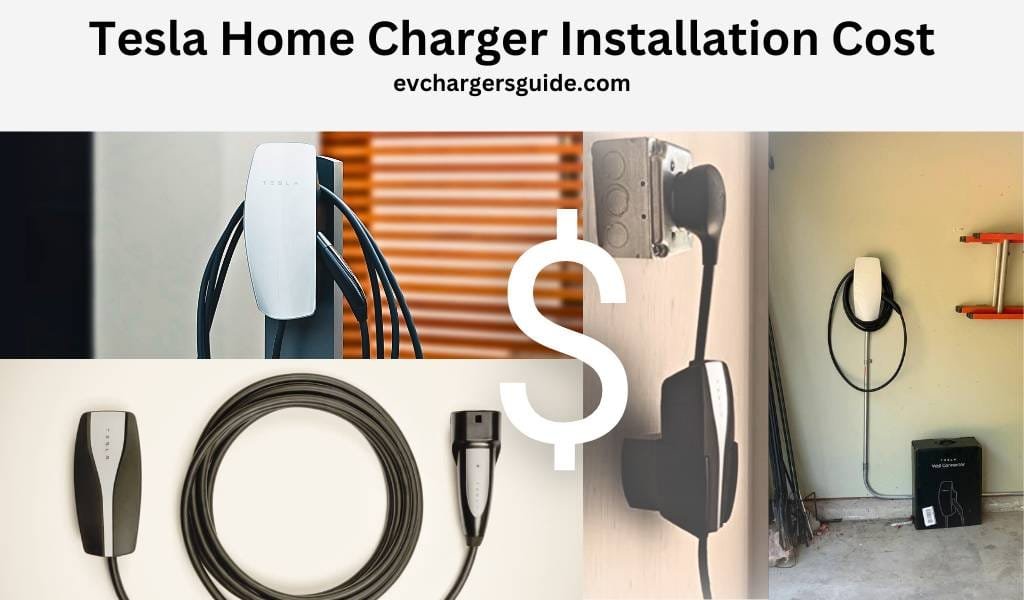
Tesla offers its Wall Connector, a Level 2 charger designed for efficient and convenient charging. The current iteration of the Wall Connector is generally priced around $400 to $500. This price point positions it as a premium product within the EV charging market, reflecting its integration with the Tesla ecosystem and its robust build quality.
- Key Features: The Wall Connector boasts smart features like Wi-Fi connectivity for over-the-air software updates, charge scheduling, and access to usage data via the Tesla app. It also offers a sleek, minimalist design that aligns with Tesla’s aesthetic.
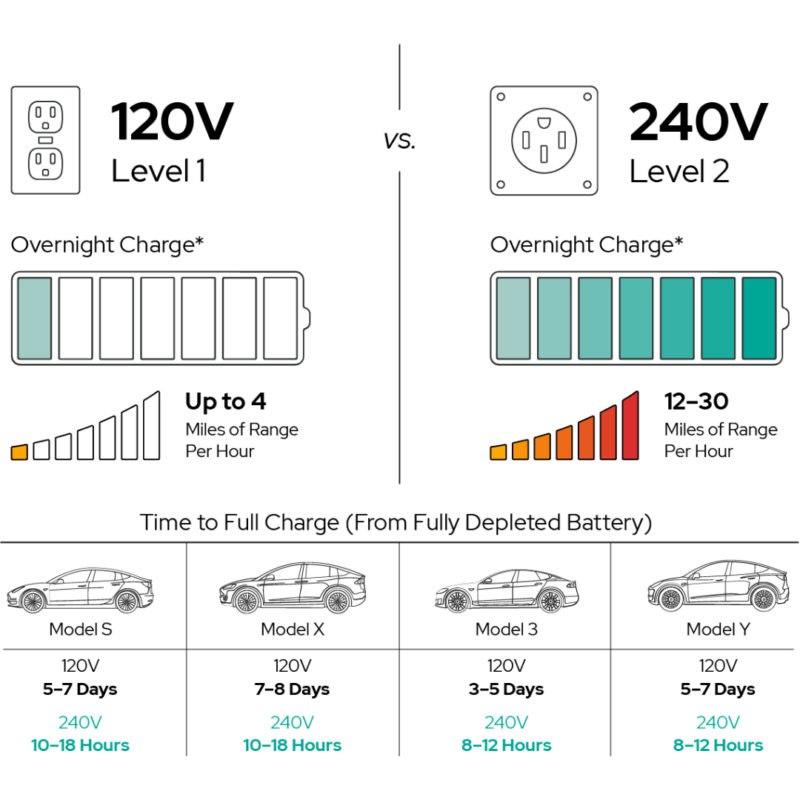
- Power Output: It typically delivers up to 11.5 kW (48 amps), which can add approximately 44 miles of range per hour of charging, depending on the Tesla model and its onboard charger. This speed is crucial for ensuring your vehicle is ready for your daily commute or longer journeys.
- Durability and Design: Designed for both indoor and outdoor use, the Wall Connector is built to withstand various weather conditions. Its design is often integrated seamlessly into a home’s aesthetic, a point that resonates with the brand’s emphasis on design.
Alternatives and Considerations
While the Tesla Wall Connector is the most integrated option, some homeowners might consider third-party Level 2 chargers that are compatible with Tesla vehicles (often requiring an adapter for the Tesla’s charging port). The pricing of these alternatives can vary widely, from under $300 to over $700, depending on brand, features, and power output. However, for the optimal Tesla experience, the Wall Connector is generally recommended due to its seamless integration with the car’s software and charging management features. This decision often reflects a homeowner’s consideration of brand loyalty and the desire for a unified technological ecosystem.
Installation Labor: The Most Variable Cost
The actual installation of a Tesla Wall Connector is where the cost can fluctuate the most significantly. This is primarily driven by the complexity of the electrical work required in your specific home and the hourly rates of qualified electricians in your region.
Factors Influencing Labor Costs
- Distance from Electrical Panel: The further the charging station needs to be installed from your home’s main electrical panel, the more wiring will be required, increasing labor time and material costs. Running conduit through walls, attics, or underground adds to the complexity and expense.
- Type of Wiring: For a 48-amp charger, a dedicated 240-volt circuit with appropriate gauge wiring (typically 6 AWG copper) is necessary. The cost of copper wire itself can fluctuate, but the labor to pull it through conduit and connect it is a substantial portion of the expense.
- Mounting Location: Installing the Wall Connector on a finished wall typically requires less labor than mounting it on a freestanding pedestal or in a more complex garage environment.
- Electrician’s Hourly Rate: Electrician rates vary by location, experience, and the specific company. In areas with a high cost of living, you can expect to pay more for skilled labor.
- Permits and Inspections: Many municipalities require permits for electrical work, especially for dedicated circuits. These permits have associated fees, and the cost of the inspection process is also factored in. This regulatory aspect ensures the safety and code compliance of the installation, a critical consideration for any home improvement project.
Typical Installation Cost Range
Considering these variables, the professional installation cost for a Tesla Wall Connector can range anywhere from $500 to $2,000 or more. A straightforward installation, where the electrical panel is nearby and the wiring run is short, might fall on the lower end of this spectrum. Conversely, a more complex installation involving long wire runs, trenching, or significant drywall work could push the cost towards the higher end.
Potential Electrical Upgrades: Ensuring Your Home is Ready
In some cases, your existing home’s electrical system may not be sufficient to support a new 48-amp Level 2 charger. This can introduce additional, sometimes substantial, costs.
Service Panel Capacity
- Main Breaker Size: Most homes have a main electrical panel with a capacity of 100 amps, 150 amps, or 200 amps. A 48-amp charger draws a significant amount of power (requiring a 60-amp dedicated breaker, as chargers are typically run at 80% of the circuit breaker’s rating for continuous loads). If your panel is already heavily loaded with other appliances and circuits, you might not have enough available capacity.
- Panel Upgrades: If your panel’s capacity is insufficient, an electrician may recommend upgrading your main electrical service to a higher amperage (e.g., from 100 amps to 200 amps). This is a significant undertaking that involves replacing the meter base, service entrance conductors, and the main panel itself. The cost for such an upgrade can range from $2,000 to $5,000 or more, depending on the complexity and local labor rates.
Additional Circuits and Subpanels
- Adding a Subpanel: In some situations, if the main panel is at capacity but still has physical space for new breakers, an electrician might install a subpanel to accommodate the new charger circuit and potentially future additions. This is generally less expensive than a full service upgrade but still adds considerable cost.
- Dedicated Circuits: Regardless of panel capacity, a Level 2 charger requires a dedicated 240-volt circuit. This means a new breaker will need to be installed in your panel, and the wiring run from the panel to the charger location.
The Role of Technology in Cost Optimization and Efficiency
From a technology perspective, the Tesla Wall Connector itself is a smart device designed to integrate with the broader digital infrastructure of your home and your Tesla vehicle. This technological sophistication, while adding to the upfront cost of the hardware, offers long-term benefits in terms of efficiency and convenience.
Smart Charging and Grid Integration
The Wi-Fi connectivity of the Wall Connector allows for “smart charging.” This means you can schedule charging during off-peak hours when electricity rates are lower, directly impacting your “money” aspect. By leveraging your Tesla app, you can monitor charging status, adjust charging speeds (if applicable), and receive notifications. This intelligent management of energy consumption aligns with broader technological trends focused on optimizing resource utilization and reducing operational costs.
Software Updates and Future-Proofing
Over-the-air software updates ensure that your Wall Connector remains current with the latest features and security patches. This is a hallmark of modern tech products, offering a degree of future-proofing that traditional appliances lack. While it doesn’t directly reduce installation costs, it contributes to the overall value proposition and longevity of your investment.
Branding and Perceived Value: Why Tesla’s Charger Commands a Premium
The Tesla brand is synonymous with innovation, luxury, and a commitment to sustainable transportation. This strong brand identity plays a role in the pricing and perceived value of its charging solutions.
Brand Consistency and Ecosystem Integration
For Tesla owners, the Wall Connector is more than just a charger; it’s an extension of the brand experience. The seamless integration with the Tesla app, the vehicle’s infotainment system, and Tesla’s Supercharger network creates a unified and premium user experience. This brand consistency is a significant factor for many consumers, who are willing to pay a premium for products that align with their chosen lifestyle and values.
Design and Aesthetic Appeal
Tesla products are known for their minimalist and sophisticated design. The Wall Connector is no exception. Its sleek appearance is designed to complement modern home aesthetics, making it an attractive addition to a garage or driveway. This focus on design is a key element of Tesla’s brand strategy, differentiating it from more utilitarian EV charging solutions.
Financial Considerations: Maximizing Your Investment
When considering “how much to install a Tesla charger,” it’s essential to approach it from a personal finance perspective, looking at both the upfront investment and potential long-term savings.
Rebates, Tax Credits, and Incentives
The cost of installing a Tesla charger can be significantly offset by various government incentives.
- Federal Tax Credits: The U.S. federal government offers tax credits for qualified alternative fuel vehicle refueling property, which can include the cost of the charger and its installation. These credits can reduce your out-of-pocket expenses considerably.
- State and Local Incentives: Many states, counties, and utility companies offer additional rebates or incentives for installing EV charging equipment. These can vary widely, so it’s crucial to research what’s available in your specific area.
- Utility Company Programs: Some utility companies offer special electricity rates for EV charging or provide rebates for installing smart charging equipment.
Long-Term Savings and ROI
While the upfront cost of installing a Tesla charger can seem substantial, it’s important to consider the long-term financial benefits.
- Reduced Fuel Costs: Charging an electric vehicle at home is generally cheaper than refueling a gasoline-powered car, especially when utilizing off-peak electricity rates.
- Convenience and Time Savings: Eliminating trips to public charging stations saves time and adds a layer of convenience that many EV owners value highly.
- Increased Home Value: As EV adoption grows, a professionally installed home charging station can be an attractive feature for potential buyers, potentially increasing your home’s resale value.
DIY vs. Professional Installation: A Financial Trade-off
While some technically inclined individuals might consider a DIY installation to save on labor costs, it’s generally not recommended for Level 2 chargers, especially for Tesla Wall Connectors. The complexities of high-voltage electrical work, the need for specialized tools, and the potential for safety hazards and code violations make professional installation the prudent choice. The cost savings of DIY are often outweighed by the risks of improper installation, which could lead to electrical fires, damage to your vehicle or home, and voiding warranties. The expertise of a certified electrician ensures the installation is safe, code-compliant, and optimized for performance.
The Total Cost: A Realistic Budget
To summarize, the total cost to install a Tesla charger at home is a combination of the hardware and installation expenses, with potential for additional costs for electrical upgrades.
- Tesla Wall Connector Hardware: $400 – $500
- Professional Installation Labor: $500 – $2,000+
- Potential Electrical Upgrades (if needed): $500 – $5,000+
Therefore, a realistic budget for installing a Tesla Wall Connector at home typically falls within the range of $900 to $2,500 for a standard installation. However, if significant electrical upgrades like a service panel replacement are necessary, the total cost could easily exceed $5,000.

Making an Informed Decision
When you ask “how much to install a Tesla charger,” the answer is multifaceted. It involves understanding the technology, the brand’s premium positioning, and the financial implications. By thoroughly researching available incentives, obtaining multiple quotes from qualified electricians, and assessing your home’s electrical infrastructure, you can make an informed decision that balances cost, convenience, and the long-term benefits of home EV charging. The investment in a home Tesla charger is not just about powering your vehicle; it’s about embracing a more sustainable, technologically advanced, and financially savvy lifestyle.
aViewFromTheCave is a participant in the Amazon Services LLC Associates Program, an affiliate advertising program designed to provide a means for sites to earn advertising fees by advertising and linking to Amazon.com. Amazon, the Amazon logo, AmazonSupply, and the AmazonSupply logo are trademarks of Amazon.com, Inc. or its affiliates. As an Amazon Associate we earn affiliate commissions from qualifying purchases.