
In an ever-evolving global economy, the pursuit of financial independence and wealth creation has never been more dynamic. Gone are the days when a single, lifelong career path was the sole avenue to financial security. Today, individuals are empowered with an unprecedented array of tools, platforms, and knowledge to generate income, build assets, and craft diversified financial portfolios. This guide delves into the multifaceted world of money-making, offering insights into various strategies, from leveraging digital platforms to strategic investing, all aimed at helping you navigate the path to sustainable income and financial growth. Whether you’re looking to supplement your existing income, launch a new venture, or optimize your long-term financial strategy, understanding the modern landscape of income generation is your first crucial step.
Understanding the Landscape of Modern Income Generation
The concept of “making money” has undergone a profound transformation, moving beyond traditional employment to embrace a more flexible, entrepreneurial, and digitally-driven approach. This paradigm shift offers both challenges and immense opportunities for those willing to adapt and innovate.
The Shift Towards Diversified Income Streams
Relying on a single source of income is increasingly seen as a risky proposition in today’s volatile economic climate. The modern approach emphasizes building multiple income streams, a strategy often referred to as “diversification of income.” This can include a primary job, alongside a side hustle, investments, or passive income generators. The rationale is simple: if one income source falters, others can provide a crucial safety net, ensuring financial stability and accelerating wealth accumulation. This diversification not only mitigates risk but also opens up avenues for exploring passions and talents that might not be directly utilized in a conventional job. From consulting services and online content creation to rental properties and dividend stocks, the possibilities for creating a robust financial ecosystem are vast. The key is to identify opportunities that align with your skills, interests, and financial goals, then systematically build them into your overall financial plan.
Identifying Your Core Skills and Resources
Before embarking on any money-making venture, a critical self-assessment is paramount. What are your unique skills, talents, and knowledge areas? Do you have expertise in a particular software, a knack for writing, a talent for design, or a deep understanding of a specific industry? These are your core assets. Beyond skills, consider your available resources: time, existing capital (however small), network, and even physical assets you might own. For instance, an unused spare room can become a short-term rental, a car can be used for ride-sharing, or a passion for photography can be monetized through stock photos or event coverage. Understanding what you bring to the table is the foundation upon which all successful income-generating strategies are built. This introspection allows for a strategic alignment of effort and potential return, ensuring that your ventures are not only profitable but also sustainable and enjoyable.
Leveraging Digital Platforms for Online Income
The internet has democratized access to income-generating opportunities, allowing individuals from virtually anywhere to connect with clients, customers, and audiences globally. Digital platforms have become indispensable tools for those looking to make money online.
Freelancing and Gig Economy Opportunities
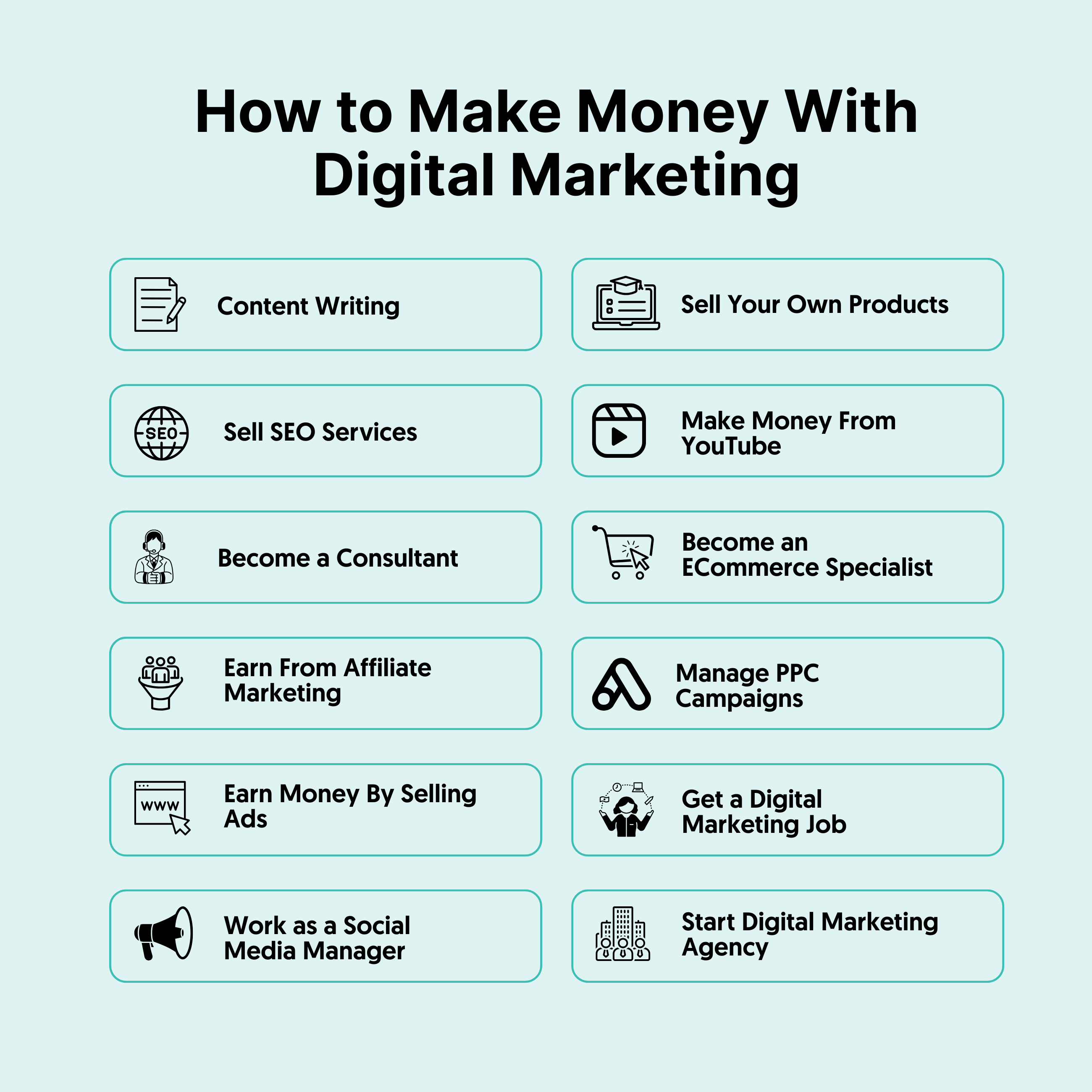
The rise of the gig economy has revolutionized how many people work, offering unparalleled flexibility and autonomy. Platforms like Upwork, Fiverr, and Freelancer connect skilled individuals with clients seeking services in writing, graphic design, web development, virtual assistance, digital marketing, and more. This model allows professionals to offer their services on a project-by-project basis, often setting their own rates and schedules. The beauty of freelancing lies in its scalability; you can start with a few small projects to build your portfolio and gradually take on more significant, higher-paying work. Success in the gig economy hinges on building a strong reputation, consistently delivering high-quality work, and effectively marketing your unique value proposition. Beyond traditional freelancing, the gig economy also encompasses services like ride-sharing (Uber, Lyft), food delivery (DoorDash, Uber Eats), and task completion (TaskRabbit), providing diverse avenues for earning.
Content Creation and Monetization
For those with a passion for sharing knowledge, entertaining, or storytelling, content creation offers a powerful path to income. This category includes blogging, vlogging (YouTube), podcasting, and social media influencing. Monetization strategies are varied and can include advertising revenue (e.g., Google AdSense for blogs, YouTube ads), sponsored content (partnerships with brands), affiliate marketing (earning commissions on products sold through your links), merchandise sales, and direct audience support (e.g., Patreon subscriptions). Building a successful content creation business requires consistency, high-quality output, an understanding of your target audience, and effective promotion. It’s a long-term game, but the potential for passive income and brand building is substantial. The key is to find your niche, create valuable content, and cultivate an engaged community around your platform.
E-commerce and Dropshipping Ventures
The digital marketplace has made it easier than ever to start your own retail business without the traditional overheads of a physical store. E-commerce platforms like Shopify, Etsy, and Amazon Seller Central provide the infrastructure to sell products directly to consumers worldwide. This can involve selling handmade crafts, unique products you design, or curated items. A particularly popular model within e-commerce is dropshipping. With dropshipping, you sell products directly to customers without ever holding any inventory yourself. When a customer places an order, you purchase the item from a third-party supplier (often overseas) who then ships it directly to the customer. This significantly reduces startup costs and inventory risks. While dropshipping requires careful selection of suppliers and effective marketing, it offers a low-barrier entry point into entrepreneurship and the opportunity to scale quickly by testing various product niches.
Strategic Investing and Wealth Building
While active income sources provide immediate cash flow, strategic investing is crucial for long-term wealth accumulation and achieving financial independence. It involves putting your money to work for you, generating returns over time.
Stocks, Bonds, and Mutual Funds for Long-Term Growth
Traditional investment vehicles remain cornerstones of wealth building. Investing in stocks means owning a piece of a company, with potential for capital appreciation and dividends. Bonds, on the other hand, are essentially loans to governments or corporations, offering fixed interest payments and lower risk. Mutual funds and Exchange-Traded Funds (ETFs) provide diversification by pooling money from multiple investors to buy a portfolio of stocks, bonds, or other assets, managed by professionals. For long-term growth, a diversified portfolio across these asset classes, tailored to your risk tolerance and financial goals, is often recommended. Starting early, investing consistently, and reinvesting returns are powerful strategies for leveraging the magic of compound interest. Brokerage accounts, often accessible through user-friendly apps, have made investing more democratic than ever.
Real Estate as an Income-Generating Asset
Real estate investing offers multiple avenues for making money, from rental income to property appreciation. Buying rental properties—whether residential or commercial—can provide a steady stream of passive income through rent, alongside the potential for the property’s value to increase over time. Other strategies include “flipping” houses (buying, renovating, and selling for a profit), or investing in Real Estate Investment Trusts (REITs), which are companies that own, operate, or finance income-generating real estate, offering a way to invest in real estate without directly owning physical property. While real estate typically requires a more significant initial capital outlay and involves ongoing management, its potential for substantial returns and inflation hedging makes it an attractive component of a diversified investment portfolio.
Exploring Alternative Investments
Beyond traditional stocks and real estate, a growing number of alternative investments are becoming accessible to individual investors. These can include peer-to-peer lending, crowdfunding for startups or real estate projects, precious metals (gold, silver), collectibles (art, rare coins), and even cryptocurrencies. While alternatives often come with higher risk and can be less liquid, they can offer unique diversification benefits and potentially higher returns for those willing to do their due diligence. For instance, peer-to-peer lending platforms connect borrowers with investors, allowing investors to earn interest on personal loans. Equity crowdfunding allows individuals to invest in private companies. It’s crucial to thoroughly research and understand the risks associated with any alternative investment before committing capital, and to ensure they align with your overall financial strategy.
Building and Scaling a Side Hustle or Small Business
For many, the most direct path to increasing income involves creating their own venture, whether it starts as a side hustle or is conceived as a full-fledged small business. This route offers unparalleled control and potential for income growth.
Identifying Profitable Niche Markets
The key to success in any business endeavor is to find a specific, underserved market niche. Instead of trying to serve everyone, focus on a particular group of customers with a specific problem or need that you can uniquely solve. For example, instead of offering general web design, specialize in web design for dentists, or e-commerce stores selling sustainable fashion. Niche markets often have less competition, allow for more targeted marketing, and enable you to become an expert in that specific area, commanding higher prices. Research market trends, identify pain points, and assess the demand for potential solutions. Tools like Google Trends, keyword research, and social media listening can provide valuable insights into what people are searching for and what problems they are experiencing.
Developing a Minimum Viable Product/Service
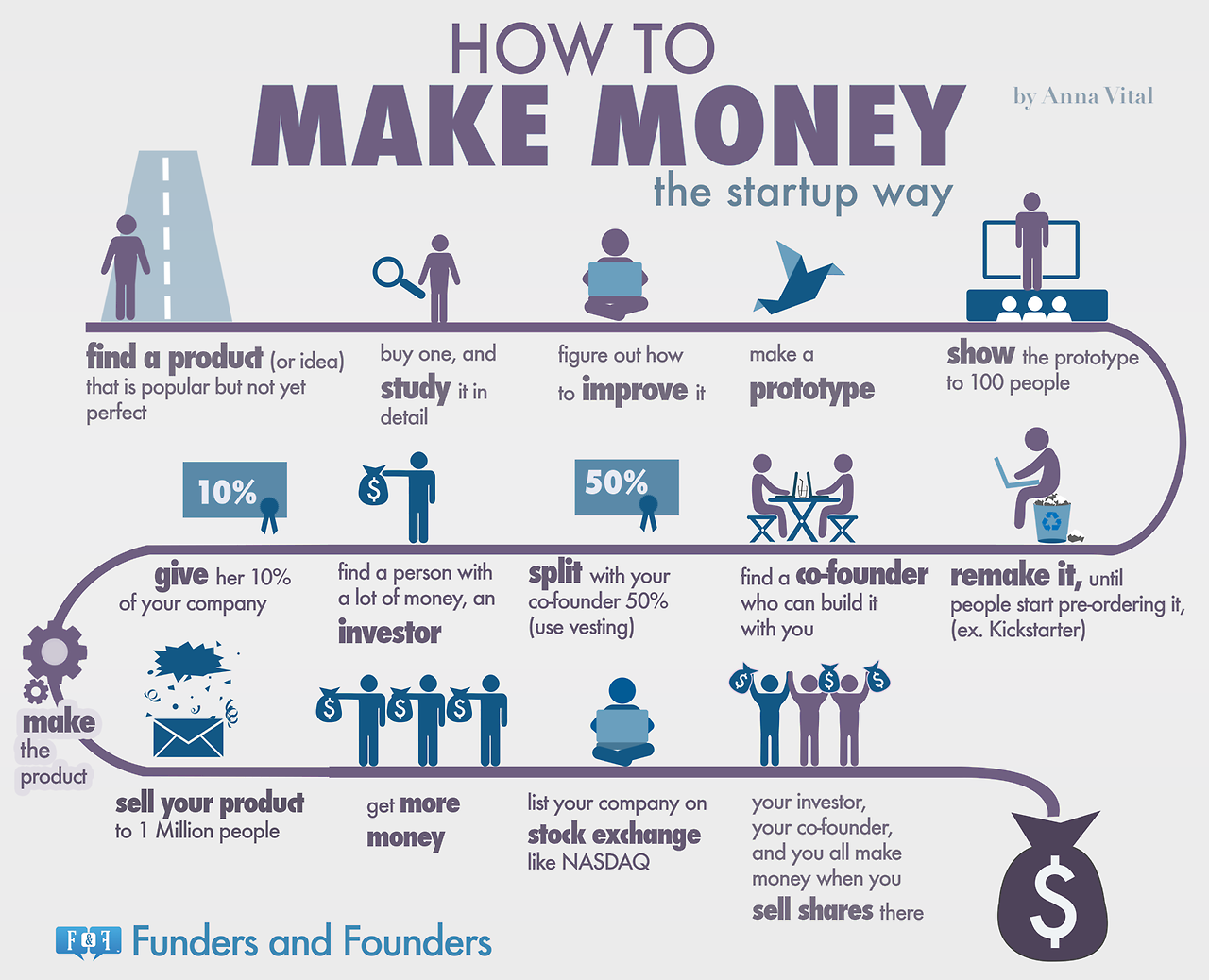
Once you’ve identified a niche, the next step is to develop a Minimum Viable Product (MVP) or service. An MVP is the simplest version of your offering that still delivers core value to your target customers. The goal is to launch quickly, gather feedback, and iterate based on real-world usage. This lean approach saves time and resources, allowing you to test your business idea’s viability without full-scale development. For a service-based business, this might mean offering a basic package or a trial. For a product, it could be a handmade prototype or a simple landing page to gauge interest. The focus should always be on solving a genuine problem for your target audience, even if the initial solution is rudimentary.
Marketing and Customer Acquisition Strategies
Even the best product or service won’t succeed without effective marketing and a steady stream of customers. A multi-pronged approach is often best. This includes digital marketing strategies such as search engine optimization (SEO) to rank higher in search results, social media marketing to build community and awareness, content marketing (blogs, videos) to establish authority, and paid advertising (Google Ads, Facebook Ads) for targeted reach. Offline strategies like networking, local partnerships, and word-of-mouth referrals also remain powerful. Understanding your target audience is crucial for selecting the most effective channels and crafting messages that resonate with them. Continuously analyze your marketing efforts, track conversions, and optimize your strategies based on performance data to ensure efficient customer acquisition.
Financial Tools and Mindset for Sustainable Wealth
Making money is one half of the equation; managing it effectively and fostering a robust financial mindset constitute the other, equally critical half. Sustainable wealth generation relies on smart financial habits and a growth-oriented perspective.
Budgeting and Financial Planning for Income Optimization
No matter how much money you earn, without proper budgeting and financial planning, it can quickly dissipate. Budgeting involves tracking your income and expenses to understand where your money is going and to allocate it strategically towards your financial goals. This can involve using simple spreadsheets or sophisticated budgeting apps. Financial planning goes a step further, setting long-term objectives like saving for retirement, a down payment on a house, or a child’s education, and creating a roadmap to achieve them. This includes establishing an emergency fund, managing debt, optimizing taxes, and planning for investments. Regularly reviewing and adjusting your budget and financial plan ensures you are making the most of your income and steadily moving towards your financial aspirations.
The Importance of Continuous Learning and Adaptation
The world of money-making is in constant flux. New technologies emerge, market trends shift, and economic conditions evolve. To remain competitive and continue generating income, continuous learning is not just an advantage—it’s a necessity. This means staying updated on industry news, acquiring new skills, understanding emerging platforms, and being open to new opportunities. Whether it’s taking online courses, reading industry publications, attending webinars, or networking with peers, investing in your knowledge base is one of the most profitable investments you can make. The ability to adapt quickly to changes, embrace new tools, and refine your strategies based on new information is a hallmark of successful income earners and wealth builders.
Cultivating a Growth Mindset Towards Money
Beyond practical skills and tools, your mindset towards money plays a pivotal role in your financial success. A “growth mindset” views challenges as opportunities for learning and improvement, rather than insurmountable obstacles. When it comes to money, this means believing in your ability to earn more, learn new skills, and overcome financial setbacks. It involves moving past limiting beliefs about money, embracing a proactive approach to financial management, and being resilient in the face of temporary failures. Cultivating gratitude for what you have, maintaining a positive outlook, and focusing on long-term goals can significantly influence your financial decisions and overall trajectory. A healthy relationship with money, characterized by discipline, optimism, and a commitment to lifelong financial education, is the ultimate foundation for sustainable wealth.

Conclusion
The journey of making money is diverse, challenging, and incredibly rewarding. From harnessing the power of digital platforms for online income and entrepreneurial ventures to strategically investing in traditional and alternative assets, the opportunities are abundant. However, true financial success is not merely about accumulating wealth; it’s about building a resilient financial life supported by diversified income streams, astute financial planning, continuous learning, and a robust growth mindset. By understanding your strengths, adapting to change, and consistently making informed decisions, you can unlock your full earning potential and pave the way for lasting financial independence and prosperity. The path is yours to define, and with the right strategies and mindset, your financial aspirations are well within reach.
aViewFromTheCave is a participant in the Amazon Services LLC Associates Program, an affiliate advertising program designed to provide a means for sites to earn advertising fees by advertising and linking to Amazon.com. Amazon, the Amazon logo, AmazonSupply, and the AmazonSupply logo are trademarks of Amazon.com, Inc. or its affiliates. As an Amazon Associate we earn affiliate commissions from qualifying purchases.