
The universe of Star Trek is vast, spanning decades of groundbreaking television series and feature films that have captivated generations. For enthusiasts and newcomers alike, navigating this extensive canon in the digital age presents a unique challenge: where exactly can one stream, rent, or purchase every episode and movie? This isn’t merely a question of content; it’s a deep dive into the technological ecosystems that deliver this beloved franchise to our screens. As digital entertainment evolves, understanding the platforms, their underlying technologies, and the intricate web of licensing agreements becomes crucial for any Starfleet cadet seeking to embark on their cinematic journey. This guide will explore the technological landscape of Star Trek consumption, focusing on the tools and platforms that enable seamless access to this iconic sci-fi saga.
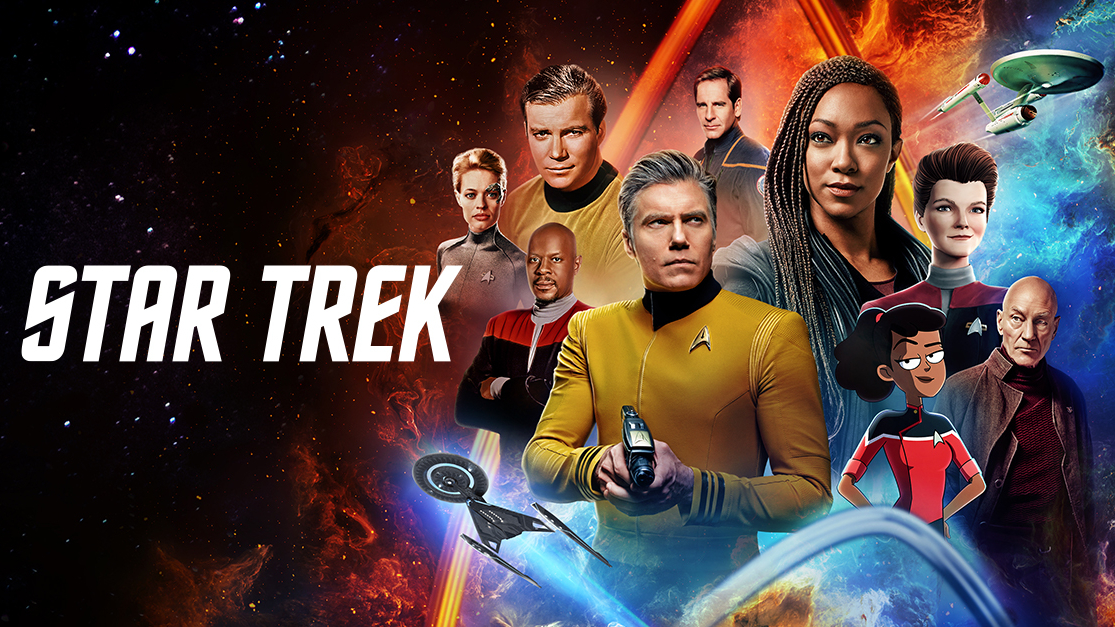
The Evolving Landscape of Digital Entertainment and Star Trek
The journey of Star Trek content, from its initial broadcast on traditional television to its current proliferation across digital streaming platforms, mirrors the broader evolution of media consumption. This transformation is deeply rooted in technological advancements, from the compression algorithms that enable high-quality video streaming to the sophisticated content delivery networks that minimize latency.
From Broadcast to Broadband: A Paradigm Shift
For decades, accessing Star Trek meant tuning into a specific channel at a predetermined time or purchasing physical media like VHS tapes, DVDs, and Blu-rays. The advent of broadband internet, coupled with rapid innovation in video encoding and streaming protocols, ushered in a new era. This shift transformed passive viewers into active curators of their entertainment, empowered by on-demand access. Streaming services, built on robust cloud infrastructure and sophisticated media servers, allow us to access vast libraries of content with unprecedented flexibility. The technology behind this transition includes adaptive bitrate streaming, which dynamically adjusts video quality based on network conditions, ensuring a smoother viewing experience across diverse internet speeds and devices.
The Fragmented Galaxy of Content Licensing
While digital streaming offers unparalleled convenience, the Star Trek universe, like many major franchises, is not confined to a single digital location. This fragmentation is primarily due to complex content licensing agreements and ownership structures. ViacomCBS (now Paramount Global) owns the Star Trek franchise, making its streaming service, Paramount+, the primary digital home for most current and classic content. However, historical deals and regional licensing variations mean that other platforms like Netflix, Amazon Prime Video, and even free ad-supported services might host specific movies or series, often for limited durations or in particular geographical regions. Understanding this technological and commercial labyrinth is key to locating desired content. It highlights the role of Digital Rights Management (DRM) technologies in enforcing these licensing restrictions, ensuring content is viewed only where and how permitted.
Optimizing Your Viewing Experience: The Tech Factor
Beyond merely finding where Star Trek resides, optimizing the viewing experience involves a series of technological considerations. This includes the capabilities of your display device (from mobile phones to 4K HDR televisions), the speed and stability of your internet connection, and the performance of the streaming application itself. High-resolution content (like 4K UHD) demands significant bandwidth and a powerful playback device to render crisp visuals and immersive audio. Features like closed captions, language selection, and user profiles are also technological enhancements designed to personalize and improve accessibility, driven by sophisticated metadata management and front-end user interface (UI) design principles.
Navigating the Primary Star Trek Streaming Hubs
The digital realm offers several primary avenues for watching Star Trek. Each platform leverages different technological infrastructures and offers varying user experiences, making the choice often dependent on one’s specific needs and existing subscriptions.
Paramount+: The Mothership of Starfleet Content
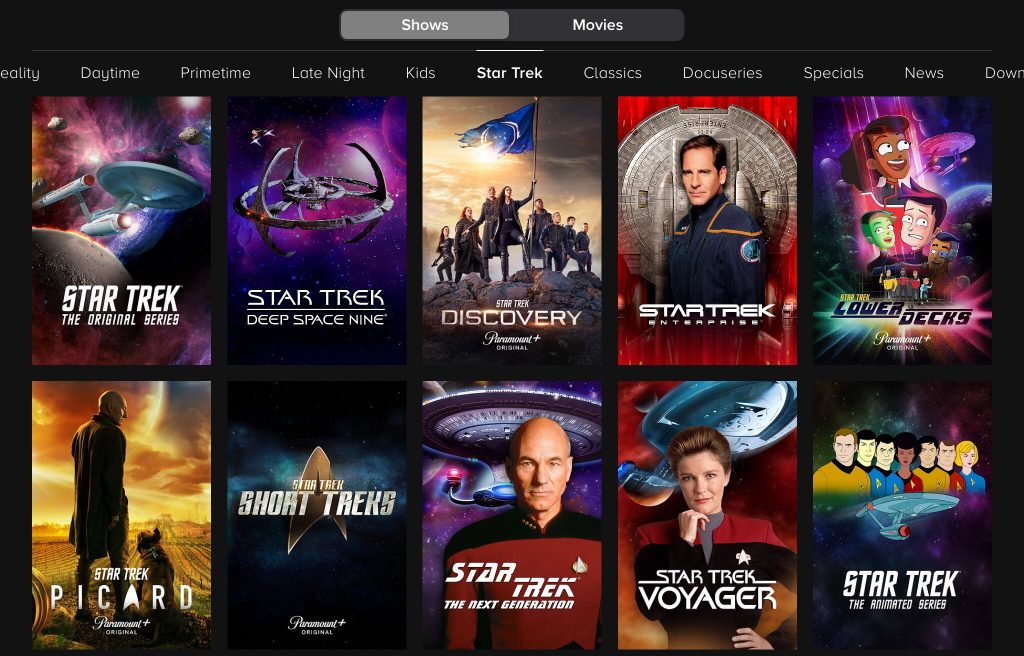
Paramount+ stands as the definitive technological hub for the Star Trek franchise. As the owner’s dedicated streaming service, it hosts an unparalleled collection, including all current Star Trek series (e.g., Discovery, Picard, Strange New Worlds, Lower Decks, Prodigy), most of the classic television series (The Original Series, The Next Generation, Deep Space Nine, Voyager, Enterprise), and the majority of the theatrical films.
From a technological standpoint, Paramount+ offers a robust streaming experience. Its application is available across a wide array of devices, including smart TVs (Samsung, LG, Sony, Vizio), streaming sticks (Roku, Amazon Fire TV, Apple TV, Google Chromecast), gaming consoles (Xbox, PlayStation), and mobile devices (iOS, Android). The platform supports high-definition streaming, with many newer titles available in 4K Ultra HD and HDR (High Dynamic Range), leveraging advanced video codecs like HEVC (H.265) for efficient delivery of superior image quality. Users can typically choose between ad-supported and ad-free premium tiers, with the latter often offering enhanced features like offline downloads for mobile viewing—a technology that encrypts content for local storage and timed playback without an internet connection. The user interface (UI) prioritizes content discoverability, employing sophisticated search algorithms and recommendation engines to guide users through the extensive Star Trek library.
Exploring Ancillary Streaming Platforms
While Paramount+ is central, other streaming services have historically played, or continue to play, supporting roles in distributing Star Trek content, often due to older licensing agreements or regional specificities. These platforms showcase the dynamic nature of digital content distribution.
- Netflix: Historically, Netflix was home to various Star Trek series and films globally. Its robust content delivery network and advanced personalization algorithms made it a popular destination. However, as Paramount Global consolidated its content, much of the Star Trek library has migrated away from Netflix in many regions. Where it remains, Netflix’s platform excels in its user-friendly interface, seamless cross-device synchronization, and its “continue watching” feature, all powered by sophisticated backend databases and user tracking technologies.
- Amazon Prime Video: Amazon’s streaming service often features a selection of Star Trek films and series, sometimes included with a Prime subscription, or available for digital rental/purchase. Prime Video distinguishes itself through its X-Ray feature, leveraging IMDb data to provide cast and crew information directly during playback—an interesting technological overlay. Its extensive ecosystem also allows for easy transitions between streaming, renting, and purchasing digital copies.
- Hulu: Less prominent for Star Trek, Hulu occasionally hosts specific series, particularly through bundle deals or older arrangements. Its core technology, particularly for live TV integration, differentiates it, although its Star Trek offerings are generally more limited.
- Pluto TV: As a free, ad-supported streaming television (FAST) service, also owned by Paramount Global, Pluto TV sometimes offers dedicated Star Trek channels or a selection of older movies and series. This platform relies on a different monetization model and technology stack, primarily focused on linear channel programming rather than on-demand, though it does offer some on-demand content. It utilizes server-side ad insertion (SSAI) to seamlessly integrate commercials into the stream.
These platforms demonstrate how various technological approaches—from subscription models to ad-supported frameworks—are employed to deliver content, each with its own advantages and limitations in the broader digital landscape.
Beyond Subscriptions: Digital Purchase and Rental Ecosystems
For those who prefer ownership or flexible, ad-hoc access without a recurring subscription, digital purchase and rental options provide a robust alternative. This ecosystem relies on different technological frameworks compared to subscription streaming.
The Digital Storefronts: Apple TV, Google Play, YouTube, Vudu, Microsoft Store
Digital storefronts offer the ability to buy or rent individual Star Trek movies and series episodes. This model provides permanent digital ownership (for purchases) or temporary access (for rentals), often at higher quality options. When you purchase content from these platforms, you’re not just buying a license to stream it; you’re often getting access to a cloud-based locker that allows you to stream the content across multiple devices (smartphones, tablets, computers, smart TVs, streaming boxes) via their respective apps. This cross-device compatibility is managed through robust authentication systems and digital rights management (DRM) protocols that ensure your content library is accessible only to your authenticated devices.
These services typically offer content in various resolutions, from SD (Standard Definition) to HD (High Definition) and 4K UHD. The higher resolution files often come with enhanced audio tracks, leveraging codecs like Dolby Digital or DTS for a more immersive sound experience. The underlying technology allows for both direct streaming from the cloud and, in many cases, the option to download the content for offline viewing. This download feature utilizes secure file encryption to prevent unauthorized copying, highlighting the continuous battle against piracy in the digital realm. The transactional nature of these platforms also often means less compression than some streaming services, potentially offering a slightly superior visual and audio fidelity.
Physical Media: A Resilient Tech Legacy
Despite the dominance of digital streaming, physical media — specifically Blu-ray and 4K UHD Blu-ray discs — remains a significant and technologically superior option for many Star Trek aficionados. While seemingly old-fashioned, physical media offers distinct advantages from a technological perspective:
- Uncompromised Quality: Blu-rays and 4K UHD discs offer the highest possible audio and video fidelity available to consumers. Unlike streaming, which often employs aggressive compression to conserve bandwidth, disc-based content delivers pristine, uncompressed or minimally compressed video (using codecs like AVC or HEVC at very high bitrates) and lossless audio formats (like Dolby TrueHD or DTS-HD Master Audio). This translates to superior picture detail, color accuracy, and dynamic range, especially for 4K HDR content, which truly shines on a high-end home theater system.
- Reliability and Ownership: Physical discs are not subject to internet connectivity issues, licensing changes, or platform expirations. Once purchased, the content is permanently available, offering a level of reliability and true ownership that digital licenses cannot fully replicate.
- Bonus Features: Blu-ray releases often include exclusive bonus features like behind-the-scenes documentaries, deleted scenes, commentaries, and interactive content that are rarely available on streaming platforms. These are encoded onto the disc using various multimedia formats, enriching the overall viewing experience.
The technology behind Blu-ray players and discs involves advanced laser optics, error correction algorithms, and sophisticated decoding chipsets to render the high-density data into stunning audio-visual output. For collectors and purists, physical media represents the pinnacle of home entertainment technology, offering an archival solution for beloved franchises like Star Trek.
Mastering Your Star Trek Viewing Journey with Tech
To truly immerse oneself in the Star Trek universe, understanding the technical aspects of your viewing setup can significantly enhance the experience. From selecting the right device to ensuring optimal network conditions, technology plays a pivotal role.
Device Compatibility and Seamless Playback
The modern digital landscape boasts an incredible array of devices capable of streaming Star Trek. These include:
- Smart TVs: Integrated apps offer a direct, large-screen experience, often supporting 4K HDR and advanced audio formats. The operating systems (e.g., webOS, Tizen, Android TV) and processing power of these TVs directly impact app performance and visual rendering.
- Streaming Sticks and Boxes: Devices like Roku, Amazon Fire TV, Apple TV, and Google Chromecast transform any HDMI-enabled display into a smart TV. Their compact form factor hides powerful processors, dedicated GPUs, and Wi-Fi modules designed for efficient streaming and app navigation. Technologies like screen mirroring and casting (e.g., Apple AirPlay, Google Cast) allow for seamless content projection from mobile devices.
- Gaming Consoles: Xbox and PlayStation consoles, with their robust processing power and network capabilities, serve as excellent media centers, supporting high-fidelity streaming apps.
- Mobile Devices: Smartphones and tablets offer on-the-go access, leveraging their high-resolution screens and powerful mobile chipsets. Apps often include features like offline downloads and picture-in-picture mode, designed for mobile convenience.
- Personal Computers: Web browsers and dedicated desktop apps provide flexible viewing, often with extensive display customization options for multi-monitor setups.
The key to seamless playback across these devices lies in the consistent performance of the streaming apps, which must be optimized for diverse hardware architectures and operating systems. This involves careful software development to ensure efficiency, responsiveness, and consistent delivery of high-quality audio and video.
Bandwidth, Resolution, and Adaptive Streaming
The quality of your Star Trek streaming experience is directly tied to your internet connection’s bandwidth. High-definition (HD) content typically requires at least 5-10 Mbps, while 4K Ultra HD with HDR can demand 25 Mbps or more. Most streaming services employ adaptive bitrate streaming (ABS) technology. This sophisticated technique dynamically adjusts the video stream’s quality (resolution and bitrate) in real-time based on your available bandwidth and device capabilities. If your internet connection fluctuates, ABS automatically scales down the video quality to prevent buffering, and then scales it back up when conditions improve. This ensures a continuous, albeit sometimes visually compromised, viewing experience.
Understanding data usage is also important. Streaming 4K content consumes significantly more data than HD, which can impact data caps if you have a limited internet plan. Ensuring a stable, fast Wi-Fi connection (preferably 5GHz or Wi-Fi 6) or a wired Ethernet connection to your primary streaming device is crucial for consistently high-quality viewing.
Connectivity Considerations: VPNs and Geo-restrictions
The global distribution of Star Trek content is complex due to regional licensing agreements. This often leads to “geo-restrictions,” where certain series or films are available on a platform in one country but not in another. Virtual Private Networks (VPNs) are networking tools that encrypt your internet connection and route it through a server in a different geographical location, effectively masking your real IP address and making it appear as if you are browsing from the server’s location.
For Star Trek fans, a VPN can be a valuable technological tool to access their legitimate streaming subscriptions while traveling abroad, allowing them to access content that might otherwise be unavailable in their current physical location. It’s important to note that streaming services are constantly improving their VPN detection technologies, and using a VPN can sometimes violate a platform’s terms of service. However, from a purely technological standpoint, VPNs illustrate the power of network tunneling and encryption to manage and circumvent geographical data routing, providing users with more control over their digital footprint and access to licensed content when used responsibly within the bounds of personal subscription access.
The Future of Star Trek Consumption: Innovation on the Horizon
The digital frontier is constantly expanding, and the ways we consume Star Trek will undoubtedly evolve further, driven by emerging technologies.
AI-Driven Personalization and Recommendations
Artificial intelligence and machine learning are increasingly sophisticated in their ability to analyze viewing habits, preferences, and even emotional responses to content. Future streaming platforms for Star Trek will likely offer even more granular, predictive recommendations, not just for what to watch next, but also for specific scenes, episodes, or even character arcs that align with a viewer’s inferred interests. AI could also enhance search capabilities, allowing natural language queries to pinpoint specific Star Trek moments or themes across the entire catalog.
Immersive Experiences and Advanced Display Technologies
The push towards more immersive entertainment will impact Star Trek. Virtual Reality (VR) and Augmented Reality (AR) technologies could offer new ways to experience the Star Trek universe, perhaps allowing viewers to “step inside” a starship bridge or interact with characters in a 3D environment. Advanced display technologies like micro-LEDs, volumetric displays, and even holographic projections, while still nascent for widespread consumer use, promise to deliver unprecedented realism and depth to Star Trek content, moving beyond the traditional flat screen.
The Convergence of Content and Community Platforms
The future might also see a deeper integration of streaming platforms with social and community features. Imagine watching a Star Trek episode with friends virtually, sharing real-time reactions, or participating in moderated discussions directly within the viewing interface. Technologies supporting synchronous playback across multiple devices, integrated chat functionalities, and even curated fan content would blend entertainment consumption with social interaction, creating a more communal and engaging experience around the shared love for Star Trek.

Charting Your Course Through the Digital Frontier
The journey to watch Star Trek movies and series is a microcosm of the broader digital entertainment landscape. It’s a testament to how technology has transformed our access to media, moving from scheduled broadcasts to a personalized, on-demand experience available across a multitude of devices. Whether you choose the comprehensive library of Paramount+, the flexibility of digital storefronts, or the uncompromised quality of physical media, each option represents a distinct technological pathway. By understanding the capabilities and limitations of these platforms, from their streaming codecs and network requirements to their device compatibility and content management systems, fans can confidently chart their course through the vast Star Trek universe, ensuring every warp-speed adventure is experienced with optimal clarity and immersion. Engage!
aViewFromTheCave is a participant in the Amazon Services LLC Associates Program, an affiliate advertising program designed to provide a means for sites to earn advertising fees by advertising and linking to Amazon.com. Amazon, the Amazon logo, AmazonSupply, and the AmazonSupply logo are trademarks of Amazon.com, Inc. or its affiliates. As an Amazon Associate we earn affiliate commissions from qualifying purchases.