
In the rapidly evolving landscape of digital entertainment, streaming services have become indispensable for millions worldwide. Paramount Plus, with its extensive library of movies, original series, and live sports, stands as a significant player in this arena. For many users, particularly those in households with multiple members and diverse viewing preferences, a crucial technical consideration is the platform’s capacity for concurrent streaming. Understanding this technical limit is not just about convenience; it’s about optimizing your subscription, managing household access, and ensuring a seamless entertainment experience.
At its core, the question of “how many people can watch Paramount Plus at once” delves into the technical architecture and operational policies that govern simultaneous access to a single account. Paramount Plus, like most major streaming platforms, implements a specific technical ceiling to manage network bandwidth, uphold content licensing agreements, and strike a balance between user convenience and preventing widespread account misuse. This article will provide a comprehensive, technical exploration of Paramount Plus’s concurrent streaming capabilities, detail the underlying reasons for these limits, and offer practical insights for optimizing your viewing experience within these parameters.

Understanding Concurrent Streaming Limits on Paramount Plus
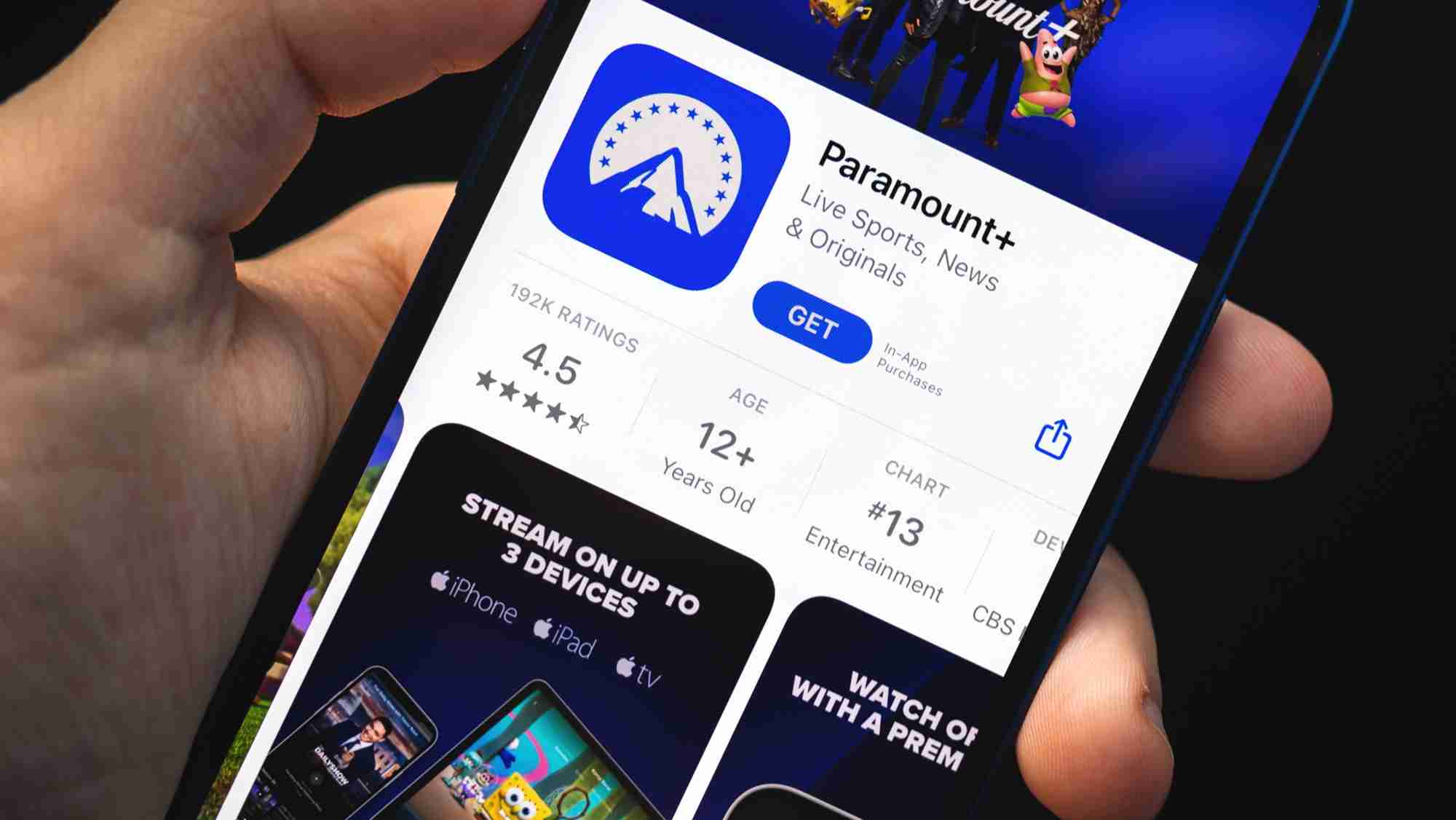
The most direct answer to the question is that Paramount Plus typically allows three concurrent streams per account. This means up to three different devices can stream content from the same Paramount Plus account simultaneously. This standard applies across most of its subscription tiers and regional offerings, providing a consistent user experience regarding simultaneous access.
What “Concurrent Streams” Truly Means
The term “concurrent streams” is a fundamental concept in streaming technology. It refers to the number of active video playback sessions that can occur at the exact same time under a single user account. When you initiate playback on a device – be it a smart TV, smartphone, tablet, or computer – it opens a streaming “session.” If three devices are playing different Paramount Plus titles (or even the same one) at the same moment, you’ve reached the concurrent stream limit. If a fourth device attempts to start a stream, it will typically be met with an error message indicating that the maximum number of streams has been reached.
This technical restriction is an inherent part of how streaming services manage their infrastructure and content delivery networks (CDNs). Each active stream consumes bandwidth and server resources. By setting a limit, Paramount Plus can better predict and manage the load on its systems, helping to ensure a consistent, high-quality streaming experience for all active users. Without such limits, an uncontrolled surge in simultaneous streams could lead to buffering, degraded video quality, or even service outages as servers become overwhelmed.
The Technical Rationale Behind the Limit
The decision to cap concurrent streams at three is not arbitrary; it’s a calculated technical and business decision influenced by several key factors.
Bandwidth Management and Server Load
Every video stream requires a certain amount of data bandwidth. High-definition (HD) and especially 4K Ultra HD (UHD) content demand significantly more. When multiple streams are active, the total bandwidth consumption from Paramount Plus’s servers increases exponentially. By limiting concurrent streams, the platform can more effectively manage its outbound data traffic, balance server load, and allocate resources efficiently. This helps prevent network congestion that could otherwise degrade the viewing experience for all subscribers, leading to buffering, lower resolutions, and overall frustration. It’s a proactive measure to maintain service quality and stability.
Content Licensing Agreements
Behind every movie and TV show available on Paramount Plus are complex licensing agreements with content creators, studios, and distributors. These agreements often include clauses pertaining to how content can be accessed and consumed. A common stipulation relates to the number of simultaneous viewers per account. Licensors may impose these limits to protect their intellectual property and ensure fair monetization, as unlimited sharing could diminish the perceived value of their content or impact other distribution channels. Paramount Plus must adhere to these contractual obligations, and the three-stream limit is a common benchmark in the industry that satisfies many such agreements.
Preventing Widespread Account Sharing
While streaming services generally tolerate and even implicitly encourage some level of household account sharing (e.g., family members living under the same roof), they actively discourage widespread account sharing among individuals who do not reside together. Unlimited concurrent streams would make it incredibly easy for a single subscription to be shared among dozens or hundreds of users, significantly undermining the subscription model. The three-stream limit is a technical mechanism to deter this kind of extensive “piracy-by-sharing,” helping to safeguard the revenue streams that enable Paramount Plus to invest in new content and maintain its service. It strikes a balance, allowing a typical family or small household to use the service conveniently while making large-scale sharing impractical.
Managing Your Paramount Plus Streams and Devices
Understanding the technical limit is one thing; effectively managing it for an optimal user experience is another. Given the three-stream limit, it’s crucial for households to have strategies in place, especially during peak viewing times.
Identifying and Resolving “Too Many Streams” Errors
When you attempt to initiate a fourth stream on your Paramount Plus account, you will typically encounter an error message indicating that the maximum number of concurrent streams has been reached. This error is a direct technical flag from the platform’s backend system, informing you that the predefined limit has been hit. The message might prompt you to stop streaming on another device to continue.
To resolve this:
- Identify Active Devices: The primary solution is to determine which devices are currently streaming. This might involve checking with other household members.
- Close Unused Streams: Log out of Paramount Plus on any device that is no longer being actively used, or simply close the Paramount Plus application. Some devices might keep a stream active in the background even if the screen is off or the device is idle, so a definitive log-out or app closure is often necessary.
- Wait a Moment: After closing an active stream, it may take a few moments (typically 1-2 minutes) for the system to register that the stream has ended and free up a slot. Attempting to start a new stream immediately might still trigger the error.
- Restart the App/Device: In some cases, if persistent errors occur, a quick restart of the Paramount Plus app or even the streaming device itself can help clear any lingering session data.
Unlike some services that offer a dedicated “Manage Devices” portal to remotely log out devices, Paramount Plus’s primary mechanism relies on the technical detection of active playback sessions. While you can usually view a list of devices logged into your account in your account settings, directly forcing log-outs for active streams might require physically accessing the device or simply waiting for the system to time out inactive sessions.
Optimizing for Multi-User Households
For families or households with diverse viewing habits, the three-stream limit necessitates a degree of coordination and planning.
Scheduling Viewing Times
If multiple users frequently hit the stream limit, consider a simple viewing schedule during peak hours. This could be as informal as a quick chat about who wants to watch what, or a more structured agreement if conflicts are frequent. For instance, designating specific evening slots for sports, movies, or kids’ shows can help avoid simultaneous log-outs.
Utilizing Download Features
Paramount Plus offers a download feature for select content, allowing subscribers to download movies and episodes to mobile devices for offline viewing. This is a powerful technical solution to circumvent the concurrent stream limit. A downloaded piece of content does not count as an active stream. If one person wants to watch a downloaded show on their tablet while two others stream live TV and a movie, they won’t hit the limit. This feature is particularly useful for commutes, travel, or areas with unreliable internet connections.
Considering Alternative Viewing Devices
Some devices, like smart TVs, might keep an app running in the background for quick access, potentially holding onto a “stream” slot even if no one is actively watching. Ensure that apps are fully closed when not in use, especially on shared devices. Using personal devices (smartphones, tablets) for individual viewing can often be more manageable than constantly sharing and switching on a main living room TV.
Paramount Plus Concurrent Streams in Context
While the three-stream limit is common, it’s insightful to briefly compare it with how other major streaming services handle concurrent access. This comparison highlights Paramount Plus’s position within the broader streaming technology ecosystem.
Comparison with Other Major Streaming Platforms
- Netflix: Offers varying concurrent streams based on subscription tier (Basic: 1, Standard: 2, Premium: 4).
- Hulu: Generally allows 2 concurrent streams, with an add-on available for “Unlimited Screens” (though still often with a limit on out-of-home devices).
- Disney+: Allows a generous 4 concurrent streams.
- Max (formerly HBO Max): Also allows 3 concurrent streams.
- Peacock: Offers 3 concurrent streams.
From this comparison, Paramount Plus’s three-stream limit is competitive and sits squarely in the middle of the industry standard. It’s more generous than some baseline offerings (e.g., Netflix Basic, Hulu standard) but slightly less than more premium offerings (e.g., Netflix Premium, Disney+). This positioning suggests a strategic decision to balance user experience, cost-effectiveness, and revenue protection, aligning with many direct competitors.
The Evolution of Streaming Technology and User Expectations
The concept of concurrent streams has evolved alongside streaming technology itself. In the early days, single-stream access was common. As internet speeds increased and multi-device households became the norm, services responded by increasing these limits. However, the foundational technical and business constraints (bandwidth, licensing, account sharing prevention) remain.
User expectations have also shifted. Subscribers now expect flexibility and convenience, including the ability for multiple family members to watch different things simultaneously. Paramount Plus’s three-stream limit is a technical response to these expectations, designed to meet the needs of a typical modern household without overburdening its infrastructure or violating its content agreements. As streaming technology continues to advance, including innovations in compression, content delivery, and personalized user profiles, these limits may subtly shift, but the core principles behind them are likely to endure.
Conclusion
The question of “how many people can watch Paramount Plus at once” leads to a clear technical answer: three concurrent streams per account. This limit is a carefully engineered aspect of the Paramount Plus service, driven by a combination of bandwidth management imperatives, intricate content licensing agreements, and a strategic effort to mitigate widespread account sharing. For the user, understanding this technical parameter is key to an uninterrupted and satisfying viewing experience.
By being aware of the three-stream cap, recognizing the “too many streams” error, and employing simple strategies like closing unused applications or leveraging the offline download feature, households can effectively navigate these technical boundaries. Paramount Plus, much like its industry peers, strives to deliver a vast library of entertainment efficiently and securely. The concurrent stream limit is a fundamental technical component of this delivery system, designed to ensure that quality, access, and content integrity are maintained for all its subscribers. As the digital entertainment landscape continues to evolve, these core technical considerations will remain vital to the success and usability of platforms like Paramount Plus.
aViewFromTheCave is a participant in the Amazon Services LLC Associates Program, an affiliate advertising program designed to provide a means for sites to earn advertising fees by advertising and linking to Amazon.com. Amazon, the Amazon logo, AmazonSupply, and the AmazonSupply logo are trademarks of Amazon.com, Inc. or its affiliates. As an Amazon Associate we earn affiliate commissions from qualifying purchases.