
The question “who owns Tesla dealerships” often arises from a natural assumption rooted in a century of automotive retail tradition. For decades, car manufacturers have relied on a vast network of independently owned franchised dealerships to sell and service their vehicles. However, Tesla, a company built on disruption, fundamentally challenged this model from its inception. The answer, from a financial and ownership perspective, is straightforward yet profoundly impactful: Tesla owns all of its sales and service centers directly. There are no independent Tesla dealerships in the traditional sense, a strategic decision that underpins much of its business finance and market approach. This vertical integration of its retail operations is not merely a preference; it’s a cornerstone of its financial strategy, designed to maximize profit, control costs, and shape a distinct economic relationship with its customer base.

The Unconventional Truth: Tesla’s Direct Ownership
Tesla’s approach to retail distribution is a radical departure from the norm, effectively eliminating the middleman and bringing the entire sales process under its corporate umbrella. This isn’t just a detail; it’s a fundamental aspect of the company’s financial architecture and operational philosophy, carrying significant implications for its balance sheet and income statement.
Dispelling the Dealership Myth
For most automotive brands, the distribution network consists of thousands of local businesses operating under franchise agreements. These independent dealerships invest their own capital in showrooms, inventory, and service facilities, then purchase vehicles from the manufacturer, adding their margin before selling to the end consumer. Tesla, however, bypasses this entire structure. When a customer walks into a Tesla store, they are entering a corporate-owned facility, engaging directly with Tesla employees, and purchasing a vehicle directly from the manufacturer. This direct financial transaction means Tesla captures the full retail margin, which would otherwise be shared with or largely claimed by a third-party dealer.
The Rationale Behind Vertical Integration
Tesla’s decision to vertically integrate its sales and service operations stems from several strategic financial considerations. Firstly, it allows for complete control over pricing. In a traditional model, dealerships often engage in price negotiation, leading to varying prices for the same vehicle across different locations and impacting brand equity. Tesla’s direct sales ensure transparent, consistent pricing nationwide, simplifying the financial model for both the company and the consumer. Secondly, it maintains a unified brand experience, a critical component for a premium product. Every aspect, from the showroom’s aesthetic to the sales pitch and the post-sale service, is dictated by Tesla, protecting its corporate investment in brand perception and customer satisfaction, which ultimately influences repeat business and market valuation.
A Radical Departure from Automotive Norms
This direct ownership model places Tesla in a unique financial position within the automotive industry. It means the company bears all the capital expenditures for establishing and maintaining its retail locations, service centers, and charging infrastructure. While this requires substantial upfront investment, it eliminates the costs associated with managing a complex dealer network, such as dealer incentives, marketing co-ops, and dispute resolution. Moreover, it provides Tesla with direct access to sales data, customer feedback, and service insights, which are invaluable for product development, demand forecasting, and inventory management, all of which contribute to operational efficiencies and financial optimization. This control over the entire value chain from manufacturing to sale and service is a key differentiator in Tesla’s financial strategy.
The Economic Advantages of Tesla’s Direct Sales Model
Tesla’s direct-to-consumer model is not just a branding exercise; it’s a finely tuned financial strategy designed to optimize profitability and operational efficiency. By eschewing the traditional franchised dealership system, Tesla unlocks several significant economic advantages that directly impact its bottom line and market position.
Maximizing Profit Margins and Revenue Control
Perhaps the most compelling financial benefit of direct sales is the ability to capture the full profit margin on every vehicle sold. In the traditional model, a significant portion of the retail price — the dealer’s markup — goes to the independent franchisee. By owning its stores, Tesla internalizes this margin, directly boosting its revenue and gross profit per vehicle. This enhanced revenue control allows Tesla to allocate funds more strategically, whether for research and development, manufacturing expansion, or further investment in its sales and service infrastructure. It also provides greater flexibility in pricing strategies, as Tesla doesn’t need to consider the impact on dealer profitability when adjusting prices or offering incentives. This streamlined financial flow directly contributes to a stronger balance sheet and greater cash flow generation.
Streamlined Inventory and Capital Efficiency
The traditional dealership model often leads to inefficiencies in inventory management. Dealerships must carry a diverse stock to meet immediate customer demand, tying up significant capital in unsold vehicles. This can result in excess inventory, discounting pressures, and logistical complexities for manufacturers. Tesla’s direct sales model, particularly when coupled with its online ordering system, allows for a much leaner inventory approach. Vehicles are often built to order or allocated efficiently across its sales centers based on real-time demand data. This reduces the need for large, costly physical lots and minimizes the capital tied up in inventory, thereby improving asset turnover and overall capital efficiency. From a financial perspective, less capital locked in inventory means more resources available for core operations or strategic investments.
Direct Customer Data and Feedback Loop
Beyond immediate profit margins, the direct sales model provides Tesla with an invaluable asset: proprietary customer data. Every interaction, from the initial inquiry to vehicle purchase and ongoing service, is recorded and analyzed directly by Tesla. This first-party data offers profound insights into customer preferences, purchasing behaviors, and satisfaction levels. Financially, this translates into several benefits:
- Targeted Marketing: Direct data enables highly effective and cost-efficient marketing campaigns, reducing customer acquisition costs.
- Product Improvement: Feedback directly informs engineering and design teams, leading to products that better meet market demand, reducing the risk of costly redesigns or inventory issues.
- Service Optimization: Understanding common service issues directly from customers helps optimize service center operations, reducing warranty costs and improving customer retention, which is critical for long-term customer lifetime value.
This continuous, unfiltered feedback loop is a powerful financial tool, enabling Tesla to refine its offerings and operations, ultimately bolstering its long-term profitability and competitive advantage.
Navigating Regulatory Challenges and Capital Investment
While the direct sales model offers significant financial upsides for Tesla, it is by no means without its unique set of challenges, particularly concerning regulatory hurdles and substantial capital commitments. These factors have a direct bearing on Tesla’s financial planning, legal expenses, and overall operational scale.
The Battle Against State Franchise Laws
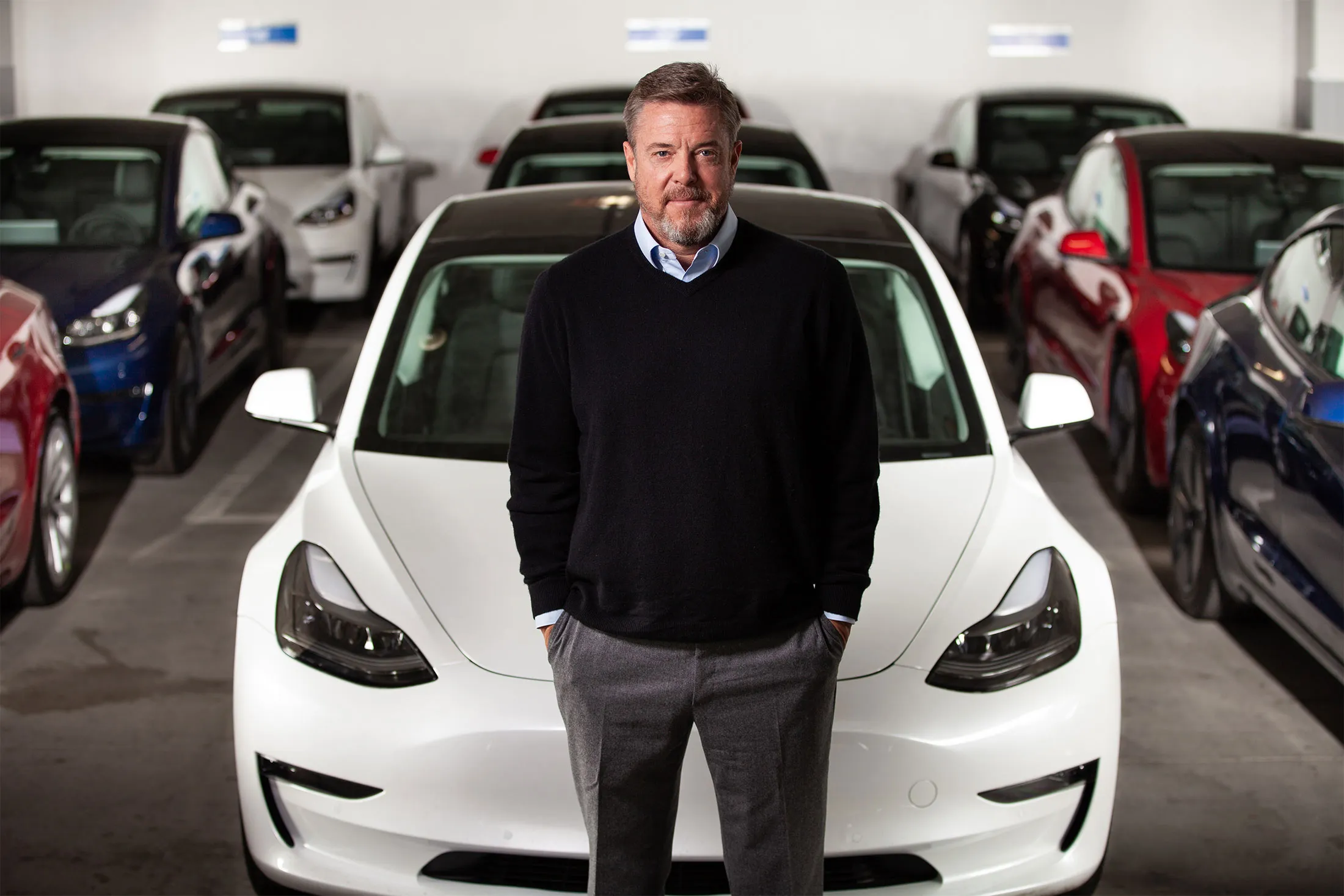
The most persistent obstacle Tesla faces is the entrenched legal framework of state franchise laws across the United States. These laws, enacted decades ago, were designed to protect independent franchised dealerships from being unfairly terminated by powerful manufacturers and to ensure local service competition. They often prohibit manufacturers from selling directly to consumers within the state. Tesla’s model directly contravenes these statutes in many jurisdictions, forcing the company into protracted and costly legal battles. Each state requires individual negotiations, lobbying efforts, and sometimes lawsuits to gain permission to operate its corporate stores. This legal overhead represents a significant, ongoing expense for Tesla, diverting financial resources that could otherwise be invested in product development or market expansion. The varying regulatory landscape also creates operational complexities, impacting where Tesla can open its showrooms and service centers, thereby affecting its market penetration and revenue potential in certain regions.
Significant Upfront Capital Expenditures
Establishing a network of company-owned stores and service centers requires substantial upfront capital investment. Unlike the traditional model where independent dealers bear these costs, Tesla must fund everything from real estate acquisition or leasing, construction or renovation, showroom fixtures, service equipment, and staffing. These capital expenditures (CapEx) can run into millions of dollars per location. As Tesla expands its global footprint, this CapEx burden grows significantly, impacting the company’s cash flow and requiring careful financial management. While these assets become part of Tesla’s corporate portfolio, contributing to its overall asset base, they also necessitate depreciation expenses and ongoing maintenance costs, all of which are managed directly on Tesla’s financial statements.
Operational Costs and Scalability Considerations
Beyond the initial capital outlay, Tesla shoulders all the operational costs associated with running its retail and service network. This includes salaries and benefits for sales and service staff, utilities, rent, insurance, and inventory holding costs. In a traditional setup, these are primarily borne by the independent dealerships. For Tesla, scaling its direct sales model means scaling these operational expenses proportionally. This requires robust internal systems for human resources, supply chain management, and financial accounting across hundreds of locations globally. While direct control allows for optimization, the sheer scale of managing such a network presents a complex financial and logistical challenge. Balancing the expansion rate with profitability and capital allocation is a constant exercise in strategic finance for Tesla’s leadership.
Financial Implications for Consumers and Investors
Tesla’s direct sales model has profound financial implications that extend beyond the company itself, influencing how consumers approach vehicle purchases and how investors evaluate the company’s long-term prospects. Understanding these impacts is crucial for a complete financial picture of Tesla’s unique market strategy.
Transparent Pricing and the End of Haggling
For consumers, one of the most immediate and tangible financial benefits of Tesla’s direct sales model is transparent, non-negotiable pricing. Unlike traditional dealerships where the sticker price is often just a starting point for negotiation, Tesla cars are sold at a fixed price, whether purchased online or in a physical store. This eliminates the often-stressful and time-consuming process of haggling, which can lead to significant financial disparities based on a buyer’s negotiation skills or access to information. From a consumer finance perspective, this transparency allows for clearer budgeting and ensures that all customers pay the same price for the same vehicle configuration, fostering a sense of fairness and reducing buyer’s remorse, which can enhance customer loyalty and repeat business.
Investment Thesis: Valuing a Vertically Integrated Retail Network
For investors, Tesla’s direct ownership of its retail and service network presents a unique valuation proposition. On one hand, the substantial capital expenditures and operational costs required to build and maintain this network can be viewed as a drain on cash flow and a barrier to rapid profitability. On the other hand, the ability to capture higher margins, control the customer experience, gather direct data, and maintain consistent pricing represents a powerful long-term competitive advantage. Analysts often weigh the immediate financial commitments against the strategic benefits of vertical integration. The direct model contributes to a higher asset base (retail property, equipment) on the balance sheet, but also influences profitability ratios and free cash flow. Investors also consider how this model impacts Tesla’s ability to scale efficiently, especially in light of regulatory challenges that limit its physical presence in some lucrative markets. The investment thesis often hinges on the belief that the long-term financial benefits of this control outweigh the initial and ongoing costs, leading to sustained higher valuation multiples compared to traditional automakers.
Long-Term Financial Sustainability and Market Impact
The long-term financial sustainability of Tesla’s direct sales model is a subject of ongoing debate. Proponents argue that by retaining full control over its distribution, Tesla can react more swiftly to market changes, optimize its supply chain, and enhance customer satisfaction, all of which contribute to financial resilience. Critics point to the significant capital requirements and legal battles as potential inhibitors to growth and profitability, especially if sales volume does not keep pace with infrastructure expansion. However, the success Tesla has achieved with this model has already had a profound market impact, forcing traditional automakers to re-evaluate their own distribution strategies, explore online sales channels, and invest more in direct customer engagement. This shift could lead to a broader industry transformation, impacting the financial health and business models of thousands of independent dealerships and influencing the competitive landscape for decades to come.
Beyond Dealerships: The Future of Automotive Retail Finance
Tesla’s pioneering direct sales model has unequivocally challenged the established financial and operational norms of the automotive industry. Its success demonstrates that a radical departure from the franchised dealership model is not only feasible but can also be financially advantageous, setting a new benchmark for how vehicles are sold and serviced. This paradigm shift holds significant implications for the future of automotive retail finance.
A Blueprint for Disrupting Distribution Channels
Tesla’s model serves as a compelling case study for other industries and nascent automotive companies looking to disrupt traditional distribution channels. From a financial perspective, it highlights the potential for manufacturers to retain higher profit margins, gain greater control over revenue streams, and build deeper, data-rich relationships with their customer base. It showcases how significant upfront capital investment in proprietary retail infrastructure, while demanding, can yield long-term strategic and financial returns by eliminating intermediary costs and allowing for complete brand and experience control. This blueprint suggests that for industries heavily reliant on third-party distributors, a carefully planned vertical integration strategy, even with its inherent challenges, can lead to a more robust and profitable financial architecture.
Adapting to Evolving Customer Expectations
Modern consumers, particularly younger demographics, increasingly value transparency, convenience, and a seamless digital experience—factors that Tesla’s direct sales and online ordering systems inherently provide. From a financial perspective, meeting these evolving customer expectations can lead to higher customer acquisition rates, improved customer retention, and ultimately, greater customer lifetime value. Traditional automakers, financially invested in their vast dealership networks, are now grappling with how to adapt. Many are exploring hybrid models, integrating online sales portals, offering direct-to-home vehicle delivery, and standardizing pricing to offer a more Tesla-like experience, without entirely dismantling their existing franchise relationships. This financial dilemma involves balancing the sunk costs of their dealership investments with the need to remain competitive in a rapidly changing retail landscape.
The Hybrid Model: A Potential Evolution?
While Tesla has demonstrated the viability of a pure direct-to-consumer model, the future of automotive retail finance might not be a one-size-fits-all solution. A hybrid model, combining the strengths of both direct sales and a modified dealership network, could emerge as a powerful evolutionary step. Financially, this could mean manufacturers own key flagship stores for brand immersion and direct sales of new models, while a streamlined network of franchised “service and delivery hubs” handles last-mile logistics, pre-owned sales, and localized service, potentially operating on a commission or flat-fee basis rather than traditional markups. This approach could allow manufacturers to maintain greater control over pricing and customer data while leveraging the existing footprint and local market knowledge of independent partners, thereby optimizing capital deployment and operational efficiency. The ongoing financial innovation in automotive retail will continue to be a fascinating area to watch, driven by companies like Tesla that dared to ask “who owns the experience?” and built a financially integrated answer from the ground up.
aViewFromTheCave is a participant in the Amazon Services LLC Associates Program, an affiliate advertising program designed to provide a means for sites to earn advertising fees by advertising and linking to Amazon.com. Amazon, the Amazon logo, AmazonSupply, and the AmazonSupply logo are trademarks of Amazon.com, Inc. or its affiliates. As an Amazon Associate we earn affiliate commissions from qualifying purchases.