
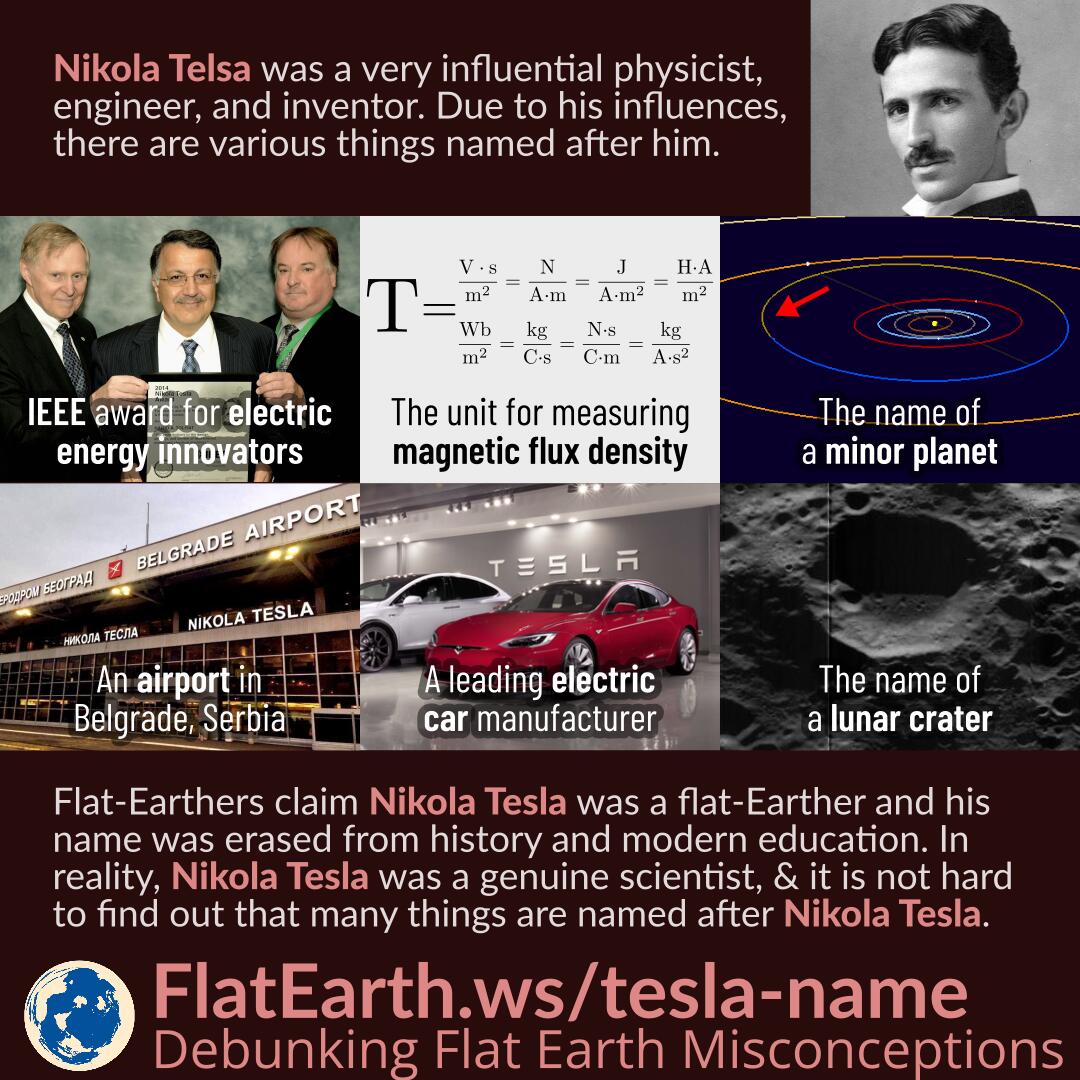
In the pantheon of modern disruptive companies, few names resonate with as much innovation, ambition, and mystique as Tesla. Synonymous today with electric vehicles, renewable energy, and space exploration through its founder Elon Musk, the brand’s chosen moniker is far more than a catchy title; it’s a profound strategic statement, a tribute, and a cornerstone of its corporate identity. The answer to “who is Tesla named after?” leads us directly to one of history’s most brilliant, yet often overlooked, electrical engineers and futurists: Nikola Tesla. This naming choice is a masterclass in brand strategy, connecting a contemporary powerhouse to a historical titan whose visionary work perfectly encapsulates the company’s ethos.

The Genesis of a Name: Honoring an Electrical Pioneer
The decision to name a company is among the most critical steps in establishing its brand identity. For Tesla, Inc., co-founded by Martin Eberhard and Marc Tarpenning in 2003 (with Elon Musk joining shortly thereafter as a key investor and driving force), the selection of “Tesla” was a deliberate and deeply symbolic act. It wasn’t merely about finding a unique or memorable word; it was about laying claim to a heritage of radical innovation, pushing boundaries, and reimagining the future of energy.
The Company’s Inception and Naming Rationale
When the founders were conceptualizing their electric car company, they faced the challenge of articulating their mission through a brand name. They weren’t just building another car; they were aiming to disrupt an entire industry by making electric vehicles desirable, high-performance alternatives to gasoline cars. This audacious goal demanded a name that conveyed pioneering spirit, scientific brilliance, and a touch of the extraordinary.
Nikola Tesla, whose pioneering work in alternating current (AC) electricity, radio technology, and wireless communication laid the groundwork for much of modern electrical engineering, was the perfect fit. His life’s work embodied the very principles the nascent company sought to champion: efficiency, innovation, and a vision for a electrified future. The name “Tesla” instantly invoked a sense of scientific gravitas and groundbreaking invention, aligning the new automotive venture with a legacy of transformative technological advancement. It served as a clear declaration of intent: this company would not just innovate; it would revolutionize, much like its namesake.
Beyond a Nod: Embracing a Philosophy
The choice of “Tesla” was more than a polite nod to a historical figure; it was an embrace of his philosophy. Nikola Tesla was often ahead of his time, sometimes misunderstood, and frequently battled against entrenched interests (famously Edison’s direct current). This narrative of a lone genius fighting to bring superior technology to the world resonated deeply with the challenges and ambitions of the electric vehicle startup.
By adopting “Tesla,” the brand inherited a powerful narrative of being on the right side of history, of championing a superior, albeit initially less popular, technology. It projected an image of intellectual courage and relentless pursuit of what’s possible, rather than what’s merely conventional. This inherent storytelling capability of the name provided an immediate, profound layer to the company’s nascent brand identity, giving it depth and historical weight from day one.
Nikola Tesla: The Man Behind the Moniker and His Enduring Influence
To fully grasp the strategic brilliance of the Tesla brand name, one must understand the man himself. Nikola Tesla (1856-1943) was a Serbian-American inventor, electrical engineer, mechanical engineer, and futurist who is best known for his contributions to the design of the modern alternating current (AC) electricity supply system. His story is one of genius, grand visions, and often, tragic underrecognition during his lifetime.
A Glimpse into Tesla’s Revolutionary Mind
Born in Smiljan, Austrian Empire (modern-day Croatia), Tesla displayed an extraordinary aptitude for science and engineering from a young age. His mind was a crucible of ideas, often visualizing complex inventions down to their minutest details before ever drawing a single blueprint. He held over 300 patents worldwide and was responsible for numerous breakthroughs that underpin contemporary technology.
His insights extended beyond mere invention; he conceptualized systems and technologies that would take decades, if not a century, to materialize. Concepts like wireless communication, remote control, robotics, and even radar were explored and sometimes prototyped by Tesla, highlighting his incredible foresight and unconventional thinking. This historical precedent of a visionary whose ideas transcended his era provides a powerful symbolic foundation for a company that aims to do the same in the 21st century.
AC Power and the Vision of Electrification
Tesla’s most famous and impactful contribution was his development of the alternating current (AC) electrical system. In a period known as the “War of Currents,” Tesla, backed by George Westinghouse, championed AC over Thomas Edison’s direct current (DC). AC proved to be far more efficient for long-distance power transmission, fundamentally enabling the electrification of the world as we know it.
This victory for AC not only established the infrastructure for modern power grids but also showcased Tesla’s commitment to finding superior, more scalable solutions. For a company like Tesla, Inc., aiming to scale electric transportation and renewable energy globally, the historical parallel is unmistakable. It evokes a brand message of choosing the optimal, forward-thinking technology, even when faced with established, less efficient alternatives.
Unfinished Dreams and Suppressed Innovations
Beyond his triumphs, Nikola Tesla’s narrative is also one of grand, sometimes unrealized, visions. He dreamed of free wireless energy for all, global communication networks, and revolutionary energy sources. Many of his later projects, such as the Wardenclyffe Tower, were left unfinished due to lack of funding or societal readiness. He often struggled to monetize his inventions effectively, leading to financial difficulties despite his profound contributions.
This aspect of his story, while tragic for the man, paradoxically adds another layer of depth to the brand. It suggests that true innovation often goes against the grain, faces skepticism, and may not yield immediate financial rewards. It aligns with a brand narrative that positions itself as an underdog challenging giants, pursuing a higher purpose beyond immediate profits – a powerful emotional hook for consumers who value purpose-driven companies.
Strategic Branding: Why Nikola Tesla’s Name Resonates with Innovation
The choice of “Tesla” for an electric car company isn’t merely a historical homage; it’s a highly strategic branding decision that communicates core values, shapes perceptions, and carves out a unique market position. In the realm of brand strategy, few names carry such inherent weight and immediate association with groundbreaking progress.
Aligning with Disruptive Innovation
Tesla, Inc. burst onto the automotive scene with a mission to accelerate the world’s transition to sustainable energy. This mission inherently requires disruption: challenging legacy automakers, revolutionizing manufacturing, and changing consumer perceptions. Nikola Tesla, as a historical figure, is the epitome of disruptive innovation. His work didn’t just improve existing systems; it created entirely new ones.
By adopting his name, the company signals its commitment to similar levels of innovation. It tells stakeholders that this isn’t a company that will simply iterate; it will reinvent. This alignment with a historical figure renowned for radical, paradigm-shifting inventions creates an immediate brand aura of forward-thinking and technological leadership, crucial for a company aiming to be at the vanguard of multiple industries.
Crafting a Narrative of the Future

Brands thrive on compelling narratives. The “Tesla” name provides a ready-made story: a continuation of a grand, unfinished quest to electrify and empower the world. It positions the company not just as a manufacturer, but as a torchbearer for a future envisioned by one of history’s greatest minds. This narrative transcends product features, tapping into deeper human desires for progress, sustainability, and technological marvels.
Elon Musk has often framed Tesla’s mission in almost existential terms, emphasizing its role in humanity’s future. The name “Tesla” lends credibility and historical weight to this ambitious narrative, connecting the present-day company’s aspirations to a long lineage of visionary thought. It allows the brand to tell a story that extends beyond the current quarter, focusing on a long-term, impactful vision.
The Power of Association in Corporate Identity
Corporate identity is built on perception. The “Tesla” name instantly associates the brand with qualities like genius, scientific rigor, groundbreaking discovery, and a slightly rebellious spirit. These associations are invaluable. They attract top engineering talent who aspire to work on challenging, impactful problems. They appeal to consumers who identify as early adopters, tech enthusiasts, and environmentally conscious individuals.
Furthermore, the name helps to differentiate Tesla from traditional automakers. While companies like Ford or Mercedes-Benz carry legacies of mass production and mechanical engineering, Tesla, Inc. immediately evokes electrical engineering, software, and a clean energy future. This subtle but powerful distinction helps solidify its unique position in the market as a tech company that happens to make cars, rather than just another car company.
From Visionary to Brand Icon: The Symbiotic Relationship
The relationship between Nikola Tesla, the man, and Tesla, the brand, is symbiotic. The company draws immense symbolic power and narrative depth from its namesake, while the company’s modern-day success has, in turn, elevated Nikola Tesla’s profile and cemented his place in public consciousness as a true visionary.
From Patent Wars to Paving the Way
Nikola Tesla famously engaged in “patent wars” and struggled for recognition. His genius was often obscured by rivals or financial woes. The success of Tesla, Inc. has arguably done more to bring Nikola Tesla’s name and contributions to the forefront of popular culture than any historical text or academic treatise could have. The brand’s prominence acts as a perpetual advertisement for its namesake’s legacy.
This re-contextualization of a historical figure through a modern brand creates a powerful feedback loop. As the company continues to innovate and capture headlines, it simultaneously shines a brighter spotlight on the historical figure, reminding people of the origins of the name and the depth of its inspiration.
Elon Musk’s Vision and Tesla’s Brand Persona
While the name anchors the brand in history, Elon Musk’s personality and vision heavily influence Tesla’s modern brand persona. Musk’s audacious goals, willingness to challenge norms, and focus on fundamental physics and engineering principles echo the very qualities that defined Nikola Tesla. This resonance between the founder’s ethos and the brand’s namesake creates a coherent and compelling identity.
The brand persona of Tesla is one of bold ambition, technological superiority, and a relentless drive towards a better future. This persona is deeply rooted in the historical narrative of Nikola Tesla, yet dynamically shaped by Musk’s contemporary leadership. It’s a blend of historical gravitas and futuristic ambition, creating a brand that feels both timeless and cutting-edge.
Leveraging Historical Genius for Modern Appeal
In a crowded marketplace, authenticity and a compelling story are invaluable assets. Tesla leverages the “historical genius” angle not just for credibility, but for emotional appeal. It suggests a brand that is built on fundamental scientific principles, driven by a desire for progress, and inspired by the best of human ingenuity. This resonates particularly with a demographic that values intellectual rigor and purposeful innovation.
The name provides an instant differentiator, setting the brand apart from competitors with more generic or purely descriptive names. It acts as a conversation starter, inviting curiosity and deeper engagement with the brand’s origins and mission.
The Legacy Effect: How a Name Shapes Future Perception
A brand name is a promise, an aspiration, and a guide for future perception. For Tesla, the chosen name is a powerful commitment to a specific trajectory, influencing how the brand is viewed, understood, and trusted in the years to come.
Inspiring Trust and Credibility
In sectors as critical as automotive and energy, trust is paramount. The association with Nikola Tesla lends an inherent sense of scientific credibility and engineering excellence to the brand. It suggests that the company’s products are not just marketing hype, but grounded in deep scientific understanding and innovation, much like Tesla’s own inventions.
This historical underpinning builds a foundation of trust, particularly among technically savvy consumers and investors who appreciate the nod to a true pioneer. It reinforces the idea that Tesla, Inc. is not just building products, but advancing the frontiers of technology, aligning with the legacy of its namesake.
Challenges and Opportunities in Brand Storytelling
While the name offers immense benefits, it also presents challenges. The weight of Nikola Tesla’s legacy sets a high bar for the company’s innovation. Any perceived failure to innovate or live up to its pioneering image can be scrutinized more harshly because of the name’s powerful implications. The brand must continuously strive to live up to the promise embedded in its name.
However, these challenges also present opportunities. The constant reference to Nikola Tesla’s work allows the brand to engage in rich storytelling, educating consumers not just about its products, but about the broader history of innovation and the journey towards sustainable energy. This deeper engagement fosters a loyal community that feels connected to a grander mission.
The Perpetual Relevance of the Tesla Name
As technology evolves and the world faces new challenges, the core tenets of Nikola Tesla’s work—efficiency, electrification, and forward-thinking solutions—remain perpetually relevant. The brand name ensures that Tesla, Inc. is always positioned at the intersection of these critical global needs.
In conclusion, the decision to name the company “Tesla” after Nikola Tesla was a masterstroke of brand strategy. It imbued the fledgling company with an immediate sense of history, gravitas, and purpose. It connected its audacious mission to a lineage of groundbreaking innovation and a vision for an electrified future. By leveraging the enduring influence of one of history’s greatest electrical pioneers, Tesla, Inc. not only built a memorable brand name but forged a powerful corporate identity that continues to drive its narrative of disruption and transformation in the modern world.
aViewFromTheCave is a participant in the Amazon Services LLC Associates Program, an affiliate advertising program designed to provide a means for sites to earn advertising fees by advertising and linking to Amazon.com. Amazon, the Amazon logo, AmazonSupply, and the AmazonSupply logo are trademarks of Amazon.com, Inc. or its affiliates. As an Amazon Associate we earn affiliate commissions from qualifying purchases.