
The question of “where is Tesla headquartered?” might seem like a simple inquiry into a company’s physical address. However, for a brand as iconic, polarizing, and strategically driven as Tesla, the location of its corporate headquarters is far more than just a pin on a map. It is a profound statement about its corporate identity, its operational philosophy, its cultural alignment, and its future ambitions. The journey from the innovation hotbed of Silicon Valley to the sprawling industrial frontier of Central Texas reflects a deliberate brand strategy, signaling a shift in focus and a reinforcement of certain core values that shape Tesla’s global narrative.

Tesla, Inc., the trailblazing electric vehicle and clean energy company, officially relocated its headquarters from Palo Alto, California, to Austin, Texas, in December 2021. This move, spearheaded by CEO Elon Musk, was not merely a logistical adjustment but a calculated strategic maneuver with significant implications for how the brand is perceived, how it operates, and how it intends to evolve in the coming decades. Understanding this relocation requires delving into the forces that drove it and the brand narratives it aims to reinforce.
The Current Home: Austin, Texas and its Brand Implications
The decision to make Austin, Texas, the new nerve center for Tesla sent ripples across the corporate world and the automotive industry. It was a move steeped in both practicality and powerful symbolism, aiming to redefine Tesla’s corporate identity away from its Silicon Valley origins and towards a more expansive, production-centric future.
A New Chapter: The Relocation from California
The official announcement of Tesla’s headquarters relocation to Austin came during the company’s annual shareholder meeting in October 2021, though the operational shift had been underway for some time. This move marked a significant departure from Tesla’s roots, which were firmly embedded in the high-tech ecosystem of California. The relocation was framed by Elon Musk as a response to various challenges faced in California, including regulatory hurdles, high cost of living and operations, and what he perceived as a restrictive business environment. From a brand perspective, this narrative positioned Tesla as a resilient, agile entity unafraid to challenge established norms and seek out environments more conducive to rapid growth and large-scale manufacturing. It subtly communicated a brand message of independence and a willingness to forge new paths, aligning with its pioneering spirit in the EV sector.
“Gigafactory Texas” as a Brand Anchor
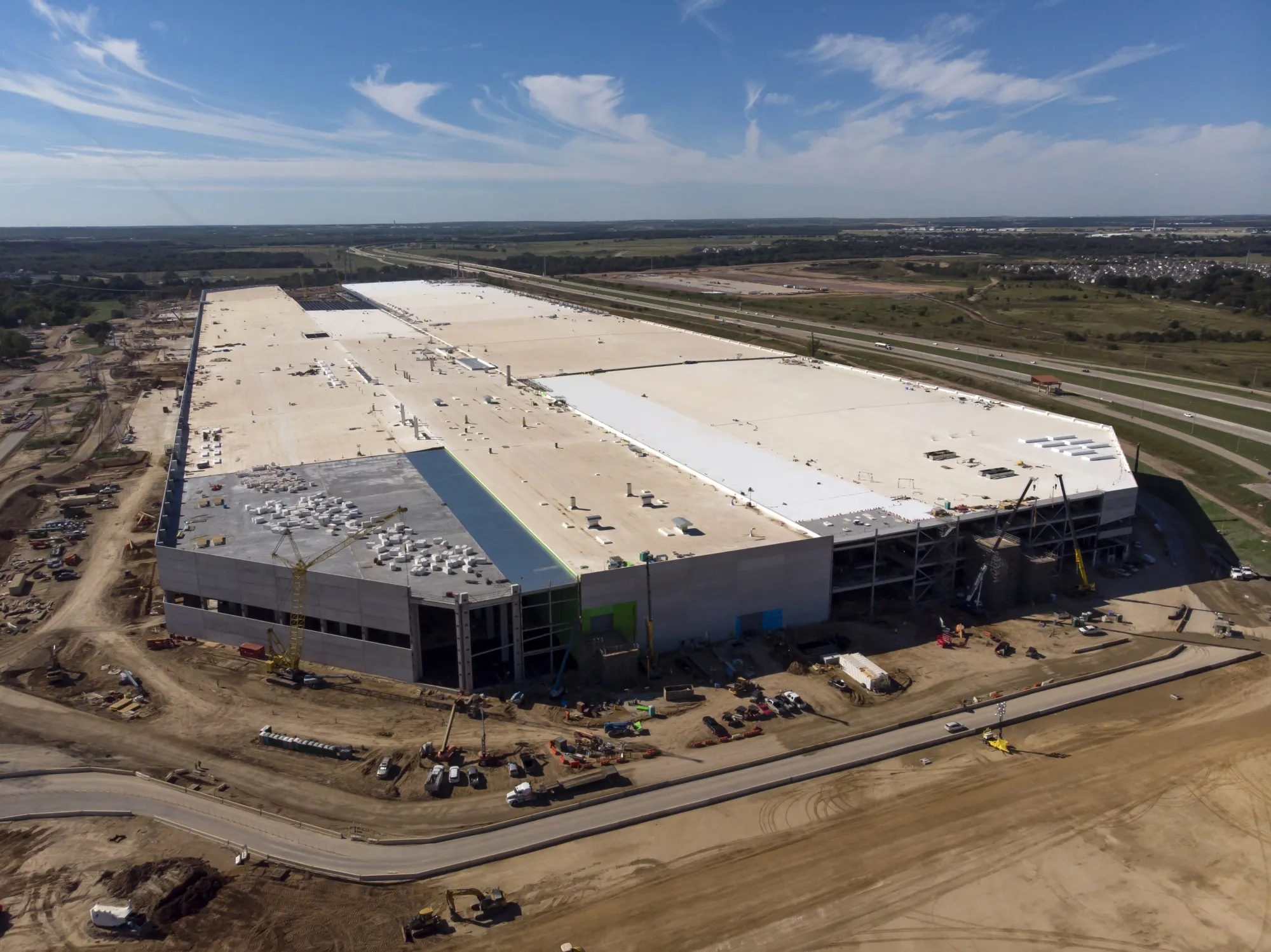
One of the most compelling reasons for the move, and a significant brand advantage, was the proximity to the colossal Gigafactory Texas. This enormous manufacturing facility, spanning over 2,500 acres, is not just a factory; it is a symbol of Tesla’s manufacturing prowess, its vertical integration ambitions, and its commitment to scaling production. By co-locating the headquarters with Gigafactory Texas, Tesla has strategically anchored its corporate identity directly to its production capabilities. This creates a powerful brand image: one where innovation (traditionally associated with the HQ) is inextricably linked with tangible output and large-scale manufacturing (the factory). It reinforces the brand message that Tesla is not just a design house or a software company, but a genuine industrial powerhouse capable of mass-producing advanced vehicles and energy solutions. This synergy allows for more streamlined communication between executive leadership, engineering, and production teams, ultimately aiming for faster decision-making and more efficient execution – qualities that resonate strongly with a brand emphasizing speed and disruption.
Austin’s Emerging Identity: Tech Hub or Manufacturing Powerhouse?
Austin itself plays a crucial role in Tesla’s evolving brand identity. Often dubbed “Silicon Hills,” Austin has a burgeoning tech scene, attracting talent and investment. However, its broader Texas context also offers a different flavor – one associated with large-scale industries, land abundance, and a distinct cultural ethos. For Tesla, planting its flag in Austin allows it to tap into both these aspects. It can leverage Austin’s growing tech talent pool while simultaneously benefiting from Texas’s more industry-friendly regulations and lower operational costs. This duality enables Tesla to project a brand image that is both high-tech and grounded in tangible production. It’s a sophisticated blend that helps Tesla communicate its identity as a leader not just in conceptual innovation but also in the gritty reality of mass-producing the future. The move to Texas positions Tesla as a brand that values efficient, large-scale operation as much as groundbreaking innovation, perhaps subtly distancing itself from the purely software-centric perception sometimes associated with Silicon Valley.
The California Legacy: Palo Alto and Tesla’s Early Identity
Before its move to Austin, Tesla’s headquarters were nestled in Palo Alto, California, at the heart of Silicon Valley. This location was instrumental in shaping Tesla’s early brand identity and laying the groundwork for its disruptive ascent in the automotive world.
Silicon Valley Roots: Innovation and Disruptive Branding
Palo Alto and Silicon Valley are synonymous with technological innovation, venture capital, and a culture of disruption. For a startup aiming to revolutionize an entrenched industry like automotive, being based in this ecosystem provided an invaluable brand halo. It positioned Tesla not just as another car company, but as a tech company first and foremost – a disruptor leveraging software, batteries, and connectivity to redefine personal transportation. The “Silicon Valley startup” brand lent Tesla an aura of cutting-edge technology, audacious vision, and a direct challenge to the status quo of traditional automakers. This association allowed Tesla to attract top engineering talent from the tech world, secure crucial early investments, and craft a narrative centered on innovation over iteration. Its proximity to Google, Apple, and other tech giants underscored its identity as a forward-thinking, software-driven enterprise, which was a powerful differentiator in a car market dominated by legacy manufacturers.
Branding Challenges and Opportunities in the Golden State
While California offered immense brand benefits, it also presented unique challenges. The state’s stringent environmental regulations, high taxes, elevated cost of living, and complex labor laws became increasingly burdensome for a company focused on scaling production. From a brand strategy perspective, operating in California also meant navigating a politically charged landscape, where Musk’s frequently contrarian views often clashed with state policies and public sentiment. This created a dual narrative: on one hand, Tesla was seen as a Californian beacon of green technology; on the other, it faced criticism for its labor practices and regulatory compliance. The opportunities were immense in terms of talent and innovation, but the operational realities eventually led to a strategic re-evaluation of its headquarters’ brand alignment.

From Tech Startup to Automotive Giant: A Brand’s Evolution
Tesla’s tenure in Palo Alto coincided with its transformation from a niche luxury EV maker into a global automotive and energy giant. This period saw the launch of the Model S, Model 3, Model X, and Model Y, establishing Tesla as a legitimate mass-market player. The brand evolved from an experimental tech company to a mainstream disruptor. However, as it grew, the focus shifted from pure innovation to efficient, high-volume manufacturing. The brand needed to signal this shift. Remaining solely in Silicon Valley might have reinforced an image that was too niche or too focused on software, potentially undermining its aspirations to be a global manufacturing leader. The move to Texas, therefore, became an essential step in recalibrating its brand identity to reflect its full spectrum of capabilities, from cutting-edge software to large-scale, vertically integrated production.
Strategic Rationale Behind the Relocation: A Brand Perspective
The relocation was a complex decision driven by multiple factors, all of which ultimately served to refine and strengthen Tesla’s brand identity. It was a strategic move designed to optimize operations while projecting a specific image to stakeholders globally.
Cost, Culture, and Corporate Identity: Why the Shift?
One of the most cited reasons for the move was the cost of doing business in California. High property costs, labor expenses, and corporate taxes significantly impacted Tesla’s bottom line, particularly as it scaled. Texas offered a more favorable economic environment with lower taxes and operating costs. From a brand perspective, this move allowed Tesla to communicate an image of fiscal prudence and efficiency, appealing to investors and demonstrating a commitment to maximizing shareholder value. Beyond cost, there was a significant cultural component. Elon Musk has often expressed frustration with what he perceived as California’s bureaucratic red tape and a culture he felt was less conducive to rapid industrial expansion. By moving to Texas, Tesla could cultivate a corporate culture that prioritizes speed, self-reliance, and large-scale manufacturing, aligning more closely with Musk’s vision. This culture shapes internal brand identity, influencing employee morale, hiring, and the overall operational ethos of the company.
Aligning Operations with Brand Messaging: Proximity to Production
The strategic alignment of headquarters with primary production facilities is a powerful brand statement. It visually and operationally connects the company’s leadership and strategic direction directly to the physical act of creation. This is particularly potent for Tesla, a brand that prides itself on manufacturing innovation and the ability to produce vehicles at scale. Placing the HQ next to Gigafactory Texas reinforces the narrative that Tesla is not just designing cars but building them – efficiently, innovatively, and on a massive scale. This proximity fosters a tighter feedback loop between design, engineering, and manufacturing, which is crucial for a brand that emphasizes continuous improvement and rapid iteration. It signals to the market, and to its customers, that Tesla is an integrated entity where strategic decisions are made with a deep understanding of production realities.
The “Texas Brand” vs. The “California Brand” for Tesla
The move also involved an implicit adoption of a “Texas brand” identity for Tesla, contrasting with its former “California brand.” The California brand emphasized innovation, environmentalism (though sometimes controversially), and Silicon Valley tech disruption. The Texas brand, while still embracing innovation (especially in manufacturing), leans into themes of rugged individualism, industrial scale, lower regulation, and a more “can-do” spirit associated with the state. For Tesla, this shift allows it to tap into a different set of cultural associations. It can portray itself as a brand that is unafraid to challenge norms, seeking out environments that foster aggressive growth and large-scale manufacturing ambitions, rather than being constrained by established tech ecosystems. This rebranding subtly helps Tesla appeal to a broader demographic, signaling a pragmatic approach to business growth alongside its visionary goals.
The Impact of Headquarters Location on Tesla’s Brand Narrative
A company’s headquarters location is more than just an address; it’s a foundational element of its brand narrative, influencing how it is perceived by customers, employees, investors, and the public. For Tesla, the move to Austin has profoundly reshaped its story.
Symbolism and Public Perception: What a HQ Says About a Brand
The location of a headquarters carries immense symbolic weight. For years, Tesla’s Palo Alto address cemented its image as a quintessential Silicon Valley disruptor. The move to Austin introduced new symbolism. It signaled a maturation of the brand from a volatile startup to a global industrial player focused on scale and efficiency. It also implicitly adopted elements of Texas’s identity – a state known for its vastness, industrial strength, and distinct political leanings. This shift in perception can be both advantageous and challenging. It solidifies Tesla’s image as a serious manufacturer capable of building the future, while potentially alienating some who associated its brand solely with California’s progressive tech scene. The relocation essentially added a new chapter to Tesla’s brand story, emphasizing operational prowess and strategic independence.
Talent Attraction and Retention: Branding for Employees
The headquarters location is a crucial factor in talent attraction and retention, shaping a brand’s appeal to potential employees. While Silicon Valley offers a dense ecosystem of tech talent, it also comes with fierce competition and exorbitant living costs. Moving to Austin allows Tesla to tap into a growing tech talent pool in a more affordable market, potentially broadening its reach for skilled labor. From a brand perspective, this move can be marketed to prospective employees as an opportunity to be part of a pioneering company that is building its future in a dynamic, growing city, rather than being just another player in an overcrowded tech hub. It suggests a brand that is thoughtful about its employees’ quality of life and opportunities for growth in a less saturated environment, although the culture clash for some employees moving from California was also a widely discussed point. This strategic choice helps redefine Tesla’s employer brand, moving beyond just innovative work to include a balanced lifestyle proposition.
Global Reach, Local Roots: Reinforcing Tesla’s Vision
Ultimately, the relocation of Tesla’s headquarters to Austin, Texas, is a bold statement about its brand’s future vision. It demonstrates a commitment to expanding its global footprint while grounding its core operations in a location that supports its ambitious manufacturing goals. This move helps Tesla reinforce its brand narrative as a company that is globally ambitious yet strategically rooted in environments that facilitate its growth. It signifies a brand that is adaptable, strategically agile, and willing to make significant shifts to achieve its vision of accelerating the world’s transition to sustainable energy. The Austin headquarters, therefore, is not merely a geographic coordinate but a cornerstone of Tesla’s evolving corporate identity, reflecting its past achievements, present strengths, and future aspirations on the world stage.
aViewFromTheCave is a participant in the Amazon Services LLC Associates Program, an affiliate advertising program designed to provide a means for sites to earn advertising fees by advertising and linking to Amazon.com. Amazon, the Amazon logo, AmazonSupply, and the AmazonSupply logo are trademarks of Amazon.com, Inc. or its affiliates. As an Amazon Associate we earn affiliate commissions from qualifying purchases.