
Tesla, a name synonymous with innovation, disruption, and the future of mobility, has navigated a rollercoaster journey since its inception. From its humble beginnings as a defiant electric vehicle startup to its current status as a global automotive and energy powerhouse, the company’s brand story is a compelling narrative of audacious vision, intense scrutiny, and relentless transformation. The question “what happened to Tesla” is less about a single event and more about the ongoing evolution of a brand that has consistently defied expectations, courted controversy, and reshaped industries. This exploration delves into the shifting perceptions of the Tesla brand, examining how it was built, the challenges it has faced, and its path forward in an increasingly competitive landscape.
The Genesis of an Icon: Crafting a Disruptive Brand Identity
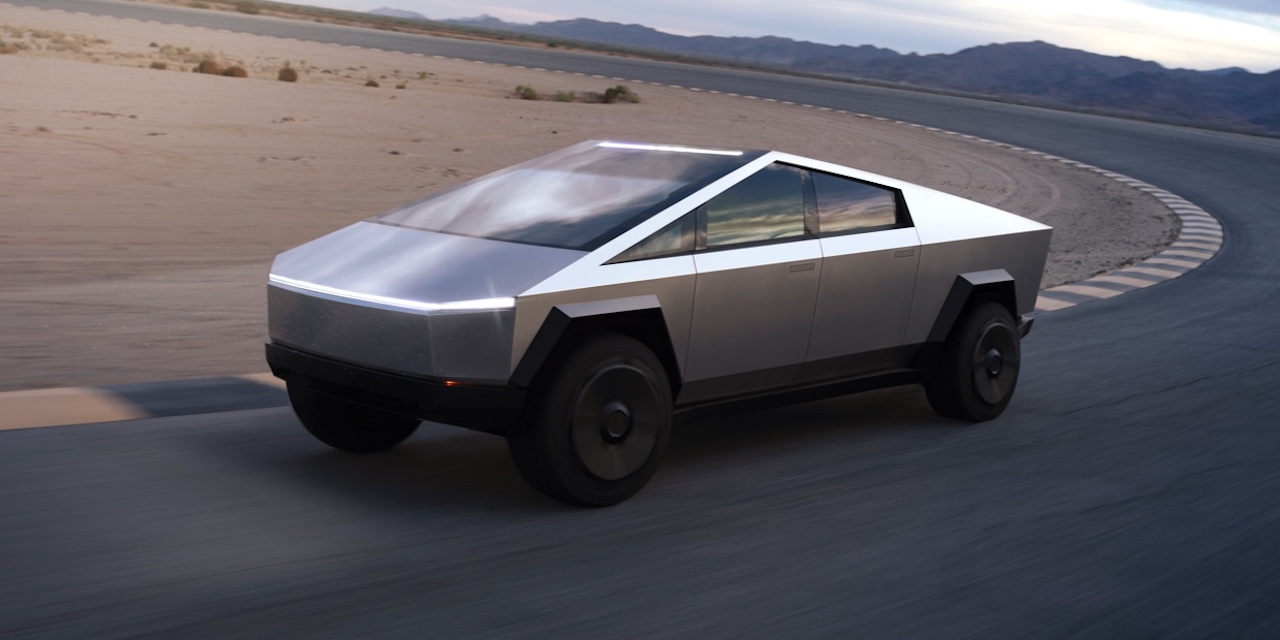
Tesla didn’t just introduce electric cars; it introduced a new paradigm. Its initial brand identity was forged in the fires of disruption, challenging the entrenched automotive industry and captivating a new generation of consumers and investors alike.
The Maverick Spirit: Early Brand Positioning
In its early years, Tesla positioned itself as a maverick, an outsider with a mission to accelerate the world’s transition to sustainable energy. This mission-driven approach resonated deeply with environmentalists, tech enthusiasts, and early adopters who craved innovation. The brand eschewed traditional automotive marketing, relying instead on word-of-mouth, viral buzz, and the sheer audacity of its products. The Roadster, a high-performance electric sports car, shattered preconceived notions about EVs, proving they could be desirable, fast, and luxurious. This strategic move established Tesla not as a mere car manufacturer, but as a lifestyle brand for the forward-thinking and adventurous. Its direct-to-consumer sales model, elegant showrooms, and over-the-air software updates further cemented its image as a tech company first, and an automotive company second, differentiating it starkly from legacy brands.
Elon Musk’s Persona: A Double-Edged Sword for Brand Equity
Central to Tesla’s initial brand equity was the larger-than-life persona of its CEO, Elon Musk. Musk became the embodiment of the Tesla brand – visionary, unconventional, brilliant, and at times, controversial. His audacious pronouncements, futuristic visions, and direct engagement with the public, particularly on social media, created an unprecedented level of buzz and a dedicated following. For many, investing in Tesla was an investment in Musk’s vision. His willingness to challenge norms and take risks aligned perfectly with the brand’s disruptive image. However, this deep intertwining of personal and corporate branding proved to be a double-edged sword. Musk’s often unfiltered public statements and controversial actions occasionally drew negative press, causing ripples of uncertainty through the brand’s perception. His personal brand became an undeniable driver of Tesla’s narrative, for better or worse, making it one of the most talked-about and scrutinized companies globally.
Design and Innovation: Core Pillars of Initial Appeal
Beyond the rhetoric, Tesla’s brand strength was fundamentally built on its products’ inherent appeal. The sleek, minimalist design of its vehicles, coupled with cutting-edge technology, redefined what an electric car could be. Features like the expansive touchscreen interface, autonomous driving capabilities (Autopilot/FSD), and a rapidly expanding Supercharger network weren’t just functional; they were powerful brand statements. They conveyed a sense of luxury, sophistication, and a glimpse into the future. The brand promised not just transportation, but an experience. This focus on design and continuous innovation fostered a perception that Tesla was always ahead of the curve, consistently delivering products that pushed boundaries and captivated the imagination of its target audience. This innovation-first approach solidified its position as a technological leader, a critical component of its early brand success.
Navigating Turbulent Waters: Brand Challenges and Shifting Perceptions
As Tesla grew from a niche player to a mass-market contender, its brand faced increasing scrutiny and new challenges that tested its resilience and adaptability. The expectations that came with its meteoric rise also brought intense pressure to perform and to mature its brand identity.
Quality Control Scrutiny and Reputation Management
One of the most persistent challenges for the Tesla brand has been managing perceptions around quality control and manufacturing consistency. Early models, while revolutionary, sometimes garnered criticism for panel gaps, paint quality, or interior fit and finish, issues that were magnified by the brand’s premium pricing and its reputation for technological excellence. Unlike traditional automakers with decades of manufacturing experience, Tesla was scaling up production at an unprecedented pace, encountering inevitable growing pains. Each reported flaw, particularly those related to vehicle safety or reliability, became a significant talking point, potentially eroding consumer trust. The brand’s response to these issues – whether through over-the-air software updates, service center improvements, or revised manufacturing processes – became crucial in demonstrating its commitment to quality and protecting its premium brand image. Effective reputation management became paramount to ensure these concerns didn’t permanently tarnish its carefully built brand equity.
Controversies and Leadership Influence on Brand Trust
The inextricable link between Elon Musk and Tesla meant that his public controversies frequently spilled over to impact the company’s brand perception. From Twitter polls on stock sales to legal battles, and political statements, Musk’s actions often triggered a wide range of reactions, from fervent support to strong criticism. These incidents sometimes cast a shadow over Tesla, leading to questions about corporate governance, ethical leadership, and the stability of the brand itself. While some argue that any publicity is good publicity, prolonged periods of controversy can lead to brand fatigue and erode trust among a broader audience, particularly those who are not part of the core “fanbase.” For a brand that initially thrived on its forward-thinking and idealistic image, navigating these controversies without alienating segments of its market became an increasingly delicate balancing act, highlighting the perils of such a strong personal-brand attachment.
The Influx of Competition: Eroding the First-Mover Advantage

Tesla’s early success was amplified by its relative lack of direct competition in the premium EV space. However, as the automotive industry shifted towards electrification, legacy automakers and new startups alike began to launch compelling EV models. Mercedes-Benz, BMW, Audi, Porsche, Ford, Hyundai, and a host of Chinese manufacturers introduced their own electric offerings, often boasting comparable performance, luxury, and advanced technology. This influx of credible alternatives meant that Tesla could no longer solely rely on its novelty or its “only game in town” status. Its unique design language, technological edge, and charging network, while still strengths, were no longer exclusive differentiators. The challenge for Tesla’s brand became how to maintain its perceived leadership and innovation advantage in a crowded market, ensuring that consumers continued to view it as the ultimate EV choice rather than just one option among many. The brand needed to evolve beyond being simply “electric” to highlight other core values.
The Evolving Customer Relationship: Loyalty Amidst Change
Despite the challenges, Tesla has maintained a remarkably loyal customer base. However, the nature of this loyalty and the broader customer relationship have evolved as the company has matured and its brand identity has broadened.
Cultivating a Cult-Like Following: The Power of Community
From its early days, Tesla fostered a passionate, almost cult-like following. Owners became brand ambassadors, sharing their experiences, defending the company online, and actively participating in unofficial communities. This organic advocacy was invaluable, driving word-of-mouth marketing and creating a powerful feedback loop for the brand. The sense of being part of an exclusive club, owning a piece of the future, and supporting a world-changing mission cemented this deep connection. This community aspect is a cornerstone of Tesla’s brand resilience, allowing it to weather storms of negative press and competitive pressure. The company’s direct relationship with customers, bypassing traditional dealerships, also facilitated a more personal connection, enabling swift communication and fostering a sense of shared purpose between the brand and its users.
Balancing Innovation Hype with Customer Expectations
Tesla has always been adept at generating hype around its future innovations, from autonomous driving breakthroughs to novel battery technologies and new vehicle concepts. This consistent promise of future disruption is a key part of its brand appeal, keeping consumers engaged and excited. However, balancing this innovation hype with the realities of product development and customer expectations has become increasingly complex. Delays in product launches, the gradual rollout of promised features (such as Full Self-Driving capabilities), or changes in pricing strategies can sometimes lead to customer frustration and a perception of unmet promises. The brand must skillfully manage this tension, ensuring that its forward-looking vision continues to inspire without leading to widespread disappointment when reality takes longer to materialize. Transparency and clear communication about development timelines and feature capabilities are crucial for maintaining trust.
Brand Messaging in an Increasingly Diverse Market
As Tesla aims for broader market penetration, its brand messaging needs to appeal to a more diverse demographic than just early adopters and tech enthusiasts. The pioneering spirit and “future is now” narrative that defined its early years may not resonate as strongly with mainstream consumers who prioritize reliability, practicality, and traditional customer service. The brand needs to communicate its value proposition beyond just electric power – focusing on safety, performance, total cost of ownership, and environmental benefits in a way that appeals to a wider array of motivations. This shift requires a refinement of its marketing and communication strategies, potentially moving towards more conventional advertising or emphasizing the practical benefits of ownership rather than solely focusing on the aspirational future. The challenge lies in expanding its appeal without diluting the core identity that made it unique in the first place.
Reimagining Tesla’s Brand Narrative: Strategies for Future Resonance
To sustain its leadership and brand relevance in a rapidly evolving market, Tesla must continue to refine and reimagine its brand narrative, adapting to new challenges and opportunities.
Diversifying Brand Appeal Beyond Early Adopters
Tesla’s initial success was built on attracting early adopters and tech enthusiasts willing to pay a premium for innovation. However, for continued growth, the brand must broaden its appeal to mainstream consumers. This means emphasizing practicality, reliability, and value proposition more explicitly. It involves showcasing how Tesla vehicles seamlessly integrate into everyday life, offering benefits like lower running costs, superior safety features, and a quieter, more enjoyable driving experience. The narrative must shift from being solely about the cutting-edge to being about a superior, accessible lifestyle choice. This might involve more targeted marketing campaigns that speak to different demographics, from families looking for safe and spacious SUVs to urban dwellers seeking efficient and environmentally friendly transport. The brand’s identity needs to evolve from being just for the “futurist” to being for everyone who values quality, sustainability, and intelligent design.
The Role of Marketing and Communication in Brand Reaffirmation
For a long time, Tesla relied heavily on organic buzz, CEO pronouncements, and the inherent allure of its products for marketing. As the market matures and competition intensifies, a more deliberate and strategic approach to marketing and communication is becoming essential for brand reaffirmation. This doesn’t necessarily mean abandoning its unconventional roots, but rather complementing them with targeted, professional campaigns. This includes clearly articulating its competitive advantages, showcasing its product differentiators, and effectively communicating its commitment to quality, service, and innovation. Proactive communication can help manage public perception during challenges, reinforce positive brand attributes, and ensure that Tesla’s unique story continues to cut through the noise. It’s about controlling the narrative more effectively and ensuring that its core message of sustainable energy and technological excellence remains front and center.
Sustaining Innovation While Maturing as a Corporate Entity
Tesla’s brand has always been synonymous with relentless innovation. To maintain its edge, it must continue to push boundaries in battery technology, AI, autonomous driving, and manufacturing processes. The perception of being at the forefront of technological advancement is crucial to its brand identity. However, as it matures into a larger, more established corporate entity, Tesla also needs to demonstrate greater consistency, predictability, and corporate responsibility. This involves refining its service infrastructure, standardizing its manufacturing quality, and adhering to robust governance practices. The brand needs to strike a delicate balance: retaining its disruptive, innovative spirit while simultaneously embracing the stability and reliability expected of a global leader. The future of Tesla’s brand hinges on its ability to evolve from a pioneering startup into a mature, yet still innovative, industry titan, continually demonstrating that “what happened to Tesla” is a story of enduring progress and unwavering vision.
aViewFromTheCave is a participant in the Amazon Services LLC Associates Program, an affiliate advertising program designed to provide a means for sites to earn advertising fees by advertising and linking to Amazon.com. Amazon, the Amazon logo, AmazonSupply, and the AmazonSupply logo are trademarks of Amazon.com, Inc. or its affiliates. As an Amazon Associate we earn affiliate commissions from qualifying purchases.