
The quarterly earnings report from Tesla, Inc. (TSLA) is far more than a routine financial disclosure; it is a seismic event that resonates across the global financial markets. For investors, traders, and financial analysts, the question of “when are Tesla earnings” serves as a focal point for portfolio adjustment and market sentiment analysis. Tesla occupies a unique position at the intersection of the automotive, technology, and energy sectors, making its financial health a barometer for consumer discretionary spending, clean energy adoption, and the viability of high-growth tech valuations. Understanding the timing, the metrics, and the strategic implications of these reports is essential for anyone looking to navigate the complexities of modern investing.
The Rhythm of the Tesla Financial Calendar
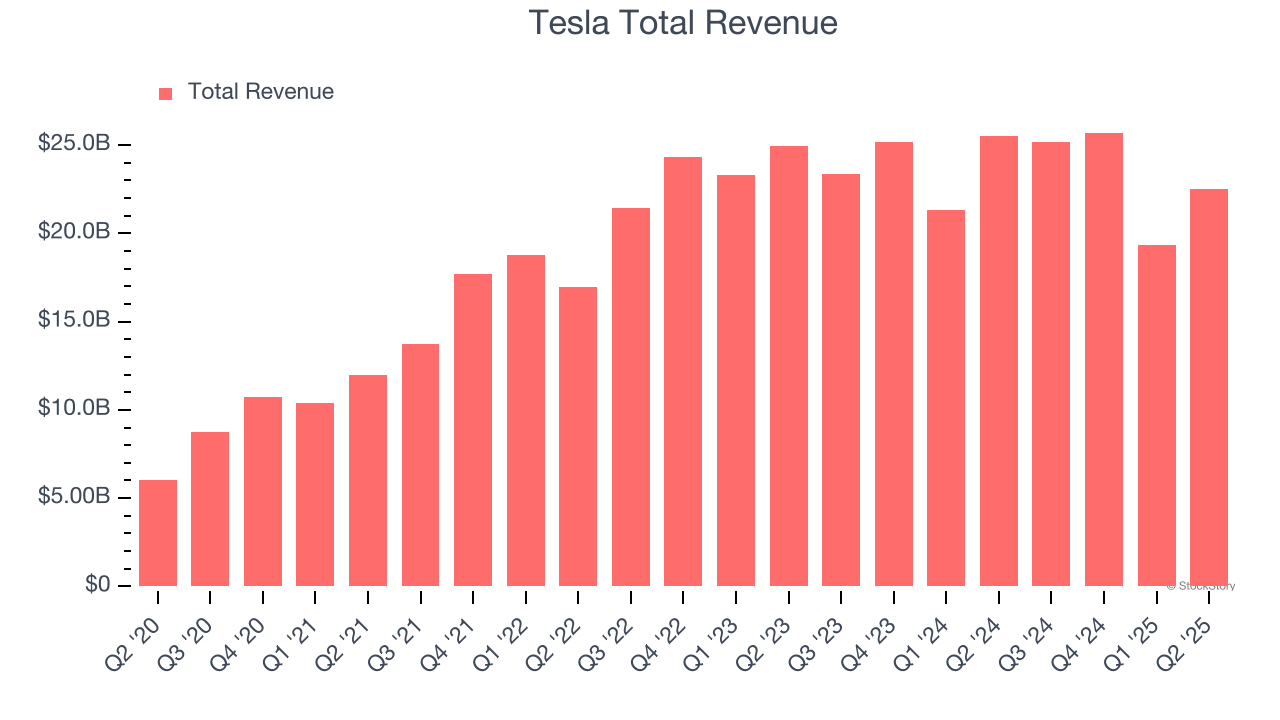
Tesla typically reports its quarterly financial results during the month following the close of each fiscal quarter. This means investors should mark their calendars for late January (Q4 results), late April (Q1 results), late July (Q2 results), and late October (Q3 results). However, the specific date is usually announced by Tesla’s investor relations department only a few weeks in advance.
The cycle actually begins before the formal earnings call. Tesla distinguishes itself by releasing its quarterly production and delivery numbers within the first few days of a new quarter. This “delivery beat” or “miss” often sets the stage for the stock’s performance in the weeks leading up to the official earnings report. While the delivery numbers provide a glimpse into top-line demand, the earnings report provides the necessary context regarding profitability, margins, and operational efficiency.
Historical Patterns and Timing
Historically, Tesla holds its earnings calls on Wednesdays or Thursdays after the market closes. The release of the “Shareholder Deck”—a comprehensive PDF detailing the quarter’s financials—usually occurs around 4:05 PM ET, followed by a live Q&A session with management at 5:30 PM ET. For the active investor, these 85 minutes between the document release and the call are some of the most volatile periods for the stock, as algorithms and high-frequency traders digest the raw data before human analysts have a chance to hear the management’s commentary.
Where to Find Official Updates
To stay ahead of the curve, investors should monitor the Tesla Investor Relations website. This is the primary source for press releases regarding earnings dates. Additionally, financial news aggregators and brokerage platforms provide “estimated” dates based on previous years, but these should always be verified against official company communications to avoid trading on inaccurate timelines.
Why Tesla Earnings Move the Entire Market
Tesla is a heavyweight in major indices, including the S&P 500 and the Nasdaq-100. Because of its massive market capitalization and its high beta (a measure of volatility relative to the market), a significant swing in Tesla’s stock price can pull the broader indices up or down.
The Sentiment Driver for the EV Sector
When Tesla reports, it doesn’t just affect its own shareholders. Its performance serves as a proxy for the entire Electric Vehicle (EV) industry. If Tesla reports thinning margins due to price cuts, competitors like Rivian, Lucid, and even legacy automakers like Ford and GM often see their stock prices fluctuate in sympathy. Investors use Tesla’s data to gauge the health of the global EV supply chain, from lithium mining to battery manufacturing and semiconductor demand.
Retail vs. Institutional Influence
Tesla boasts one of the highest levels of retail investor participation in the world. This creates a unique dynamic during earnings season. Unlike traditional blue-chip stocks where institutional sentiment dominates, Tesla’s price action is often driven by a mix of long-term “true believers” and short-term speculators. The earnings call frequently includes questions submitted by retail shareholders through platforms like Say Technologies, allowing for a more democratized—and sometimes more volatile—exchange of information than the standard analyst-only Q&A.
Key Financial Metrics to Watch
To truly understand a Tesla earnings report, an investor must look beyond the “headine” numbers of revenue and Earnings Per Share (EPS). The complexity of Tesla’s business model requires a deep dive into specific line items that dictate the company’s long-term valuation.
Automotive Gross Margins
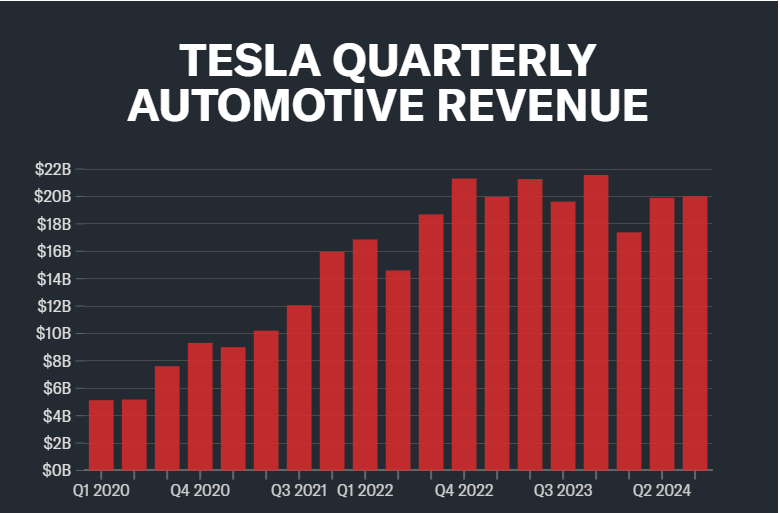
For years, the “holy grail” metric for Tesla has been its automotive gross margin (excluding regulatory credits). This figure represents the profitability of each vehicle sold. As Tesla has engaged in various pricing strategies to capture market share, analysts have scrutinized these margins to see if the company can maintain its “tech-like” profitability while operating in the capital-intensive automotive industry. A contraction in margins often signals a “price war” environment, whereas an expansion suggests that Tesla’s manufacturing innovations, such as “Giga Press” castings, are successfully driving down costs.
Regulatory Credits
Tesla earns regulatory credits by producing zero-emission vehicles and sells these credits to other automakers who fail to meet environmental standards. While this is “pure profit” for Tesla, savvy investors often strip these credits out of the calculation to see how the core business is performing. Relying too heavily on credit sales can mask underlying operational weaknesses, so a healthy report usually shows strong profitability even without the boost from these regulatory incentives.
Free Cash Flow and Capital Expenditure
Tesla is a growth company that requires immense amounts of capital to build new factories (Gigafactories) and develop new technologies like the Optimus robot and Robotaxi. Monitoring the Free Cash Flow (FCF) is vital to ensure that the company can fund its ambitious projects without needing to dilute shareholders through new stock offerings. High capital expenditure (CapEx) is expected, but it must be balanced by strong operating cash flow.
The Growth of Energy and Services
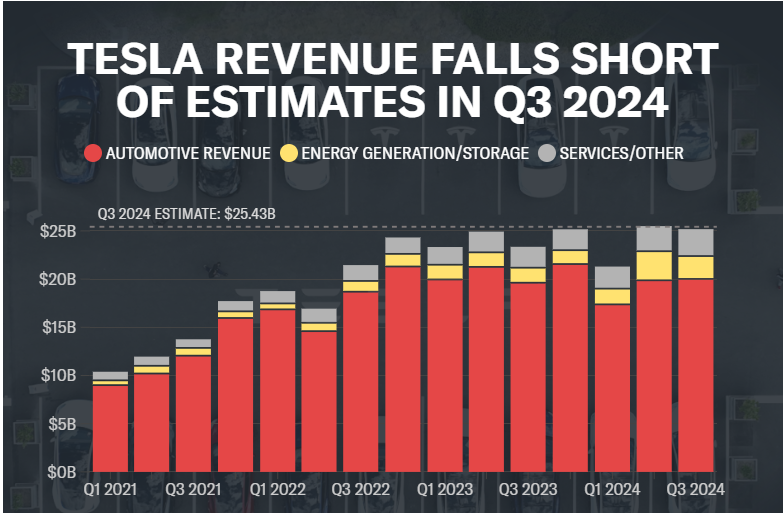
While vehicles are the primary revenue driver, the “Tesla Energy” (Solar and Powerwall) and “Services” (Supercharging, software, and repairs) segments are becoming increasingly important. High-margin revenue from Full Self-Driving (FSD) software subscriptions and the expansion of the Supercharger network to non-Tesla vehicles represent significant future revenue streams that investors are beginning to price into the stock’s valuation.
Strategies for Navigating Earnings Volatility
Trading around an earnings announcement is notoriously risky, but for the disciplined investor, it offers opportunities to manage risk or capitalize on mispriced assets.
Managing the “IV Crush”
Implied Volatility (IV) typically spikes leading up to Tesla’s earnings as the market anticipates a big move. This makes options contracts—both puts and calls—very expensive. Immediately after the earnings are released, the uncertainty is resolved, and IV “crushes” or drops significantly. Traders who buy options just before earnings often find that even if they get the direction of the move right, they still lose money because the value of the option contract deflates as the volatility premium vanishes. Professional traders often use “spread” strategies to mitigate this risk.
“Buy the Rumor, Sell the News”
Tesla often experiences a run-up in stock price leading into earnings if the delivery numbers were strong. This creates a “buy the rumor” scenario. However, even if the earnings are positive, the stock may drop following the report as investors “sell the news” to lock in profits. Long-term investors generally ignore these short-term fluctuations, focusing instead on the company’s trajectory over the next three to five years.
Dollar-Cost Averaging (DCA) Around Earnings
For those who find the volatility of earnings season too stressful, a Dollar-Cost Averaging strategy can be effective. By investing a fixed amount of money at regular intervals regardless of the earnings outcome, an investor can smooth out the purchase price over time. This removes the psychological pressure of trying to “time” the perfect entry point before or after a major financial report.
Beyond the Numbers: The Qualitative Value of the Earnings Call
The numbers on the balance sheet tell you where Tesla has been, but the earnings call tells you where it is going. Elon Musk’s participation in these calls is often a wild card that can sway the stock price as much as the financial data itself.
The Pivot to AI and Robotics
In recent quarters, the narrative surrounding Tesla has shifted from being a “car company” to being an “AI and Robotics company.” During the earnings call, management provides updates on the progress of the Dojo supercomputer, the development of the Optimus humanoid robot, and the timeline for the highly anticipated Robotaxi. Investors look for “milestone” updates—specific dates or technical breakthroughs that validate the company’s high valuation multiples compared to traditional automakers.
Future Guidance and Production Targets
Perhaps the most critical part of any Tesla earnings cycle is the forward-looking guidance. Tesla traditionally aims for a multi-year average annual growth rate of 50% in vehicle deliveries. Any deviation from this target, or a change in the language regarding future production volumes, can lead to immediate re-ratings of the stock. Investors listen closely for updates on the “next-generation platform”—a lower-cost vehicle intended to reach the mass market—as this is seen as the key to the next phase of Tesla’s global expansion.
Addressing the Macroeconomic Environment
Finally, the earnings call provides a platform for management to discuss how broader economic factors—such as interest rates, inflation, and global logistics—are impacting the business. High interest rates make car loans more expensive, which can dampen demand. Tesla’s ability to navigate these headwinds while continuing to invest in R&D is a testament to its operational resilience, and the earnings call is where the strategy for overcoming these obstacles is laid out for the public.
In conclusion, “when are Tesla earnings” is not just a question of a date on a calendar; it is the starting point for a comprehensive analysis of one of the most influential companies in the modern economy. By understanding the timing, the key metrics, and the strategic narrative, investors can move beyond the “hype” and make informed decisions based on the financial reality of Tesla’s business. Whether you are a day trader looking for volatility or a long-term investor building a retirement fund, the Tesla earnings report remains an essential piece of the financial puzzle.
aViewFromTheCave is a participant in the Amazon Services LLC Associates Program, an affiliate advertising program designed to provide a means for sites to earn advertising fees by advertising and linking to Amazon.com. Amazon, the Amazon logo, AmazonSupply, and the AmazonSupply logo are trademarks of Amazon.com, Inc. or its affiliates. As an Amazon Associate we earn affiliate commissions from qualifying purchases.