
The evolution of the global financial landscape has been punctuated by the rise of digital assets. Once a niche interest for cryptographers and tech enthusiasts, cryptocurrency has matured into a legitimate asset class sought after by institutional investors, hedge funds, and retail participants alike. However, for those standing on the sidelines, the primary question remains: “Where is the best place to buy crypto?”
This decision is not merely about finding a platform that accepts your currency; it is a strategic financial choice that impacts your transaction costs, the security of your capital, and the breadth of your investment portfolio. In the context of personal finance and wealth management, selecting the right gateway into the crypto market is the first step toward building a resilient digital estate.

Choosing the Right Platform: Centralized vs. Decentralized Exchanges
When determining where to buy crypto, the most significant fork in the road is the choice between Centralized Exchanges (CEXs) and Decentralized Exchanges (DEXs). From a financial management perspective, this choice dictates how much control you have over your assets and the level of regulatory protection you receive.
The Security and Ease of Centralized Exchanges (CEXs)
For the majority of investors, Centralized Exchanges like Coinbase, Kraken, and Binance serve as the primary entry point. These platforms function similarly to traditional stock brokerages. They provide a user-friendly interface, robust customer support, and, most importantly, “fiat on-ramps”—the ability to trade your dollars, euros, or pounds directly for digital assets.
From a money management standpoint, CEXs offer the advantage of high liquidity. This means you can execute large trades without significantly moving the market price (slippage). Furthermore, many top-tier CEXs provide insurance on fiat balances and utilize sophisticated institutional-grade security to protect your holdings. For an investor focused on ease of use and regulatory compliance (KYC/AML), a centralized exchange is often the most logical starting point.
Exploring the Autonomy of Decentralized Exchanges (DEXs)
Decentralized Exchanges, such as Uniswap or PancakeSwap, represent the peer-to-peer ethos of the blockchain. Unlike CEXs, these platforms do not have a central authority holding your funds. Instead, trades are executed via smart contracts directly from your private wallet.
For the sophisticated investor, DEXs offer access to a much wider variety of “altcoins” or early-stage projects that are not yet listed on major exchanges. This can lead to higher potential returns, albeit with significantly higher risk. However, DEXs require a higher level of financial literacy; you are responsible for your own private keys, and there is no “forgot password” button. If financial sovereignty and privacy are your priorities, the DEX route is the ultimate destination.
Key Financial Considerations: Fees, Liquidity, and Asset Selection
In personal finance, every percentage point counts. When deciding where to buy crypto, you must conduct a cost-benefit analysis of the platform’s fee structure and its impact on your long-term ROI.
Understanding Trading Fees and Hidden Costs
The cost of buying crypto is rarely just the price of the coin. Platforms generate revenue through various fee structures, including maker/taker fees, spread markups, and withdrawal fees.
- Trading Fees: Most exchanges charge a percentage of the transaction. High-volume traders often seek out platforms with “tiered” fee structures, where the more you trade, the less you pay per transaction.
- The Spread: Some “easy-buy” apps claim to have zero fees but instead charge a “spread”—the difference between the buy and sell price. This can often be more expensive than a transparent trading fee.
- Network (Gas) Fees: If you are buying on a DEX, you must pay “gas” to the network miners or validators. During times of high congestion, these fees can be prohibitively expensive for small-scale investors.
To maximize your investment capital, it is essential to choose a platform that aligns with your trading frequency. A buy-and-hold “HODLer” might prioritize low withdrawal fees to move assets to cold storage, while a day trader will prioritize low maker/taker fees.
Assessing Liquidity for Large-Scale Transactions
Liquidity refers to how easily an asset can be converted into cash (or another asset) without affecting its market price. For an investor looking to move significant capital into Bitcoin or Ethereum, liquidity is paramount.
A platform with low liquidity might show a Bitcoin price of $50,000, but if you try to buy $100,000 worth, the lack of available sellers at that price might force you to pay an average of $50,500. This 1% slippage is an immediate loss on your investment. Top-tier global exchanges generally offer the deepest liquidity pools, ensuring that your entry and exit points are as efficient as possible.
Essential Tools for the Modern Crypto Investor
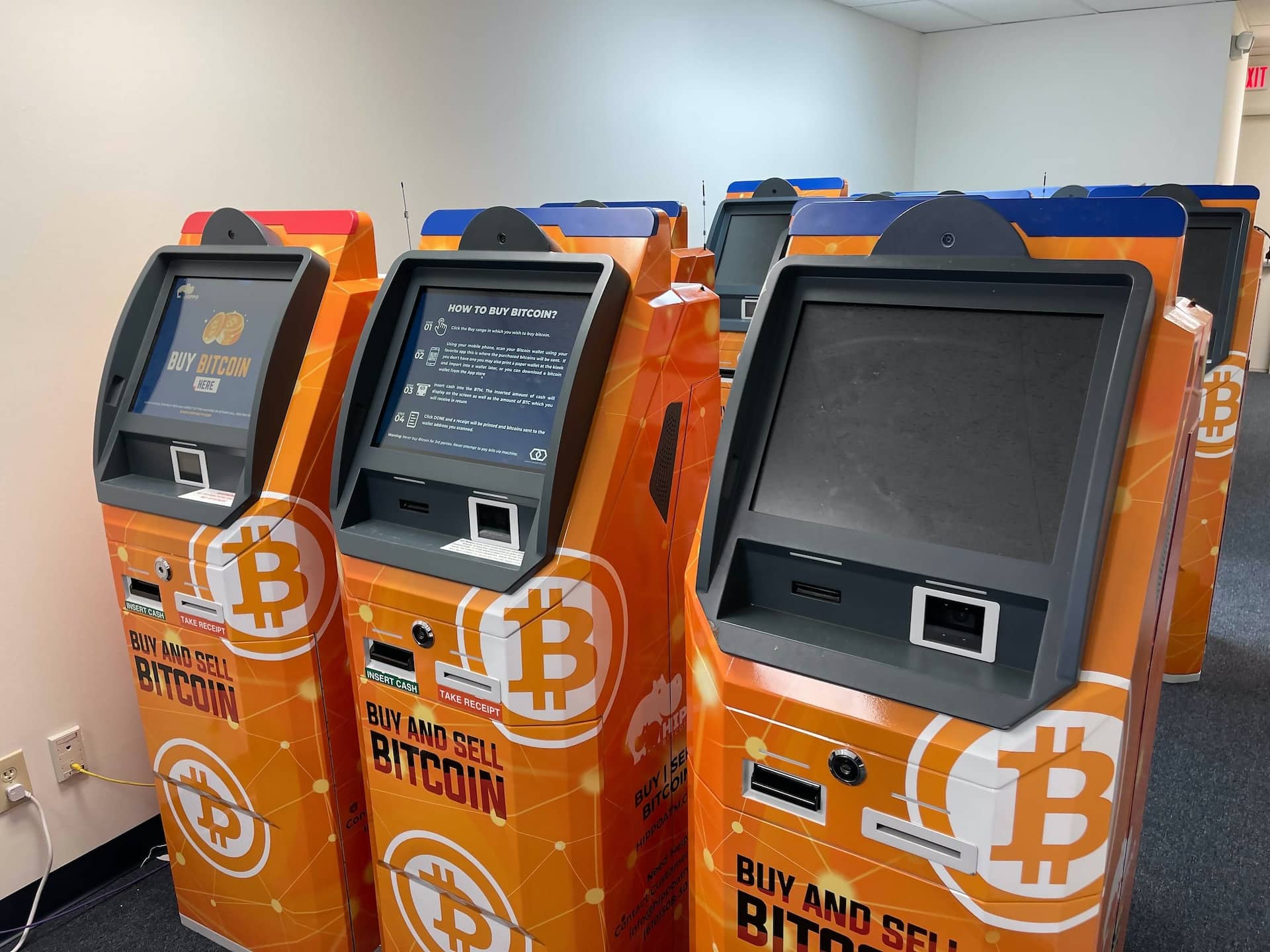
Buying the asset is only half the journey. Managing that asset as part of a broader financial portfolio requires specific tools to ensure security and tax compliance.
Hardware vs. Software Wallets: Securing Your Assets
The adage “not your keys, not your coins” is a cornerstone of crypto finance. When you keep your crypto on an exchange, the exchange technically controls the private keys. For long-term wealth preservation, moving your assets to a private wallet is highly recommended.
- Software (Hot) Wallets: These are apps on your phone or computer. they are convenient for frequent trading but remain connected to the internet, making them slightly more vulnerable to hacks.
- Hardware (Cold) Wallets: These are physical devices (like Ledger or Trezor) that store your keys offline. For any significant portion of your net worth, cold storage is the gold standard for security. It treats your crypto like gold in a physical vault, shielded from the digital vulnerabilities of the internet.
Portfolio Tracking and Tax Management Tools
Crypto markets operate 24/7, and the volatility can make it difficult to track your total net worth. Furthermore, in many jurisdictions, every crypto-to-crypto trade is a taxable event.
Utilizing financial tools like CoinStats or Delta allows you to aggregate all your holdings across various exchanges and wallets into a single dashboard. Additionally, tax software such as Koinly or CoinLedger can sync with your exchange accounts to automatically calculate your capital gains and losses, ensuring that you remain compliant with local tax laws and avoid costly penalties from revenue services.
Strategic Entry Points: How to Buy Your First Digital Asset
Knowing where to buy crypto is a logistical hurdle; knowing how to buy it is a strategic one. To build sustainable wealth, one must move away from emotional “FOMO” (Fear Of Missing Out) and toward disciplined investment strategies.
Dollar-Cost Averaging (DCA) Strategies
The volatility of cryptocurrency can be daunting. A common mistake for new investors is “lump-summing”—putting all their available capital into the market at once, often at the peak of a cycle.
A more professional financial approach is Dollar-Cost Averaging (DCA). This involves investing a fixed amount of money at regular intervals (e.g., $200 every month), regardless of the price. Over time, this strategy smooths out the volatility, allowing you to buy more units when prices are low and fewer when prices are high. Most major exchanges now offer automated DCA tools, allowing you to set your investment on autopilot.
Risk Management and Diversification
In the world of money, diversification is the only “free lunch.” While Bitcoin is often viewed as “digital gold,” a balanced crypto portfolio might include a mix of “Large Caps” (Bitcoin, Ethereum), “Mid Caps” (Solana, Polkadot), and perhaps a very small percentage in “Speculative Assets.”
However, it is vital to remember that crypto should be a part of your portfolio, not the entirety of it. Financial advisors often suggest a 1% to 10% allocation to digital assets, depending on an individual’s risk tolerance. By treating crypto as a high-growth component of a diversified portfolio—alongside stocks, bonds, and real estate—you protect yourself from the total loss of capital while maintaining exposure to the upside.
The Future of Crypto in Personal Finance
The infrastructure for buying crypto is becoming increasingly integrated with traditional financial systems. We are moving toward a world where the distinction between a “bank account” and a “crypto wallet” begins to blur.
Integration with Traditional Banking
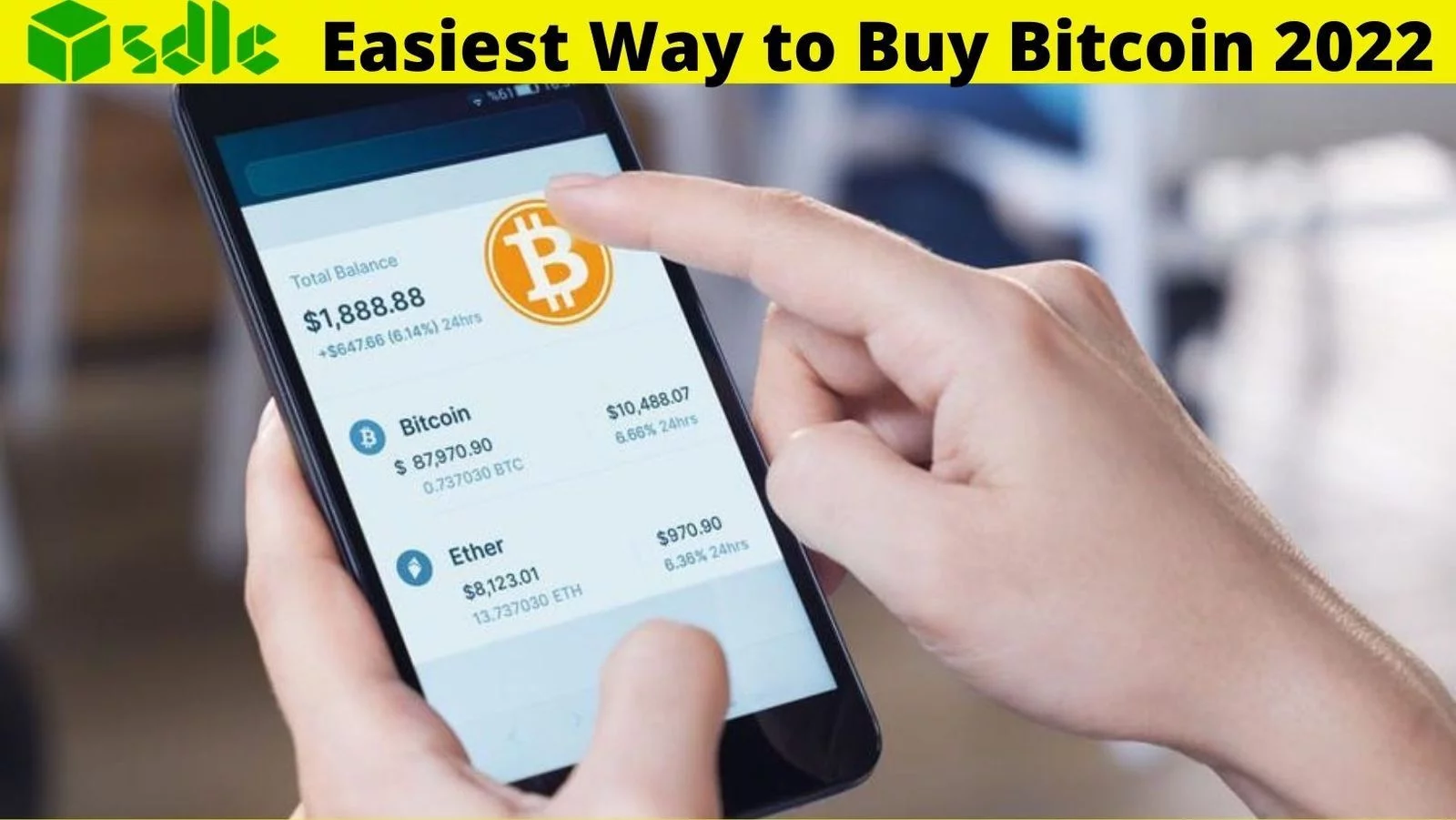
Many neo-banks (such as Revolut or SoFi) and traditional payment processors (like PayPal and Venmo) now offer the ability to buy and hold crypto directly within their apps. This represents a massive shift in how we view money. While these platforms often have higher fees and may not allow you to move your coins to a private wallet, they provide an unprecedented level of accessibility for the average person to start building a digital position.
Long-term Wealth Building via Staking and Yields
The financial utility of crypto has expanded beyond simple price appreciation. Through “Staking” (for Proof-of-Stake networks like Ethereum), investors can earn a form of “digital interest” on their holdings.
By locking up your assets to help secure the network, you receive rewards in the form of additional coins. This creates a passive income stream similar to dividend-paying stocks or rental income. When selecting where to buy crypto, many investors now look for platforms that offer “Staking-as-a-Service,” allowing them to earn yield on their assets immediately after purchase, further compounding their wealth over time.
In conclusion, the question of where to buy crypto is the gateway to a broader conversation about financial empowerment in the digital age. By selecting reputable platforms, understanding the fee structures, securing your assets with the right tools, and employing disciplined investment strategies, you can navigate this volatile market and position yourself for long-term financial success.
aViewFromTheCave is a participant in the Amazon Services LLC Associates Program, an affiliate advertising program designed to provide a means for sites to earn advertising fees by advertising and linking to Amazon.com. Amazon, the Amazon logo, AmazonSupply, and the AmazonSupply logo are trademarks of Amazon.com, Inc. or its affiliates. As an Amazon Associate we earn affiliate commissions from qualifying purchases.