
In an increasingly digitized world, the traditional paper trail of invoices, statements, and payment reminders is rapidly being supplanted by a more efficient, secure, and environmentally conscious alternative: ebills. An ebill, short for electronic bill, represents a paradigm shift in how individuals and businesses manage their financial obligations and receive important financial communications. Far more than just an email notification, ebills integrate seamlessly into a broader ecosystem of digital financial management, offering profound benefits in terms of cost savings, organizational efficiency, and enhanced security. For anyone seeking to optimize their personal finances or streamline business operations, understanding and embracing ebills is not merely a convenience but a strategic imperative in the modern financial landscape. This article delves into the multifaceted world of ebills, exploring their functionality, financial advantages, security considerations, and their pivotal role in contemporary financial management.
Understanding the Core of Electronic Billing
At its heart, an ebill is an invoice or statement delivered electronically rather than through physical mail. This simple definition, however, barely scratches the surface of the sophisticated processes and significant advantages that ebills bring to financial management. They are designed to simplify the entire billing cycle, from issuance to payment, for both the biller and the recipient.
Defining Ebills: More Than Just an Email
While an email might notify you that a new bill is available, the ebill itself is the actual digital document, often accessible through a secure online portal provided by the service provider, a financial institution’s online banking platform, or a dedicated third-party payment service. These platforms allow users to view their detailed statements, track usage, review charges, and make payments directly. Unlike simple PDF attachments, true ebills are often interactive, allowing for sorting, searching, and direct integration with financial software. This digital format eliminates the delays associated with postal services, reduces the risk of lost mail, and provides instant access to financial information from anywhere with an internet connection. For personal finance, this means never missing a due date or losing track of a statement again. For businesses, it translates into faster invoice delivery and improved cash flow management.
The Digital Transformation of Financial Statements
The evolution from paper to digital financial statements is a critical component of the broader digital transformation impacting financial services. This shift encompasses everything from bank statements and credit card bills to utility charges and mortgage statements. Companies across various sectors are incentivizing customers to opt for ebills, not only for environmental reasons but primarily due to the significant operational efficiencies and cost reductions they achieve. For consumers, this transformation empowers them with greater control over their financial data, providing tools for budgeting, expenditure tracking, and historical record-keeping that are cumbersome with physical documents. The instant availability of current and past statements through secure online dashboards facilitates quicker financial reviews, reconciliation processes, and proactive financial planning, moving financial management from reactive to strategic.
The Tangible Financial Benefits of Embracing Ebills
The allure of ebills extends far beyond mere convenience; they offer a wealth of tangible financial benefits for both individuals and organizations. These advantages contribute directly to improved financial health, operational efficiency, and a more sustainable approach to resource management.
Streamlining Personal Finance: Savings and Efficiency
For individuals, the adoption of ebills translates into immediate and long-term financial gains. Firstly, it eliminates the costs associated with postage, checks, and late fees due to lost or forgotten paper bills. Setting up automated payments directly from ebill platforms ensures that bills are paid on time, preserving credit scores and avoiding unnecessary penalties. Beyond direct cost savings, ebills significantly boost efficiency in managing personal finances. All statements are centralized in a digital format, making it easier to track expenses, categorize spending, and reconcile accounts. This digital organization is invaluable for creating and sticking to budgets, identifying areas for cost reduction, and preparing for tax season without sifting through stacks of paper. The ability to access financial data instantly from a smartphone or computer empowers individuals to maintain a clearer, more current financial picture, leading to better decision-making and reduced financial stress.
Optimizing Business Operations: Cost Reduction and Cash Flow
Businesses, particularly those with a high volume of transactions, experience even more profound financial benefits from ebills. The operational costs associated with printing, mailing, and processing paper invoices are substantial. Switching to ebills drastically cuts down on expenses related to paper, envelopes, ink, postage, and manual labor for stuffing and sending mail. This reduction in overhead directly impacts the bottom line. More critically, ebills significantly accelerate the billing cycle. Digital delivery means invoices reach customers instantly, and integrated payment options facilitate quicker settlement. This improved efficiency in accounts receivable leads to faster cash flow, which is vital for business liquidity, investment opportunities, and overall financial stability. Furthermore, ebills reduce errors associated with manual data entry and processing, minimizing costly disputes and reconciliation efforts, thereby freeing up valuable staff time for more strategic financial tasks.
Environmental and Organizational Dividends
While the primary focus of the “Money” category is financial gain, the environmental benefits of ebills also yield indirect organizational dividends. Reducing paper consumption aligns with corporate social responsibility (CSR) initiatives, enhancing a company’s public image and potentially attracting environmentally conscious customers. For individuals, contributing to less paper waste is a positive act. Organizationally, the digital nature of ebills provides unparalleled advantages. Digital records are easier to archive, retrieve, and audit. They free up physical storage space, reducing the need for filing cabinets and offsite storage facilities. The ability to search and access historical data instantly improves compliance efforts, streamlines audit processes, and enhances data analytics capabilities, providing deeper insights into financial patterns and customer behavior. This organizational efficiency directly supports a lean and modern financial management infrastructure.
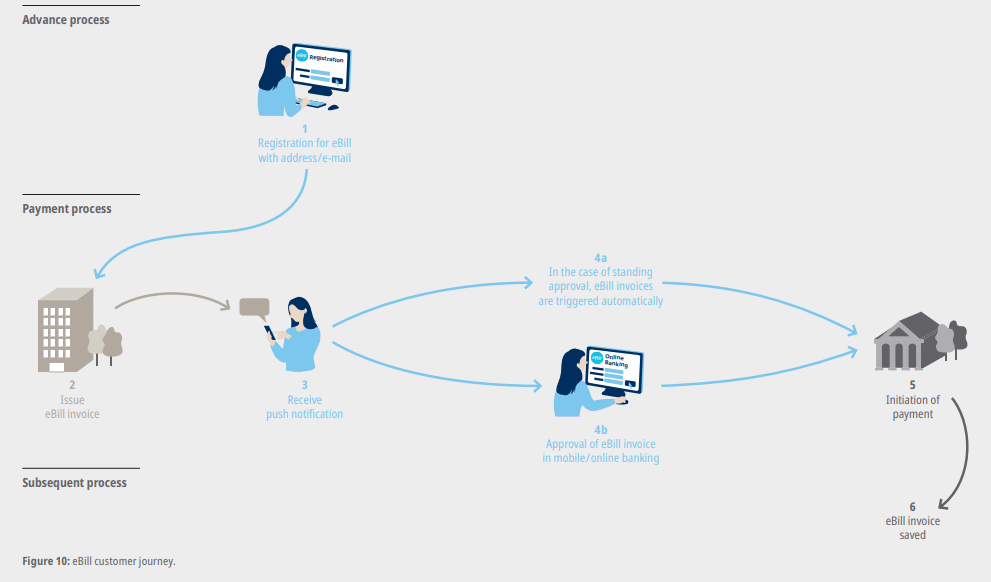
How Ebills Function: A Journey from Invoice to Payment
Understanding the mechanics of how ebills operate demystifies the process and highlights their inherent efficiencies. The journey from an issued invoice to a settled payment involves a well-orchestrated digital workflow designed for speed, accuracy, and convenience.
The Ecosystem of Digital Bill Delivery
The process typically begins with a service provider (e.g., utility company, credit card issuer, telecom provider) generating an invoice in a digital format. Instead of printing and mailing, this digital invoice is then routed through one of several delivery channels. The most common method involves direct access through the biller’s own secure customer portal, where users log in to view their current and past statements. Another popular channel is via financial institution bill pay services; here, banks integrate with various billers, allowing customers to receive and pay all their ebills directly through their online banking platform. Third-party aggregators and payment apps also exist, consolidating multiple bills into a single interface. Regardless of the specific channel, the core principle is the electronic transfer and presentation of billing information, secured by encryption and authentication protocols, ensuring that only the authorized recipient can access their sensitive financial data.

Diverse Payment Avenues for Enhanced Flexibility
Once an ebill is received and reviewed, the payment options are typically manifold, offering immense flexibility. Users can often make one-time payments directly from the biller’s portal using a linked bank account or credit card. Many ebill platforms also support scheduled payments, allowing users to set up payments for a future date, ensuring bills are paid on time without immediate action. Perhaps the most significant advantage for financial planning is the option for automatic payments. After initial setup, the bill amount is automatically debited from a designated account on the due date, eliminating the risk of late payments and the associated fees. This automation is a cornerstone of proactive personal and business financial management, freeing up mental bandwidth and reducing the administrative burden of tracking multiple due dates. The integration of these payment functionalities directly within the ebill viewing platform significantly streamlines the entire payment process, from review to settlement.
Ensuring Accuracy and Timeliness
The digital nature of ebills inherently contributes to greater accuracy and timeliness compared to traditional paper billing. Automated systems generate invoices, reducing the chance of human error in calculations or data entry. The instant digital delivery bypasses postal delays, ensuring that customers receive their bills well in advance of the due date, providing ample time for review and payment. For businesses, this means fewer disputes arising from delayed or lost invoices, and a clearer audit trail of when an invoice was delivered and viewed. Moreover, many ebill systems offer real-time updates and notifications, alerting users to new bills, upcoming due dates, and payment confirmations. This proactive communication empowers both consumers and businesses to maintain tighter control over their financial obligations, ensuring bills are consistently accurate and settled within their terms, which is crucial for maintaining good financial standing and vendor relationships.
Securing Your Digital Financial Transactions
The transition to digital billing naturally raises questions about security and privacy. However, ebills are typically built upon robust security frameworks designed to protect sensitive financial information, often exceeding the security measures inherent in traditional paper-based systems.
Robust Security Protocols: Protecting Sensitive Data
Financial institutions and billers employ advanced security protocols to safeguard ebill data. This includes end-to-end encryption, which scrambles data during transmission, making it unreadable to unauthorized parties. Multi-factor authentication (MFA) is commonly used to verify user identity, requiring more than just a password to access accounts. Secure Socket Layer (SSL) or Transport Layer Security (TLS) certificates protect data exchanged between your browser and the ebill platform. Furthermore, data centers hosting ebill information are typically protected by stringent physical and cyber security measures, including firewalls, intrusion detection systems, and regular security audits. For personal and business finance, this means that your billing information, payment details, and financial history are often better protected than if they were mailed in a standard envelope or stored in a physical filing cabinet susceptible to theft or damage.
Mitigating Risks: Common Scams and Best Practices
Despite the inherent security, users must also practice due diligence to mitigate risks associated with digital financial transactions. Phishing scams, where fraudsters attempt to trick users into revealing login credentials or payment information through fake emails or websites, are a primary concern. It is crucial to always verify the sender of financial communications and only access ebill platforms directly through trusted bookmarks or official websites, never through suspicious links. Regular monitoring of bank and credit card statements can help detect unauthorized activity quickly. Strong, unique passwords and enabling MFA whenever available are non-negotiable best practices. For businesses, educating employees on cybersecurity awareness and implementing strict internal protocols for handling financial data are essential. By combining the robust security provided by ebill platforms with vigilant user practices, the risks can be effectively managed.
The Role of Financial Institutions and Technology
Financial institutions play a critical role in enhancing the security and trustworthiness of the ebill ecosystem. Many banks and credit unions offer their own bill pay services, acting as a secure intermediary between customers and various billers. These platforms leverage the institution’s existing security infrastructure, providing an additional layer of trust and convenience. Moreover, advancements in financial technology (fintech), such as biometric authentication and AI-powered fraud detection, are continually being integrated into ebill systems. These technologies provide increasingly sophisticated ways to verify identity, monitor for suspicious patterns, and protect against emerging threats. The collaborative effort between billers, financial institutions, and fintech innovators continuously strengthens the security posture of ebills, making them a reliable and safe component of modern financial management.
Strategic Integration and the Future of Financial Management
Ebills are not isolated digital documents; they are integral components of a wider financial technology landscape. Their strategic integration into personal and business finance systems is reshaping how we plan, manage, and interact with our money.
Transitioning Seamlessly to Digital Billing
For those accustomed to paper bills, the transition to ebills is straightforward and typically involves a few simple steps. Most billers provide clear options on their websites or within customer service interactions to switch to paperless billing. This usually involves logging into your account, navigating to billing preferences, and selecting the ebill option. Many financial institutions also offer services to help consolidate and manage multiple ebills from various providers through a single online banking portal. The key is to systematically identify all recurring bills – utilities, credit cards, insurance, loans – and enroll each one for electronic delivery. Setting up notifications for new bills and payment reminders is crucial during this transition to ensure no due dates are missed. Once implemented, this digital shift simplifies bill management, reduces clutter, and provides a unified view of financial obligations, paving the way for more strategic financial planning.
Ebills as a Cornerstone of Modern Financial Planning
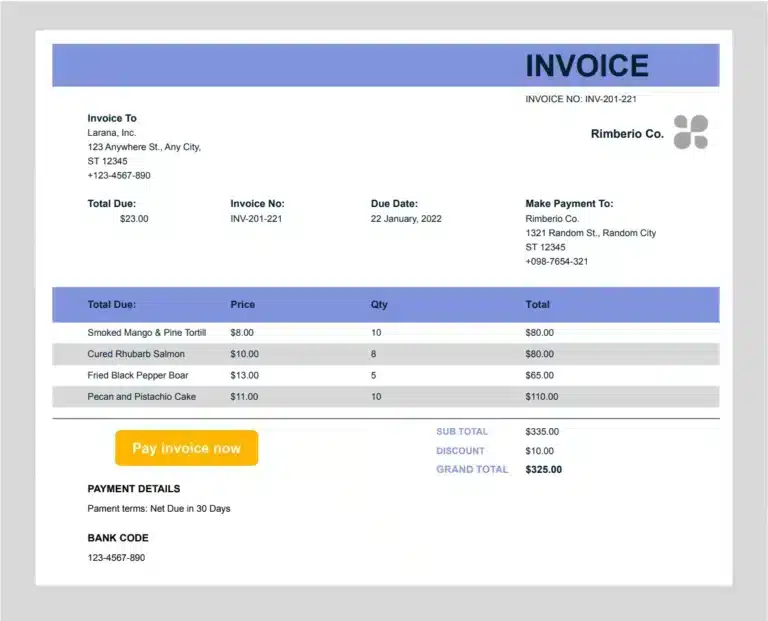
In the realm of modern financial planning, ebills are no longer just about paying bills; they are foundational data points. Their digital format makes them perfectly suited for integration with personal finance management (PFM) software and budgeting apps. By connecting these platforms to ebill accounts or automatically importing ebill data, users can gain real-time insights into their spending patterns, track recurring expenses with precision, and forecast future cash flow. This level of granular detail and automation is critical for effective budgeting, saving for specific goals, and making informed investment decisions. For businesses, ebills feed directly into accounting software, streamlining reconciliation, improving expense tracking, and enhancing financial reporting. This seamless flow of accurate, timely data transforms financial management from a retrospective chore into a proactive, data-driven strategy, enabling individuals and businesses to optimize their financial health and achieve their objectives more effectively.
The Horizon of Integrated Financial Tools
The future of ebills lies in their deeper integration within an increasingly interconnected financial ecosystem. We can anticipate more sophisticated aggregation services that not only present bills but also analyze spending across all categories, offer personalized financial advice, and even suggest optimized payment strategies. Integration with AI-powered financial assistants could automate bill classification, flag unusual charges, and even negotiate better rates on recurring services. Blockchain technology may also play a role in enhancing the security and transparency of ebill transactions. As open banking initiatives gain traction, ebills will become even more central to consolidated financial dashboards, providing a holistic view of an individual’s or business’s entire financial life, from assets and investments to liabilities and expenses. This horizon promises an era where financial management is not just simplified but intelligently automated, empowering users with unprecedented control and insight into their financial future.
In conclusion, ebills represent a significant leap forward in financial management, offering unparalleled benefits in terms of efficiency, cost savings, and environmental responsibility. While leveraging robust security measures, their adoption requires a mindful approach to digital hygiene. As an essential financial tool, ebills are reshaping personal and business finance, providing a streamlined, secure, and data-rich foundation for a more intelligent and proactive approach to managing money in the digital age. Embracing ebills is not just about convenience; it’s about strategically positioning oneself for financial success in a rapidly evolving digital economy.
aViewFromTheCave is a participant in the Amazon Services LLC Associates Program, an affiliate advertising program designed to provide a means for sites to earn advertising fees by advertising and linking to Amazon.com. Amazon, the Amazon logo, AmazonSupply, and the AmazonSupply logo are trademarks of Amazon.com, Inc. or its affiliates. As an Amazon Associate we earn affiliate commissions from qualifying purchases.