
In the evolving landscape of digital finance, platforms like PayPal have become indispensable for transactions ranging from personal transfers to robust business payments. However, a common query arises for many users, particularly those new to online income or international transfers: how to accept money on PayPal without providing a Social Security Number (SSN). This question delves deep into the intersection of personal finance, regulatory compliance, and the practicalities of utilizing digital financial tools. Understanding the underlying financial regulations, PayPal’s operational policies, and the implications for your online income strategy is crucial for navigating this complex terrain effectively and compliantly. This article aims to demystify the requirements, illuminate the limitations, and guide you through the financially prudent approaches to receiving funds via PayPal.

The Regulatory Framework: Why SSNs Matter for Financial Platforms
The requirement for an SSN on platforms like PayPal isn’t an arbitrary hurdle but a fundamental component of global financial regulatory compliance. These regulations are designed to combat illicit financial activities, ensure tax compliance, and protect consumers. For anyone receiving money, particularly beyond a certain threshold, understanding these obligations is paramount to maintaining a secure and legal financial standing.
KYC and Anti-Money Laundering (AML) Compliance
Know Your Customer (KYC) and Anti-Money Laundering (AML) regulations are international standards that financial institutions and payment processors like PayPal must adhere to. These mandates require platforms to verify the identity of their users. The primary goal is to prevent financial crime, including money laundering, terrorist financing, and fraud. An SSN serves as a critical piece of identifying information for U.S. residents, enabling PayPal to confirm who you are, cross-reference your identity against watchlists, and report suspicious activities to relevant authorities. Without this verification, the platform would be unable to meet its legal obligations, putting both the platform and its users at risk. From a financial perspective, failing to provide such details can lead to account limitations, suspension, or even closure, severely impacting your ability to receive or send money.
Transaction Limits and Verification Tiers
PayPal, like many other financial services, operates on a tiered verification system. Unverified accounts, or those with minimal identification provided, typically face stringent limitations on the amount of money they can receive, send, or withdraw. These limits are a direct consequence of the lack of comprehensive identity verification. As users provide more information, such as an SSN, date of birth, and address, their accounts move up through verification tiers. Each tier unlocks higher transaction limits, greater withdrawal flexibility, and a wider array of features. For individuals relying on PayPal for significant online income or business transactions, reaching higher verification tiers by providing an SSN is often a necessary step to avoid operational bottlenecks and ensure seamless financial operations. The financial impact of these limits can be substantial, hindering growth for online businesses or individuals earning a living through digital means.
The Role of the SSN in US Tax Reporting (IRS Requirements)
Perhaps one of the most significant reasons an SSN is required for receiving money on PayPal, especially for U.S. persons, is for tax reporting purposes. The Internal Revenue Service (IRS) mandates that third-party payment networks like PayPal report certain payment transactions to help ensure tax compliance. Specifically, if you receive over $20,000 in gross payments and have more than 200 separate transactions in a calendar year (though these thresholds are subject to change, and the American Rescue Plan Act of 2021 lowered it to $600 for goods/services transactions, effective for tax year 2022 and beyond, though this change has been delayed), PayPal is required to send you a Form 1099-K. This form summarizes your gross payment volume and necessitates an SSN or an Individual Taxpayer Identification Number (ITIN) to be issued accurately. From a personal finance perspective, providing your SSN ensures that your income is correctly reported to the IRS, allowing you to fulfill your tax obligations and avoid potential penalties for unreported income. Without an SSN, consistent large-scale income generation through PayPal becomes financially unsustainable and legally problematic in the long run.
Operating a PayPal Account Without an SSN: Capabilities and Limitations
While the emphasis on SSNs for full functionality is clear, it’s important to understand what you can still do with a PayPal account that hasn’t provided an SSN, as well as the inherent limitations. This understanding is vital for managing expectations and planning your financial activities.
Initial Setup and Basic Functionality
It is often possible to set up a basic PayPal account and begin using it for minor transactions without immediately providing an SSN. For instance, you might be able to receive small, infrequent personal payments from friends or family, make online purchases, or send money to others. This initial functionality allows users to dip their toes into the digital payment ecosystem. However, this is largely intended for casual use, not for sustained income generation or significant financial operations. The key differentiator here is the purpose and volume of transactions. Financial literacy dictates that relying on such an unverified account for substantial income is precarious and not a viable long-term strategy.
Receiving Personal Payments vs. Business Payments
PayPal distinguishes between personal payments (e.g., splitting a dinner bill, gifts) and payments for goods and services (e.g., selling items, providing freelance services). Accounts without an SSN typically have more latitude for receiving personal payments, often subject to lower individual transaction limits and cumulative thresholds. However, when you start receiving payments for goods and services – which is how most online income is generated – PayPal’s verification requirements become much stricter. These types of transactions are scrutinized more closely due to their commercial nature and the associated tax implications. Attempting to disguise business income as personal payments is a violation of PayPal’s user agreement and can lead to account suspension, fund holds, and potential legal or tax repercussions. From a financial planning standpoint, accurately categorizing your income is crucial for compliance and avoiding future headaches.
Withdrawal Restrictions and Holding Periods
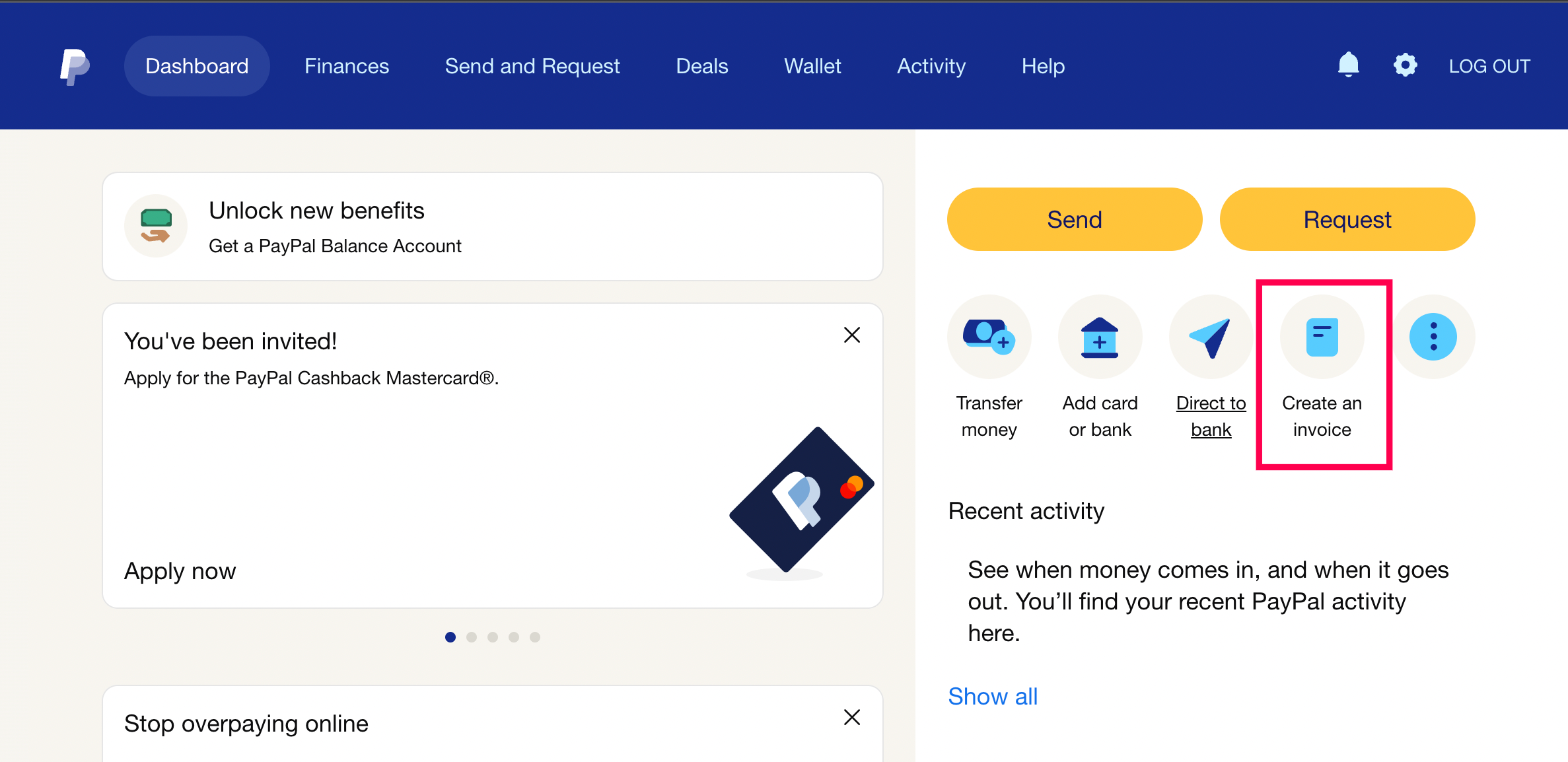
One of the most significant financial limitations for unverified accounts, or those without an SSN, pertains to withdrawing funds. PayPal often imposes daily, weekly, or monthly withdrawal limits, and for unverified accounts, these limits are considerably lower. Furthermore, funds received into an unverified account might be subject to longer holding periods, meaning you cannot immediately access the money. This can severely impact cash flow for individuals or small businesses relying on timely access to their earnings. Imagine completing a freelance project and waiting weeks to access your payment—this scenario underscores the financial inconvenience and potential instability caused by operating with an unverified account. For many, the ability to freely withdraw funds to a linked bank account or debit card is a core functionality that an SSN unlocks.
Strategies for Receiving Funds (Within Legal Boundaries)
Given the regulatory landscape and PayPal’s operational policies, individuals seeking to receive funds without an SSN must approach their financial activities strategically and within legal boundaries. It’s crucial to prioritize compliance to avoid account issues and ensure a smooth financial journey.
Utilizing PayPal for Small, Infrequent Personal Transfers
For individuals primarily using PayPal for occasional, low-value personal transactions – such as receiving money from friends or family for shared expenses, gifts, or minor reimbursements – operating without an SSN might be feasible, at least initially. These transactions typically fall below the thresholds that trigger stringent verification requirements. However, it’s critical to be mindful of cumulative limits. Even personal payments, if they become frequent or exceed a certain aggregate amount over time, will eventually prompt PayPal to request additional verification, including an SSN. From a personal finance perspective, this approach is suitable only for incidental monetary exchanges, not as a sustainable method for managing income or business revenue.
Exploring Alternatives for Regular or Business Income (e.g., Payoneer, Stripe, Wise)
For anyone seeking to generate regular online income or conduct business transactions without providing an SSN to PayPal, the most prudent financial strategy is to explore alternative payment processing platforms. Services like Payoneer, Stripe, and Wise (formerly TransferWise) offer robust solutions for receiving international payments, managing multi-currency accounts, and processing business transactions. While these platforms also have their own KYC and AML requirements, which often include identity verification akin to an SSN for U.S. residents, their specific operational models or target demographics might offer different pathways or cater better to certain international scenarios. It’s crucial to research each platform’s requirements thoroughly based on your specific location and income source. Diversifying your payment methods is a sound financial practice, reducing reliance on a single platform and offering flexibility.
The Importance of Tax Compliance for All Income Streams
Regardless of how or where you receive money, all income is generally taxable. The absence of an SSN on a PayPal account does not exempt you from your tax obligations. Whether you receive money through PayPal, a direct bank transfer, or an alternative platform, it is your responsibility as an individual or business owner to accurately report your income to the relevant tax authorities. Maintaining meticulous financial records, understanding your local tax laws, and consulting with a tax professional are indispensable steps for ensuring compliance. Attempting to circumvent identity verification requirements to avoid tax reporting is a serious offense with significant legal and financial penalties. A responsible approach to personal finance dictates that tax compliance is non-negotiable.
When an SSN Becomes Unavoidable: The Path to Full Account Functionality
For most individuals and businesses in the U.S. that rely on PayPal for any significant or sustained financial activity, providing an SSN (or ITIN) will eventually become a necessity. This step is not a barrier but a gateway to unlocking the platform’s full potential and ensuring regulatory compliance.
Understanding PayPal’s Verification Process
When PayPal requests an SSN, it’s part of a standard identity verification process. This typically involves entering your SSN, date of birth, and address directly into your PayPal profile. In some cases, especially if there are discrepancies or additional security concerns, PayPal might request further documentation, such as a photo ID or proof of address. This process is designed to protect your account, comply with regulations, and prevent fraudulent activity. From a user’s perspective, understanding and cooperating with this process ensures continuity of service and access to your funds. The investment of time to complete verification pays off in terms of financial security and operational freedom.
Why Providing an SSN Unlocks Higher Limits and Features
As discussed, an SSN is the key to elevating your PayPal account from a basic, limited-use profile to a fully functional one. Providing this information typically removes or significantly raises transaction limits for sending, receiving, and withdrawing funds. It also enables access to features like PayPal Debit Card applications, seller protection programs, and more seamless integration with other financial services. For entrepreneurs, freelancers, and online sellers, these enhanced capabilities are not just conveniences; they are essential tools for scaling operations, managing cash flow efficiently, and protecting their financial interests. The monetary value unlocked by full verification far outweighs the initial apprehension some might have about sharing personal information.

Addressing Concerns About Data Security
It is natural to have concerns about sharing sensitive information like an SSN online. However, reputable financial platforms like PayPal invest heavily in robust data security measures. They employ advanced encryption technologies, multi-factor authentication, and sophisticated fraud detection systems to protect user data. While no system is entirely immune to threats, PayPal’s security protocols are designed to meet industry standards and regulatory requirements. Users can further enhance their security by using strong, unique passwords, enabling two-factor authentication, and being vigilant against phishing scams. From a financial security standpoint, understanding and trusting the robust security measures in place is a necessary step for leveraging modern digital payment solutions effectively.
In conclusion, while it might be possible to use PayPal for very limited and infrequent personal transactions without an SSN, any attempt to receive regular income, conduct business, or manage significant funds will inevitably lead to a requirement for this identification. The financial landscape is built on transparency and compliance, and digital payment platforms are integral to this ecosystem. Embracing the necessary verification processes ensures not only adherence to legal and tax obligations but also unlocks the full potential of these financial tools, enabling seamless, secure, and sustainable online financial activities. For anyone serious about personal finance or online income, understanding and complying with these requirements is not just an option but a strategic imperative.
aViewFromTheCave is a participant in the Amazon Services LLC Associates Program, an affiliate advertising program designed to provide a means for sites to earn advertising fees by advertising and linking to Amazon.com. Amazon, the Amazon logo, AmazonSupply, and the AmazonSupply logo are trademarks of Amazon.com, Inc. or its affiliates. As an Amazon Associate we earn affiliate commissions from qualifying purchases.