
The thought of owing money to the Internal Revenue Service (IRS) can trigger anxiety for many individuals and businesses. Tax season often brings with it a mix of anticipation and apprehension, especially if you’re unsure about your tax liability. Understanding whether you owe, and how to determine that status, is crucial for financial well-being and avoiding potential penalties. This comprehensive guide will demystify the process, empowering you with the knowledge and tools to confidently assess your tax situation and navigate your obligations to the IRS.
Understanding Your Potential Tax Liability
Before you can even begin to check if you owe, it’s essential to grasp the fundamental concepts that determine your tax liability. Your income, deductions, credits, and filing status all play a significant role in whether you end up with a refund, a zero balance, or a payment due.

Who Needs to File a Tax Return?
Not everyone is required to file a tax return, but most working Americans are. The IRS sets specific income thresholds based on your filing status (single, married filing jointly, head of household, etc.) and age. If your gross income exceeds these thresholds, you generally must file. Even if your income is below the threshold, you might still want to file if you had taxes withheld or are eligible for refundable tax credits, as this could result in a refund.
For instance, self-employed individuals typically need to file if their net earnings from self-employment are $400 or more. Furthermore, if you received advanced premium tax credits, even with low income, filing is mandatory to reconcile those credits. Ignoring these requirements can lead to penalties and interest accumulating on any unpaid taxes.
Key Factors Influencing Your Tax Bill
Several critical elements interact to determine your final tax obligation:
- Gross Income: This includes all taxable income from wages, salaries, tips, interest, dividends, capital gains, business income, rental income, and more. The higher your gross income, the more likely you’ll have a tax liability.
- Deductions: These reduce your taxable income. You can choose between the standard deduction (a fixed amount based on your filing status) or itemizing deductions (such as mortgage interest, state and local taxes, medical expenses, and charitable contributions). The more deductions you qualify for, the lower your taxable income, and potentially your tax bill.
- Credits: Tax credits are even more powerful than deductions because they directly reduce the amount of tax you owe, dollar for dollar. Examples include the Child Tax Credit, Earned Income Tax Credit, education credits, and credits for dependent care. Some credits are refundable, meaning you can get money back even if you don’t owe any tax.
- Withholding and Estimated Payments: Throughout the year, taxes are typically withheld from your paychecks (for employees) or paid through estimated tax payments (for self-employed individuals or those with significant income not subject to withholding). The goal is to pay in enough throughout the year to cover your total tax liability. If you under-withhold or underpay estimated taxes, you’re more likely to owe at tax time.
- Filing Status: Your filing status—Single, Married Filing Jointly, Married Filing Separately, Head of Household, or Qualifying Widow(er)—significantly impacts your standard deduction amount, tax bracket, and eligibility for certain credits and deductions.
Common Scenarios Leading to Owing Taxes
While tax refunds are often celebrated, owing taxes isn’t necessarily a sign of bad financial management. It often indicates a mismatch between taxes paid throughout the year and your actual tax liability. Common scenarios include:
- Under-withholding: If you didn’t adjust your W-4 form properly (e.g., claiming too many allowances, or not accounting for multiple incomes), insufficient tax might have been withheld from your paychecks.
- Significant Untaxed Income: Income from investments (capital gains), freelance work, gig economy jobs, or rental properties often doesn’t have taxes automatically withheld. If you don’t make estimated tax payments, you’ll likely owe.
- Change in Life Circumstances: A marriage, divorce, new job, starting a business, or selling assets can drastically change your tax picture, potentially leading to a higher liability than anticipated.
- Reduced Deductions or Credits: If you previously qualified for certain deductions or credits that no longer apply, your taxable income might increase.
- Tax Law Changes: Although less common annually, significant changes in tax law can affect how much you owe.
Proactive Steps to Determine Your Tax Situation
The best way to avoid surprises is to proactively assess your tax situation well before the filing deadline. Gathering your documents and utilizing available tools can give you a clear picture of what you might owe.
Reviewing Your Income and Withholding Documents
The foundation of determining your tax liability lies in your financial documents. These forms summarize your income and any taxes already paid:
- Form W-2, Wage and Tax Statement: Employers send this form, detailing your wages, tips, and other compensation, along with federal, state, and local taxes withheld. Review boxes 1 and 2 carefully.
- Form 1099 Series: Various 1099 forms report different types of income not from an employer:
- 1099-MISC (Miscellaneous Income): For independent contractor income, rent, royalties, etc.
- 1099-NEC (Nonemployee Compensation): Specifically for payments to non-employees (freelancers, contractors).
- 1099-INT (Interest Income): From banks and other financial institutions.
- 1099-DIV (Dividends and Distributions): From stocks and mutual funds.
- 1099-B (Proceeds from Broker and Barter Exchange Transactions): For sales of stocks, bonds, or other property.
- 1099-G (Certain Government Payments): For unemployment compensation, state tax refunds, etc.
- 1099-R (Distributions from Pensions, Annuities, Retirement or Profit-Sharing Plans, IRAs, Insurance Contracts, etc.): For retirement income.
- Other Income Statements: This could include K-1 forms from partnerships or S-corporations, records of cryptocurrency transactions, or detailed logs of business income.
- Payment Records: If you made estimated tax payments (Form 1040-ES), gather these records.
Once you have these documents, you can start to estimate your total gross income for the year.
Utilizing Tax Software and Calculators
You don’t need to be a tax expert to get a preliminary estimate. Various tools are available to help:
- Online Tax Calculators: Many financial websites and the IRS itself offer simple calculators where you input your income, deductions, and credits to get an estimate of your tax liability.
- Tax Preparation Software: Programs like TurboTax, H&R Block Tax Software, or TaxAct allow you to input your information throughout the year or do a full “dry run” with your final documents. These programs guide you through the process, apply relevant deductions and credits, and calculate your refund or amount due. They are generally accurate and a reliable way to know if you owe.
- IRS Tax Withholding Estimator: This tool is particularly useful during the year to adjust your W-4 and ensure you’re withholding the correct amount, thus minimizing the chances of owing (or getting a massive refund) at year-end.
Keeping Meticulous Records
Good record-keeping is not just for deductions; it’s fundamental to understanding your entire financial picture. Organize all income statements, expense receipts, bank statements, investment account statements, and past tax returns. This makes the process of gathering documents for estimation or actual filing much smoother and ensures you don’t miss any income or potential write-offs. Digital copies, stored securely, can be a lifesaver.
Directly Checking Your Status with the IRS
While proactive steps help you estimate your situation, sometimes you need to confirm details directly with the IRS, especially if you’ve previously filed or have received communication from them.
Accessing Your IRS Online Account
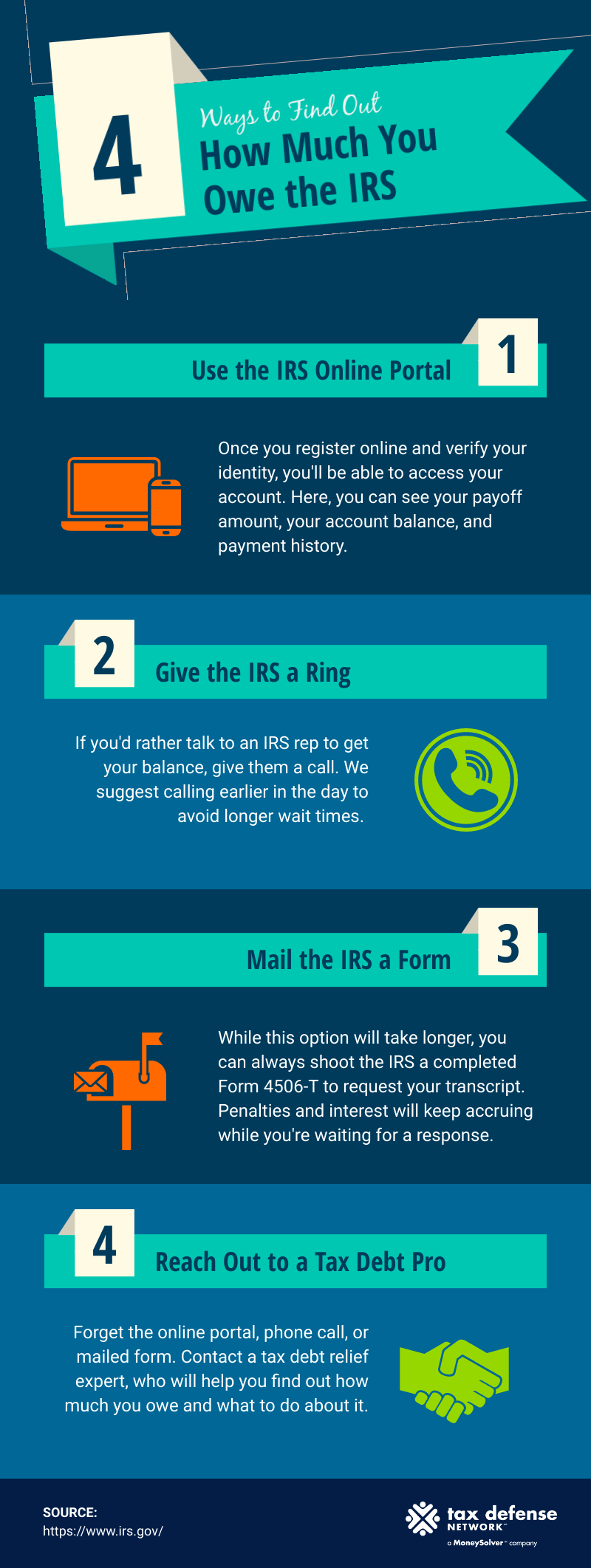
The IRS offers an incredibly useful online tool: your IRS Online Account. By creating and logging into your account, you can:
- View Your Account Balance: See how much you owe, if anything, for any tax year. This includes any penalties or interest.
- Access Payment History: Review all your past payments, including estimated tax payments, payments made with a return, and any prior year balances paid.
- View Tax Records: Get transcripts of your tax returns, wage and income transcripts, and records of account transcripts for various years. This can help confirm income reported by third parties (like employers or banks) to the IRS.
- Review Notices: See digital copies of certain notices from the IRS.
Setting up and regularly checking your IRS online account is one of the most direct and reliable ways to know your official standing with the IRS.
Understanding IRS Notices and Letters
If you owe, or if the IRS believes you owe, they will send you a notice or letter. It’s crucial not to ignore these communications. Common notices indicating a potential balance due or an issue that could lead to one include:
- CP14 Notice – Balance Due: This is a straightforward notice stating you owe a specific amount for a particular tax year.
- CP2000 Notice – Underreporter Inquiry: This notice means the income reported by you doesn’t match the income reported by third parties (like employers or banks). It typically proposes an adjustment that could result in you owing more tax.
- Letter 11 – Balance Due, Tax Due on Return: Similar to CP14, confirming a balance due after your return was processed.
- Penalty Notices: If you filed late or paid late, you might receive notices outlining penalties and associated interest.
Always read these notices carefully, verify the information, and respond by the stated deadline. If you disagree, you have the right to challenge the IRS’s findings.
Contacting the IRS Directly
If you’ve reviewed your documents, used tax software, checked your online account, and still have questions or need clarification, you can contact the IRS directly. Be prepared for potentially long wait times, especially during peak tax season.
- Phone Lines: The IRS provides various toll-free numbers for different types of inquiries. Have your Social Security number and relevant tax documents ready.
- Taxpayer Assistance Centers (TACs): For in-person help, you can visit a local TAC. Services are often by appointment only.
- IRS.gov Website: The official IRS website is a treasure trove of information, FAQs, and forms. You can find answers to many common questions there.
What to Do If You Discover You Owe Taxes
Finding out you owe taxes can be stressful, but it’s manageable. The key is to act promptly and understand your options.
Options for Paying Your Tax Bill
The IRS offers several ways to pay your tax bill:
- Direct Pay: Make payments directly from your checking or savings account for free via the IRS website.
- Debit Card, Credit Card, or Digital Wallet: Pay through a third-party payment processor. Fees may apply.
- Electronic Federal Tax Payment System (EFTPS): A free service from the U.S. Department of the Treasury that allows you to make federal tax payments electronically.
- Check or Money Order: Mail your payment to the IRS using the voucher provided with your tax forms or notice.
- Cash: Make cash payments at retail partners or IRS Taxpayer Assistance Centers.
Avoiding Penalties and Interest
The most effective way to avoid penalties and interest is to file your tax return and pay any taxes you owe by the due date.
- Failure to File Penalty: If you don’t file on time, a penalty of 5% of the unpaid taxes for each month or part of a month that a tax return is late, not to exceed 25% of your unpaid taxes, can apply.
- Failure to Pay Penalty: If you don’t pay on time, a penalty of 0.5% of the unpaid taxes for each month or part of a month that taxes remain unpaid, not to exceed 25% of your unpaid taxes, can apply.
- Interest: Interest accrues on underpayments and unpaid penalties, compounding daily. The interest rate can change quarterly.
If you can’t pay the full amount due by the deadline, pay as much as you can. Then, explore IRS payment options:
- Short-Term Payment Plan (up to 180 days): Allows you additional time to pay in full, though interest and penalties still apply.
- Offer in Compromise (OIC): Allows certain taxpayers to resolve their tax liability with the IRS for a lower amount than what they originally owed. This is generally an option for those facing severe financial hardship.
- Installment Agreement: Allows you to make monthly payments for up to 72 months. Interest and penalties still apply, but the failure-to-pay penalty is often reduced.
Seeking Professional Assistance
If your tax situation is complex, or if you’re overwhelmed by the process, a tax professional can be an invaluable resource.
- Enrolled Agents (EAs): Federally licensed tax professionals who can represent taxpayers before the IRS.
- Certified Public Accountants (CPAs): State-licensed accounting professionals who offer a broad range of financial services, including tax preparation and planning.
- Tax Attorneys: Lawyers specializing in tax law, particularly useful for complex audits, appeals, or legal disputes with the IRS.
These professionals can help you accurately determine your tax liability, identify all eligible deductions and credits, negotiate with the IRS on your behalf, and provide strategic tax planning advice.
Preventing Future Tax Surprises
The best defense against owing the IRS is a good offense—proactive planning throughout the year.
Adjusting Your Withholding (Form W-4)
For employees, reviewing and updating your Form W-4 with your employer is critical. Use the IRS Tax Withholding Estimator to ensure the right amount of federal income tax is being withheld from your paychecks. This small adjustment can prevent a large tax bill (or a massive refund that could have been used throughout the year) at filing time.
Making Estimated Tax Payments
If you are self-employed, have significant income from investments, or other income not subject to withholding, you generally need to make estimated tax payments throughout the year (typically quarterly). Use Form 1040-ES to calculate and pay these amounts. This ensures you pay your tax liability as you earn or receive income, avoiding penalties for underpayment.

Regular Financial Review and Planning
Integrate tax considerations into your overall financial planning. Regularly review your income sources, expenses, and potential tax-saving opportunities. Consider major life events—marriage, children, home purchase, retirement planning—and how they might impact your tax situation. A mid-year tax check-up can often identify potential issues before they become major problems.
Knowing if you owe to the IRS is not about fear, but about being informed and prepared. By understanding the fundamentals of tax liability, utilizing available tools, and taking proactive steps throughout the year, you can confidently navigate your tax obligations and maintain a healthy financial relationship with the IRS.
aViewFromTheCave is a participant in the Amazon Services LLC Associates Program, an affiliate advertising program designed to provide a means for sites to earn advertising fees by advertising and linking to Amazon.com. Amazon, the Amazon logo, AmazonSupply, and the AmazonSupply logo are trademarks of Amazon.com, Inc. or its affiliates. As an Amazon Associate we earn affiliate commissions from qualifying purchases.