
In an increasingly digital world, the archaic image of tax forms piled high and checks being mailed off feels like a relic of a bygone era. Today, the Internal Revenue Service (IRS) offers a robust suite of online payment options, transforming what was once a cumbersome annual chore into a streamlined, secure, and often instantaneous transaction. For millions of Americans, understanding how to effectively navigate these digital pathways is not just about convenience; it’s about accuracy, security, and staying compliant with federal tax laws. This guide delves into the mechanisms, advantages, and crucial considerations for paying your federal taxes online, empowering you to manage your financial obligations with confidence and precision.

The Evolution of Tax Payments: Why Online is the New Standard
The shift from paper-based transactions to digital platforms across all sectors, including government services, reflects a broader societal push towards efficiency and accessibility. Paying federal taxes online is a prime example of this evolution, offering significant advantages over traditional methods. It’s a transition driven by both technological advancements and the IRS’s commitment to modernizing its operations and enhancing taxpayer experience.
Convenience at Your Fingertips
The most immediate and apparent benefit of online tax payments is unparalleled convenience. Gone are the days of rushing to the post office before closing on Tax Day or worrying about checks getting lost in the mail. With online payment options, taxpayers can remit funds from the comfort of their home or office, at any time of day or night, up until the filing deadline. This flexibility is invaluable, especially for those with demanding schedules or who prefer to manage their finances outside traditional business hours. The ability to make payments via various devices—computers, tablets, or smartphones—further enhances this convenience, making tax compliance more accessible than ever before. This inherent flexibility reduces stress and offers a greater sense of control over one’s financial responsibilities, moving away from a reactive approach to a more proactive one.
Enhanced Security and Accuracy
While some taxpayers might initially harbor concerns about the security of online financial transactions, the reality is that digital payment platforms, particularly those sanctioned by the IRS, are engineered with sophisticated encryption and security protocols. These systems are designed to protect sensitive financial information from cyber threats, often offering a higher degree of security than mailing a physical check which could be intercepted or lost. Furthermore, online payment methods reduce the potential for human error associated with manual processing. Payments are directly debited from your designated account, minimizing transcription errors and ensuring that the correct amount reaches the IRS promptly. Digital confirmations provide an irrefutable record of your payment, offering peace of mind and simplifying record-keeping, a critical aspect of sound financial management.
Environmental Impact and Efficiency
Beyond personal convenience and security, the transition to online tax payments contributes to broader societal benefits. Reducing reliance on paper forms, envelopes, and postal services lessens the environmental footprint associated with tax season. This eco-friendly approach aligns with global efforts towards sustainability. From an administrative perspective, digital payments significantly streamline the IRS’s processing operations, leading to greater efficiency and potentially quicker processing of refunds or adjustments. This enhanced efficiency benefits the entire tax system, allowing resources to be allocated more effectively and improving the overall responsiveness of tax administration. It’s a testament to how financial technology, when applied judiciously, can yield dividends across multiple dimensions—personal, institutional, and environmental.
Key Pathways to Online Federal Tax Payment
The IRS provides several secure and reliable methods for taxpayers to fulfill their federal tax obligations online. Each option caters to different preferences and financial situations, offering flexibility for individuals and businesses alike. Understanding these distinct pathways is crucial for selecting the method that best suits your needs, ensuring a smooth and successful transaction.
IRS Direct Pay: Simplicity and Speed
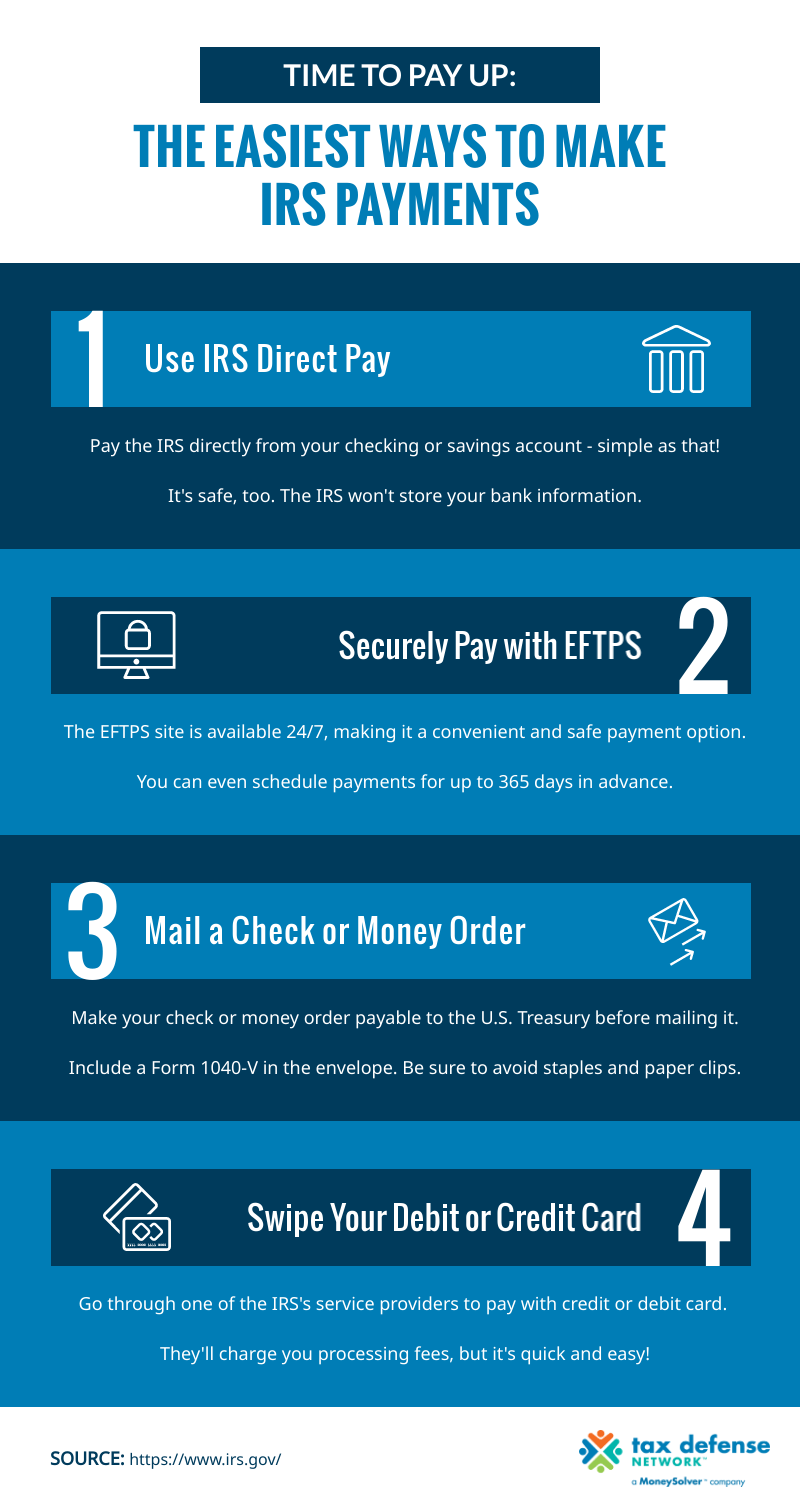
IRS Direct Pay stands out as one of the most straightforward and popular methods for paying federal taxes directly from a checking or savings account, without any processing fees. It’s an ideal choice for taxpayers who have already filed their return and simply need to remit their payment. The system is intuitive, requiring only basic information such as your Social Security number or ITIN, date of birth, and filing status from your most recently filed tax return for verification. You can schedule payments up to 365 days in advance, allowing for strategic financial planning. This method is excellent for quarterly estimated taxes, balance due on your tax return, or even an extension payment. The direct nature of the payment process, cutting out intermediaries, often results in quicker processing and an immediate confirmation number, serving as critical proof of payment for your financial records.
Leveraging Tax Software for Integrated Payments
For many taxpayers, preparing their federal tax return using commercial tax software (e.g., TurboTax, H&R Block, TaxAct) is a common practice. A significant advantage of this approach is the seamless integration of payment options directly within the software. Once you’ve completed your return and determined your tax liability, most tax software platforms will prompt you to pay any balance due electronically. This method typically facilitates payment directly from your bank account (ACH debit) or, in some cases, via credit/debit card through a third-party processor. The convenience here is immense: you can prepare, file, and pay your taxes all in one sitting, within a single digital ecosystem. This integrated approach minimizes the chances of errors that could occur when manually transferring information between different systems, enhancing both efficiency and accuracy in your financial compliance.
The Electronic Federal Tax Payment System (EFTPS)
EFTPS is a robust, free service offered by the U.S. Department of the Treasury that allows individual and business taxpayers to make federal tax payments electronically. While it requires prior enrollment, EFTPS offers more comprehensive features, particularly for businesses or individuals who make frequent tax payments, such as quarterly estimated taxes or payroll taxes. Once enrolled, users can schedule payments up to 365 days in advance and view their payment history for up to 15 months. EFTPS is highly secure and provides an immediate confirmation number for each transaction. Its structured environment is especially beneficial for sophisticated financial planning and ensuring timely compliance with ongoing tax obligations, providing a level of control and oversight often valued by financial professionals and disciplined individuals alike.
Third-Party Payment Processors: Credit Cards and Digital Wallets
For taxpayers who prefer to use a credit card, debit card, or even certain digital wallet options, the IRS facilitates payments through authorized third-party processors. While this method offers flexibility and the potential to earn credit card rewards, it comes with a processing fee charged by the third party, not the IRS. These fees typically range from 1.87% to 2.25% for credit cards and a flat fee for debit cards. It’s crucial for taxpayers to weigh the convenience and any potential rewards against these processing fees. This option can be particularly useful for individuals who need to defer a payment temporarily or manage cash flow, understanding that any interest accrued on the credit card balance will be separate from the processing fee and should also be factored into the overall financial decision.
Navigating the Payment Process: A Step-by-Step Guide
Regardless of the chosen online method, a methodical approach to paying your federal taxes ensures accuracy and avoids potential pitfalls. Understanding the prerequisites and following each step carefully is paramount to a successful transaction, ultimately securing your financial standing with the IRS.
Preparing for Online Payment

Before initiating any online tax payment, thorough preparation is key. First and foremost, you must have completed your tax return (or estimated your payment accurately for quarterly taxes) and determined the exact amount you owe. Ensure you have your Social Security number (SSN) or Individual Taxpayer Identification Number (ITIN) readily available, along with your date of birth and filing status. If using IRS Direct Pay, you’ll also need information from your prior year’s tax return for verification purposes. For payments directly from your bank account, verify that you have the correct routing and account numbers for your checking or savings account. If paying via a third-party credit/debit card processor, have your card details at hand. Double-checking all information before entering it into any online system can prevent delays, errors, and potential financial headaches.
Executing Your Payment through IRS Direct Pay (Example)
Let’s walk through an example using IRS Direct Pay, one of the most common methods.
- Access the Service: Navigate to the IRS Direct Pay page on the official IRS.gov website.
- Verify Identity: You’ll be asked to provide your SSN/ITIN, date of birth, and filing status, along with information from your previous year’s tax return. This multi-factor authentication ensures your identity is secure.
- Specify Payment Details: Select the reason for your payment (e.g., “Balance Due,” “Estimated Tax”), the tax year, and the exact amount you wish to pay.
- Enter Bank Information: Input your bank’s routing number and your checking or savings account number. Confirm these details carefully.
- Review and Submit: A summary page will display all the entered information. Review it meticulously for any discrepancies. If everything is correct, submit your payment.
- Receive Confirmation: Upon successful submission, you will receive an immediate confirmation number. It is critical to save or print this number as your proof of payment. This confirmation is a vital financial record and should be stored securely with your other tax documents.
Confirming and Documenting Your Transaction
Beyond simply receiving a confirmation number, proper documentation extends to verifying the transaction on your bank statement. Within a few business days, check your bank account to confirm that the payment has been successfully debited. If you paid via a third-party processor, verify the charge on your credit or debit card statement. Maintain a comprehensive record of all your tax payments, including the confirmation number, date of payment, amount paid, and the method used. This detailed financial record-keeping is invaluable for future reference, audit purposes, and overall personal financial management, ensuring transparency and accountability for your tax obligations.
Essential Considerations for Seamless Online Tax Payments
While the convenience of online tax payments is undeniable, a few critical considerations are paramount to ensuring a smooth process and avoiding potential penalties or complications. These range from understanding deadlines to safeguarding your personal financial data.
Understanding Payment Deadlines and Estimated Taxes
The IRS operates on strict deadlines for tax payments. The primary deadline for filing and paying federal income taxes for most individuals is typically April 15th (or the next business day if April 15th falls on a weekend or holiday). However, for individuals with income not subject to withholding (e.g., self-employed individuals, investors), estimated taxes must be paid quarterly. These deadlines usually fall on April 15, June 15, September 15, and January 15 of the following year. Missing these deadlines can result in penalties and interest charges, increasing your overall financial burden. Always consult the official IRS website or a tax professional for the most current and accurate deadlines, and proactively schedule your online payments to avoid last-minute rushes and potential oversights.
What to Do If You Can’t Pay on Time
Life happens, and sometimes, despite best intentions, you may find yourself unable to pay your full tax liability by the deadline. It’s crucial not to ignore the situation. The IRS offers several options for taxpayers facing financial hardship. You can request a short-term payment plan (up to 180 days) or apply for an Offer in Compromise (OIC) if you believe you cannot pay your full tax debt. An Installment Agreement allows you to make monthly payments for up to 72 months. While penalties and interest may still apply, engaging with the IRS and setting up a payment arrangement is always better than simply failing to pay, as it can mitigate further penalties and collection actions. Understanding these financial relief options is a key part of responsible tax management.
Safeguarding Your Financial Information Online
The internet, while convenient, also presents risks. When paying taxes online, always ensure you are on the official IRS.gov website or using reputable tax software. Be wary of phishing scams—fraudulent emails or texts pretending to be from the IRS, asking for personal or financial information. The IRS will never initiate contact via email, text message, or social media to request personal or financial information. Always look for “https://” in the website address and a padlock icon in your browser, indicating a secure connection. Use strong, unique passwords for any accounts linked to tax payments, and consider enabling multi-factor authentication where available. Protecting your financial identity and information online is a continuous effort that extends beyond tax season.
Record-Keeping Best Practices
Diligent record-keeping is a cornerstone of sound financial management, especially concerning taxes. Keep digital or physical copies of all your tax returns, payment confirmations, bank statements showing debited payments, and any correspondence with the IRS. For online payments, the confirmation number provided at the end of the transaction is indispensable proof of payment. Store these records in an organized, secure manner for at least three years, as this is the typical period the IRS has to audit a return. Having readily accessible records can save significant time and stress if you ever need to clarify a payment or respond to an IRS inquiry, ensuring you have the financial evidence to back up your compliance.
Beyond the Transaction: Proactive Tax Planning for Future Payments
Paying federal taxes online is a significant step, but a truly insightful approach to personal finance involves looking beyond the immediate transaction. Proactive tax planning ensures that future tax seasons are even smoother, minimizing surprises and optimizing your financial health. This forward-thinking strategy involves adjustments throughout the year and leveraging available tools.
Adjusting Withholding or Estimated Payments
One of the most effective ways to manage your tax liability is to ensure that you are paying the correct amount of tax throughout the year, either through payroll withholding or estimated tax payments. If you consistently owe a large sum at tax time, it might indicate that too little tax is being withheld from your paychecks. Conversely, if you receive a substantial refund, you might be overpaying, effectively giving the government an interest-free loan. Reviewing your W-4 form with your employer or adjusting your quarterly estimated tax payments can help align your withholdings more closely with your actual tax liability. The IRS Tax Withholding Estimator tool is an excellent resource for this, guiding you through calculations to ensure you’re not underpaying or overpaying, thus fostering more balanced financial management throughout the year.
Utilizing Financial Tools for Tax Management
The landscape of personal finance is rich with tools designed to help individuals manage their money more effectively, and many of these can be leveraged for tax planning. Budgeting apps can track income and expenses, making it easier to identify deductible items or sources of taxable income. Investment platforms often provide detailed reports useful for capital gains and losses calculations. Dedicated tax planning software or features within broader financial management applications can project tax liabilities, helping you anticipate future payments. Integrating these tools into your daily financial routine can transform tax time from an annual scramble into a predictable and manageable part of your overall financial strategy, providing greater clarity and control over your financial obligations.
The Role of Professional Advice
While online tools and self-service options have made tax management more accessible, the value of professional advice remains paramount, especially for complex financial situations. A qualified tax professional, such as a Certified Public Accountant (CPA) or an Enrolled Agent (EA), can offer tailored guidance on tax planning strategies, identify potential deductions or credits you might overlook, and help navigate intricate tax laws. They can also assist with estimated tax calculations, advise on the implications of significant life changes (e.g., marriage, home purchase, new business), and represent you in dealings with the IRS. Investing in professional tax advice can not only ensure compliance but also optimize your financial outcomes, potentially saving you more than the cost of their services by identifying strategic opportunities within the tax code.
Paying federal taxes online is a modern necessity for most American taxpayers, offering convenience, security, and efficiency. By understanding the various payment pathways, meticulously following the process, and adopting proactive financial planning strategies, you can transform a potentially stressful obligation into a manageable and secure financial transaction. Embracing these digital tools and informed approaches ensures not only compliance but also contributes to a more organized and resilient personal financial life.
aViewFromTheCave is a participant in the Amazon Services LLC Associates Program, an affiliate advertising program designed to provide a means for sites to earn advertising fees by advertising and linking to Amazon.com. Amazon, the Amazon logo, AmazonSupply, and the AmazonSupply logo are trademarks of Amazon.com, Inc. or its affiliates. As an Amazon Associate we earn affiliate commissions from qualifying purchases.