
In an increasingly digital world, the convenience and efficiency of managing personal and business finances online have become indispensable. Gone are the days when tax payment necessitated physical queues, paper checks, and postal delays. Today, government tax agencies across the globe have embraced digital transformation, offering robust and secure platforms for taxpayers to fulfill their obligations from the comfort of their homes or offices. This shift not only streamlines the process but also enhances accuracy, provides instant confirmation, and integrates seamlessly into modern financial management practices. For anyone looking to optimize their financial responsibilities, understanding “how can I pay tax online” is no longer just a convenience, but a fundamental aspect of responsible financial stewardship.
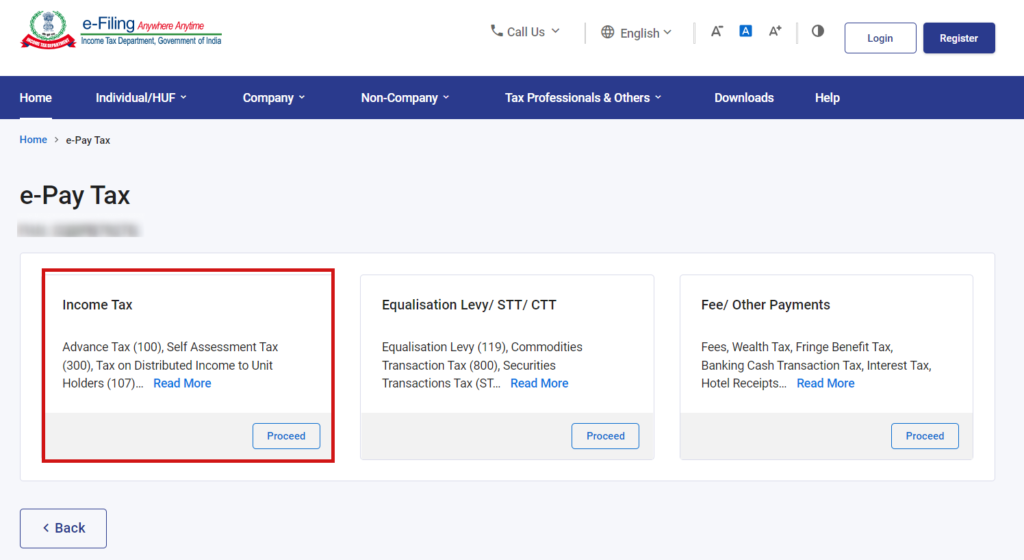
The ability to pay taxes online represents a significant leap forward in financial accessibility and control. It empowers individuals and businesses to take a more proactive role in their tax compliance, reducing the stress and potential errors associated with traditional methods. From direct bank transfers to credit card options and specialized government portals, the digital landscape offers a variety of avenues tailored to different preferences and financial situations. This guide will delve into the various online payment methods available, walk through the step-by-step process, highlight crucial considerations for a smooth experience, and touch upon the broader financial implications of this digital evolution.
The Evolution of Tax Payment: Why Go Digital?
The transition from manual to digital tax payments marks a significant milestone in financial administration. For taxpayers, this evolution has ushered in an era of unparalleled convenience, security, and accuracy, fundamentally reshaping how individuals and businesses interact with their tax obligations. Embracing digital payment methods isn’t just about modernity; it’s about leveraging technology to achieve greater financial control and peace of mind.
Convenience and Accessibility
Perhaps the most immediate and appreciated benefit of paying taxes online is the sheer convenience it offers. No longer constrained by office hours or geographical locations, taxpayers can initiate payments 24/7, from anywhere with an internet connection. This flexibility is invaluable for busy professionals, small business owners, and anyone with a demanding schedule, eliminating the need to visit banks or post offices. It means tax obligations can be met even during travel or outside conventional banking hours, fitting seamlessly into one’s personal financial calendar. Furthermore, the accessibility extends to various devices, allowing payments to be made via desktops, laptops, or even mobile applications, making tax compliance more adaptable than ever.
Enhanced Accuracy and Record-Keeping
Manual tax payments, with their reliance on paper forms and physical checks, inherently carry a higher risk of human error. Miscalculations, incorrect routing numbers, or lost mail can lead to costly penalties and significant administrative headaches. Online payment systems, however, are designed with built-in validation checks that minimize these risks. Account numbers are often verified instantly, and payment amounts are clearly displayed before final submission. Upon successful payment, taxpayers typically receive an immediate digital confirmation, often via email, serving as an indisputable record. This digital trail is a boon for record-keeping, simplifying future audits or financial reviews. All transaction details are electronically stored and easily retrievable, providing a clear and immutable history of compliance, which is a cornerstone of sound financial management.
Security and Fraud Prevention
While some may initially harbor concerns about the security of online transactions, government tax portals and reputable payment processors employ robust encryption and security protocols that often surpass the safety of traditional methods. Physical checks can be intercepted or lost, potentially exposing sensitive bank account information. Online systems use advanced encryption technologies (like SSL/TLS) to protect data during transmission, and many offer multi-factor authentication (MFA) to prevent unauthorized access to accounts. Tax agencies continuously invest in cybersecurity measures to safeguard taxpayer information, making online platforms generally more secure against common forms of financial fraud. From a financial perspective, this secure environment minimizes the risk of identity theft and unauthorized withdrawals, protecting one’s financial integrity.
Environmental Impact
Beyond the direct financial and administrative benefits, paying taxes online also contributes positively to environmental sustainability. The shift away from paper checks, envelopes, and printed receipts significantly reduces paper consumption and the carbon footprint associated with postal services. While seemingly minor on an individual level, the collective impact of millions of taxpayers opting for digital payments translates into a substantial reduction in waste and resource consumption. This aligns with broader trends towards sustainable financial practices and offers an often-overlooked advantage of digital tax compliance.
Navigating Online Tax Payment Methods
The landscape of online tax payment offers a range of methods, each designed to cater to different taxpayer needs and preferences. Understanding these options is crucial for selecting the most appropriate and cost-effective way to fulfill your tax obligations. Whether you prefer direct bank interaction or the flexibility of credit cards, there’s a digital solution for you.
Direct Debit/Bank Transfer
One of the most common and often recommended methods for paying taxes online is through direct debit or electronic funds transfer directly from your bank account. In the United States, this is typically done via the Automated Clearing House (ACH) network. Taxpayers provide their bank routing and account numbers, authorizing the tax agency to withdraw the specified amount on a chosen date.
- Advantages: This method is usually free of charge, making it the most economical option. It’s highly secure, as funds move directly between your bank and the government. It also allows for scheduled payments, ensuring funds are withdrawn precisely when due, preventing late penalties.
- Process: This option is usually available directly through the official tax authority website (e.g., IRS.gov in the US, HMRC.gov.uk in the UK) or via tax preparation software. You’ll enter your bank details and designate the payment amount and date.
Credit and Debit Card Payments
For those who prefer the convenience or rewards associated with using credit cards, or simply wish to use a debit card, this is another viable online payment method. Many tax agencies partner with third-party payment processors that facilitate these transactions.
- Advantages: Credit cards offer flexibility, allowing taxpayers to potentially defer payment (if carrying a balance) or earn rewards points. Debit cards offer a direct link to available funds without incurring credit card debt.
- Disadvantages: A key financial consideration here is the processing fee. Third-party processors typically charge a convenience fee, which is a percentage of the payment amount for credit cards (usually 1.8% to 2.5%) and a flat fee for debit cards. These fees can add up, so it’s essential to factor them into your financial planning.
- Process: You will usually be redirected from the tax agency’s website to an approved third-party processor’s portal, where you input your card details and complete the transaction.
Electronic Federal Tax Payment System (EFTPS)
Specifically for U.S. taxpayers, the Electronic Federal Tax Payment System (EFTPS) is a free service provided by the U.S. Department of the Treasury. It’s primarily used by businesses for federal tax payments (like payroll taxes, corporate income tax, and estimated taxes) but is also available for individuals making estimated tax payments.
- Advantages: It’s free, highly secure, and allows for scheduling payments up to 365 days in advance. It provides an immediate confirmation number for every transaction, a valuable financial record.
- Process: Requires enrollment first, which involves receiving a PIN via postal mail. Once enrolled, taxpayers can log in online or use a dedicated phone system to schedule payments directly from their bank account.
Payment via Tax Preparation Software
Many popular tax preparation software programs (e.g., TurboTax, H&R Block, TaxAct) offer integrated payment solutions. After you’ve completed your tax return within the software, you can often elect to pay any tax due directly through the platform.
- Advantages: Seamless integration with your tax filing process, simplifying the overall compliance journey. The software guides you through the payment options, which typically include direct debit or credit/debit card payments via a third-party processor.
- Process: Within the software’s filing section, you’ll be prompted to choose your payment method and input the necessary financial details. The software then transmits the payment information to the tax authorities.
A Step-by-Step Guide to Paying Taxes Online
Paying taxes online, while offering unparalleled convenience, requires a structured approach to ensure accuracy and timely submission. Following a clear, step-by-step process can demystify the experience and minimize the chances of errors, providing financial peace of mind.
Gathering Necessary Information
Before you even log into a tax portal, preparation is key. This initial step is critical for a smooth and accurate payment process, reflecting sound financial discipline.
- Taxpayer Identification Number (TIN): This is your primary identifier with the tax authorities. For individuals, it’s typically your Social Security Number (SSN). For businesses, it’s an Employer Identification Number (EIN).
- Amount Due: Clearly identify the exact amount of tax you owe. This figure should come directly from your completed tax return. Double-check your calculations to avoid underpayment or overpayment.
- Bank Account Details: If paying via direct debit or bank transfer, you’ll need your bank’s routing number and your personal or business checking/savings account number. Ensure these are correct to prevent payment rejections.
- Payment Due Date: Confirm the exact deadline for your tax payment. Missing this date, even by a day, can incur penalties and interest, impacting your overall financial health.
- Confirmation of Tax Year: Ensure you are making a payment for the correct tax year, especially if you are paying estimated taxes or amending a previous return.
Choosing Your Payment Platform
With your information ready, the next step is to select where you will make your payment. Your choice will depend on your specific circumstances and preferences.
- Official Tax Authority Website: This is generally the most direct and recommended route. For example, in the U.S., you’d visit IRS.gov; in the UK, HMRC.gov.uk. These sites offer options for direct debit, credit/debit card payments (often through approved third-party processors), and links to specialized systems like EFTPS.
- Tax Preparation Software: If you used software like TurboTax or H&R Block to prepare your return, you can often initiate payment directly through the software as part of the filing process. This provides a unified workflow.
- Approved Third-Party Payment Processors: If you opt to pay by credit or debit card, the tax authority website will typically redirect you to an approved third-party vendor (e.g., PayUSAtax, Official Payments, ACI Payments Inc.). While convenient, remember these services usually charge a fee, which is a financial cost to consider.
Initiating the Payment
Once you’ve chosen your platform, you’ll navigate to the payment section and begin the transaction.
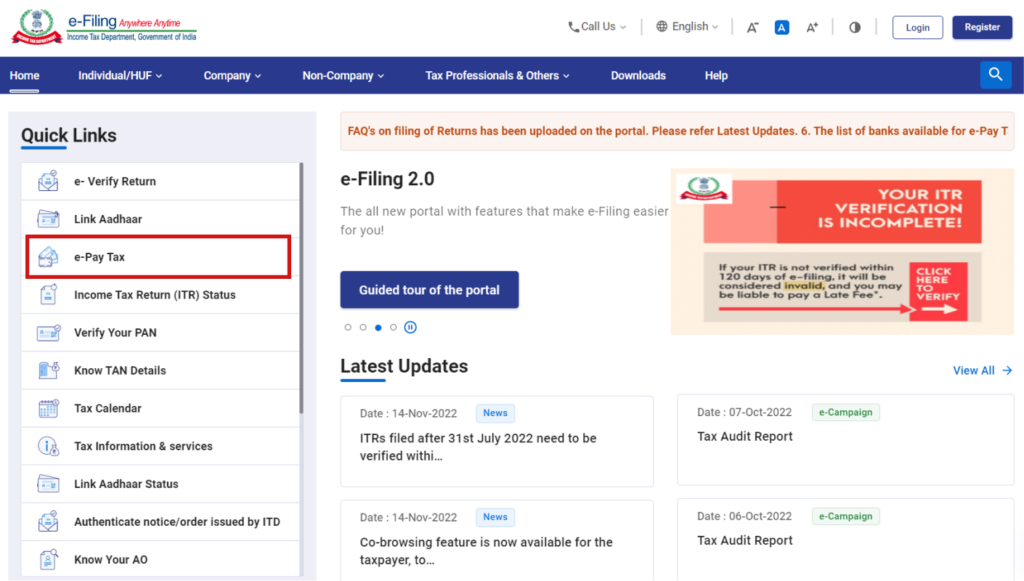
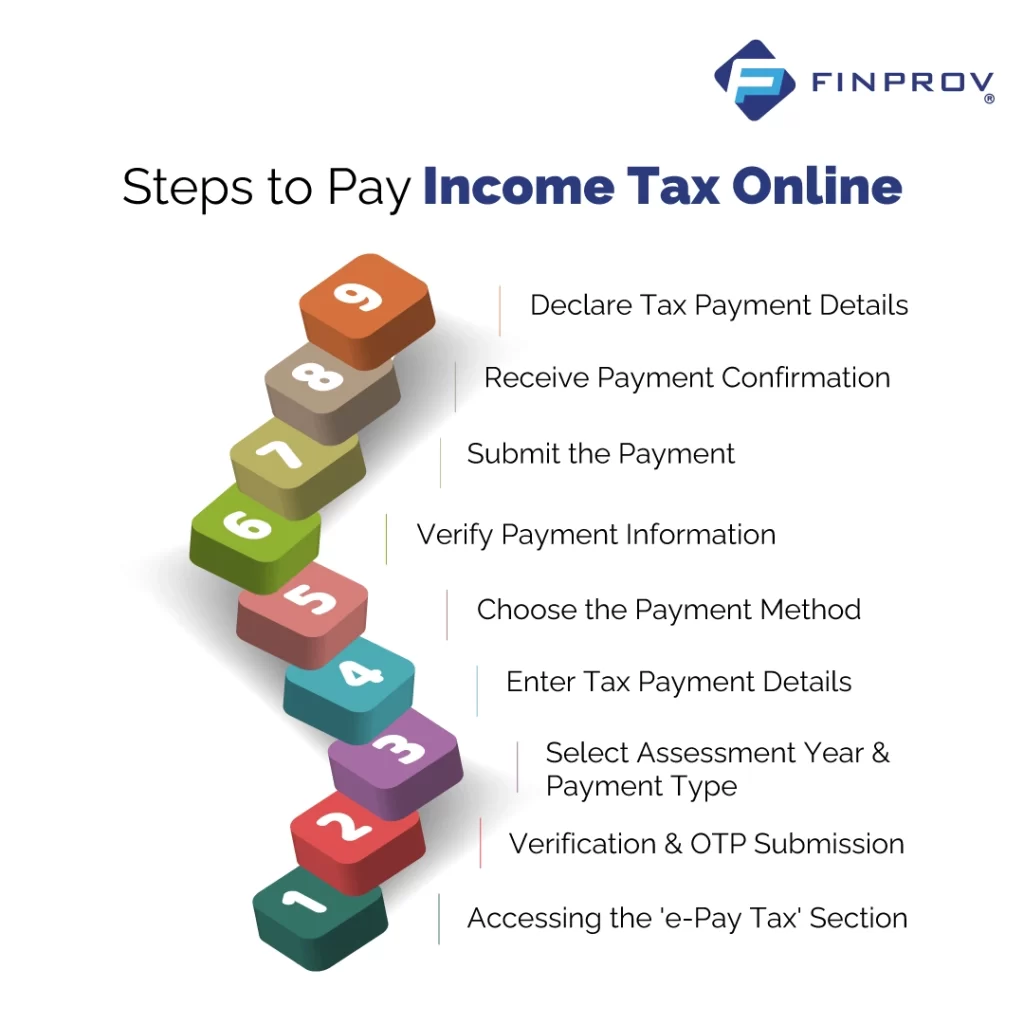
- Input Taxpayer Information: Enter your TIN/SSN/EIN and confirm your identity.
- Select Payment Type and Tax Year: Specify if it’s an annual return payment, estimated tax payment, or an amended return payment, and indicate the relevant tax year.
- Enter Payment Amount: Carefully input the exact amount you owe.
- Choose Payment Method: Select between direct debit/bank transfer or credit/debit card.
- Provide Financial Details: For direct debit, enter your bank routing and account numbers. For card payments, input your card number, expiration date, and security code.
- Select Payment Date: Crucially, specify the date you want the payment to be processed. Most systems allow you to schedule payments for a future date, as long as it’s by the deadline.
- Review and Confirm: Before final submission, meticulously review all entered information—taxpayer ID, amount, payment method, bank/card details, and payment date. This is your last chance to catch any errors.
Confirmation and Record Keeping
After submitting your payment, the process isn’t quite over. Proper record-keeping is vital for your financial audit trail.
- Confirmation Number: Upon successful submission, you will receive a confirmation number. This is your proof of payment. Immediately save or print this number. Many systems also send an email confirmation.
- Transaction Record: Keep a copy of the payment confirmation, whether digital or physical. This should include the payment amount, date, method, and the confirmation number. Store it securely with your other tax documents.
- Bank Statement Verification: After a few business days, verify that the payment has been successfully debited from your bank account or posted to your credit card statement. This final check confirms the transaction’s completion.
Setting Up Estimated Tax Payments (if applicable)
For self-employed individuals, freelancers, and small business owners, estimated taxes are a quarterly obligation. Online systems make managing these payments straightforward.
- Scheduling Recurring Payments: Many online portals allow you to schedule all four quarterly estimated payments in advance, linking them to your bank account. This proactive approach ensures you meet deadlines and avoid underpayment penalties, a significant benefit for financial planning.
- Adjusting Payments: If your income fluctuates, you can easily log in and adjust future estimated tax payments as needed, providing flexibility in managing your cash flow.
Key Considerations for a Smooth Online Tax Experience
While paying taxes online offers unparalleled convenience, a smooth and secure experience hinges on awareness and adherence to certain best practices. Understanding these key considerations is fundamental to safeguarding your finances and ensuring compliance.
Deadlines and Penalties
The most critical aspect of tax compliance, regardless of payment method, is adhering to deadlines. Tax agencies are very strict about due dates, and even minor delays can result in significant financial repercussions.
- Know Your Due Dates: Mark all relevant tax deadlines on your calendar, whether for annual returns, quarterly estimated taxes, or specific business tax obligations.
- Understand Late Payment Penalties: Be aware that penalties for late payment can include a percentage of the unpaid tax for each month or part of a month the tax remains unpaid, plus interest. These charges accrue rapidly, making timely payment a cornerstone of financial prudence.
- Procrastination Risks: While online payments offer last-minute convenience, relying on it too heavily can be risky. Technical glitches, internet outages, or unexpected issues can arise. Aim to complete your payment a few days before the deadline.
Security Best Practices
Online financial transactions, while generally secure, require vigilance. Protecting your personal and financial information is paramount.
- Use Official Websites: Always ensure you are on the legitimate website of your tax authority (e.g., IRS.gov, HMRC.gov.uk). Bookmark these sites to avoid phishing scams that mimic official portals. Look for “https://” in the URL and a padlock icon.
- Strong, Unique Passwords: Use complex passwords for your tax accounts that combine letters, numbers, and symbols. Never reuse passwords across different financial accounts. Consider using a reputable password manager.
- Multi-Factor Authentication (MFA): If offered, enable MFA for an extra layer of security. This typically involves a code sent to your phone or email, or generated by an authenticator app, in addition to your password.
- Public Wi-Fi Warning: Avoid making tax payments or accessing sensitive financial accounts on unsecured public Wi-Fi networks. These networks can be vulnerable to eavesdropping. Use a secure, private connection, or a Virtual Private Network (VPN) if necessary.
- Beware of Phishing: Tax agencies will rarely initiate contact via email or text messages asking for personal financial information. Be extremely wary of unsolicited communications claiming to be from a tax authority. Do not click on suspicious links or open attachments.
Understanding Payment Fees
While direct debit/bank transfers are generally free, other online payment methods, particularly credit card payments, come with associated costs that impact your overall financial outlay.
- Third-Party Processor Fees: When paying by credit or debit card, the convenience fee is charged by the payment processor, not the tax agency. These fees are usually a percentage for credit cards and a flat fee for debit cards. Always check the exact fee amount before finalizing your payment.
- Cost-Benefit Analysis: Weigh the convenience and potential rewards of using a credit card against the cost of the processing fee. If the fee outweighs the rewards or your need for payment flexibility, a free direct debit option might be financially smarter.
- No Hidden Fees (Official Sites): Ensure any payment method you choose clearly states all associated fees upfront. Legitimate government portals are transparent about costs.
What to Do if You Can’t Pay On Time
Financial difficulties can sometimes prevent timely tax payment. It’s crucial to address this proactively rather than simply ignoring the obligation.
- File On Time, Even if You Can’t Pay: Always file your tax return by the deadline, even if you can’t afford to pay the full amount due. The “failure to file” penalty is often significantly higher than the “failure to pay” penalty.
- Request an Extension to Pay: Many tax agencies offer options like short-term payment plans or offers in compromise (OIC) for taxpayers facing financial hardship. Contact the tax authority immediately to discuss your options. Ignoring the problem will only exacerbate it with additional penalties and interest.
- Consider Installment Agreements: You might be able to set up an installment agreement with the tax agency to pay your tax liability over time, though interest and some penalties may still apply. This is a structured approach to managing a financial obligation you can’t meet immediately.
Common Errors to Avoid
Simple mistakes can lead to unnecessary complications and financial burdens.
- Incorrect Tax Year: Double-check that you’re applying your payment to the correct tax year.
- Wrong Amount: Ensure the payment amount exactly matches your tax liability.
- Invalid Bank/Card Details: Mistakes in routing numbers, account numbers, or credit card details will cause payment rejection and potential late payment penalties.
- Forgetting to Hit “Submit”: After entering all information, make sure you complete all necessary steps to finalize the transaction and receive a confirmation number.
- Ignoring Confirmation: Always save your confirmation number and verify the transaction on your bank statement.
Beyond the Basics: Advanced Tips and Future Trends
As digital payment methods for taxes become standard, exploring advanced tips and understanding future trends can further optimize your financial planning and tax compliance strategies. The “Money” niche extends beyond mere transaction execution to encompass holistic financial management.
Integrating with Financial Planning Software
For a comprehensive view of your financial landscape, integrating your tax payment information with broader financial planning tools is highly beneficial.
- Automated Tracking: Many personal finance software platforms (e.g., Quicken, Mint, YNAB) allow you to categorize and track tax payments alongside other expenses and income. This provides a real-time snapshot of your financial health.
- Budgeting and Forecasting: By seeing tax payments as part of your regular financial outflow, you can more accurately budget for future obligations and forecast your available cash flow. This is particularly useful for estimated tax payers who need to set aside funds regularly.
- Simplified Reporting: Integrated systems can simplify year-end tax preparation by consolidating all financial data, making it easier to verify payments and prepare for future filings. This reduces the manual effort and potential errors inherent in managing disparate financial records.
Exploring Payment Installment Options
Sometimes, paying a large tax bill in one lump sum isn’t financially feasible. Online platforms often provide mechanisms to manage this challenge.
- Official Installment Agreements: As mentioned earlier, tax agencies offer official installment plans (e.g., in the U.S., this is an “Offer in Compromise” or a “Payment Plan”). These can often be applied for and managed through the tax authority’s website, allowing you to set up monthly payments. While interest and some penalties may still apply, it’s a structured way to pay off a liability without severe immediate financial strain.
- Pros and Cons: Understand the terms, interest rates, and any setup fees associated with installment agreements. Compare them with other options, such as personal loans or credit cards (if you have a very low APR card), to determine the most financially prudent course of action. The goal is to minimize the total cost of the debt.
The Future of Digital Tax
The digital transformation in taxation is ongoing, with future innovations poised to make tax payment even more seamless and integrated into our financial lives.
- Blockchain Technology: While still in nascent stages for mainstream tax applications, blockchain could offer enhanced security, transparency, and immutability for tax records and payments. Imagine instantly verified transactions and tamper-proof financial histories.
- AI and Machine Learning: Artificial intelligence could revolutionize tax preparation and payment by providing personalized advice, identifying potential deductions, and even predicting future tax liabilities more accurately. This would further automate aspects of financial planning.
- Real-time Tax: Some countries are exploring “real-time tax” systems where taxes are calculated and potentially collected closer to when income is earned, rather than annually. While raising privacy concerns, such systems aim to eliminate large year-end tax bills and potentially simplify financial management for many.
- Open Banking Integration: Enhanced integration with open banking initiatives could allow tax payment platforms to directly access and verify bank account details with greater ease and security, streamlining the direct debit process further.
By staying informed about these developments, individuals and businesses can better prepare for the future of financial compliance and leverage emerging technologies to optimize their tax strategies.
Paying taxes online has firmly established itself as the preferred and most efficient method for fulfilling tax obligations in the modern era. The array of benefits, from unparalleled convenience and enhanced security to improved accuracy and streamlined record-keeping, collectively empower taxpayers to navigate their financial responsibilities with greater ease and confidence. By understanding the diverse payment methods available, meticulously following the step-by-step guides, and remaining vigilant about security and deadlines, individuals and businesses can ensure a smooth and compliant tax experience. As technology continues to evolve, promising even more integrated and intelligent financial solutions, embracing digital tax payments is not just about meeting current requirements, but proactively positioning oneself for a more efficient and financially secure future.
aViewFromTheCave is a participant in the Amazon Services LLC Associates Program, an affiliate advertising program designed to provide a means for sites to earn advertising fees by advertising and linking to Amazon.com. Amazon, the Amazon logo, AmazonSupply, and the AmazonSupply logo are trademarks of Amazon.com, Inc. or its affiliates. As an Amazon Associate we earn affiliate commissions from qualifying purchases.