
NVIDIA. The name itself conjures images of groundbreaking graphics, artificial intelligence, and supercomputing. A dominant force in the technology landscape, NVIDIA’s innovations power everything from cutting-edge gaming experiences and professional visualization to autonomous vehicles and the world’s most powerful data centers. But beyond the pixels and processing power, a fundamental question often arises for those curious about the company’s operational heartbeat: where exactly is NVIDIA located? While a simple answer might point to its headquarters, a deeper dive reveals a sophisticated, globally distributed network of innovation hubs, research facilities, and strategic offices that collectively underpin its technological prowess and market dominance. Understanding NVIDIA’s physical footprint is key to appreciating how it attracts talent, fosters collaboration, and maintains its position at the forefront of technological advancement.

The Heart of Innovation: NVIDIA’s Headquarters
Every global technology leader has an epicenter, a place where its core vision is nurtured and its strategic directives emanate. For NVIDIA, this central nervous system is firmly planted in the historical cradle of innovation: Silicon Valley.
Santa Clara: The Epicenter of Silicon Valley
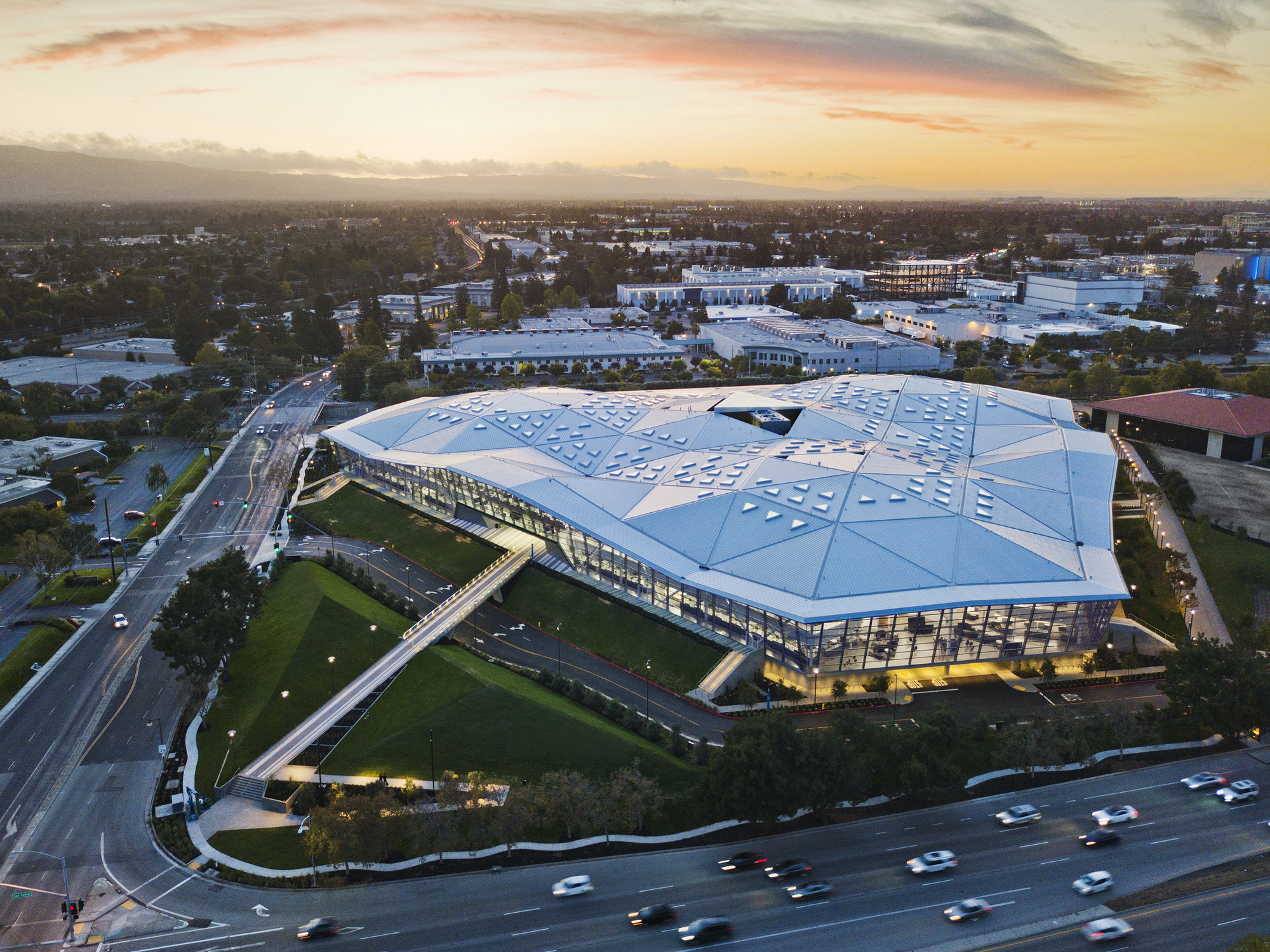
NVIDIA’s official headquarters are located in Santa Clara, California. This address is more than just a mailing point; it’s a strategic declaration. Santa Clara lies at the very heart of Silicon Valley, a region synonymous with technological breakthroughs, disruptive startups, and a dense concentration of highly skilled talent. The decision to remain rooted here, amidst a fierce competitive landscape, speaks volumes about the advantages it offers. Proximity to Stanford University and UC Berkeley, world-renowned institutions that churn out top-tier engineers and computer scientists, provides a continuous pipeline of intellectual capital. The ecosystem fosters unparalleled opportunities for collaboration with other tech giants, access to venture capital, and a culture that celebrates innovation and risk-taking. For NVIDIA, being in Santa Clara means being at the pulse of global tech trends, able to react swiftly and shape the future alongside its peers.
The Voyager Campus: A Symbol of Forward Thinking
NVIDIA’s headquarters complex in Santa Clara is not just a collection of buildings; it’s a testament to its design philosophy and future aspirations. Named “Voyager,” the iconic triangular structure spans 750,000 square feet and was designed by Gensler. Its architecture reflects NVIDIA’s core principles: a unified, collaborative, and sustainable environment. The building features massive, open floor plans, interconnected workspaces, and an abundance of natural light, all aimed at fostering serendipitous interactions and breaking down traditional silos between teams. The design encourages creativity and innovation, mirroring the complex interconnectedness of the silicon chips and AI networks NVIDIA develops. Beyond its aesthetic appeal, Voyager boasts LEED Platinum certification, underscoring NVIDIA’s commitment to environmental responsibility – a critical aspect for a company whose products consume significant power, reinforcing its efforts towards energy efficiency both in design and in its physical operations.
Beyond Silicon Valley: A Global Network of Excellence
While Santa Clara serves as NVIDIA’s brain trust, the company’s reach extends far beyond California’s borders. To truly be a global technology leader, NVIDIA has cultivated a sophisticated network of offices and research centers strategically located across continents. This distributed model allows it to tap into diverse talent pools, address specific regional market needs, and maintain a constant dialogue with its global customer base and partners.
Research and Development Hubs Across Continents
NVIDIA’s innovation isn’t confined to a single campus; it’s a collaborative effort spanning the globe. The company operates numerous R&D centers, each often specializing in distinct areas of expertise, allowing it to aggregate talent and knowledge from various geographical tech ecosystems:
- Europe: NVIDIA has a significant presence in Europe, with R&D facilities in countries like the United Kingdom, Germany, Finland, and Israel. These centers often focus on specialized areas such as advanced graphics research, autonomous driving technologies, high-performance computing (HPC) software, and AI applications. For instance, the UK presence might leverage expertise in game development and graphics, while German teams could focus on automotive solutions, reflecting the strength of the European auto industry. Israel, a renowned hub for cybersecurity and advanced chip design, provides a rich environment for certain aspects of NVIDIA’s accelerated computing research.
- Asia: Asia is crucial for NVIDIA, not just as a market but as a source of engineering talent and a hub for manufacturing partners. R&D centers are found in countries like India (e.g., Bengaluru, Pune), China (e.g., Beijing, Shanghai), and Taiwan. India’s vast pool of software engineers contributes significantly to NVIDIA’s AI, data center, and software development efforts. China represents a massive market and a source of innovation in its own right, requiring localized R&D. Taiwan is particularly vital due to its proximity to key semiconductor manufacturing partners like TSMC, facilitating close collaboration in chip design and production.
- North America (outside California): Even within North America, NVIDIA expands its R&D footprint, with offices in places like Canada (e.g., Toronto, Montreal). These locations often leverage strong university research programs in AI and machine learning, further diversifying NVIDIA’s research capabilities and attracting top academic talent.
These distributed R&D hubs allow NVIDIA to pursue parallel innovation paths, adapt to regional technological nuances, and leverage specialized local expertise, creating a powerful synergistic effect that accelerates its overall technological development.
Strategic Presence in Key Markets
Beyond R&D, NVIDIA maintains a robust network of sales, marketing, and support offices in virtually every major economy worldwide. This extensive presence is critical for several reasons:
- Market Penetration and Sales: Having local teams allows NVIDIA to understand and respond to regional market demands, cultural nuances, and competitive landscapes more effectively. This is crucial for its diverse product portfolio, which includes gaming GPUs, professional visualization tools, data center platforms, and automotive solutions.
- Customer Support and Partnerships: Local offices provide essential support to customers and foster strong relationships with partners, whether they are system builders, cloud service providers, or automotive manufacturers. Direct engagement is vital for complex B2B sales and long-term strategic alliances.
- Regulatory Compliance: Navigating diverse regulatory environments, trade policies, and legal frameworks across different countries requires a localized presence and expertise, ensuring NVIDIA’s global operations remain compliant and efficient.
This strategic global presence ensures that NVIDIA is not just developing technology from a centralized location but is actively engaging with its customers, partners, and the broader tech ecosystem in every corner of the world.
The Strategic Importance of Location in the Tech Landscape
NVIDIA’s meticulously planned geographical distribution is not arbitrary; it’s a strategic imperative that directly impacts its ability to innovate, compete, and lead in the fast-evolving tech world.
Talent Acquisition and Collaboration
The competition for top-tier engineering, AI, and graphics talent is incredibly fierce. By establishing offices in key tech hubs globally, NVIDIA significantly broadens its talent pool. Being in Silicon Valley attracts those seeking the quintessential tech career, but having strong presences in Bengaluru, Toronto, or Munich allows it to tap into specific regional strengths and academic pipelines. Furthermore, diverse geographic locations bring diverse perspectives and problem-solving approaches, enriching the company’s innovation culture. Collaboration isn’t just internal; it extends to local universities, research institutions, and even startups, fostering an ecosystem where ideas can be exchanged and groundbreaking solutions co-developed.
Ecosystem Advantage and Market Penetration
Each of NVIDIA’s locations offers a unique ecosystem advantage. In Silicon Valley, it’s the proximity to cloud providers, venture capitalists, and other semiconductor firms. In Taiwan, it’s the tight integration with the semiconductor manufacturing supply chain. In Germany, it’s the close ties to the automotive industry. This strategic placement allows NVIDIA to:
- Integrate deeply into local industries: For instance, its presence in Detroit, MI, facilitates direct engagement with major automotive players for its autonomous driving platforms.
- Understand regional market needs: What gamers want in Asia might differ from Europe; what data center operators need in the US might have different compliance requirements than in Europe. Local teams provide invaluable insights.
- Form strategic partnerships: Being physically present enables easier formation of alliances with local companies, governments, and research bodies, leading to tailored solutions and accelerated market entry.
This network ensures that NVIDIA is not just an exporter of technology but an embedded participant in local tech dialogues and developments.
Designing the Future: Interaction with Global Manufacturing
While NVIDIA is a “fabless” semiconductor company, meaning it designs chips but outsources their fabrication, its locations play a crucial role in managing this intricate global supply chain. Its design centers, particularly those in proximity to its key foundry partners (most notably TSMC in Taiwan), are critical. The close coordination between NVIDIA’s design teams and the manufacturing expertise of these foundries is paramount for producing advanced GPUs and AI accelerators. Teams in various locations contribute to different aspects of chip architecture, software stack development, and validation, all of which must seamlessly integrate with the manufacturing process. This global coordination ensures that complex designs transition efficiently from concept to silicon, maintaining NVIDIA’s edge in performance and time-to-market.
NVIDIA’s Impact: A Distributed Model of Innovation
NVIDIA’s global footprint is more than just an operational necessity; it’s a fundamental component of its strategy to lead in an increasingly interconnected and technologically advanced world.
Fueling Regional Tech Economies
NVIDIA’s presence in various locations contributes significantly to local economies. Its offices create high-value jobs for engineers, researchers, and business professionals. Investments in R&D facilities, local partnerships, and community engagement initiatives further stimulate regional growth and foster vibrant tech ecosystems. By bringing its advanced technological expertise and global resources to these regions, NVIDIA acts as a catalyst for local innovation, attracting further investment and talent, and helping to build sustainable tech industries.

Global Influence on AI and Computing
The distributed nature of NVIDIA’s operations is a key enabler of its pervasive global influence. By drawing talent and insights from a multitude of cultural and technological backgrounds, NVIDIA fosters a more comprehensive and adaptable approach to problem-solving. Its diverse teams, working in tandem across time zones, contribute to a unified vision that has positioned NVIDIA as the undisputed leader in accelerated computing, AI, and computer graphics. From powering supercomputers solving humanity’s grand challenges to enabling the next generation of digital creators and autonomous systems, NVIDIA’s global network ensures that its innovations resonate and are applicable on a worldwide scale.
In conclusion, asking “where is NVIDIA located?” reveals far more than a single address. It uncovers a strategically constructed global ecosystem designed to maximize talent acquisition, foster relentless innovation, and facilitate deep market penetration. From its iconic headquarters in Santa Clara, at the nexus of Silicon Valley’s tech brilliance, to its specialized R&D centers in Europe and Asia, and its widespread sales and support offices, NVIDIA has meticulously crafted a physical presence that mirrors its ambitious technological aspirations. This distributed model of innovation is not merely a logistical choice but a core strategic advantage, allowing NVIDIA to remain agile, responsive, and persistently at the forefront of the technological revolution that continues to reshape our world.
aViewFromTheCave is a participant in the Amazon Services LLC Associates Program, an affiliate advertising program designed to provide a means for sites to earn advertising fees by advertising and linking to Amazon.com. Amazon, the Amazon logo, AmazonSupply, and the AmazonSupply logo are trademarks of Amazon.com, Inc. or its affiliates. As an Amazon Associate we earn affiliate commissions from qualifying purchases.