
Embarking on a Disney Cruise Line vacation is often a dream for many families, promising a magical blend of enchanting entertainment, unparalleled service, and exotic destinations. However, one of the most frequently asked questions, and indeed a critical factor in planning such a trip, revolves around the financial investment required. Understanding the true cost of a Disney cruise extends far beyond the advertised fare; it encompasses a myriad of variables, from the choice of ship and itinerary to onboard spending habits and pre- and post-cruise logistics. This article delves into the financial intricacies of a Disney cruise, providing a comprehensive guide to help prospective cruisers budget effectively and make informed economic decisions.
Understanding the Base Fare: Key Financial Determinants
The advertised price of a Disney cruise, known as the base fare, is the foundational component of your overall vacation budget. However, this single figure is influenced by several critical factors, making it highly variable. A deeper dive into these determinants reveals why prices can fluctuate so dramatically and how savvy financial planning can begin right from the selection process.
Ship, Itinerary, and Seasonality: The Core Cost Drivers
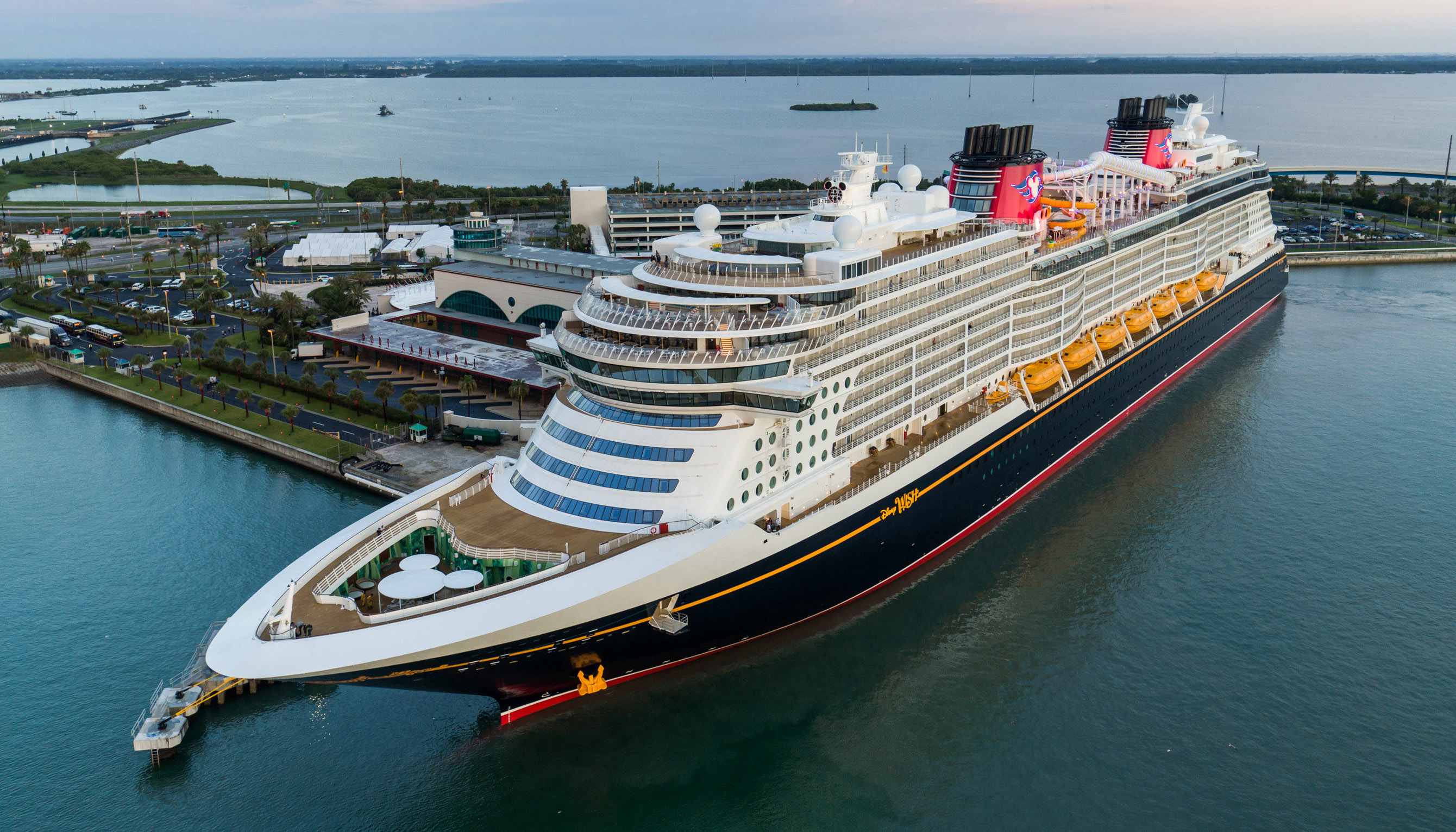
Disney Cruise Line boasts a fleet of magnificent ships, each with its unique charm, amenities, and capacity. Generally, newer and larger ships like the Disney Wish, Treasure, or Fantasy tend to command higher base fares compared to their predecessors like the Magic or Wonder. This premium reflects advanced technology, innovative attractions, and larger stateroom capacities.
The chosen itinerary also plays a pivotal role in pricing. Shorter cruises (3-4 nights) to popular close-to-home destinations like the Bahamas or Mexican Riviera are typically less expensive than longer voyages (7+ nights) to more distant or exotic locales such as Alaska, Europe, or the Transatlantic. The duration and the allure of the destination directly correlate with the cost. Moreover, theme cruises, like Halloween on the High Seas or Merrytime Cruises, often carry a slight premium due to their unique offerings and high demand.
Seasonality is arguably one of the most significant cost drivers. Peak travel times, such as school holidays (summer, spring break, Christmas, New Year’s), will consistently see the highest prices due to increased demand. Conversely, traveling during off-peak seasons—typically late January through early March, late April to mid-May, or specific weeks in September and October—can result in substantial savings. While these periods might align with school terms, they offer a financially attractive alternative for families with younger children or those without school-aged dependents.
Stateroom Categories: A Spectrum of Price Points
Disney Cruise Line offers four primary stateroom categories, each representing a distinct level of comfort, space, and, consequently, price. Understanding these options is crucial for aligning your budget with your desired onboard experience.
- Inside Staterooms: These are the most economical option, located on interior decks without a window or balcony. They are perfect for budget-conscious travelers who plan to spend most of their time exploring the ship’s activities and ports of call. Despite being the lowest price point, Disney’s inside staterooms are known for being well-appointed and often feature magical portholes on some ships, displaying real-time ocean views or animated Disney characters.
- Oceanview Staterooms: A step up in price, oceanview staterooms offer a porthole or large window, providing natural light and views of the sea, albeit without direct outdoor access. This category offers a good balance between cost and the desire for external views.
- Verandah Staterooms: The most popular choice, verandah staterooms include a private balcony, allowing guests to step outside and enjoy fresh air, stunning ocean vistas, and private moments of relaxation. The convenience and enhanced experience of a private outdoor space come with a notable price increase, often making them 20-30% more expensive than inside cabins.
- Concierge Staterooms and Suites: At the pinnacle of luxury and cost, concierge staterooms and suites offer expansive living spaces, premium amenities, and exclusive access to concierge lounges and services. These accommodations can easily double or triple the cost of a standard verandah stateroom, catering to those seeking an elevated and highly personalized cruising experience.
The choice of stateroom category is often the most impactful decision on the base fare, directly influencing the overall financial outlay for your cruise.
Beyond the Fare: Essential Additional Expenses to Budget For
While the base fare covers many essentials, a realistic financial plan for a Disney cruise must account for a range of additional expenses. These “extra” costs, if not properly anticipated, can significantly inflate your total vacation budget.
Travel to and from the Port: Flights, Hotels, and Transfers
Getting to your departure port is often one of the most substantial additional costs. For cruises departing from Florida, guests flying in will need to budget for airfare for their entire party. The cost of flights varies wildly based on origin, time of booking, and travel season. Prudent financial planning suggests booking flights well in advance and considering flexible travel dates to secure better rates.
Many cruisers choose to arrive a day or two before their cruise departs, especially if flying from a distance, to mitigate the risk of travel delays and allow for a relaxed start to the vacation. This necessitates budgeting for pre-cruise accommodation, which can range from budget-friendly hotels to premium resorts, depending on your preferences. Similarly, post-cruise hotel stays might be required if your return flight is not immediately available.
Ground transportation between the airport, hotel, and cruise terminal is another line item. Disney Cruise Line offers dedicated motorcoach transfers from Orlando International Airport (MCO) to Port Canaveral, which, while convenient, come at a per-person cost. Alternatively, private shuttle services, ride-sharing apps, or rental cars can be considered, each with its own financial implications. Factoring in airport parking fees, if driving, is also essential.
Onboard and Port Adventures: Optional Spending Opportunities
Once onboard, a world of optional spending opportunities awaits. While a Disney cruise is renowned for its inclusive entertainment and dining, certain premium experiences carry an extra charge:
- Specialty Dining: Restaurants like Palo, Remy, and Enchante offer exquisite, adults-only dining experiences that are not included in the base fare. These typically incur a per-person upcharge ranging from $45 to over $100, providing an elevated culinary experience.
- Spa and Salon Services: The Senses Spa & Salon offers a wide array of treatments, from massages and facials to hair and nail services, all at an additional cost comparable to land-based luxury spas.
- Merchandise: The lure of exclusive Disney merchandise, souvenirs, and gifts from onboard shops is strong. Budgeting for these purchases, whether for personal keepsakes or gifts, is advisable.
- Port Adventures (Excursions): While guests are free to explore ports of call independently, Disney offers curated excursions designed for convenience and safety. These “Port Adventures” can range from $50 for a simple beach day to several hundred dollars per person for more elaborate experiences like snorkeling with stingrays or historical city tours.
- Professional Photos: Disney photographers are stationed throughout the ship and at character meet-and-greets. Photo packages are available for purchase, offering high-quality professional memories of your trip.
- Internet Access: Wi-Fi packages are available for purchase, typically priced by data usage, which can become expensive quickly given the data demands of modern digital life.
Gratuities, Alcohol, and Internet: The Hidden Costs
Certain expenses are often overlooked but are nearly universal additions to a Disney cruise budget:
- Gratuities: Disney Cruise Line has a recommended gratuity amount per person, per day, which is distributed among stateroom hosts, dining room servers, and assistant servers. While it can be prepaid, it’s an essential financial consideration, often amounting to $14.50 per person per day (subject to change), which quickly adds up for a family over a multi-day cruise.
- Alcoholic Beverages: Unlike non-alcoholic drinks, which are largely included, alcoholic beverages (beer, wine, cocktails) are sold separately at bars and restaurants. Guests can also purchase a limited amount of alcohol to bring onboard, but consuming it outside of their stateroom typically incurs corkage fees in dining areas.
- Travel Insurance: Highly recommended for any significant travel investment, travel insurance protects against unforeseen circumstances such as trip cancellation, medical emergencies, or lost luggage. The cost varies based on the total trip price, age of travelers, and coverage level, but it is a crucial financial safeguard.
Maximizing Value and Saving Money on Your Disney Cruise Investment
Given the premium nature of a Disney cruise, finding strategies to maximize value and save money is paramount for many families. Smart financial planning can significantly reduce the overall cost without sacrificing the magic.
Strategic Booking and Off-Peak Travel
The timing of your booking and travel can have the most substantial impact on your cruise cost.
- Book Early: Disney Cruise Line operates on a dynamic pricing model, where prices generally increase as the ship fills up. Booking as soon as itineraries are released (typically 1.5 to 2 years in advance) almost always secures the lowest possible fare. This strategy also provides the widest selection of staterooms.
- Book Late (Occasionally): While not as reliable, last-minute deals can sometimes emerge, particularly for shorter cruises or during off-peak seasons, if Disney needs to fill cabins. However, this carries the risk of limited availability and preferred stateroom types being sold out.
- Off-Peak Season Travel: As discussed, avoiding peak holiday periods and traveling during the shoulder seasons (e.g., early May, late September, early December) offers significant savings on base fares, flights, and often pre/post-cruise hotels.
Leveraging Onboard Inclusions and Managing Discretionary Spending
Disney cruises are inherently inclusive, and understanding what’s covered can help you avoid unnecessary extra spending.
- Embrace Included Dining: Utilize the main dining rooms, quick-service eateries, and complimentary snacks and soft drinks. By doing so, you can minimize or entirely avoid specialty dining charges.
- Enjoy Complimentary Entertainment: Disney cruises are renowned for their Broadway-caliber shows, character meet-and-greets, deck parties, movies, and kids’ club activities – all included in your fare. Prioritizing these free offerings provides immense value.
- Bring Your Own Snacks/Beverages: Guests are permitted to bring a reasonable amount of non-alcoholic beverages and pre-packaged snacks onboard. This can lead to considerable savings, especially on sodas, bottled water, or snack items for kids.
- Limit Souvenir Purchases: Set a budget for souvenirs and stick to it. Consider collecting memorable, inexpensive items like pressed pennies or postcards rather than high-cost merchandise.
- DIY Port Excursions: Instead of booking costly Port Adventures through Disney, research and plan your own excursions. Many ports are walkable or offer affordable local transportation to popular attractions, beaches, or shopping areas.
Utilizing Travel Agents and Promotions
An experienced Disney-specialized travel agent can be an invaluable asset in financial planning.
- Expert Advice and Deals: Travel agents often have access to exclusive promotions, onboard credit offers, or group rates that individual travelers might miss. Their expertise can help navigate the complex pricing structure and identify the best value for your budget.
- Onboard Credit: Look for opportunities to receive onboard credit, either through promotions, specific credit card benefits, or travel agent bonuses. This credit can be used to offset expenses like gratuities, specialty dining, or spa treatments, effectively reducing your out-of-pocket costs.
- Disney Visa Card Benefits: Cardholders often receive discounts on select merchandise, photo packages, and onboard activities, along with earning Disney Rewards Dollars that can be redeemed for cruise credit.
The Financial Value Proposition of a Disney Cruise
Ultimately, the question of “how much does it cost?” is often followed by “is it worth it?” A Disney cruise represents a significant financial investment, and understanding its value proposition is key to assessing whether it aligns with your vacation priorities and budget.
Is the “Disney Premium” Worth the Investment?
Disney Cruise Line consistently ranks among the top cruise lines, often commanding higher prices than its competitors. This “Disney premium” is attributed to several factors:
- Immersive Theming and Storytelling: No other cruise line offers the depth of Disney storytelling, character interactions, and immersive entertainment experiences. For families with young children or devoted Disney fans, this unique atmosphere is priceless.
- Exceptional Service: Disney is renowned for its outstanding guest service. The attention to detail, personalized touches, and high staff-to-guest ratio contribute to a seamless and stress-free vacation.
- Family-Friendly Design: From innovative kids’ clubs for all ages to adult-exclusive areas and family-friendly amenities, Disney ships are designed with every guest in mind, offering something for everyone without compromising quality.
- Quality Inclusions: While not all-inclusive, the quality of included dining, entertainment, and kids’ programming is consistently high, contributing to the perceived value.
For those who prioritize these unique aspects and are willing to pay for a premium, meticulously planned, and largely hassle-free family vacation, the “Disney premium” is often considered a worthwhile investment.

Comprehensive Budgeting for a Magical, Stress-Free Vacation
To ensure a financially stress-free and truly magical Disney cruise, a comprehensive budget is indispensable.
- Calculate Base Fare: Start with the cruise fare for your chosen ship, itinerary, season, and stateroom.
- Estimate Travel Costs: Include flights, pre/post-cruise hotels, and all ground transportation.
- Factor in Gratuities: Add the recommended daily gratuity per person.
- Allocate for Discretionary Spending: Realistically budget for optional items like specialty dining, spa treatments, Port Adventures, merchandise, alcohol, and internet.
- Don’t Forget Travel Insurance: Include the cost of a robust travel insurance policy.
- Miscellaneous Contingency: Always add a buffer (5-10% of total estimated costs) for unexpected expenses or spur-of-the-moment treats.
By meticulously breaking down each potential expense, you can create a clear financial roadmap for your Disney cruise. While the initial sticker shock might be significant, understanding the components of the cost, leveraging savings strategies, and valuing the unparalleled Disney experience can help you determine if this dream vacation fits within your financial goals. A Disney cruise is an investment in unforgettable memories, and with careful financial planning, it can be a truly rewarding one.
aViewFromTheCave is a participant in the Amazon Services LLC Associates Program, an affiliate advertising program designed to provide a means for sites to earn advertising fees by advertising and linking to Amazon.com. Amazon, the Amazon logo, AmazonSupply, and the AmazonSupply logo are trademarks of Amazon.com, Inc. or its affiliates. As an Amazon Associate we earn affiliate commissions from qualifying purchases.