
The question “When will mortgage rates go down?” echoes with a potent mix of anxiety and anticipation through homes, real estate offices, and financial institutions across the nation. For aspiring homeowners, elevated rates can mean the difference between realizing a dream and shelving it indefinitely. For current homeowners, especially those with adjustable-rate mortgages or considering refinancing, the trajectory of rates directly impacts their monthly budget and financial stability. This article delves into the complex web of factors influencing mortgage rates, analyzes current trends, and offers insights into what the future might hold, all while providing practical strategies for navigating this dynamic financial environment.
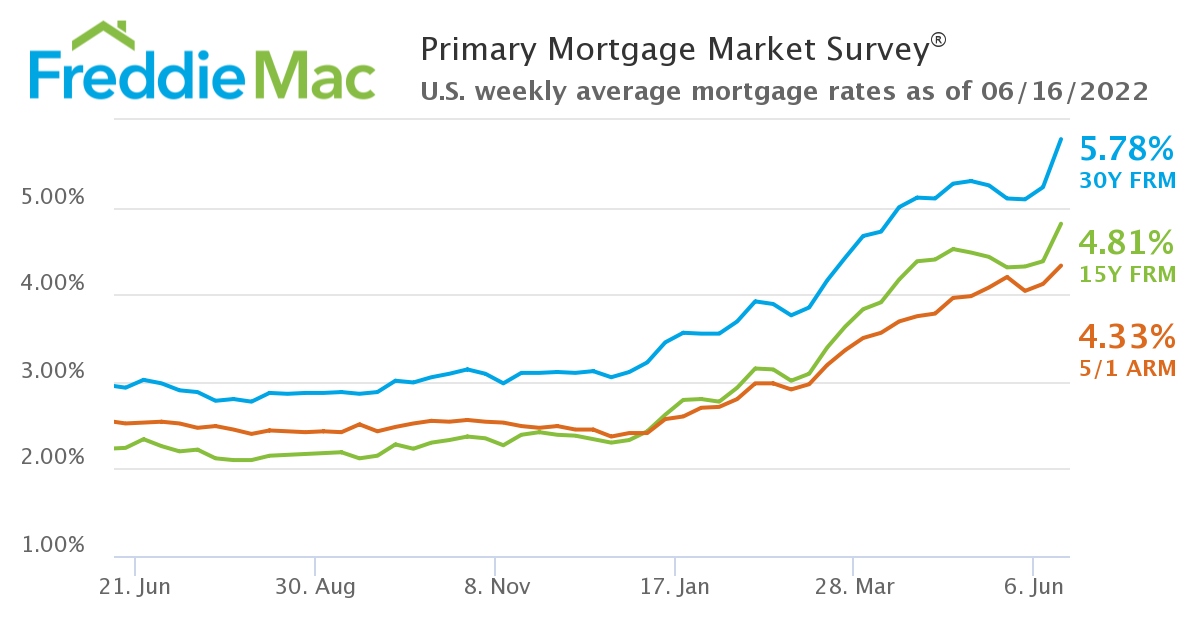
The past few years have presented a rollercoaster of economic conditions, from pandemic-induced shutdowns and unprecedented stimulus to supply chain disruptions and surging inflation. Central banks, particularly the Federal Reserve, have responded aggressively, employing monetary policy tools to tame inflation, leading to a significant hike in interest rates. Mortgage rates, intrinsically tied to the broader economic climate and central bank actions, have naturally followed suit, climbing to levels not seen in over a decade. Understanding the mechanisms behind these movements is crucial for anyone looking to make informed decisions about their housing and personal finance.
The Core Drivers Behind Mortgage Rate Fluctuations
Mortgage rates are not static figures set in stone; they are a fluid reflection of economic health, monetary policy, and market sentiment. Several powerful forces converge to dictate their direction, making prediction a nuanced art rather than an exact science.
The Federal Reserve’s Pivotal Role
At the epicenter of mortgage rate dynamics is the U.S. Federal Reserve. While the Fed doesn’t directly set mortgage rates, its actions profoundly influence them. The Federal Open Market Committee (FOMC) sets the federal funds rate, a benchmark rate for overnight borrowing between banks. Changes to this rate ripple throughout the financial system, affecting everything from credit card interest to auto loans and, indirectly, mortgages.
When the Fed raises the federal funds rate, it generally signals a move to tighten monetary policy, often to combat inflation. This makes borrowing more expensive across the board, pushing up yields on Treasury bonds, which in turn typically leads to higher mortgage rates. Conversely, a reduction in the federal funds rate is a dovish signal, aiming to stimulate economic activity by making borrowing cheaper, which can eventually translate to lower mortgage rates. Beyond the federal funds rate, the Fed’s balance sheet policies, such as quantitative easing (buying bonds) or quantitative tightening (selling bonds), also play a significant role. Quantitative easing tends to depress long-term rates, including mortgages, while quantitative tightening has the opposite effect.
Inflation and Economic Growth
Inflation is arguably the single most important factor driving the Fed’s decisions and, consequently, mortgage rates. Lenders need to ensure that the return on their loans outpaces the rate at which the purchasing power of money erodes. If inflation is high, lenders demand higher interest rates to compensate for the reduced value of future repayments. The Consumer Price Index (CPI) and Personal Consumption Expenditures (PCE) price index are key indicators that economists and the Fed watch closely to gauge inflationary pressures.
Strong economic growth, characterized by robust job creation and rising wages, can also contribute to higher mortgage rates. A strong economy often correlates with increased consumer demand and business activity, which can fuel inflation. Furthermore, during periods of strong growth, investors may shift capital from bonds (which are sensitive to interest rate changes) to higher-yielding assets like stocks, leading to a decrease in bond prices and an increase in their yields – a direct upward pressure on mortgage rates. Conversely, signs of economic slowdown or recession can lead to a flight to safety, where investors pour money into government bonds, driving down yields and potentially lowering mortgage rates.
The Influence of the Bond Market
Mortgage rates are most directly tied to the yield on the 10-year U.S. Treasury bond. This is because lenders use the 10-year Treasury yield as a benchmark when pricing fixed-rate mortgages. The logic is straightforward: a mortgage is a long-term loan, and the 10-year Treasury provides a relatively risk-free long-term return that lenders need to exceed to make a profit.
The bond market is incredibly sensitive to expectations about inflation, economic growth, and Fed policy. If bond traders anticipate higher inflation or further rate hikes from the Fed, they will demand higher yields, causing bond prices to fall and interest rates to rise. Global events, geopolitical tensions, and even daily news cycles can create volatility in the bond market, leading to intraday swings in mortgage rates. Understanding the bond market’s pulse is often a leading indicator for where mortgage rates are headed.
Global Economic Factors
While domestic factors dominate, the interconnectedness of the global economy means that international events can also play a role. Major economic shifts in other developed nations, geopolitical crises, or significant changes in global capital flows can influence investor sentiment and, by extension, the demand for U.S. Treasury bonds. For example, during times of global uncertainty, foreign investors often seek the safety of U.S. Treasuries, which can increase demand, lower yields, and put downward pressure on U.S. mortgage rates. Conversely, a global economic boom might draw capital away from U.S. bonds, leading to higher yields.
Analyzing Current Trends and Future Projections
Predicting the precise moment mortgage rates will decline is challenging, but by observing current trends and listening to expert forecasts, we can develop a more informed perspective.
A Look at Recent Rate Movements
Following a period of historically low rates during the pandemic, 2022 saw a rapid ascent in mortgage rates as the Fed aggressively tightened monetary policy to combat rampant inflation. Rates, which had hovered below 3% for 30-year fixed mortgages, quickly surged past 6% and at times breached 7% and even 8%, creating significant affordability challenges for homebuyers. This sharp increase was a direct response to the Fed’s consecutive rate hikes and the market’s expectation of continued inflation.
As 2023 progressed into 2024, the situation became more nuanced. While inflation showed signs of moderating, bringing the Fed closer to its 2% target, the path has been bumpy. Strong employment data and persistent core inflation in some sectors have kept the Fed cautious about cutting rates too soon. As a result, mortgage rates have shown volatility, fluctuating within a higher range rather than a sustained downward trend. Periods of optimism about rate cuts have led to temporary dips, only for rates to rebound as economic data challenged those expectations.
Expert Forecasts and Market Sentiment
Economists from major financial institutions, government agencies, and industry groups (like the Mortgage Bankers Association, National Association of Realtors) regularly publish forecasts for mortgage rates. While these forecasts vary, a general consensus often emerges:
- Near-term: Many experts anticipate that mortgage rates will remain elevated in the short term, likely fluctuating within a range of 6% to 7.5% for 30-year fixed mortgages, as the Fed maintains a cautious stance on rate cuts. The market is increasingly accepting that the “lower for longer” rate environment of the past decade is unlikely to return soon.
- Mid-to-long term: There’s a cautious optimism for rates to gradually decline as inflation continues its descent and the Fed gains confidence to begin a cycle of rate cuts. However, no dramatic plunge is widely predicted; rather, a slow and steady reduction toward a new “normal” that might be higher than pre-pandemic levels but lower than current peaks. This anticipated decline is contingent on continued disinflation, stable economic growth, and no major unforeseen economic shocks.
Market sentiment, reflected in bond yields, also plays a critical role. When investors believe the Fed will cut rates soon, bond yields tend to fall, anticipating a lower cost of borrowing. Conversely, unexpected economic strength or persistent inflation can cause yields to rise as investors price in a longer period of higher rates.
Key Indicators to Watch
For those closely monitoring mortgage rates, several economic indicators serve as crucial barometers:
- Inflation Reports (CPI, PCE): Monthly releases of these indices are paramount. A consistent trend of declining inflation will give the Fed the confidence to consider rate cuts.
- Employment Data (Jobs Report, Unemployment Rate): A strong labor market can signal a resilient economy that may keep inflation sticky, delaying rate cuts. Conversely, a significant weakening could prompt the Fed to act faster.
- Federal Reserve Statements and Meetings (FOMC): The minutes from FOMC meetings, press conferences with the Fed Chair, and speeches by Fed officials offer direct insights into their thinking and future policy direction. The “dot plot” (individual Fed members’ interest rate projections) is also closely scrutinized.
- GDP Growth: While strong GDP growth is generally positive, if it comes with persistent inflation, it could reinforce the Fed’s resolve to keep rates higher.
- Consumer Sentiment and Spending: These metrics provide clues about demand pressures in the economy.
Strategies for Homebuyers and Homeowners in a Dynamic Market
Whether you’re looking to buy a home or optimize your current mortgage, understanding the rate environment allows for strategic planning.
For Prospective Buyers: Timing Your Purchase and Mortgage Options
In an environment of fluctuating but elevated rates, timing a purchase can feel like a gamble. Instead of trying to “time the bottom,” focus on affordability and your long-term financial goals.
- Affordability First: Calculate what monthly payment you can comfortably afford, not just what a lender says you qualify for. Factor in property taxes, insurance, and potential maintenance.
- Explore Mortgage Options: The 30-year fixed-rate mortgage is popular for its stability, but consider alternatives. A 15-year fixed-rate mortgage offers lower overall interest paid and faster equity building, albeit with higher monthly payments. Adjustable-Rate Mortgages (ARMs) might offer lower initial rates for a set period (e.g., 5/1 or 7/1 ARM). An ARM could be suitable if you plan to sell or refinance before the fixed-rate period ends, or if you anticipate rates dropping significantly in a few years. However, be fully aware of the potential for payment increases when the rate adjusts.
- Rate Locks: If you’re close to closing and rates are favorable, consider locking your rate. This protects you from potential increases before closing, but typically comes with a fee and a time limit (e.g., 30, 45, 60 days).
- Save for a Larger Down Payment: A larger down payment reduces the loan amount, lowers your monthly payments, and can help you avoid private mortgage insurance (PMI).
- Improve Your Credit Score: A higher credit score (generally 740+) can qualify you for the best available rates.
For Existing Homeowners: Refinancing Considerations
If you have a mortgage, particularly one secured when rates were higher, the prospect of lower rates opens the door to refinancing.
- The “When to Refinance” Question: Refinancing makes sense when the savings on your monthly payment or the benefits of a new loan term outweigh the closing costs. A common rule of thumb is to consider refinancing if you can lower your interest rate by at least 0.75% to 1.0%, but even smaller reductions can be beneficial depending on your loan amount and remaining term.
- Calculate Your Breakeven Point: Divide the closing costs of the refinance by the monthly savings to determine how long it will take to recoup your investment. If you plan to stay in the home longer than the breakeven point, it’s generally a good move.
- Consider a Cash-Out Refinance: If you have substantial equity, a cash-out refinance allows you to borrow against that equity. This can be useful for home improvements, debt consolidation, or other large expenses, but it increases your mortgage principal. Weigh the benefits against the risk of extending your loan term or taking on more debt.
- Shorten Your Loan Term: Even if rates don’t drop dramatically, you might consider refinancing from a 30-year to a 15-year mortgage if your finances allow. This significantly reduces the total interest paid over the life of the loan.
Improving Your Financial Position
Regardless of market conditions, maintaining a strong personal financial profile is key to securing the best mortgage terms.
- Boost Your Credit Score: Pay bills on time, reduce credit card debt, and avoid opening too many new credit accounts before applying for a mortgage.
- Lower Your Debt-to-Income (DTI) Ratio: Lenders look at your total monthly debt payments relative to your gross monthly income. A lower DTI indicates you can handle more debt.
- Increase Savings/Emergency Fund: A robust emergency fund not only provides a financial safety net but also demonstrates financial responsibility to lenders.
The Broader Economic Impact of Mortgage Rate Trends
Mortgage rates are more than just a line item on a budget; they are a critical lever in the broader economy, influencing everything from housing market health to consumer confidence and investment.
Housing Market Dynamics
High mortgage rates directly impact housing affordability. As rates rise, the monthly cost of borrowing increases, even if home prices remain stable. This reduces the purchasing power of buyers, leading to:
- Reduced Demand: Fewer buyers can afford the available homes, slowing down sales volume.
- Inventory Buildup: As homes sit longer on the market, inventory can increase, particularly if sellers are reluctant to lower prices.
- Price Adjustments: In some markets, sustained high rates can eventually lead to price stagnation or even modest declines as sellers adjust to fewer buyers.
- “Lock-in Effect”: Existing homeowners with historically low rates are often reluctant to sell and buy a new home at a much higher rate, contributing to lower inventory in the resale market.
Conversely, falling mortgage rates boost affordability, stimulating demand, accelerating sales, and potentially leading to renewed home price appreciation. The housing market’s health is a significant component of overall economic stability.
Consumer Spending and Confidence
For millions of Americans, housing is their largest monthly expense. Changes in mortgage rates directly impact disposable income. When rates are high, a larger portion of household income goes towards mortgage payments, potentially leaving less for discretionary spending on goods and services. This can dampen consumer confidence and slow economic growth. Lower rates free up income, potentially boosting consumer spending and confidence, which can fuel economic expansion.
The “wealth effect” also plays a role. When home values appreciate (partially driven by lower rates and increased demand), homeowners feel wealthier and may be more inclined to spend, further stimulating the economy.
Investment and Development
Mortgage rates also affect investment in the real estate sector and new home construction.
- Real Estate Investment: Higher rates increase the cost of financing for real estate investors, potentially reducing the profitability of new projects and slowing down investment in rental properties or commercial real estate.
- New Construction: Homebuilders are sensitive to mortgage rates. High rates can deter buyers, leading to a slowdown in new housing starts. Conversely, a decrease in rates can spur builder confidence and increase construction activity, providing jobs and contributing to GDP growth. The cost of financing for builders themselves is also a factor, as construction loans are also impacted by broader interest rates.

Conclusion: Preparing for the Unpredictable Future
The question of “When will mortgage rates go down?” remains without a definitive answer. The journey back to lower rates is unlikely to be a straight line, influenced by the complex interplay of inflation, Federal Reserve policy, economic growth, and global events. While current forecasts suggest a gradual moderation rather than a precipitous fall, staying informed about economic indicators and expert projections is paramount.
For homeowners and prospective buyers, the most prudent approach is to focus on personal financial resilience. Prioritize improving your credit score, building a robust savings cushion, and carefully assessing your affordability and risk tolerance. Rather than obsessing over timing the market perfectly, concentrate on making sound financial decisions that align with your long-term goals. The economic landscape will continue to evolve, but a well-prepared financial foundation will always be your strongest asset in navigating its uncertainties.
aViewFromTheCave is a participant in the Amazon Services LLC Associates Program, an affiliate advertising program designed to provide a means for sites to earn advertising fees by advertising and linking to Amazon.com. Amazon, the Amazon logo, AmazonSupply, and the AmazonSupply logo are trademarks of Amazon.com, Inc. or its affiliates. As an Amazon Associate we earn affiliate commissions from qualifying purchases.