
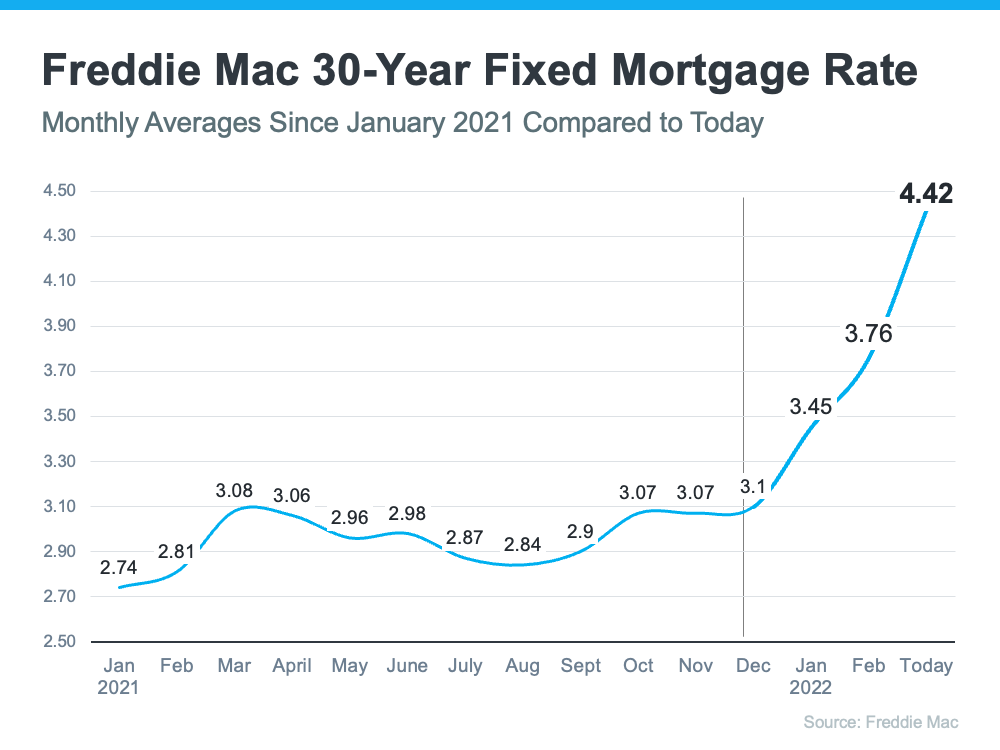
The past few years have presented a dynamic and often perplexing landscape for global economies, with the housing market feeling some of the most profound shifts. Among the many financial tremors, the significant rise in mortgage rates has perhaps been one of the most keenly felt by individuals and families alike. What was once a relatively stable environment for borrowing has transformed, leading to higher monthly payments for new homebuyers and a re-evaluation of financial strategies for those looking to refinance. Understanding the multifaceted reasons behind this surge is crucial for anyone navigating the intricate world of personal finance, real estate, and investment decisions. This deep dive will explore the primary catalysts driving mortgage rates upward, examining the interplay of central bank policies, bond market dynamics, and broader economic forces.

The Central Bank’s Battle Against Inflation
At the core of rising mortgage rates lies the aggressive monetary policy adopted by central banks worldwide, most notably the Federal Reserve in the United States, to combat soaring inflation. Inflation, simply put, is the general increase in prices and fall in the purchasing value of money. When inflation becomes persistently high, it erodes savings, increases living costs, and destabilizes economic growth.
The Mechanism of Interest Rate Hikes
Central banks primarily influence mortgage rates indirectly through their benchmark policy rate, often referred to as the federal funds rate in the U.S. When inflation surges, as it did in the post-pandemic era fueled by supply chain disruptions, robust consumer demand, and geopolitical events, central banks respond by raising this policy rate. The intention is to make borrowing more expensive across the economy, thereby cooling demand, slowing economic activity, and ultimately bringing inflation back down to their target levels, typically around 2%.
Higher short-term rates set by the central bank ripple through the financial system. Banks, in turn, pay more to borrow money from each other, and these increased costs are then passed on to consumers and businesses in the form of higher rates for various loans, including credit cards, auto loans, and crucially, mortgages. While mortgage rates are not directly pegged to the federal funds rate, they are heavily influenced by the general cost of capital and the prevailing interest rate environment dictated by monetary policy.
Quantitative Tightening and its Impact
Beyond direct rate hikes, central banks have also employed “quantitative tightening” (QT). During periods of economic stimulus, like the aftermath of the 2008 financial crisis or the COVID-19 pandemic, central banks engage in “quantitative easing” (QE) by buying vast amounts of government bonds and mortgage-backed securities (MBS) to inject liquidity into the financial system and keep long-term interest rates low.
When inflation strikes, the reverse happens. Quantitative tightening involves the central bank shrinking its balance sheet by allowing these bonds and MBS to mature without reinvesting the proceeds, or in some cases, actively selling them. This reduction in demand for long-term bonds in the market puts upward pressure on their yields. Since mortgage rates are closely linked to long-term bond yields, particularly the 10-year Treasury yield, QT contributes to the rise in mortgage rates by reducing market liquidity and increasing the supply of bonds available to private investors.
The Bond Market’s Influence: Treasury Yields as a Benchmark
While central bank policy sets the broader economic stage, the immediate drivers of mortgage rates are often found in the fixed-income market, specifically the yields on government bonds. Mortgage rates are not set in a vacuum; they closely track the yield on the 10-year U.S. Treasury note, which serves as a key benchmark for long-term borrowing costs.
Why the 10-Year Treasury Matters
The 10-year Treasury yield is considered a proxy for lenders’ cost of funds because it represents the return investors demand for lending money to the U.S. government for a decade. Mortgage lenders package mortgages into securities, and the yield on these mortgage-backed securities (MBS) needs to be competitive with other safe, long-term investments like Treasury bonds to attract investors. If the 10-year Treasury yield rises, investors will demand a higher yield from MBS, and consequently, lenders must offer higher mortgage rates to make those securities attractive.
Several factors can push Treasury yields higher:
- Inflation Expectations: If investors anticipate higher inflation in the future, they demand a higher yield to compensate for the erosion of their purchasing power over time. As inflation fears intensified, so did the demand for higher yields.
- Government Debt and Supply: Increased government borrowing to finance deficits means more Treasury bonds are issued. A higher supply, if not met by corresponding demand, can lead to lower prices and higher yields to attract buyers.
- Global Capital Flows: International investors play a significant role in the Treasury market. Changes in global economic conditions, interest rate differentials across countries, or geopolitical risks can influence foreign demand for U.S. Treasuries, impacting their yields.
The Role of Mortgage-Backed Securities (MBS)
Mortgage lenders don’t typically hold mortgages on their books for their entire 15 or 30-year terms. Instead, they sell them to entities like Fannie Mae and Freddie Mac, which then bundle thousands of these loans into mortgage-backed securities (MBS) and sell them to investors. The pricing of these MBS is directly linked to their yield, which in turn is influenced by Treasury yields.
When the demand for MBS weakens, or when investors demand higher yields to compensate for perceived risks (such as the risk of homeowners defaulting or refinancing early), the cost for lenders to originate and sell mortgages increases. This higher cost is then passed on to borrowers in the form of higher mortgage rates. The central bank’s quantitative tightening, by reducing its purchases of MBS, directly impacts this dynamic by increasing the supply of MBS in the market and pushing their yields higher.
Economic Dynamics and Market Sentiment
Beyond the direct actions of central banks and the mechanics of the bond market, broader economic dynamics and prevailing market sentiment play a critical role in shaping mortgage rates. The health of the economy, investor confidence, and even global events can all contribute to the upward trajectory of borrowing costs.

Strong Economic Growth and Labor Markets
Ironically, signs of a robust economy, while generally positive, can sometimes contribute to higher mortgage rates. A strong economy often implies higher consumer spending, business investment, and a tighter labor market. While this indicates prosperity, it can also fuel inflationary pressures. When jobs are abundant and wages are rising, consumers have more discretionary income, leading to increased demand for goods and services. If supply cannot keep pace, prices rise, pushing inflation upward.
Central banks, keen to prevent the economy from “overheating,” might then maintain or even intensify their restrictive monetary policies, keeping interest rates elevated to cool demand. Thus, a resilient economy, particularly one with a tight labor market, can signal to the market that inflation will be stickier, prompting investors to demand higher yields on long-term bonds, which translates to higher mortgage rates.
Geopolitical Risks and Global Instability
Global events, from trade wars to regional conflicts, can introduce significant uncertainty into financial markets. Geopolitical instability can disrupt supply chains, drive up commodity prices (like oil), and create an environment of risk aversion among investors. In such scenarios, investors might flee riskier assets for the safety of government bonds, but the type of flight matters.
If geopolitical risks lead to expectations of higher future inflation (e.g., due to energy shocks or supply disruptions), bond investors will demand higher yields to protect their real returns. Conversely, if a crisis triggers a flight to safety into U.S. Treasuries as a haven asset, their prices might rise and yields fall temporarily. However, the overarching trend in recent times has seen geopolitical events contribute to inflation pressures, reinforcing the need for central banks to act and keeping long-term rates elevated.
Lender Profit Margins and Risk Assessment
While macroeconomic factors dominate, individual lenders also play a role. Mortgage rates include a spread over benchmark rates to cover lenders’ operational costs, profit margins, and perceived risk. In periods of economic uncertainty or when credit conditions are tightening, lenders might widen this spread to compensate for potentially higher default risks or to maintain profitability in a more competitive or volatile market. This means that even if Treasury yields stabilize, the rates offered to consumers might remain elevated if lenders are factoring in higher operational costs or a more conservative risk outlook.
Impact on Borrowers and the Housing Market
The ascent of mortgage rates has sent significant ripples through the housing market, fundamentally altering the calculus for both potential homebuyers and existing homeowners.
Affordability Challenges for Homebuyers
For prospective homebuyers, higher mortgage rates directly translate into significantly larger monthly payments for the same loan amount. This reduces their purchasing power and makes homeownership less affordable, especially in markets where home prices remain elevated. Many first-time buyers find themselves priced out of the market, while others must adjust their expectations, seeking smaller homes or less desirable locations. The affordability crunch also leads to a decrease in overall housing demand, contributing to a slowdown in sales volume and potentially moderating home price growth, though the latter often lags behind rate changes.
Refinancing Dries Up and Equity Traps
Existing homeowners, particularly those who secured low rates during the pandemic boom, find that refinancing is no longer a viable option to lower their payments or tap into their home equity. The incentive to refinance diminishes significantly when current rates are much higher than existing mortgage rates. This “golden handcuff” effect means many homeowners are reluctant to sell, as doing so would require them to take on a new mortgage at a much higher rate. This reluctance contributes to a lack of housing inventory, keeping prices firm in some areas despite reduced demand from buyers. For those who need to access equity for other financial needs, options become limited or more expensive.
Navigating Higher Rates: Strategies for Homeowners and Buyers
In this new financial landscape, adaptability and strategic planning are paramount for individuals interacting with the housing market.
For Prospective Buyers
- Re-evaluate Budgets and Expectations: Understand that affordability has shifted. Focus on total monthly housing costs, including principal, interest, taxes, and insurance (PITI), rather than just the home price. Be prepared to consider smaller homes, different neighborhoods, or adjusting your overall lifestyle budget.
- Strengthen Your Financial Profile: A higher credit score and a larger down payment can help you qualify for the best available rates and reduce your loan-to-value ratio, potentially lowering your monthly payment and interest costs over the life of the loan.
- Explore Different Mortgage Products: While fixed-rate mortgages are popular, adjustable-rate mortgages (ARMs) might offer lower initial rates. Understand the risks and benefits of each, especially if you anticipate your income growing or plan to move before the fixed-rate period ends.
- Consider a ‘Buy Now, Refinance Later’ Strategy: If rates are expected to decline in the future, some buyers may choose to purchase now at a higher rate with the intention of refinancing when rates become more favorable. This strategy requires careful financial planning and a realistic assessment of future rate movements.
For Existing Homeowners
- Review Your Current Mortgage Terms: Understand your existing rate and any prepayment penalties. For those with low rates, “holding on” to your current mortgage might be the most financially sound decision.
- Explore Home Equity Options Cautiously: If you need to access home equity, consider alternatives like a home equity line of credit (HELOC) or a home equity loan. Be mindful that these rates will also be higher, reflecting the current interest rate environment.
- Focus on Debt Reduction: Use any extra funds to pay down higher-interest consumer debts, as these are often tied to prime rate increases.
- Boost Savings and Emergency Funds: In an environment of higher borrowing costs and potential economic uncertainty, having a robust emergency fund is more critical than ever.
In conclusion, the rise in mortgage rates is a complex phenomenon driven by the intricate dance between central bank policies to combat inflation, the sensitive mechanisms of the bond market, and broader economic indicators. For individuals, understanding these forces is not just academic; it’s essential for making informed decisions that shape personal financial well-being and long-term wealth accumulation. As economic conditions continue to evolve, staying abreast of these factors will remain crucial for anyone navigating the path to homeownership or managing their existing mortgage.
aViewFromTheCave is a participant in the Amazon Services LLC Associates Program, an affiliate advertising program designed to provide a means for sites to earn advertising fees by advertising and linking to Amazon.com. Amazon, the Amazon logo, AmazonSupply, and the AmazonSupply logo are trademarks of Amazon.com, Inc. or its affiliates. As an Amazon Associate we earn affiliate commissions from qualifying purchases.