
The dream of homeownership often hinges on one crucial factor: the home mortgage interest rate. Far from being a static figure, this rate is a dynamic beast, constantly shifting in response to a complex interplay of global economic forces, national monetary policy, and individual financial profiles. For prospective homebuyers, existing homeowners considering a refinance, or simply financially savvy individuals, understanding “what is the current home mortgage interest rate” is not just about a number; it’s about grasping the underlying mechanisms that dictate the cost of their largest financial commitment. In today’s economic climate, where market volatility can be the norm, staying informed is paramount. This article aims to demystify current mortgage rates, exploring the macro and micro factors that shape them, the different products available, and strategies to secure the most favorable terms for your financial future.
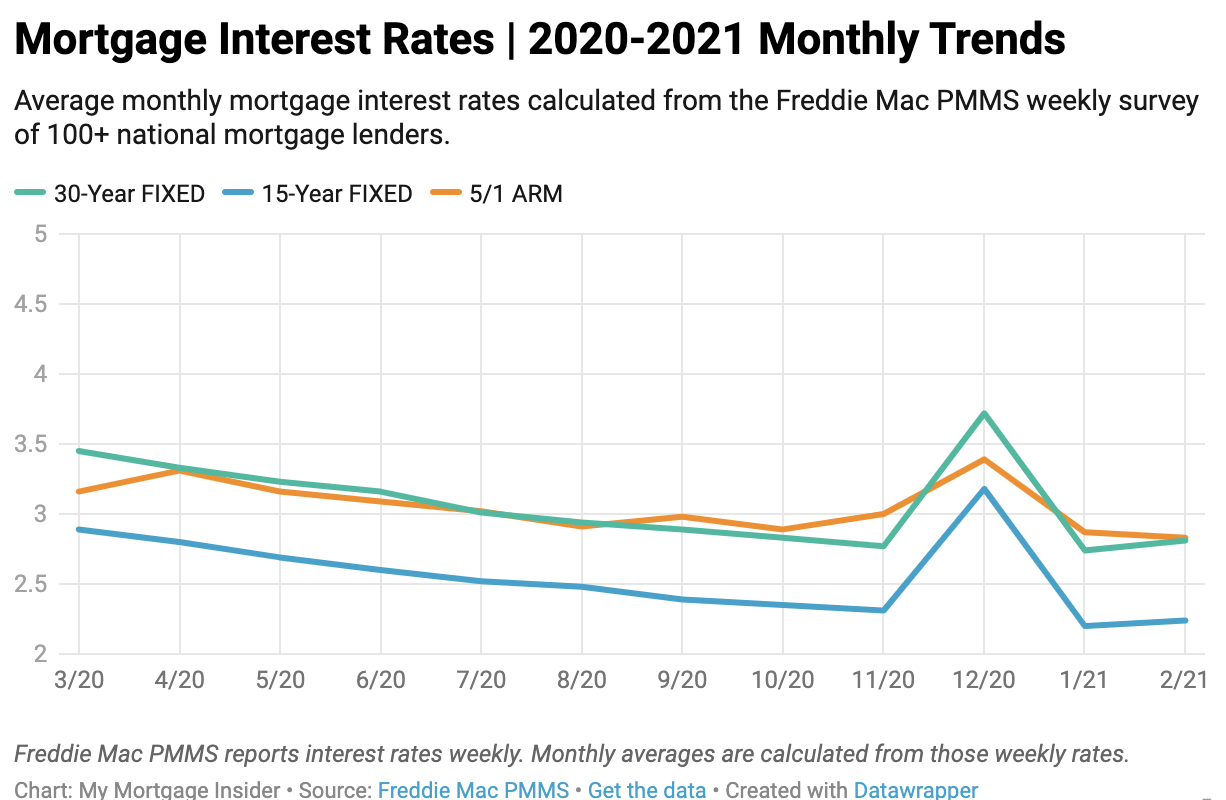
The Ever-Evolving Nature of Mortgage Rates
To truly understand what the “current” home mortgage interest rate means, one must appreciate the intricate web of economic indicators and policies that influence it. Mortgage rates are not set in a vacuum; they are a direct reflection of broader financial market conditions and the economic outlook.
Key Macroeconomic Drivers
The most prominent driver of mortgage rates is the Federal Reserve’s monetary policy, particularly the federal funds rate. While the federal funds rate is an overnight lending rate between banks and not directly what consumers pay for mortgages, its movements signal the Fed’s stance on inflation and economic growth. When the Fed raises rates to combat inflation, it typically makes borrowing more expensive across the board, including for mortgages. Conversely, rate cuts often aim to stimulate economic activity by making credit more affordable.
Beyond the Fed, inflation plays a critical role. Lenders demand higher interest rates when inflation is expected to erode the future purchasing power of the money they lend. If inflation is high and persistent, mortgage rates will likely trend upward. Economic growth also contributes; a robust economy with low unemployment typically leads to higher demand for homes and, potentially, higher rates as lenders anticipate greater economic activity. Conversely, economic slowdowns can lead to lower rates as the Fed may seek to stimulate activity, and demand for loans might soften.
The Role of the Bond Market
While the federal funds rate provides a baseline, mortgage rates are more directly tied to the bond market, specifically the yield on the 10-year U.S. Treasury bond. Mortgage lenders often use the 10-year Treasury yield as a benchmark because the lifespan of a 30-year fixed-rate mortgage is roughly equivalent to a 10-year bond in terms of average duration (how long the money is expected to be outstanding). When Treasury yields rise, mortgage rates tend to follow suit, and vice-versa.
The Mortgage-Backed Securities (MBS) market is another critical component. Most residential mortgages are pooled and sold as MBS. The pricing of these securities in the secondary market directly impacts the rates lenders can offer. Factors affecting the demand for MBS, such as investor sentiment, global capital flows, and the Fed’s own purchases of MBS, can significantly influence what homebuyers ultimately pay.
Short-Term vs. Long-Term Rate Trends
Understanding “current” also requires context: are we looking at a daily fluctuation, a weekly trend, or a broader long-term trajectory? Mortgage rates fluctuate daily, sometimes hourly, in response to economic data releases (e.g., jobs reports, CPI), geopolitical events, and even market sentiment. While these short-term movements can be significant for someone in the process of locking a rate, it’s the longer-term trends driven by the Fed’s posture, inflation expectations, and economic growth forecasts that determine the general direction of rates over months or even years. For instance, a prolonged period of high inflation will likely keep rates elevated, even if they experience minor daily dips.
Deciphering Today’s Mortgage Products and Their Rates
The “current” rate isn’t a single, universal number; it varies significantly based on the type of mortgage product chosen. Each product is designed to meet different borrower needs and risk tolerances, offering distinct rate structures.
Fixed-Rate Mortgages: The Appeal of Stability
The fixed-rate mortgage is the most popular choice, offering a consistent interest rate for the entire life of the loan. This means your monthly principal and interest payment remains the same, providing predictable budgeting and protection against rising rates. The most common terms are the 30-year fixed-rate mortgage and the 15-year fixed-rate mortgage.
- 30-year fixed-rate: This option typically offers the lowest monthly payments due to the extended repayment period. However, it usually comes with a slightly higher interest rate than a 15-year fixed and results in more interest paid over the life of the loan. Current 30-year fixed rates are highly sensitive to economic forecasts, and even small movements can impact affordability significantly.
- 15-year fixed-rate: While requiring higher monthly payments, the 15-year fixed mortgage typically boasts a lower interest rate than its 30-year counterpart and allows borrowers to build equity faster and pay substantially less interest over the loan’s term. It’s an attractive option for those who can comfortably afford the higher monthly payments and wish to be debt-free sooner.
Adjustable-Rate Mortgages (ARMs): Understanding the Trade-offs
Adjustable-Rate Mortgages (ARMs) begin with an initial fixed interest rate for a set period (e.g., 3, 5, 7, or 10 years), after which the rate adjusts periodically, usually annually. The adjustment is based on a chosen financial index (like the Secured Overnight Financing Rate, SOFR) plus a fixed margin set by the lender.
- Initial Fixed Periods: ARMs are typically identified by their initial fixed period, such as 5/1 ARM (fixed for 5 years, then adjusts annually). During this initial period, ARM rates are often lower than comparable fixed-rate mortgages, making them appealing for borrowers who expect to sell or refinance before the fixed period ends, or those anticipating a future decrease in interest rates.
- Indexing and Caps: When the rate adjusts, it moves up or down according to the underlying index. ARMs come with caps—limits on how much the interest rate can increase or decrease in a single adjustment period and over the life of the loan. Understanding these caps is crucial, as they define your maximum potential payment.
- When ARMs Might Be Attractive: In a high-interest rate environment, an ARM’s lower initial rate can offer significant savings. They are suitable for borrowers with short-term plans for the home or those confident in their ability to absorb potential payment increases or refinance when the fixed period ends. However, they carry the risk of substantially higher payments if rates rise after the fixed period.
Government-Insured Loans: FHA, VA, and USDA Perks
Beyond conventional mortgages, several government-backed programs offer specific benefits and, often, more competitive rates for eligible borrowers.
- FHA Loans: Insured by the Federal Housing Administration, these loans are popular for first-time homebuyers or those with less-than-perfect credit. They typically allow for lower down payments and have more flexible credit requirements. While FHA rates are competitive, borrowers must pay mortgage insurance premiums (MIP) for the life of the loan (or a significant portion), which adds to the overall cost.
- VA Loans: Guaranteed by the Department of Veterans Affairs, these loans are available to eligible service members, veterans, and surviving spouses. VA loans are renowned for offering no down payment options, no private mortgage insurance (PMI), and historically some of the lowest interest rates on the market. These benefits make them exceptionally powerful for those who qualify.
- USDA Loans: Backed by the U.S. Department of Agriculture, these loans are designed for low-to-moderate-income individuals purchasing homes in eligible rural areas. They also offer no down payment options and competitive interest rates, though they come with guarantee fees similar to mortgage insurance.
The “current” rate for each of these will fluctuate but generally remain competitive within their respective categories, reflecting the reduced risk for lenders due to government backing.
Personal Factors That Shape Your Specific Rate

While macroeconomic conditions set the general framework for current mortgage rates, the rate you personally receive will be tailored to your individual financial profile. Lenders assess your risk as a borrower to determine the specific interest rate they are willing to offer.
The Critical Impact of Your Credit Score
Your credit score is arguably the single most important personal factor influencing your mortgage interest rate. Lenders use it to gauge your creditworthiness and your likelihood of repaying the loan. A higher credit score (typically FICO scores above 740-760) signals a lower risk, translating into access to the lowest available interest rates. Conversely, a lower credit score indicates higher risk, leading to higher interest rates to compensate the lender for that perceived risk. The difference between an excellent credit score and a fair one can amount to tens of thousands of dollars in interest over the life of a 30-year mortgage.
Loan-to-Value (LTV) and Down Payment Significance
The Loan-to-Value (LTV) ratio compares the amount of your mortgage to the appraised value of the home. It’s calculated by dividing the loan amount by the home’s value. A higher down payment results in a lower LTV, which lenders view favorably. A lower LTV (e.g., 80% or less, meaning a 20% or more down payment) often qualifies you for a better interest rate because it signifies less risk for the lender and greater equity for you from the outset. A high LTV (e.g., 90% or 95%) typically means a higher interest rate and often requires private mortgage insurance (PMI) on conventional loans, adding to your monthly cost.
Debt-to-Income (DTI) Ratio and Repayment Capacity
Your Debt-to-Income (DTI) ratio measures your gross monthly income against your total monthly debt payments (including the prospective mortgage payment). Lenders scrutinize this ratio to assess your capacity to comfortably afford your new mortgage alongside your existing financial obligations. A lower DTI ratio (typically below 36-43%, though it varies by loan type) indicates you have sufficient disposable income to handle mortgage payments, making you a less risky borrower and potentially qualifying you for a better rate. A high DTI can either lead to a higher rate or even loan denial.
Loan Term, Property Type, and Location
- Loan Term: As discussed, shorter loan terms (e.g., 15-year fixed) generally carry lower interest rates than longer terms (e.g., 30-year fixed) because the lender’s money is tied up for a shorter period.
- Property Type: The type of property you’re financing can also influence the rate. A single-family primary residence typically qualifies for the best rates. Multi-unit properties, investment properties, or certain types of condominiums might have slightly higher rates due to perceived higher risk or different underwriting standards.
- Location: While less impactful than credit or LTV, the property’s location (state or even specific county) can sometimes subtly affect rates due to varying state-specific lending regulations, local market conditions, or even property tax implications.
Strategies for Navigating the Current Rate Environment
Given the dynamic nature of mortgage rates and the personalized factors involved, a strategic approach is essential to securing the most favorable terms. Understanding “what is the current home mortgage interest rate” is just the first step; acting wisely is the next.
The Power of Comparison Shopping
This cannot be stressed enough: do not settle for the first quote you receive. Mortgage rates and fees can vary significantly between lenders for the same borrower profile on the same day.
- Get multiple quotes: Contact at least three to five different lenders—including large banks, credit unions, and online mortgage providers. Each lender has different overheads, risk appetites, and pricing models.
- Understand APR vs. Interest Rate: Pay attention to both the interest rate and the Annual Percentage Rate (APR). The interest rate is what you pay on the loan principal, while the APR includes the interest rate plus certain closing costs and fees, offering a more comprehensive picture of the true cost of borrowing. A lower interest rate with high fees might result in a higher APR.
- Request a Loan Estimate: Once you’ve formally applied, lenders are required to provide a standardized Loan Estimate form within three business days. This document clearly breaks down the interest rate, APR, monthly payments, and all associated costs, making it easier to compare offers side-by-side.
Optimizing Your Financial Profile for Better Terms
Before applying for a mortgage, dedicate time to improving your financial standing.
- Boost Your Credit Score: Pay bills on time, reduce credit card balances, avoid opening new credit accounts, and check your credit report for errors. Even a modest improvement in your score can move you into a better rate tier.
- Reduce Debt: Lowering your overall debt, especially high-interest consumer debt, will improve your DTI ratio, making you a more attractive borrower.
- Increase Your Down Payment: Saving for a larger down payment reduces your LTV, potentially unlocking lower rates and possibly eliminating the need for PMI.
The Art of Rate Locking
Mortgage rates fluctuate, so “locking” your rate is a critical decision. A rate lock is a guarantee from the lender that the interest rate offered to you will not change for a specified period (typically 30, 45, or 60 days) while your loan application is processed.
- When to Lock: If you see rates that are favorable and within your budget, and you anticipate potential increases, locking your rate can provide peace of mind. However, if rates are trending downwards, you might consider waiting or negotiating a “float-down” option (if available), which allows you to take advantage of a lower rate if the market drops significantly after your lock.
- Understanding Fees: Some lenders charge a fee for a rate lock, especially for extended periods. Be aware of these costs.
Considering Refinancing in a Changing Market
For existing homeowners, monitoring the current mortgage interest rate is crucial for potential refinancing opportunities. If prevailing rates drop significantly below your current mortgage rate, refinancing can save you a substantial amount over the remaining loan term.
- Break-Even Analysis: Calculate how long it will take for the savings from a lower interest rate to offset the closing costs associated with refinancing. If you plan to stay in your home beyond that break-even point, refinancing could be a wise move.
- Goals Beyond Lower Payments: Refinancing can also be used to shorten your loan term, switch from an ARM to a fixed-rate, or access home equity through a cash-out refinance.
The Outlook on Mortgage Rates: Preparing for Tomorrow
Predicting the future of mortgage rates with absolute certainty is impossible, as they are subject to myriad unpredictable global and domestic events. However, staying informed about expert forecasts and economic projections can help homeowners and homebuyers prepare and make more informed decisions.
Expert Forecasts and Economic Projections
Financial institutions and economists constantly analyze data to project future rate movements. These forecasts often center on anticipated actions by the Federal Reserve, the trajectory of inflation, and the overall health of the economy. For instance, if the Fed signals a pause or pivot in its monetary tightening, or if inflation shows clear signs of sustained decline, this could create downward pressure on long-term rates. Conversely, persistent inflation or a surprisingly strong economy might lead to higher-for-longer rate environments. Regularly consulting reports from reputable sources like the Mortgage Bankers Association (MBA), Freddie Mac, Fannie Mae, and major banks can provide valuable insights into prevailing sentiment and predictions.
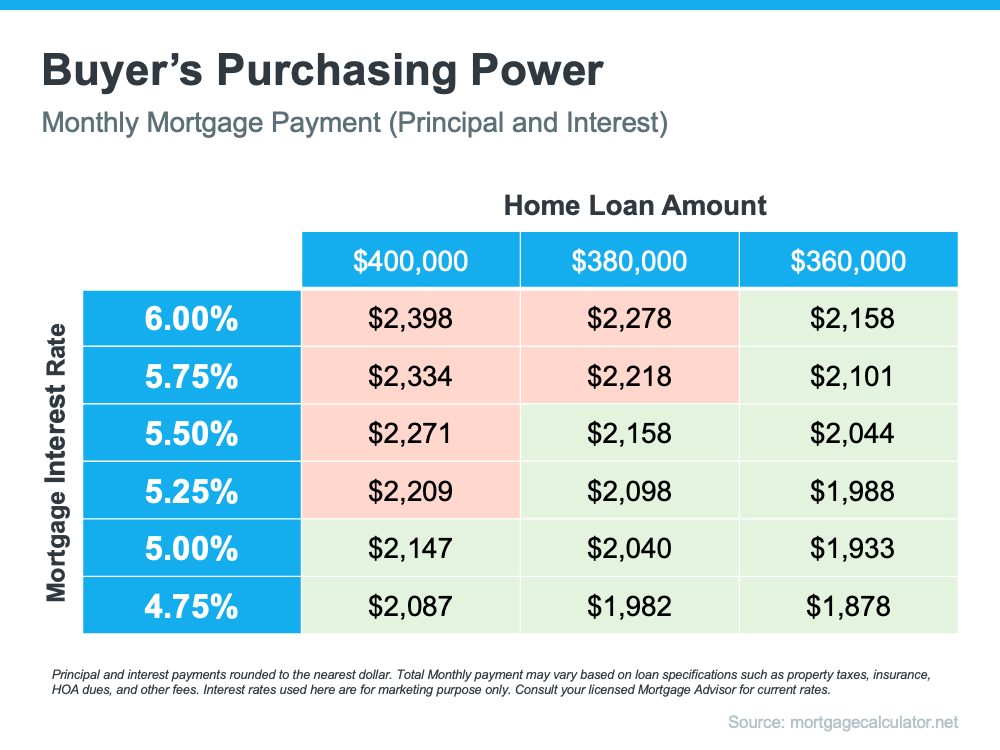
Adaptability in Your Mortgage Planning
The key takeaway for anyone engaged with the mortgage market is the importance of adaptability. Rather than trying to perfectly time the market, focus on what you can control:
- Strengthen your financial profile: Maintain an excellent credit score, manage your debt, and save for a substantial down payment. These fundamentals will position you favorably regardless of the rate environment.
- Be informed: Continuously monitor economic news and mortgage rate trends.
- Work with trusted professionals: A good mortgage lender or broker can provide personalized advice and help you navigate the complexities of product selection and rate locking.
Understanding “what is the current home mortgage interest rate” is an ongoing journey. It requires diligence in monitoring economic trends, a clear understanding of the various mortgage products, and a proactive approach to managing your personal finances. By taking these steps, you can confidently navigate the current market and make sound financial decisions that support your homeownership goals.
aViewFromTheCave is a participant in the Amazon Services LLC Associates Program, an affiliate advertising program designed to provide a means for sites to earn advertising fees by advertising and linking to Amazon.com. Amazon, the Amazon logo, AmazonSupply, and the AmazonSupply logo are trademarks of Amazon.com, Inc. or its affiliates. As an Amazon Associate we earn affiliate commissions from qualifying purchases.