
Interest rates are the lifeblood of our financial system, silently influencing everything from the cost of a mortgage to the return on a savings account. Understanding their current state and the forces that shape them is not just for economists or financial professionals; it’s crucial for every individual and business seeking to make informed decisions in a dynamic economic landscape. Today, we find ourselves in an environment marked by unique economic pressures and policy responses, making a grasp of interest rate dynamics more vital than ever. This comprehensive guide aims to demystify current interest rates, explore the factors driving them, and provide actionable insights for managing your finances effectively.
Understanding the Core: The Mechanics of Interest Rates
At its most fundamental, an interest rate is the cost of borrowing money or the return on lending money. When you borrow, it’s the fee you pay; when you save, it’s the reward you receive. These rates are not static figures but rather dynamic indicators reflecting a complex interplay of economic health, central bank policies, and market sentiment.
The Cost of Money: A Fundamental Principle
Imagine money as a commodity. Like any commodity, it has a price. The interest rate is that price. For borrowers, it’s the premium paid for the immediate use of funds that could otherwise be invested or spent by the lender. For lenders, it’s compensation for deferring their own consumption and taking on the risk that the borrower might default. This basic principle underpins all financial transactions, from a multi-million-dollar corporate loan to a modest personal credit card purchase. The higher the perceived risk or the greater the demand for capital, the higher the interest rate typically becomes.
Key Players: Central Banks and Monetary Policy
The most influential entity in shaping interest rates in any economy is its central bank. In the United States, this is the Federal Reserve (the Fed). The Fed wields powerful tools of monetary policy, primarily the federal funds rate – the target rate for overnight lending between banks. While this isn’t a rate directly paid by consumers, changes to it ripple throughout the entire financial system.
When the Fed raises the federal funds rate, it generally aims to cool down an overheating economy and curb inflation by making borrowing more expensive, thereby reducing demand. Conversely, lowering the rate is intended to stimulate economic growth by making borrowing cheaper and encouraging spending and investment. Other tools include quantitative easing (buying bonds to inject money into the economy) and quantitative tightening (selling bonds to remove money). These actions are carefully calibrated to achieve mandated goals, such as maximum employment and stable prices (low inflation).
The Current Landscape: What’s Driving Rates Today?
The trajectory of interest rates today is largely shaped by a combination of global economic conditions, domestic inflationary pressures, and the ongoing response from central banks worldwide. We’ve witnessed a significant shift from the historically low-rate environment of the past decade, entering a period characterized by higher borrowing costs.
Inflationary Pressures and Economic Signals
A primary driver of current interest rates is inflation. After a prolonged period of relatively low inflation, many economies experienced a surge in consumer prices following supply chain disruptions, robust consumer demand fueled by pandemic-era stimulus, and geopolitical events. Central banks responded by aggressively raising their benchmark rates to combat this inflation, making borrowing more expensive to dampen demand and bring prices back under control.
Economic signals like GDP growth, unemployment rates, and consumer spending also play a critical role. A strong economy with low unemployment might prompt a central bank to maintain higher rates to prevent overheating, even if inflation shows signs of moderation. Conversely, signs of a slowdown or recession could lead central banks to consider rate cuts to stimulate activity, balancing the need to control inflation with the imperative to support economic growth.
Global Economic Influences
Interest rates are not determined in isolation. Global economic trends, such as growth in major economies, international trade tensions, and global capital flows, significantly influence domestic rates. For instance, if major global economies are experiencing strong growth, demand for capital worldwide can push up rates. Conversely, a global slowdown might see capital flowing into safer assets, potentially putting downward pressure on some rates. Currency exchange rates are also impacted by interest rate differentials, which can, in turn, affect trade and investment decisions, creating a feedback loop that influences domestic monetary policy. Geopolitical stability or instability also factors in, as uncertainty often leads investors to demand higher returns for riskier assets, or conversely, flee to safe-haven assets, impacting bond yields and other rates.
Navigating Various Interest Rate Types
While the federal funds rate sets the baseline, the rates you encounter in your daily financial life vary significantly depending on the type of financial product. Understanding these differences is key to optimizing your financial decisions.
Borrowing Rates: Mortgages, Auto Loans, and Credit Cards
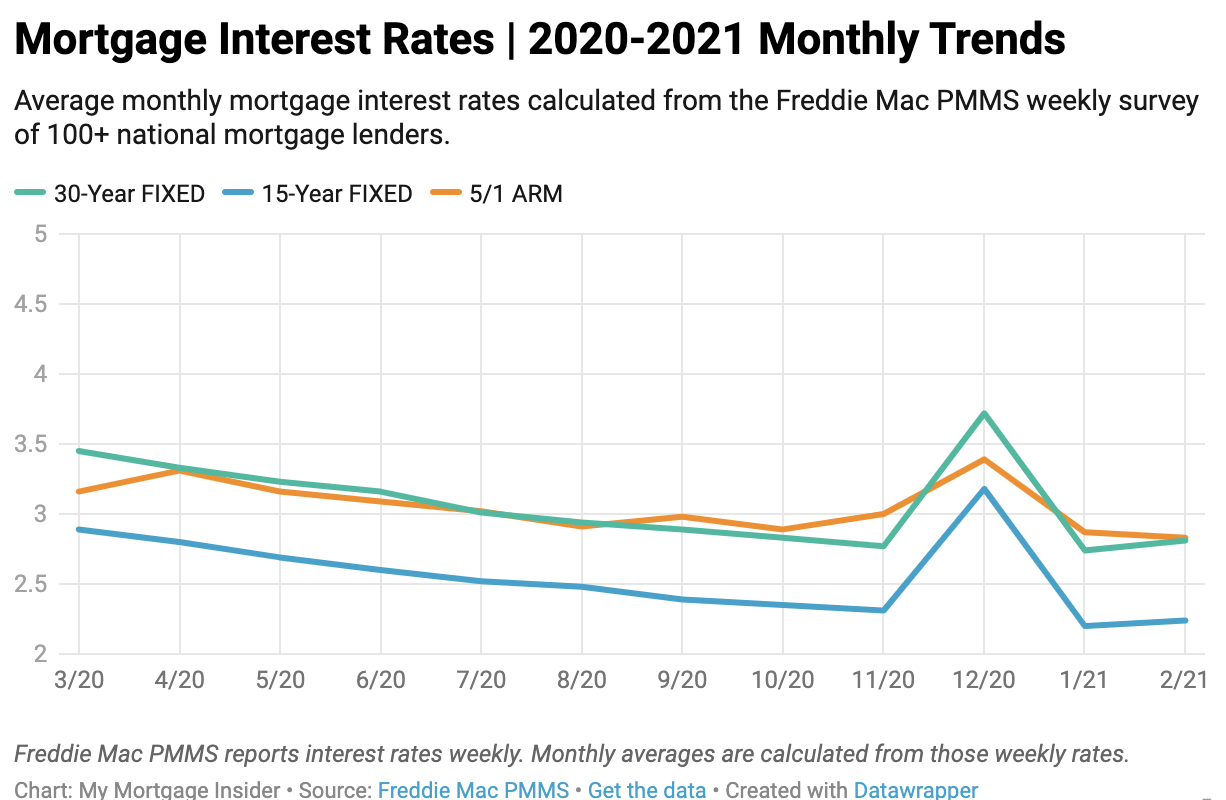
- Mortgage Rates: These are arguably the most impactful for many households. They are influenced by the federal funds rate but also by the bond market, particularly yields on U.S. Treasury bonds. When these yields rise, so do mortgage rates. Today, mortgage rates are significantly higher than they were a few years ago, impacting housing affordability and market activity. Fixed-rate mortgages lock in your rate, while adjustable-rate mortgages (ARMs) can fluctuate with market conditions.
- Auto Loans: Similar to mortgages, auto loan rates have generally increased. These rates are influenced by the prime rate (which is closely tied to the federal funds rate) and the borrower’s creditworthiness. Higher rates mean higher monthly payments and a greater total cost of the vehicle.
- Credit Card Rates: These tend to be the highest interest rates consumers face, often being variable and directly tied to the prime rate. As the Fed raises its benchmark rate, credit card APRs typically increase in tandem, making carrying a balance significantly more expensive. This highlights the importance of paying off high-interest credit card debt, especially in a rising rate environment.

Saving and Investing Rates: CDs, Savings Accounts, and Bonds
- Savings Accounts and Money Market Accounts: These accounts typically offer variable interest rates that are often slow to respond to Fed rate changes, both up and down. However, in a higher rate environment, some banks offer more competitive rates to attract deposits, though these still rarely keep pace with inflation.
- Certificates of Deposit (CDs): CDs offer a fixed interest rate for a specific term (e.g., 6 months, 1 year, 5 years). In today’s higher rate environment, CDs have become more attractive as they offer guaranteed returns significantly better than standard savings accounts, making them a popular choice for conservative investors.
- Bonds: Bond yields (the return an investor receives) move inversely to bond prices. When interest rates rise, newly issued bonds offer higher yields, making older, lower-yielding bonds less attractive, causing their prices to fall. Government bonds (Treasuries) are considered very safe and serve as a benchmark for other fixed-income investments. Corporate bonds offer higher yields but come with greater risk.
Business Lending Rates
Businesses also face higher borrowing costs, impacting their expansion plans, capital investments, and operational expenses. Lines of credit, commercial loans, and corporate bonds all reflect the higher rate environment. This can slow down business growth, hiring, and innovation as companies prioritize debt servicing over new ventures. Small businesses, in particular, may find access to affordable capital more challenging, affecting their ability to compete and expand.
Impact on Your Finances: Strategies for Today’s Rates
Understanding the current interest rate environment is the first step; the second is knowing how to strategically respond to protect and grow your financial well-being.
For Borrowers: Managing Debt in a High-Rate Environment
- Prioritize High-Interest Debt: Focus on paying down credit card balances and other high-interest consumer loans first. The compounded interest can quickly erode your financial progress.
- Refinancing Considerations: For mortgages or other large loans, assess if refinancing to a lower rate makes sense, though this is less common in a rising rate environment. For existing variable-rate loans, consider if locking into a fixed rate (if available and beneficial) offers more stability.
- Budgeting and Debt Consolidation: Tightly manage your budget to free up more funds for debt repayment. Explore debt consolidation options, such as a personal loan with a lower fixed rate, to simplify payments and potentially reduce overall interest costs.
- Auto Loans: If purchasing a car, shop around for the best rates from multiple lenders and consider smaller loan amounts or longer terms (with caution) to manage monthly payments, though this increases total interest paid.
For Savers and Investors: Maximizing Returns
- Seek Higher-Yielding Accounts: Take advantage of increased rates on savings accounts, money market accounts, and especially Certificates of Deposit (CDs). “CD ladders” can be an effective strategy to stagger maturities and capture future rate increases.
- Review Your Investment Portfolio: Consider how higher interest rates might impact your bond holdings. Shorter-duration bonds tend to be less sensitive to rate changes than longer-duration bonds. Rebalance your portfolio to align with your risk tolerance and current market conditions.
- Consider Fixed-Income ETFs/Mutual Funds: These can offer diversified exposure to bonds without needing to buy individual bonds, allowing for professional management and liquidity.
- Evaluate Risk Tolerance: While higher rates make fixed income more attractive, don’t abandon growth-oriented investments if they align with your long-term goals. A diversified portfolio remains key.
For Businesses: Capital and Growth Considerations
- Cost of Capital Analysis: Businesses must meticulously evaluate the cost of new debt for expansion or operational needs. Higher rates mean capital projects need to generate higher returns to justify the investment.
- Cash Flow Management: Optimizing cash flow becomes even more critical to reduce reliance on expensive short-term borrowing. Efficient inventory management and accounts receivable collection can free up capital.
- Debt Restructuring: Companies with existing variable-rate debt may explore options to fix their rates or restructure debt to reduce interest rate risk.
- Strategic Growth vs. Prudent Expansion: In a higher rate environment, businesses might shift from aggressive growth strategies to more prudent, self-funded expansion or focus on optimizing existing operations to enhance profitability.
Looking Ahead: What to Expect?
Predicting the exact future of interest rates is challenging, as it depends on a confluence of unpredictable global and domestic factors. However, financial institutions and economists regularly offer forecasts based on current data and anticipated trends.
Forecasts and Expert Opinions
Most forecasts suggest that central banks will remain vigilant in their fight against inflation, meaning rates may stay elevated for some time, even if the pace of increases slows or pauses. The “peak” of rate hikes might have been reached in some economies, but significant rate cuts are unlikely until inflation is firmly under control and economic growth shows signs of sustained weakness that warrants intervention. Experts will be closely watching inflation reports, unemployment figures, and geopolitical developments for clues about future policy decisions. Consensus generally points to a period of “higher for longer” rates compared to the pre-pandemic era.

Personal Financial Planning in a Dynamic Environment
For individuals, the key is not to panic, but to plan. Regularly review your budget, debt, and investments.
- Stay Informed: Keep an eye on economic news and central bank announcements.
- Build an Emergency Fund: A robust emergency fund provides a buffer against unexpected expenses, reducing the need for high-interest borrowing.
- Financial Advisement: Consider consulting a financial advisor to tailor strategies specific to your financial situation and goals, especially in complex or uncertain times.
- Flexibility: Build flexibility into your financial plans. A dynamic interest rate environment calls for agility and the ability to adapt your strategies as conditions evolve.
In conclusion, understanding what interest rates are today is more than just knowing a number; it’s about comprehending the powerful forces shaping our economic landscape and, by extension, our personal and business finances. By staying informed and adopting proactive strategies, you can navigate these economic currents effectively and position yourself for financial resilience and growth.
aViewFromTheCave is a participant in the Amazon Services LLC Associates Program, an affiliate advertising program designed to provide a means for sites to earn advertising fees by advertising and linking to Amazon.com. Amazon, the Amazon logo, AmazonSupply, and the AmazonSupply logo are trademarks of Amazon.com, Inc. or its affiliates. As an Amazon Associate we earn affiliate commissions from qualifying purchases.