
The seemingly simple question, “What in the interest rate today?” belies a profound and complex web of economic forces that dictate the flow of capital, influence purchasing power, and shape the financial decisions of individuals, businesses, and governments worldwide. Interest rates are far more than just numbers; they are the bedrock of modern finance, the invisible hand guiding economic activity, and a critical barometer of economic health. In an increasingly interconnected global economy, understanding the nuances of interest rate movements is not merely an academic exercise but a practical necessity for sound financial planning and strategic decision-making.
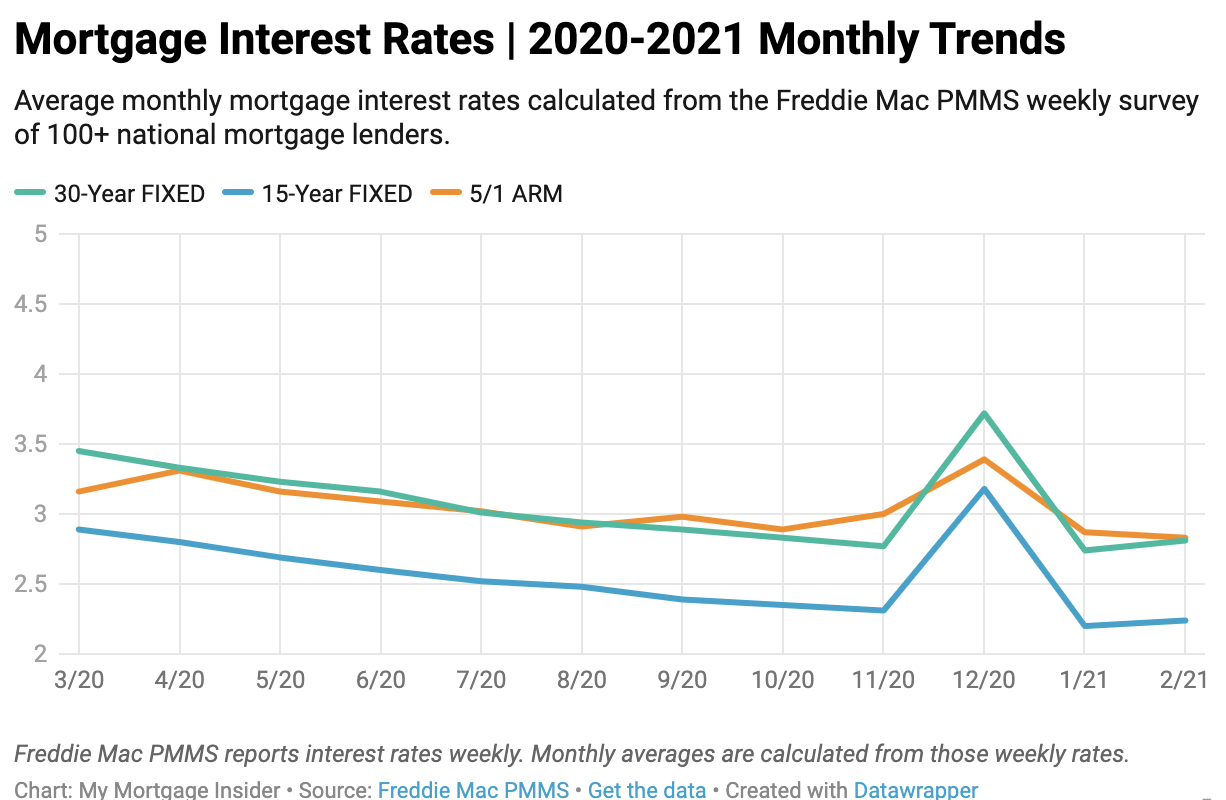
Today, we stand at a fascinating juncture in economic history, marked by shifting monetary policies, persistent inflationary pressures, and a re-evaluation of long-held assumptions about growth and stability. Whether you’re considering a mortgage, planning for retirement, running a business, or simply managing your daily finances, the prevailing interest rate environment holds significant implications for your financial well-being. This article delves into the core aspects of interest rates, their pervasive impact, and how to intelligently navigate the landscape they create.
Understanding the Fundamentals: What Are Interest Rates?
At its most basic level, an interest rate is the cost of borrowing money or the reward for lending it. It represents the percentage of the principal that a lender charges a borrower for the use of assets, or the amount a depositor receives for keeping their money with a financial institution. This fundamental concept underpins all financial transactions involving credit and debt.
The Cost of Money: A Basic Definition
Imagine money as a commodity. Just like any other commodity, it has a price. That price is the interest rate. When you borrow money, you pay interest as a fee for using someone else’s capital. When you lend money (e.g., by depositing it in a savings account or buying a bond), you receive interest as compensation for foregoing the immediate use of that money and for the risk of lending it. The nominal interest rate is the stated rate, while the real interest rate adjusts for inflation, providing a more accurate picture of the true cost of borrowing or return on saving. Understanding this distinction is crucial, especially in times of fluctuating inflation.
Key Drivers: Inflation, Economic Growth, and Central Bank Policy
Several powerful forces conspire to determine the level and direction of interest rates. Primarily, these include:
- Inflation: The most significant driver. When inflation is high, lenders demand higher interest rates to compensate for the eroded purchasing power of future repayments. Central banks often raise interest rates to combat inflation, making borrowing more expensive and slowing down economic activity.
- Economic Growth: A robust economy typically leads to higher demand for credit from businesses expanding and consumers spending. This increased demand can push interest rates up. Conversely, during economic slowdowns or recessions, central banks might lower rates to stimulate borrowing and investment.
- Central Bank Policy: Institutions like the U.S. Federal Reserve, European Central Bank, or Bank of England wield immense power over short-term interest rates through their monetary policy decisions. By setting benchmark rates (like the Federal Funds Rate), conducting open market operations, and using tools like quantitative easing or tightening, central banks directly influence the cost of money throughout the economy. Their mandates often involve maintaining price stability (controlling inflation) and fostering maximum sustainable employment.
- Supply and Demand for Credit: Beyond central banks, the general supply of available capital and the demand for borrowing also play a role. If there’s abundant capital and low demand, rates tend to fall. If capital is scarce and demand is high, rates rise.
- Government Borrowing: When governments issue bonds to finance deficits, they compete with private borrowers for capital, which can also influence interest rates.
These factors interact in complex ways, making interest rate forecasting an intricate discipline that requires constant monitoring of economic indicators and global events.
The Ripple Effect: How Interest Rates Impact Your Wallet
The prevailing interest rate environment has a profound and multifaceted impact on the financial health of households and businesses alike. From the cost of housing to the returns on your investments, these rates touch virtually every aspect of your financial life.
Borrowing Costs: Mortgages, Loans, and Credit Cards
For most individuals, the most immediate impact of interest rates is felt in their borrowing costs.
- Mortgages: Mortgage rates are highly sensitive to broader interest rate movements, particularly those influenced by central bank policy and the bond market. When rates rise, new mortgages become more expensive, potentially pricing some buyers out of the market or reducing their purchasing power. For those with adjustable-rate mortgages (ARMs), rising rates mean higher monthly payments. Conversely, falling rates can trigger a wave of refinancing activity as homeowners seek to lock in lower payments.
- Auto Loans and Personal Loans: Similar to mortgages, the interest rates on car loans, student loans, and other personal credit facilities move in tandem with the overall rate environment. Higher rates mean higher monthly payments and a greater total cost of borrowing.
- Credit Cards: Credit card interest rates are often tied to benchmark rates like the prime rate, which directly responds to central bank actions. As central banks raise rates, credit card APRs typically follow suit, making revolving debt more expensive and increasing the financial burden on consumers carrying balances.
Understanding these connections empowers you to make informed decisions about debt management, whether it’s timing a major purchase or strategically paying down high-interest balances.
Savings and Investments: Opportunities and Challenges
While higher rates make borrowing more expensive, they can present opportunities for savers and investors.
- Savings Accounts and CDs: When central banks raise rates, deposit rates offered by banks for savings accounts, money market accounts, and Certificates of Deposit (CDs) generally increase. This provides a better return on parked cash, encouraging savings.
- Bonds: Bond prices and interest rates have an inverse relationship. When interest rates rise, newly issued bonds offer higher yields, making existing lower-yield bonds less attractive, thus causing their market value to fall. However, for new bond investors, higher rates mean better returns. For those holding bonds until maturity, the principal is returned, but rising rates erode the opportunity cost of having locked in a lower yield.
- Stock Market: The relationship between interest rates and the stock market is complex. Higher rates can be a mixed bag: they increase borrowing costs for companies, potentially reducing their profits and making future earnings less valuable (discounted at a higher rate). This can put downward pressure on stock prices, especially for growth stocks that rely heavily on future projected earnings. However, a rate hike might also signal economic strength, which can be positive for cyclical stocks. Furthermore, higher bond yields make stocks less attractive by comparison, as investors can get a “risk-free” return in bonds.
Navigating this environment requires a balanced approach, considering both the risks and rewards across different asset classes.
Business Implications: Growth, Expansion, and Debt Management
For businesses, interest rates are a critical factor in financial planning, investment decisions, and profitability.
- Cost of Capital: Higher interest rates increase the cost of borrowing for businesses, whether through bank loans or corporate bonds. This makes capital expenditure projects (like building new factories or investing in R&D) more expensive, potentially slowing down expansion and job creation.
- Profitability: Businesses with significant floating-rate debt will see their interest expenses rise with increasing rates, directly impacting their bottom line. For businesses that rely on consumer spending, higher rates can dampen demand as consumers face higher borrowing costs and allocate more income to debt service.
- Investment Decisions: The “discount rate” used in valuing future cash flows for investment decisions is influenced by interest rates. Higher rates lead to a higher discount rate, making future profits less valuable in present terms and potentially reducing the attractiveness of long-term projects.
- Currency Strength: Higher domestic interest rates can attract foreign capital seeking better returns, which can strengthen the national currency. While beneficial for imports, a strong currency can make exports more expensive and less competitive internationally.
Savvy businesses develop strategies to mitigate interest rate risk, such as hedging, managing debt maturity profiles, and maintaining strong cash flows.
Decoding Central Bank Decisions: The Federal Reserve and Beyond
Central banks are the primary architects of interest rate policy, and their decisions reverberate across the global financial system. Understanding their motivations and tools is key to anticipating future rate movements.

Monetary Policy Tools: The Federal Funds Rate and Quantitative Tightening/Easing
The most direct and widely discussed tool of central banks, particularly the U.S. Federal Reserve, is setting the target range for the Federal Funds Rate. This is the interest rate at which commercial banks lend and borrow their excess reserves from each other overnight. While the Fed doesn’t directly set your mortgage or credit card rate, changes to the Fed Funds Rate ripple through the financial system, influencing all other short-term and long-term interest rates.
Beyond the benchmark rate, central banks also employ:
- Quantitative Easing (QE): Purchasing large quantities of government bonds and other financial assets from the open market. This injects liquidity into the financial system, lowers long-term interest rates, and encourages lending and investment.
- Quantitative Tightening (QT): The reverse of QE, where the central bank allows its bond holdings to mature without reinvesting the proceeds, or actively sells assets. This reduces the money supply, puts upward pressure on long-term rates, and aims to curb inflation.
- Discount Window Lending: The rate at which commercial banks can borrow directly from the central bank, serving as a backstop for liquidity.
Forward Guidance and Market Reactions
Central banks also use forward guidance, communicating their future policy intentions to the public and financial markets. This helps manage expectations, reduce uncertainty, and influence long-term rates even without immediate action. Market participants scrutinize every word from central bank officials, as even subtle shifts in language can lead to significant market reactions. Surprises in policy decisions or communications can trigger volatility in stock markets, bond markets, and currency exchange rates.
Global Interconnectedness: International Rate Spillovers
No country’s interest rate policy exists in a vacuum. Major central bank actions, particularly those of the U.S. Federal Reserve, have significant spillover effects on global financial markets. When the Fed raises rates, for instance, it can attract capital away from emerging markets, weaken other currencies against the dollar, and make dollar-denominated debt more expensive for foreign borrowers. This interconnectedness means that understanding “what in the interest rate today” requires a global perspective, considering not just domestic factors but also international capital flows and geopolitical dynamics.
Strategies for Thriving in a Dynamic Rate Environment
Given the pervasive influence of interest rates, developing a strategic approach is essential for individuals and businesses to navigate periods of both rising and falling rates effectively.
For Savers: Maximizing Yields on Deposits and Investments
In a rising rate environment, savers have an advantage.
- Shop for High-Yield Accounts: Don’t let your cash sit in a low-interest checking or savings account. Explore online banks, credit unions, and financial technology platforms that often offer more competitive rates on savings accounts and money market accounts.
- Consider CDs and Short-Term Bonds: If you have funds you don’t need for immediate use, Certificates of Deposit (CDs) can lock in higher rates for a defined period. Short-term government bonds or high-quality corporate bonds can also offer attractive yields without significant interest rate risk if held to maturity.
- Rebalance Portfolios: Review your investment portfolio. If bond yields have become more attractive relative to equity valuations, consider rebalancing to capture better risk-adjusted returns from fixed income.
For Borrowers: Refinancing, Debt Consolidation, and Smart Loan Choices
When rates are low, borrowers can optimize their debt. When rates are rising, the focus shifts to minimizing exposure.
- Refinance Strategically: If rates have fallen significantly since you took out a mortgage or other loan, consider refinancing to a lower rate, especially if you have an adjustable-rate mortgage (ARM) and foresee rates rising. Conversely, if rates are low, consider converting an ARM to a fixed-rate mortgage to lock in predictable payments.
- Consolidate High-Interest Debt: Use personal loans with lower fixed rates or balance transfer credit cards (with introductory 0% APRs) to consolidate high-interest credit card debt. Be disciplined about paying off the consolidated debt.
- Prioritize Debt Repayment: In a rising rate environment, prioritize paying down variable-rate debt, such as credit card balances, as their costs will increase.
- Choose Fixed-Rate Loans: Whenever possible, opt for fixed-rate loans (e.g., fixed-rate mortgages, auto loans) to ensure predictable payments and protect yourself from future rate hikes.
For Businesses: Hedging, Capital Allocation, and Strategic Planning
Businesses need sophisticated strategies to manage interest rate risk.
- Interest Rate Hedging: Companies with significant floating-rate debt can use financial instruments like interest rate swaps or caps to hedge against rising rates, effectively converting variable-rate debt into fixed-rate debt.
- Optimize Capital Structure: Regularly review the mix of debt and equity financing. In a low-rate environment, locking in long-term fixed-rate debt can be advantageous. In a high-rate environment, preserving cash and focusing on organic growth funded by retained earnings might be preferable.
- Scenario Planning: Conduct thorough scenario analyses to understand how different interest rate environments might impact cash flow, profitability, and investment returns. This helps in developing agile strategic plans.
- Manage Working Capital: Efficiently manage accounts receivable and payable to reduce reliance on short-term borrowing, which is often more sensitive to rate changes.
The Future Landscape: What to Watch For
The current interest rate environment is dynamic, influenced by a confluence of economic and geopolitical factors. Staying informed is crucial for making proactive financial decisions.
Inflationary Pressures and Economic Indicators
Keep a close eye on inflation data (Consumer Price Index, Producer Price Index), employment reports, GDP growth figures, and manufacturing indices. These indicators provide clues about the health of the economy and the likely direction of central bank policy. Persistent high inflation will likely necessitate continued restrictive monetary policy, keeping rates elevated. A significant slowdown in growth might lead central banks to pause or reverse rate hikes.
Geopolitical Events and Market Volatility
Global events, such as conflicts, trade disputes, and energy supply shocks, can introduce significant uncertainty and volatility into financial markets. Such events can disrupt supply chains, fuel inflation, or trigger safe-haven flows into certain assets, all of which can indirectly influence interest rates. The interconnectedness of global finance means that local events can have far-reaching consequences.

Expert Forecasts and Personal Financial Planning
While no one has a crystal ball, staying abreast of analyses from reputable financial institutions, economists, and market strategists can provide valuable insights into potential future interest rate trajectories. However, remember that forecasts are not guarantees. Ultimately, your personal financial planning should focus on building resilience, diversifying investments, and making choices that align with your long-term goals, regardless of short-term rate fluctuations. Regularly review your financial position, adjust your strategies as needed, and consider consulting with a financial advisor to tailor your approach to the current interest rate environment.
In conclusion, “what in the interest rate today” is a question with a multitude of answers and implications. It’s a barometer of economic health, a tool of monetary policy, and a direct determinant of financial costs and returns. By understanding its drivers, impacts, and strategic responses, individuals and businesses can navigate the complex world of finance with greater confidence and secure their financial future amidst the shifting sands of global economic change.
aViewFromTheCave is a participant in the Amazon Services LLC Associates Program, an affiliate advertising program designed to provide a means for sites to earn advertising fees by advertising and linking to Amazon.com. Amazon, the Amazon logo, AmazonSupply, and the AmazonSupply logo are trademarks of Amazon.com, Inc. or its affiliates. As an Amazon Associate we earn affiliate commissions from qualifying purchases.