
The housing market stands as a cornerstone of the global economy, and at its heart lies the ever-fluctuating pulse of mortgage rates. For aspiring homeowners, current homeowners considering refinancing, or even seasoned investors, understanding “where mortgage rates are today” is not merely an academic exercise; it’s a critical component of financial planning and decision-making. These rates dictate the monthly cost of homeownership, influence housing affordability, and ripple through the broader economic landscape, affecting everything from consumer spending to construction activity. This comprehensive analysis delves into the current state of mortgage rates, the powerful forces that shape them, their tangible impact on individuals and the market, and strategies for navigating this dynamic environment.

The Current Landscape of Mortgage Rates
To understand the present, we must first get a clear picture of the numbers. Mortgage rates are a moving target, influenced by a confluence of economic indicators and market sentiment.
A Snapshot of Today’s Rates
As of the current period, mortgage rates exhibit a complex picture of stability punctuated by occasional volatility. The flagship 30-year fixed-rate mortgage, a popular choice for its predictable monthly payments, typically hovers in a range that, while historically elevated compared to the ultra-low rates seen in the post-2008 era, has recently shown signs of slight moderation or stubborn resistance to further decline. For instance, you might find average rates for a 30-year fixed loan in the mid-6% to low-7% range, depending on various factors like lender, borrower creditworthiness, and market conditions.
The 15-year fixed-rate mortgage, appealing to those who prefer to pay off their loan faster and secure a lower overall interest cost, typically commands a rate that is notably lower than its 30-year counterpart—often by half a percentage point or more. This allows for significant interest savings over the life of the loan, though it comes with a higher monthly payment. Adjustable-Rate Mortgages (ARMs), particularly the 5/1 or 7/1 ARMs (meaning the rate is fixed for 5 or 7 years, then adjusts annually), usually start with an even lower introductory rate. While attractive initially, the inherent risk of future rate adjustments makes them a choice for borrowers with specific financial strategies or shorter-term homeownership plans.
Recent Trends and Volatility
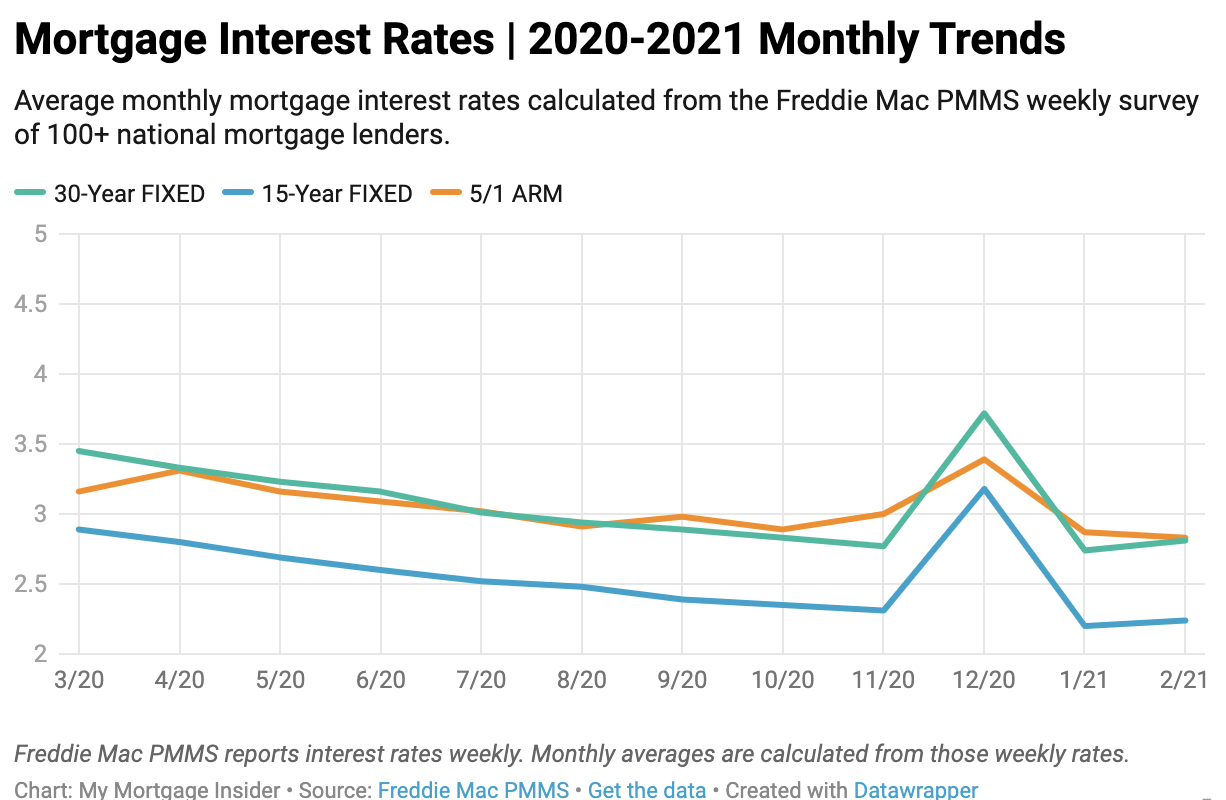
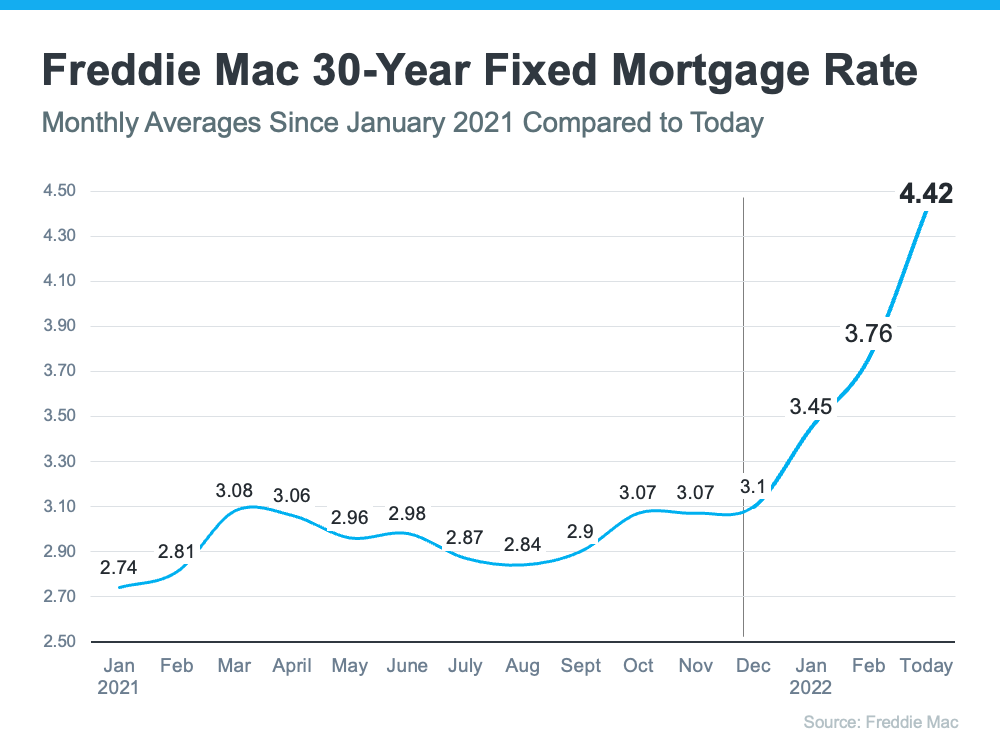
The journey of mortgage rates over the past year or two has been a rollercoaster. Following a period of historically low rates during the pandemic, driven by aggressive monetary policy easing, we witnessed a dramatic surge as central banks worldwide moved to combat persistent inflation. This rapid ascent pushed rates to levels not seen in over two decades, shocking many prospective buyers and cooling what was once a red-hot housing market. More recently, rates have experienced periods of sideways movement, oscillating within a relatively narrow band. Minor economic data releases or shifts in market sentiment can cause daily fluctuations, often by a few basis points, which can nonetheless influence individual borrowing costs. This volatility underscores the importance of staying informed and being prepared to act swiftly when favorable conditions arise.
Historical Context
Placing today’s rates in historical context provides crucial perspective. The era of sub-3% 30-year fixed rates was an anomaly, a response to severe economic crises. Prior to that, rates frequently hovered in the 4-6% range. Looking back further, the early 1980s saw mortgage rates soar into the double digits, exceeding 18% at one point. Compared to that extreme, today’s rates, while challenging for some, are far from the highest recorded. This historical lens helps temper expectations and highlights the cyclical nature of financial markets, reminding us that what goes up can come down, and vice versa, often driven by fundamental economic forces.
Key Factors Driving Mortgage Rate Movements
Mortgage rates do not move in a vacuum; they are a complex derivative of broader economic conditions and policy decisions. Understanding these drivers is essential for anticipating future trends.
Federal Reserve Policy and Interest Rates
Perhaps the most significant influencer of mortgage rates is the Federal Reserve. While the Fed does not directly set mortgage rates, its monetary policy decisions—particularly the federal funds rate—have a profound indirect impact. When the Fed raises its benchmark rate to combat inflation, borrowing costs across the economy tend to rise. Although the federal funds rate directly affects short-term lending, it indirectly pushes up the yields on long-term bonds, such as the 10-year Treasury note, which often serve as a benchmark for 30-year fixed mortgage rates. The Fed’s quantitative easing (buying bonds) or quantitative tightening (selling bonds) also influences the supply and demand for mortgage-backed securities, further affecting rates.
Inflation Expectations
Inflation is a silent killer of purchasing power, and lenders factor it heavily into their rate calculations. If lenders expect inflation to erode the value of future loan repayments, they will demand a higher interest rate today to compensate for that anticipated loss. Conversely, if inflation expectations recede, the pressure on rates can ease. Economic reports like the Consumer Price Index (CPI) and Producer Price Index (PPI) are closely watched for signs of inflationary or disinflationary trends, directly impacting bond yields and, subsequently, mortgage rates.
Economic Indicators
A robust economy generally signals higher demand for credit and potential inflation, which can push rates up. Conversely, a weakening economy might lead to lower rates as investors seek the safety of bonds, driving down yields. Key economic indicators that influence rates include:
- Employment Data: Strong job growth and low unemployment can signal an overheating economy, potentially leading to higher rates.
- Gross Domestic Product (GDP) Growth: A rapidly expanding economy can fuel inflation and higher rates.
- Consumer Confidence: High consumer confidence can lead to increased spending and borrowing, impacting rates.
- Housing Market Data: Housing starts, existing home sales, and home price appreciation can provide insights into overall economic health and influence the Fed’s stance.
Geopolitical Events and Market Sentiment
Global stability and geopolitical events can introduce significant uncertainty into financial markets. During times of crisis or heightened geopolitical tension, investors often flock to safe-haven assets like U.S. Treasury bonds, driving down their yields. Since mortgage rates are often tied to these yields, a surge in demand for Treasuries can paradoxically lead to a temporary dip in mortgage rates. Market sentiment, driven by news cycles, analyst forecasts, and investor psychology, also plays a role, sometimes causing rates to overreact or underreact to fundamental economic data.
Impact on Homebuyers and Homeowners
The trajectory of mortgage rates has a direct and profound impact on individuals’ financial lives and the broader housing market.
Affordability Challenges for Buyers
For prospective homebuyers, particularly first-time buyers, higher mortgage rates translate directly into increased monthly payments. Even a seemingly small increase of half a percentage point can add hundreds of dollars to a monthly mortgage payment, significantly reducing a buyer’s purchasing power. This challenge is compounded by high home prices, which have seen substantial appreciation in many markets over the past few years. The combination of elevated rates and high prices creates an affordability crunch, pushing homeownership out of reach for many and forcing others to consider smaller homes, different neighborhoods, or extending their home search.
Refinancing Decisions
Existing homeowners closely monitor rates for opportunities to refinance. When rates fall significantly below their current mortgage rate, refinancing can lead to substantial monthly savings, reduce the total interest paid over the life of the loan, or allow for a shorter loan term. Conversely, in a rising rate environment, the incentive to refinance dwindles. Many homeowners who secured ultra-low rates during the pandemic now find themselves “rate locked in,” unwilling to sell and buy a new home at a higher rate, which contributes to low housing inventory. For those with adjustable-rate mortgages, rising rates can be a source of anxiety as their payments are set to increase when the fixed period ends.
Housing Market Dynamics
Mortgage rates are a primary determinant of housing market health.
- Demand: Higher rates typically cool buyer demand as affordability diminishes. This can lead to fewer bidding wars and a more balanced market, or even a buyer’s market in some areas.
- Inventory: The “lock-in” effect mentioned above contributes to lower housing inventory, as current homeowners are reluctant to move and take on a new, higher-rate mortgage. This limited supply can paradoxically keep home prices elevated even amidst reduced demand.
- Home Prices: While higher rates can eventually put downward pressure on home prices by reducing buyer demand, the current shortage of inventory has somewhat buffered this effect in many regions. However, sustained high rates over a longer period would likely lead to more significant price adjustments.
Strategies for Navigating the Mortgage Market
Given the dynamic nature of mortgage rates, a proactive and informed approach is crucial for anyone engaging with the housing market.
Understanding Different Mortgage Products
The first step is to recognize that not all mortgages are created equal.
- Fixed-Rate Mortgages (FRMs): Offer stability with a consistent interest rate and monthly payment for the life of the loan (e.g., 30-year, 15-year). Ideal for long-term homeowners seeking predictability.
- Adjustable-Rate Mortgages (ARMs): Start with a lower fixed rate for an initial period (e.g., 5, 7, or 10 years), then adjust periodically based on a market index. Can be beneficial for those who plan to sell or refinance before the adjustment period or are comfortable with potential payment changes.
- Government-Backed Loans (FHA, VA, USDA): Offer specific benefits such as lower down payments or more flexible credit requirements for eligible borrowers, often at competitive rates. Researching these options can open doors for a wider range of buyers.
Improving Your Financial Profile
Lenders assess risk, and a stronger financial profile translates to better rates.
- Credit Score: A higher credit score (generally above 740) signals responsible financial behavior and qualifies you for the most competitive rates. Pay bills on time, reduce revolving debt, and check your credit report for errors.
- Debt-to-Income Ratio (DTI): Lenders look at your total monthly debt payments relative to your gross monthly income. A lower DTI (ideally below 43%) demonstrates your ability to manage additional mortgage payments.
- Down Payment: A larger down payment reduces the amount you need to borrow, potentially lowering your interest rate and definitely reducing your monthly payment and eliminating the need for private mortgage insurance (PMI) on conventional loans.
Locking In a Rate
When you find a rate that you are comfortable with and have an accepted offer on a home, consider locking in your rate. A rate lock guarantees your interest rate for a specific period (e.g., 30, 45, or 60 days) while your loan processes. This protects you from potential rate increases. Be aware of lock expiration dates and any fees associated with extending the lock if your closing is delayed. Your lender can explain the terms and conditions.
Seeking Professional Advice
The mortgage market is complex. Engaging with qualified professionals can provide invaluable guidance.
- Mortgage Brokers: Work with multiple lenders and can shop around to find the best rates and loan products tailored to your specific situation.
- Financial Advisors: Can help you integrate your mortgage decision into your broader financial plan, considering your long-term goals and risk tolerance. They can also advise on the impact of interest rates on your overall wealth.
What Lies Ahead: Outlook and Predictions
Forecasting mortgage rates is an imprecise science, subject to numerous variables. However, understanding the prevailing outlook and potential scenarios can help in planning.
Expert Forecasts
Economists and market analysts continuously adjust their predictions based on incoming data. Many anticipate that while the era of ultra-low rates is likely behind us for the foreseeable future, rates may stabilize or even see modest declines if inflation continues to cool and the Federal Reserve signals an end to its tightening cycle or begins to consider rate cuts. However, significant drops back to pandemic-era lows are generally not expected soon, as the economic landscape has fundamentally shifted. Forecasts often project a range for the 30-year fixed rate, perhaps hovering in the mid-to-high 6% range, with potential for slight downward adjustments if a mild recession materializes or if inflation is decisively brought under control.
Potential Scenarios
Several scenarios could play out, each with different implications for mortgage rates:
- Scenario 1: Soft Landing: If the economy cools gradually without a significant recession and inflation recedes steadily, rates could stabilize and potentially drift modestly lower over time. This is often the most hoped-for outcome.
- Scenario 2: Persistent Inflation: If inflation proves more stubborn than expected, forcing the Fed to maintain higher interest rates for longer, mortgage rates would likely remain elevated or even see further upward pressure.
- Scenario 3: Deep Recession: A severe economic downturn could prompt the Fed to cut rates aggressively, which would likely lead to a notable decrease in mortgage rates as investors flock to bonds and demand for credit falls. However, this scenario comes with its own set of economic challenges.
- Scenario 4: Geopolitical Shocks: Unforeseen global events can quickly alter market sentiment, leading to rapid, unpredictable shifts in rates as investors react to perceived risks or opportunities.
Long-Term Considerations
In the long term, mortgage rates will continue to be influenced by fundamental economic factors: population growth, productivity improvements, global capital flows, and government fiscal policy. As demographics shift and technological advancements reshape industries, these underlying forces will play a role in setting the stage for future rate environments. For borrowers, the long-term perspective emphasizes the importance of financial resilience, adaptability, and continuous education about personal finance and market dynamics.
In conclusion, “where mortgage rates are today” is a question with a multi-faceted answer. They are currently at levels that demand careful financial planning and strategic decision-making, significantly higher than the anomalous lows of recent memory but far from historical peaks. These rates are a direct consequence of central bank actions to combat inflation, global economic trends, and geopolitical stability. For both current and prospective homeowners, understanding these dynamics and implementing sound financial strategies are paramount to successfully navigating the ever-evolving financial landscape of homeownership.
aViewFromTheCave is a participant in the Amazon Services LLC Associates Program, an affiliate advertising program designed to provide a means for sites to earn advertising fees by advertising and linking to Amazon.com. Amazon, the Amazon logo, AmazonSupply, and the AmazonSupply logo are trademarks of Amazon.com, Inc. or its affiliates. As an Amazon Associate we earn affiliate commissions from qualifying purchases.