
For many budget-conscious travelers and savvy financial planners, the prospect of a “free flight” through airline loyalty programs like American Airlines AAdvantage is an enticing goal. It represents a significant reduction in travel expenses, turning what could be a substantial cash outlay into a reward for past loyalty. However, the path to redeeming an American Airlines free flight isn’t a simple, fixed equation. The number of miles required is a dynamic figure, influenced by a myriad of factors that demand a strategic approach to both earning and spending. Understanding these nuances is crucial for maximizing the financial utility of your AAdvantage miles and truly realizing the “free” aspect of your next journey. This guide delves into the financial mechanics of AAdvantage redemptions, offering insights for those looking to optimize their travel budget through smart mile management.
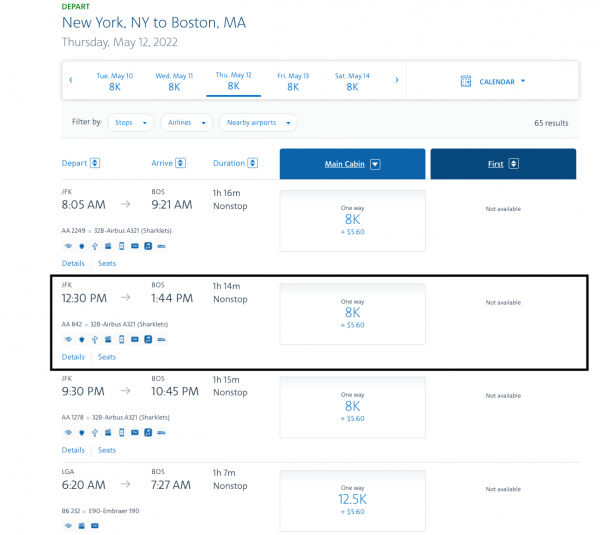
Understanding the Dynamic Nature of AAdvantage Award Pricing
Unlike a fixed-price commodity, the mileage cost of an American Airlines “free flight” is fluid, making it essential for members to grasp the underlying system to effectively plan their travel finances. The era of static award charts has largely given way to more variable pricing models, demanding a sharper financial acumen from mile collectors.
The Core Concept: Variable Award Charts
While American Airlines still publishes a loose “Award Chart” for its partner airlines, its own flights predominantly operate on a dynamic pricing model, often referred to as “web specials” or “dynamic awards.” This means the number of miles needed for a particular flight can change by the minute, much like cash prices. This variability introduces both opportunity and challenge. On one hand, it allows for incredibly cheap redemptions during low-demand periods or on less popular routes. On the other, it can lead to exorbitant mileage costs for popular routes, peak travel times, or last-minute bookings, effectively diminishing the per-mile value of your hard-earned rewards. For the financially astute traveler, this dynamic system requires diligent monitoring and flexibility to uncover the true bargains. It’s no longer about memorizing a chart but understanding market dynamics.
Factors Influencing Mileage Cost: Destination, Class, and Demand
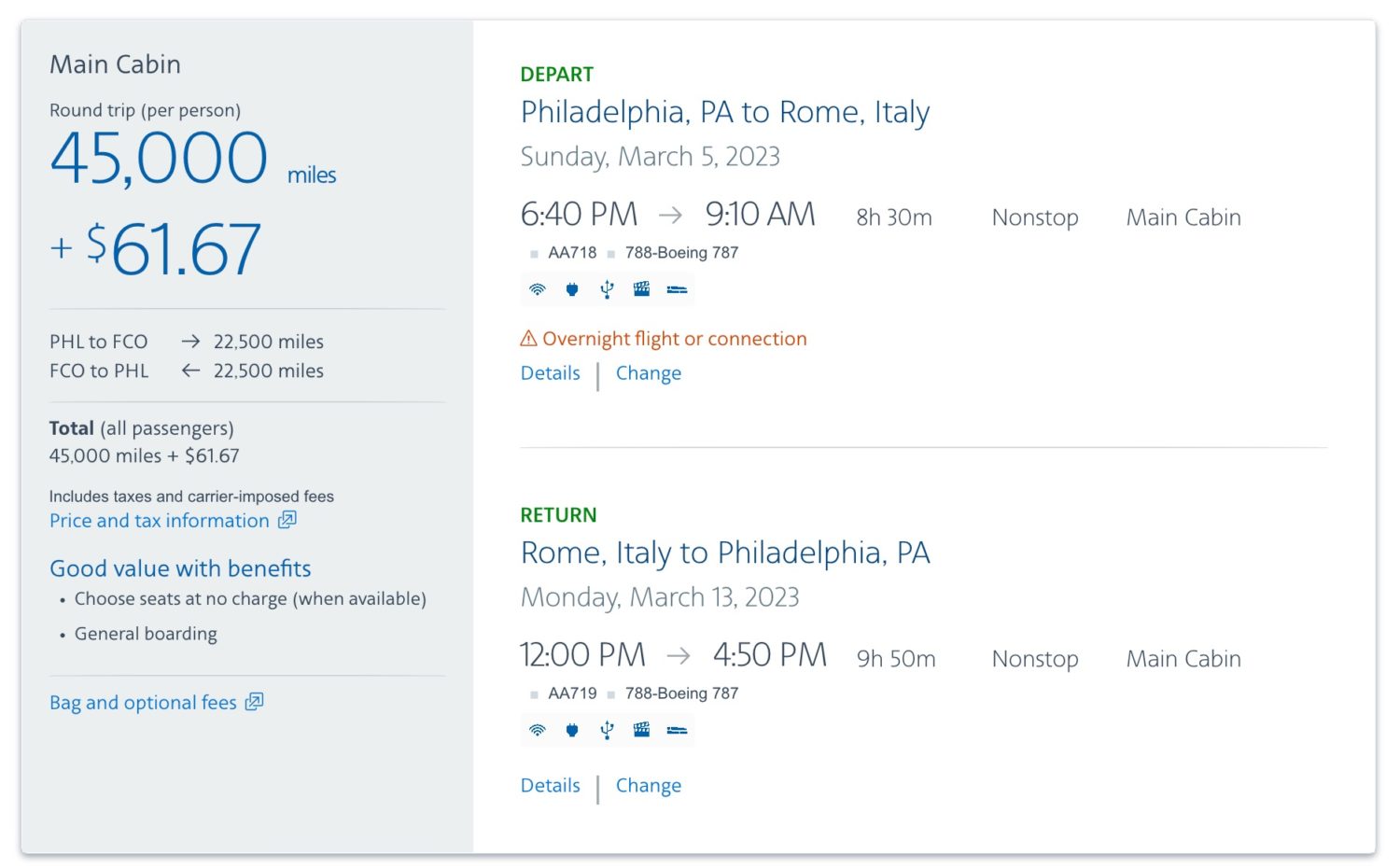
Several key elements play into the ultimate mileage requirement for an American Airlines flight, each demanding consideration in your financial strategy. The destination is paramount; flights to popular international hubs or leisure spots often command a higher mileage price, particularly from major American Airlines gateways. Conversely, less popular domestic routes or those served by multiple carriers might offer better value. The class of service is another significant determinant. While an economy seat might be achievable for 12,500 to 30,000 miles for a domestic one-way, upgrading to business or first class can easily push the requirement into the tens or hundreds of thousands of miles. From a financial perspective, evaluating if the comfort upgrade is worth the additional mileage “cost” is a personal finance decision. Lastly, demand and seasonality are critical. During peak travel seasons (holidays, school breaks, summer), award space becomes scarcer and mileage requirements skyrocket. Booking far in advance or targeting off-peak travel dates can dramatically reduce the mileage burden, stretching your financial resources further.
The Role of Peak vs. Off-Peak Travel
Although American Airlines primarily uses dynamic pricing, remnants of peak and off-peak logic still exist and significantly impact award availability and cost, especially for international travel or partner awards. Historically, American Airlines published specific “off-peak” dates for various regions, offering lower mileage requirements during those periods. While this is less formalized now for AA’s own flights under dynamic pricing, the underlying principle holds: travel during periods of lower demand (which often align with traditional “off-peak” dates) will almost always require fewer miles. For instance, a flight to Europe in February might cost significantly less in miles than the identical flight in July. Integrating this awareness into your travel planning means aligning your schedule with periods of lower demand to maximize the financial impact of your miles, turning a potentially expensive trip into a highly cost-effective one.
Strategic Accumulation: Maximizing Your AAdvantage Mile Earnings
Earning AAdvantage miles is not merely about flying; it’s a multi-faceted financial strategy involving various spending categories. To truly unlock “free flights,” one must adopt a comprehensive approach to mile accumulation, ensuring every dollar spent contributes to your travel fund.
Credit Card Synergies: Co-Branded Cards and Transfer Partners
For many, the quickest and most efficient way to amass a significant number of AAdvantage miles is through co-branded credit cards offered by American Airlines partners, primarily Citi and Barclays. These cards come with attractive sign-up bonuses, often ranging from 50,000 to 75,000 miles (sometimes more), which alone can be enough for several domestic flights or a substantial contribution to an international redemption. Beyond the bonus, these cards offer accelerated earning rates on American Airlines purchases and often on everyday spending categories. From a financial planning perspective, choosing the right co-branded card involves evaluating annual fees, earning structures, and ancillary benefits (like free checked bags or priority boarding) against your spending habits and travel goals. While American Airlines doesn’t directly partner with transferable points programs like Chase Ultimate Rewards or American Express Membership Rewards, there are indirect strategies. For example, Marriott Bonvoy points can be transferred to AAdvantage, offering an alternative avenue for point conversion, albeit usually at a less favorable rate.
Flying Smart: Earning Miles Through American Airlines and Oneworld Partners
The traditional method of earning miles – by flying – remains a cornerstone of the AAdvantage program. However, the earning structure has shifted from distance-based to revenue-based. This means the number of miles you earn is primarily determined by the ticket price (base fare + carrier-imposed fees, excluding government taxes) and your AAdvantage status level, rather than the physical distance flown. For example, a basic AAdvantage member earns 5 miles per dollar spent, while an Executive Platinum member earns 11 miles per dollar. This structure means higher-spending passengers earn miles faster. Additionally, flying on Oneworld alliance partners (e.g., British Airways, Cathay Pacific, Qatar Airways) and other airline partners (e.g., Hawaiian Airlines, JetBlue) also accrues AAdvantage miles, broadening your earning potential across a global network. When booking, consider the mileage earning potential as part of the overall value proposition, especially for business travel where costs are often higher.
Beyond the Air: Shopping, Dining, and Other AAdvantage Opportunities
AAdvantage extends far beyond flights and credit cards, offering numerous ways to earn miles through everyday activities. The AAdvantage eShopping portal allows members to earn bonus miles per dollar spent at hundreds of online retailers. Similarly, the AAdvantage Dining program rewards you with miles when dining at participating restaurants. Other opportunities include booking hotels through AAdvantage Hotels, renting cars with partner agencies, and even participating in market research surveys. While these methods typically offer smaller mileage increments individually, they collectively represent a significant opportunity for passive mileage accumulation. For a disciplined personal financier, integrating these programs into regular spending habits ensures that every expenditure, from groceries to online purchases, contributes to the ultimate goal of a “free flight,” effectively turning routine spending into a travel investment.
Decoding Redemption: Getting the Most Financial Value from Your Miles
The true financial benefit of AAdvantage miles is realized at the point of redemption. It’s not just about spending miles; it’s about spending them wisely to achieve the highest possible “cents per mile” (CPM) value and extract maximum savings from your travel budget.
The Sweet Spots: Identifying High-Value Award Redemptions

Finding “sweet spots” is the art of maximizing your miles’ financial worth. Generally, the highest CPM values are found in premium cabin redemptions (business or first class), especially on long-haul international routes. While these require a significant number of miles, the cash price equivalent for such seats can be extraordinarily high, making the mileage redemption an exceptional deal. For example, a business class ticket to Asia that would cost $5,000-$10,000 in cash might be redeemable for 60,000-80,000 miles one-way, yielding a CPM value far exceeding what you’d get for an economy ticket. Another sweet spot often lies in off-peak international economy redemptions, where lower mileage requirements can translate into excellent value for specific destinations. Regularly checking American Airlines’ “Web Specials” can also reveal unexpectedly low mileage prices for various routes, which represent prime opportunities for high-value redemptions.
Avoiding Pitfalls: When to Pay Cash Instead of Miles
Not all mileage redemptions are created equal, and a crucial aspect of financial prudence is knowing when to save your miles and pay with cash. If a flight’s cash price is exceptionally low, say $100 for a domestic roundtrip, using 25,000 miles for that same flight would yield a meager 0.4 CPM (cents per mile) value. In such cases, your miles are far better “invested” in a more expensive flight where their value can be amplified. Additionally, beware of excessive taxes and fees on award tickets, particularly when flying on certain international partners (e.g., British Airways, which can have high fuel surcharges). While the flight itself might be “free,” significant out-of-pocket expenses can negate the financial benefit. A sound financial strategy involves comparing the cash price of a ticket (including all taxes and fees) against the mileage cost to calculate the CPM, ensuring you’re getting at least 1.2-1.5 CPM, or ideally much higher, before committing your valuable miles.
Tools and Techniques for Finding Award Availability
Finding optimal award availability is key to securing those sweet spots. American Airlines’ own website is the primary tool, but it can sometimes be limited in displaying partner availability. ExpertFlyer and British Airways’ website (for Oneworld partner searches) are often recommended by experienced mileage collectors. Using these tools allows for more granular searches, setting alerts for specific routes and dates, and identifying hidden award space that might not appear on AA.com. Flexibility with travel dates, origin, and destination airports dramatically increases the chances of finding award availability at desirable mileage levels. For international trips, searching segment by segment (e.g., domestic leg first, then international leg) can sometimes reveal options not visible in a single search. This proactive approach to searching ensures you’re not just settling for the first available redemption but strategically finding the best possible financial return on your accumulated miles.
Valuing Your Miles: A Personal Finance Perspective
For those who view miles as a form of currency or an asset, understanding their inherent value is paramount. It shifts the perception of a loyalty program from a mere perk to an integral part of personal finance and travel budgeting.
Calculating the Cents Per Mile (CPM) Value
The “cents per mile” (CPM) metric is the most direct way to assess the financial value you’re receiving from your AAdvantage miles. It’s calculated by dividing the cash price of a ticket (minus any taxes and fees you’d pay on an award ticket) by the number of miles required for that ticket, then multiplying by 100.
CPM = [(Cash Price – Award Taxes/Fees) / Miles Used] * 100
For example, if a flight costs $500 cash (with $50 in taxes/fees) and requires 30,000 miles (with the same $50 in taxes/fees), your CPM is [($500 – $50) / 30,000] * 100 = 1.5 CPM. General industry benchmarks suggest that a redemption yielding 1.2-1.5 CPM is good, while anything above 2 CPM is excellent. Consistently calculating CPM helps you make financially sound decisions about when to use miles and when to pay cash, ensuring your travel budget is optimized.
The Opportunity Cost of Miles vs. Cash
Every time you redeem miles, there’s an inherent opportunity cost. Those miles could have been saved for a more valuable redemption in the future, or they could have been “sold” (hypothetically, if there were a legal market) for a certain cash value. Conversely, paying cash for a flight means that cash is no longer available for other investments or expenses. A key aspect of personal finance is understanding this trade-off. Should you use 25,000 miles for a domestic flight worth $300, or save them for a business class flight to Europe worth $5,000 for 60,000 miles? The latter often represents a much higher return on your “mileage investment.” Your personal travel goals and financial liquidity should guide this decision. If you have an abundance of cash, saving miles for high-value premium cabin redemptions might be prudent. If cash is tight, even a modest economy redemption can provide significant financial relief.
Integrating AAdvantage into Your Overall Travel Budget
For the financially organized traveler, AAdvantage miles are not just a separate pot of “free money”; they are an integrated component of a holistic travel budget. Instead of simply paying for flights, you’re strategically allocating your resources between cash and miles. This involves:
- Forecasting: Estimating future travel needs and the miles required.
- Earning Targets: Setting goals for mile accumulation based on desired redemptions.
- Budgeting for Co-pays: Always accounting for taxes, fees, and surcharges on award tickets, as these are rarely covered by miles.
- Prioritization: Deciding whether to use miles for expensive flights (high CPM) or to save cash on more frequent, lower-cost trips.
By consciously integrating AAdvantage into your financial planning, you transform sporadic “free flights” into a predictable and efficient way to manage and reduce your overall travel expenditures, turning a loyalty program into a powerful financial tool.
Advanced Strategies for the Savvy Mile Hoarder
For those committed to maximizing the financial leverage of their AAdvantage miles, several advanced strategies can unlock even greater value, pushing the definition of “free flight” beyond just the absence of a cash ticket price.
Leveraging Status for Enhanced Award Access
Elite status within the AAdvantage program, while primarily associated with perks like upgrades and lounge access, can indirectly enhance the value of your mileage redemptions. Higher-tier members (Gold, Platinum, Platinum Pro, Executive Platinum) often gain access to a broader range of award seats, particularly in premium cabins. While this isn’t a guaranteed feature, airlines sometimes release more award space to their most loyal customers. This means that an Executive Platinum member might find an award seat on a desirable flight when a general member sees none, or find it at a lower mileage cost due to better availability of “saver” level awards. From a financial perspective, achieving status can be seen as an investment (through increased flying or credit card spending) that yields dividends in the form of more accessible and potentially lower-cost award travel, making your existing mile balance more powerful.
Companion Certificates and Other Perks
Certain AAdvantage co-branded credit cards come with valuable perks beyond just mileage earning, most notably companion certificates. These certificates allow you to bring a companion on a qualifying flight for a reduced fare, often just taxes and fees, after meeting certain spending thresholds on the card. While not directly a “free flight” paid for with miles, a companion certificate effectively halves the cash cost of a trip for two, representing immense financial savings. For example, a certificate might allow you to pay only ~$100 for a companion’s flight that would otherwise cost hundreds or thousands of dollars. Evaluating the annual fee of such a card against the potential savings from a companion certificate is a clear financial calculation that often proves beneficial for couples or frequent travelers. Other perks like free checked bags also contribute to overall travel savings, indirectly making your “free flight” even more cost-effective by eliminating ancillary charges.
The Future of AAdvantage: Adapting to Program Changes
The landscape of airline loyalty programs is constantly evolving, and American Airlines is no exception. Devaluations (where more miles are required for the same flight) are an unfortunate but common occurrence. Successful mile hoarders are those who stay informed about upcoming program changes, adapting their earning and burning strategies accordingly. This might involve:
- “Earn and Burn”: A strategy of earning miles and redeeming them relatively quickly to avoid potential future devaluations, ensuring the present value is locked in.
- Diversification: Not putting all your loyalty eggs in one basket, but perhaps earning points with transferable programs like Amex Membership Rewards or Chase Ultimate Rewards, which offer more flexibility across multiple airlines.
- Strategic Credit Card Choices: Adapting your credit card portfolio to align with current earning rates and benefits that best serve your financial and travel goals.
By proactively monitoring AAdvantage news and updates, the savvy traveler ensures their meticulously accumulated miles retain their maximum financial potential, making every “free flight” truly a smart financial move rather than a depreciating asset. In the dynamic world of loyalty programs, continuous learning and adaptation are the keys to long-term success in securing financially beneficial travel.