
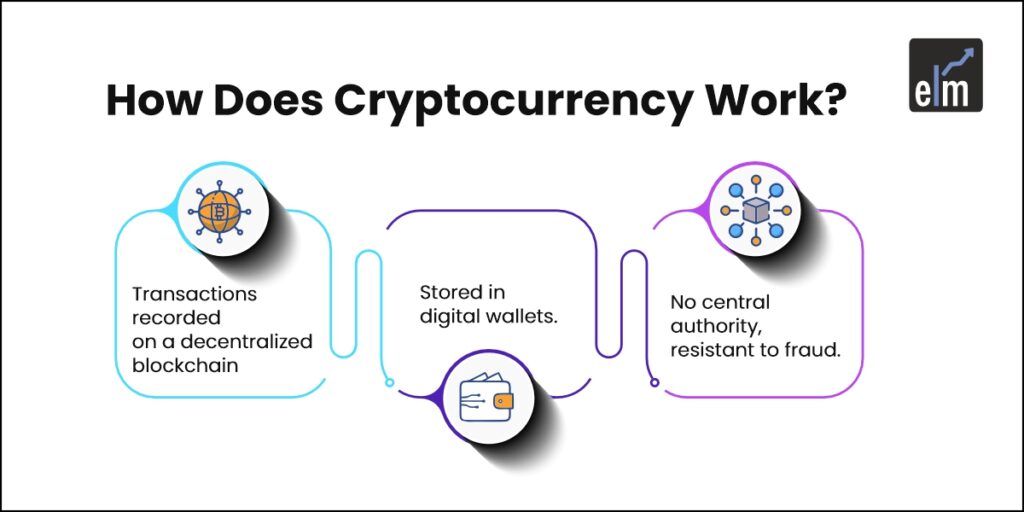
The emergence of cryptocurrency has ushered in a profound shift in how we perceive and interact with money, investments, and financial systems. Far from being a fleeting trend, these digital assets represent a fundamental re-imagining of financial infrastructure, promising greater transparency, security, and autonomy. Understanding “how cryptocurrency works” is not merely a technical exercise; it’s an imperative for anyone navigating the modern financial landscape, whether as an investor, consumer, or industry observer. At its core, cryptocurrency functions as a digital or virtual currency secured by cryptography, making it nearly impossible to counterfeit or double-spend. What sets it apart is its decentralized nature, operating on a technology called blockchain—a distributed public ledger maintained by a network of computers. This article will unravel the intricate mechanisms that underpin cryptocurrency, focusing on its financial implications and operational realities within the broader economic sphere.
Demystifying Digital Assets: Understanding Cryptocurrency’s Core Principles
Cryptocurrency represents a departure from traditional fiat money, offering an alternative that seeks to address perceived inefficiencies and vulnerabilities of centralized financial systems. To grasp its functionality, one must first understand the foundational principles that define its existence and value proposition in the financial world.
A Paradigm Shift in Finance: From Fiat to Digital
For centuries, money has been primarily centralized, issued and controlled by governments and central banks. Fiat currencies, like the US dollar or Euro, derive their value from government decree and public trust in the issuing authority. Cryptocurrency, conversely, introduces a paradigm of digital-native money. It is not issued by a central bank, nor is its value intrinsically tied to a physical commodity like gold. Instead, its value is derived from supply and demand, the utility of its underlying network, and the collective belief of its users and investors. This shift from physical, government-backed currency to purely digital, decentralized assets challenges conventional notions of monetary control and economic governance, offering new avenues for wealth creation and transaction processing.
The Promise of Decentralization: No Central Authority
Perhaps the most revolutionary aspect of cryptocurrency is its decentralized nature. Unlike traditional banking where a central institution (like a bank or payment processor) validates and records transactions, cryptocurrency transactions are verified and recorded by a vast network of computers (nodes) distributed globally. This means there is no single point of failure, no central server that can be hacked or shut down, and no single entity that can manipulate the supply or transaction records. For investors, this decentralization offers a hedge against governmental inflation policies or financial censorship, providing a level of autonomy over their financial assets previously unimaginable. It fundamentally redesigns trust, moving it from intermediaries to cryptographic proof and network consensus.
The Role of Cryptography: Ensuring Security and Integrity
The term “cryptocurrency” itself highlights the critical role of cryptography. Sophisticated cryptographic techniques are employed to secure transactions, control the creation of new units, and verify the transfer of assets. Each transaction is encrypted and linked cryptographically to the previous one, forming an unbreakable chain. This robust security measure ensures that only the legitimate owner of a cryptocurrency can authorize its transfer and prevents malicious actors from altering transaction histories or counterfeiting coins. From a financial security standpoint, this means enhanced protection against fraud and unauthorized access to digital funds, albeit with a caveat: the user bears the ultimate responsibility for safeguarding their private keys, which are the cryptographic proofs of ownership.
The Engine Room: Blockchain Technology as a Financial Ledger
The operational backbone of virtually all cryptocurrencies is blockchain technology. Understanding blockchain is paramount to comprehending how these digital assets maintain their integrity, process transactions, and secure their value within a decentralized financial ecosystem.
Immutable Records: The Distributed Ledger Explained
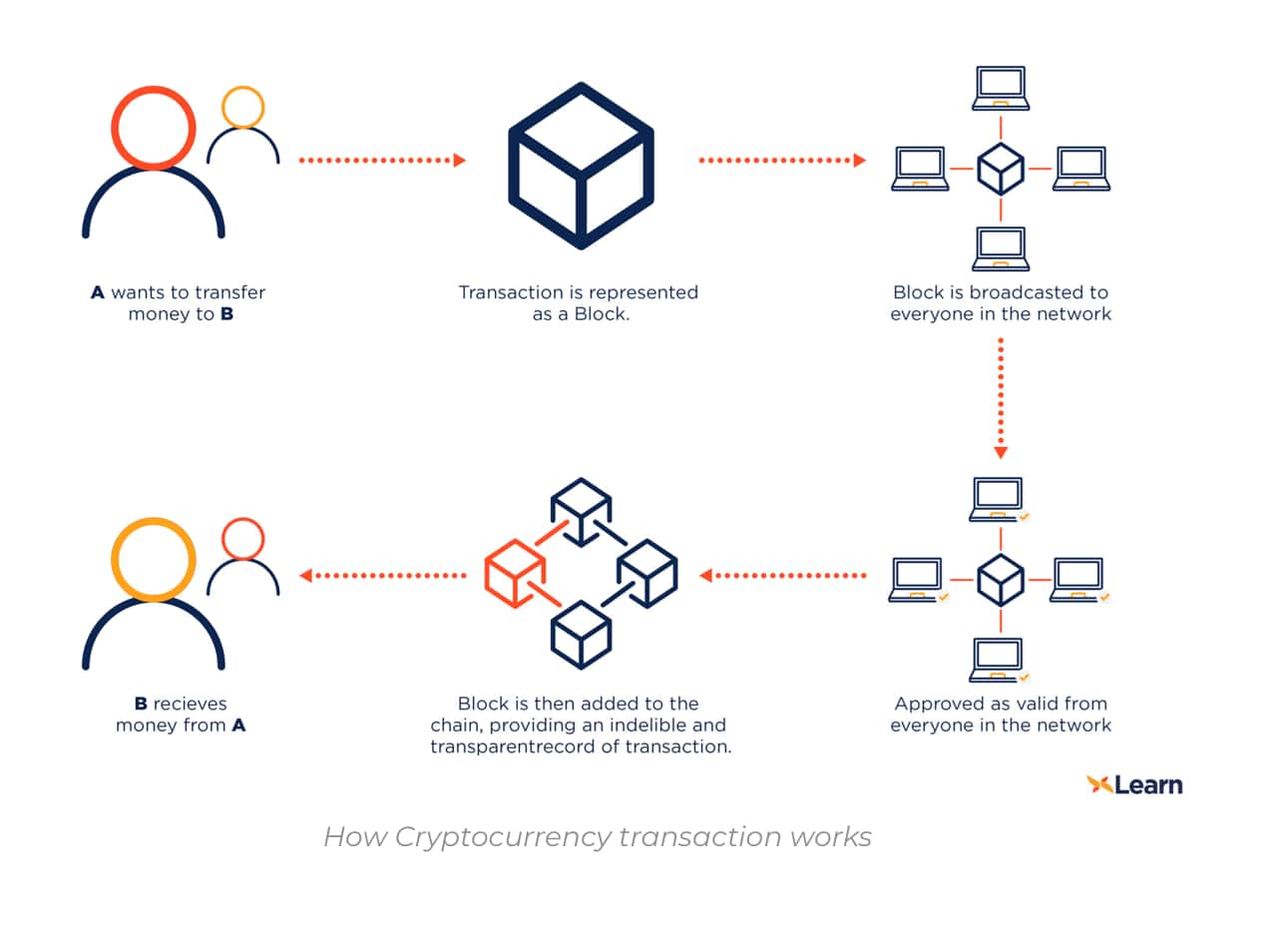
At its simplest, a blockchain is a distributed ledger—a continuously growing list of records, called blocks, which are linked together using cryptography. Each block contains a timestamp and transaction data, forming an immutable, sequential chain. When a transaction occurs, it is broadcast to the network, verified by nodes, and then added to a new block. Once a block is added to the chain, it cannot be altered without changing all subsequent blocks, which would require an immense amount of computational power, making it practically impossible. From a financial perspective, this immutability means every cryptocurrency transaction is permanently recorded and verifiable by anyone on the network, fostering unparalleled transparency and auditability. It builds a public and tamper-proof financial history, drastically reducing opportunities for fraud and disputes.
Consensus Mechanisms: Validating Transactions Securely
For a decentralized network to agree on the validity of transactions and the order of blocks, it relies on “consensus mechanisms.” These are algorithms that enable all distributed nodes to agree on the current state of the ledger without a central authority. The most famous example is Proof-of-Work (PoW), used by Bitcoin. In PoW, “miners” compete to solve complex computational puzzles. The first to solve the puzzle gets to add the next block of transactions to the blockchain and is rewarded with newly minted cryptocurrency and transaction fees. This process, while energy-intensive, ensures the security and integrity of the network by making it computationally prohibitive for any single entity to control the network. Other mechanisms, like Proof-of-Stake (PoS), offer alternatives where validators are chosen based on the amount of cryptocurrency they “stake” (lock up as collateral), promoting greater energy efficiency and scalability while still maintaining network security and financial integrity.
Smart Contracts: Automating Financial Agreements
Beyond simple value transfer, some blockchains, notably Ethereum, support “smart contracts.” These are self-executing contracts with the terms of the agreement directly written into lines of code. They automatically execute, control, or document legally relevant events and actions according to the terms of the contract. In the financial realm, smart contracts have revolutionary implications. They can automate escrow services, facilitate decentralized lending and borrowing, create self-executing insurance policies, and enable complex financial derivatives without the need for intermediaries. This automation reduces costs, speeds up processes, and enhances trust, as the contract terms are transparent and executed exactly as programmed, creating new avenues for financial engineering and service delivery.
Facilitating Digital Transactions: From Mining to Wallets and Exchanges
Having established the foundational technology, it’s crucial to understand the practical aspects of how cryptocurrency enters circulation, how users store it, and how it is traded within the global financial marketplace. These elements are key to its functionality as a digital asset.
The Creation of New Units: Understanding Crypto Mining (or Staking)
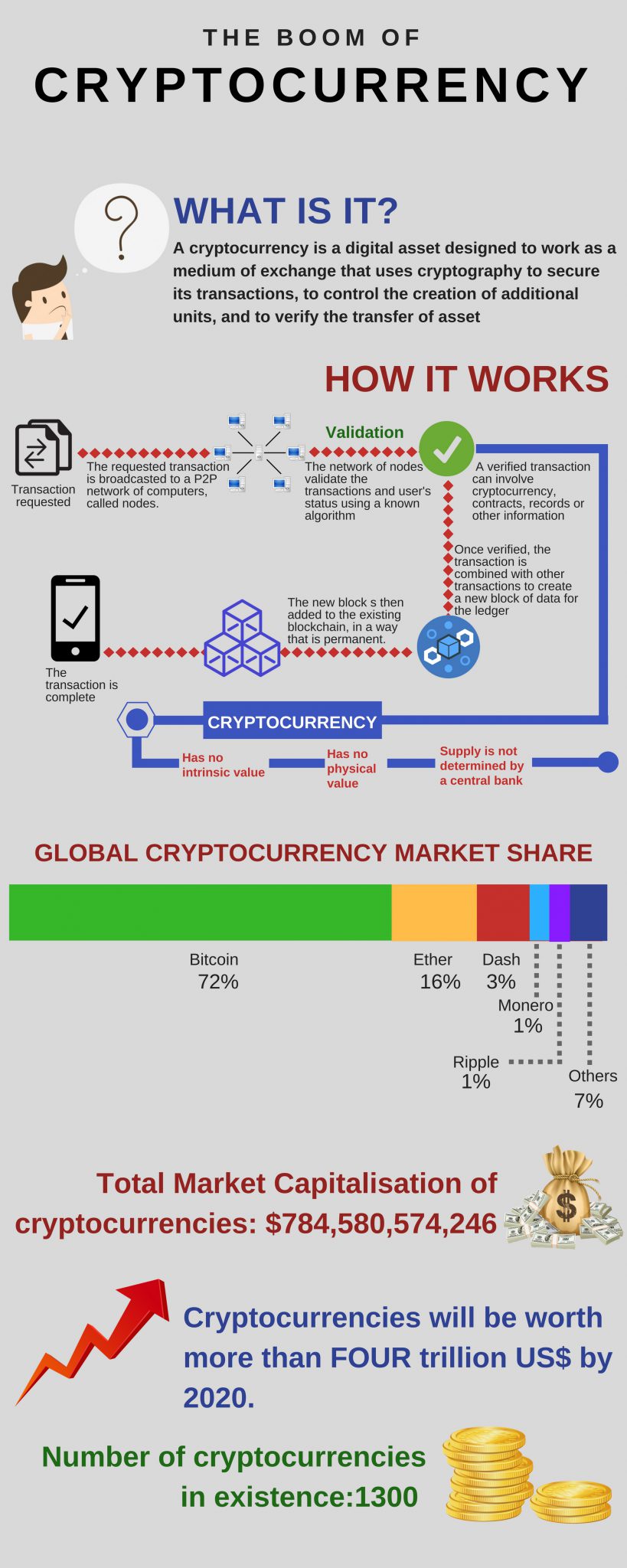
The process of “mining” (for PoW cryptocurrencies like Bitcoin) or “staking” (for PoS cryptocurrencies like Ethereum 2.0) is how new units of a cryptocurrency are introduced into the network. For miners, it involves using powerful computers to solve cryptographic puzzles, validating transactions, and in return, receiving a reward in newly minted coins along with transaction fees. This mechanism controls the supply of the cryptocurrency and incentivizes participation in securing the network. For stakers, it involves locking up a certain amount of cryptocurrency as collateral to validate transactions and secure the network, earning staking rewards in return. Both methods are designed to create new monetary units in a predictable, decentralized manner, influencing the overall supply dynamics and, consequently, the scarcity and potential value of the digital asset.
Digital Wallets: Your Gateway to Holding Crypto Assets
To interact with cryptocurrencies—to send, receive, or store them—users require a “digital wallet.” A cryptocurrency wallet is not a physical place where coins are stored; rather, it’s a software application or hardware device that manages the cryptographic keys (public and private keys) necessary to access and control one’s digital assets on the blockchain. The public key acts like a bank account number, allowing others to send you funds, while the private key is akin to a secure PIN or password, authorizing outgoing transactions. Wallets come in various forms: “hot wallets” are connected to the internet (e.g., mobile apps, web wallets) and offer convenience but are more susceptible to online threats; “cold wallets” (e.g., hardware wallets, paper wallets) are offline, providing superior security for long-term storage of significant investments. Choosing the right wallet is a critical financial decision for asset security.
Cryptocurrency Exchanges: Navigating the Trading Landscape
Cryptocurrency exchanges are online platforms where users can buy, sell, and trade various cryptocurrencies. They function similarly to stock exchanges, allowing users to convert fiat currency (like USD or EUR) into cryptocurrencies, or trade one cryptocurrency for another. Exchanges facilitate price discovery through supply and demand mechanisms, providing liquidity to the market. They often offer various trading pairs, advanced trading tools, and derivatives. Investors choose exchanges based on factors such as security, fees, available cryptocurrencies, liquidity, and regulatory compliance. Using an exchange involves financial risk, as users entrust their funds to a centralized platform, making due diligence on the exchange’s security practices and regulatory standing paramount.
Navigating the Crypto Landscape: Risks, Rewards, and Regulatory Considerations
While cryptocurrencies present exciting financial opportunities, they also come with inherent risks and operate within an evolving regulatory framework that investors must understand to make informed decisions.
Volatility and Market Dynamics: Understanding Price Swings
Cryptocurrency markets are renowned for their extreme volatility. Prices can fluctuate wildly within short periods, driven by factors such as market sentiment, technological developments, regulatory news, macroeconomic trends, and large institutional movements. For investors, this volatility presents both significant opportunities for substantial returns and considerable risks of rapid losses. Understanding market dynamics, conducting thorough research, and adopting a long-term investment horizon or employing robust risk management strategies are crucial for navigating these unpredictable waters. The “diamond hands” mentality often seen in crypto communities reflects the belief in holding through volatility for long-term appreciation, but this is a strategy not without significant risk.
Security Concerns: Protecting Your Digital Investments
While the underlying blockchain technology is highly secure, the points of interaction for users (e.g., exchanges, wallets) can be vulnerable. Cyberattacks, phishing scams, malware, and human error (like losing private keys) pose significant threats to cryptocurrency holdings. Unlike traditional banks that can reverse fraudulent transactions, cryptocurrency transactions are irreversible once confirmed on the blockchain. This places the onus of security squarely on the individual investor. Implementing strong security practices—using cold storage for large sums, enabling two-factor authentication, using strong, unique passwords, and being wary of suspicious links—is not merely advisable but essential for protecting one’s digital financial assets.
The Evolving Regulatory Environment: Compliance and Future
The regulatory landscape for cryptocurrency is still in its nascent stages and varies significantly across jurisdictions. Governments worldwide are grappling with how to classify, tax, and regulate these digital assets, leading to a patchwork of rules and ongoing policy debates. Regulations can impact everything from how cryptocurrencies are bought and sold, to their classification as securities, commodities, or currencies, and how they are taxed (e.g., capital gains tax). For investors and businesses, staying abreast of these regulatory developments is critical, as changes can significantly impact market accessibility, operational costs, and the overall legal standing of their crypto-related financial activities. Regulatory clarity, while slow to arrive, is generally seen as a positive step towards broader institutional and mainstream adoption.
The Evolving Role of Cryptocurrency in Finance: Applications and Future Outlook
Beyond its speculative investment appeal, cryptocurrency is increasingly carving out concrete applications that are poised to reshape traditional finance and foster new economic models.
Crypto as a Medium of Exchange and Store of Value
Initially conceived as “peer-to-peer electronic cash,” Bitcoin and other cryptocurrencies aim to serve as effective mediums of exchange. While still facing challenges in widespread merchant adoption due to volatility and transaction speeds, progress is being made. Companies are increasingly accepting crypto payments, and innovations in scaling solutions (like the Lightning Network) are improving transaction efficiency. Furthermore, in environments with high inflation or political instability, certain cryptocurrencies (especially those with capped supplies like Bitcoin) are seen by some as a potential “store of value,” akin to digital gold, offering an alternative to depreciating fiat currencies. This perception drives investor interest, treating crypto as a hedge against economic uncertainty.
Decentralized Finance (DeFi): Reshaping Financial Services
One of the most impactful applications stemming from cryptocurrency and blockchain technology is Decentralized Finance, or DeFi. DeFi aims to recreate traditional financial services—like lending, borrowing, trading, and insurance—using smart contracts on decentralized blockchains, primarily Ethereum. This eliminates intermediaries, reduces fees, increases transparency, and offers financial services to anyone with an internet connection, without geographical or bureaucratic barriers. Users can earn interest on their crypto holdings, take out collateralized loans, and exchange assets directly. DeFi represents a significant frontier in financial innovation, promising a more open, efficient, and inclusive global financial system that could fundamentally challenge established financial institutions.
The Future Trajectory: Mainstream Adoption and Innovation
The trajectory of cryptocurrency points towards continued innovation and increasing mainstream adoption. As the technology matures, regulatory frameworks become clearer, and user interfaces become more intuitive, the barriers to entry for individuals and institutions will diminish. Beyond payments and DeFi, cryptocurrencies are foundational to emerging digital economies, including non-fungible tokens (NFTs) which represent digital ownership of unique assets, and the metaverse which envisions persistent virtual worlds. These developments underscore the potential for crypto to become an integral part of not just finance, but also digital identity, ownership, and new forms of commerce. The journey of cryptocurrency is still unfolding, but its potential to democratize finance, foster new economic models, and empower individuals with greater financial control is undeniable. Understanding how it works is the first step towards participating in this evolving financial revolution.
aViewFromTheCave is a participant in the Amazon Services LLC Associates Program, an affiliate advertising program designed to provide a means for sites to earn advertising fees by advertising and linking to Amazon.com. Amazon, the Amazon logo, AmazonSupply, and the AmazonSupply logo are trademarks of Amazon.com, Inc. or its affiliates. As an Amazon Associate we earn affiliate commissions from qualifying purchases.